When shopping for a new radiator, it can be difficult to know the right size radiator and what to look out for when searching. Most British radiators are measured in BTU which stands for British thermal units. BTU is a measure of energy output whilst watts is a measure of power. Watts are generally used when searching for electric radiators, so when searching to replace your current radiator with an electric radiator, it’s important to know how to convert BTU to KW. Continue reading to find out more about BTU and how to carry out this conversion.
What is BTU?
The letters ‘BTU’ are pretty common when searching for radiators and heated towel rails. BTU stands for British Thermal Units and is the measurement used to represent the amount of energy it takes to heat one pound of water by one degree Fahrenheit. This measurement is more common in the UK, however, is still used throughout the rest of the world associated with power, energy, air conditioning and steam generation.
BTU is used to let you know how much heat a radiator will emit and to help you decide whether the radiator is the correct size for your room or not. It’s important to know just how much heat each room of your home needs for your heating system to work efficiently and for you to have a space that is the perfect temperature, not too hot or too cold.
The style and design of radiators are super important to making your home look and feel just how you want it. But, just as important in the decision of purchasing a radiator is whether the BTU output of the radiator is what you need.
Why is BTU Important?
If you’re looking to buy a new radiator, taking the time to correctly calculate the correct number of BTUs you’ll need is especially important so that you make the right decision. If your radiator has too little BTU output, your room won’t reach an ideal temperature to keep you comfy and cosy and you’ll inevitably suffer from a cold and uninviting home. On the other hand, too many BTUs can find you paying way too much for your heating bill and your home being too warm to function properly.
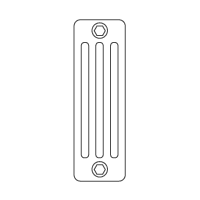
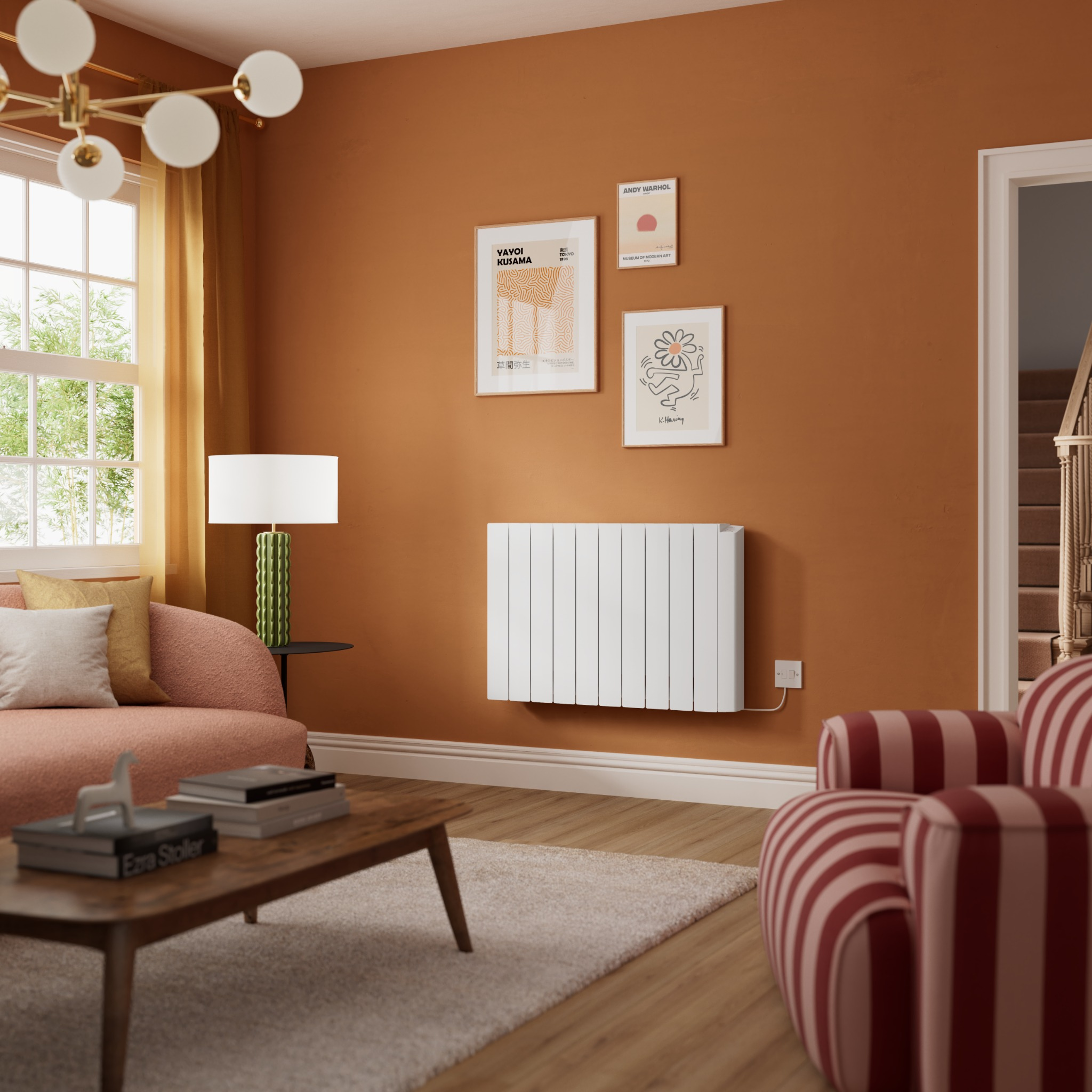
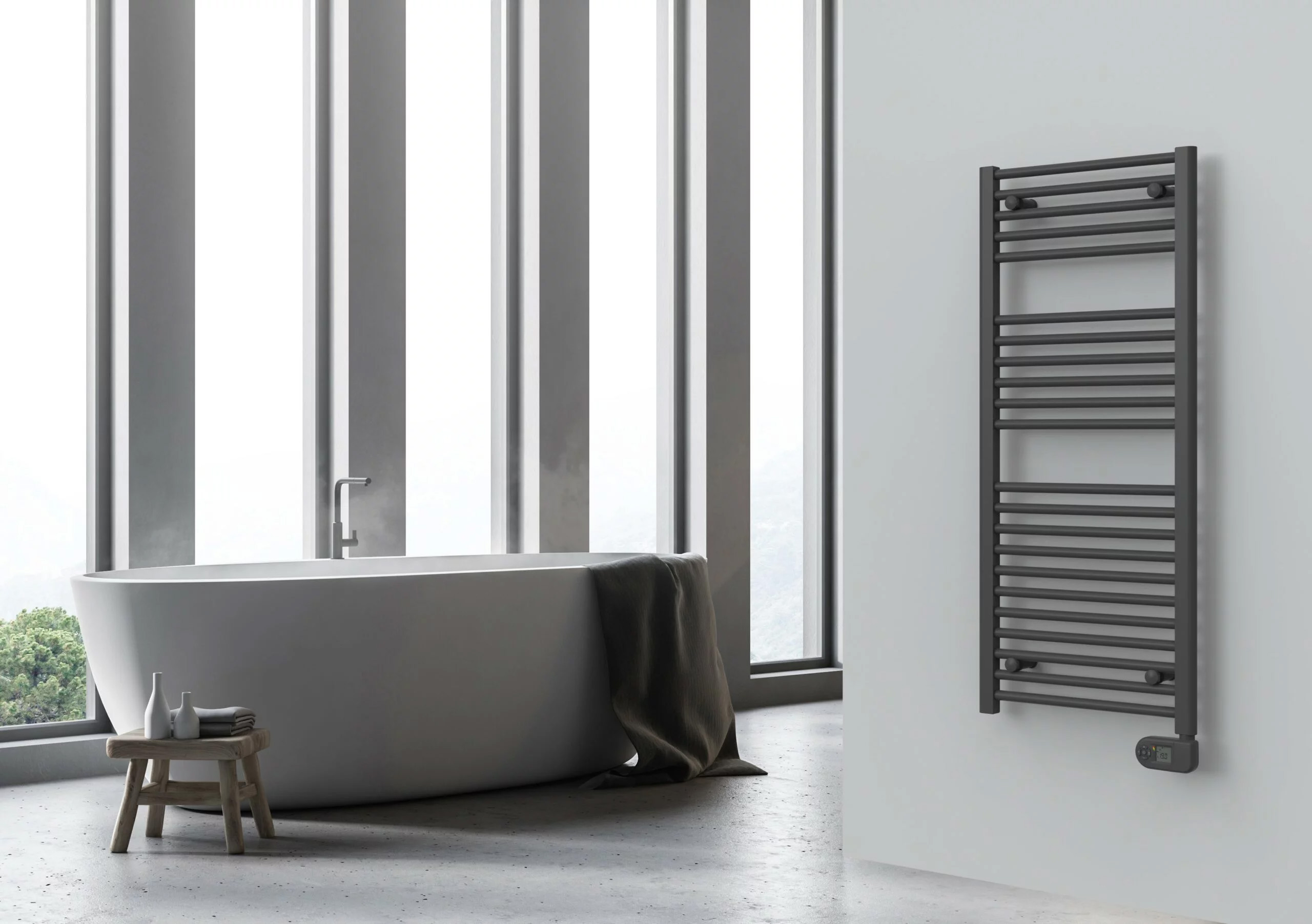
To feel the full benefits of a radiator and your central heating system. It’s important that you select a radiator or heated towel rack that has the ideal heat output for the space it’s going to be put in. For example, a large triple columned radiator wouldn’t be adequate for a box bedroom, just like a small single panelled radiator wouldn’t be suited to a large, open plan living area.
Why Do You Need to Convert BTU to KW?
BTUs and watts are both units of measurement when it comes to the heat output of appliances. Where BTUs equates to the amount of energy needed to raise one pound of water by one degree, watts are a unit of power representing an energy transfer of one joule per second and is part of the International System of Units. As watts are a standard unit of measurement globally, their use within the UK is predominantly associated with electrical products. When shopping for electric radiators, their power outputs will often be given in watts. If your current radiator is measured in BTU, it’s important to know how to convert BTU to watts when shopping for your electric radiator.
BTUs cannot be converted directly into watts as BTUs are a unit of energy and watts measure the rate at which the energy is transferred. Therefore, they don’t directly equate to the same thing. However, BTU/h into watts can be converted more easily.
How to Convert BTU to KW
The best way to get your BTU/h reading is by using a BTU calculator. Once you know you know your BTU/h figure, you’ll need to convert it to watts when choosing your electric radiator so that you know it’s the perfect one for your space. All you need to do is multiply your figure by 0.293. For example, if your room needs a radiator with a power output of 2579 BTU/h, carry out the following calculation:
2579 x 0.293 = 755.647
This means you’ll be looking for an electric radiator with a wattage of around 750, however, it’s advisable to round up to the next available size so that you can be sure your room will be well heated.
Converting KW to BTU
As well as knowing how to convert BTU to watts, it’s also handy to know the reverse as some heating shops will prefer to list their products in terms of BTU/h rather than watts. To work out this conversion, simply multiply the wattage by 3.412. For example, if you have a wattage of 1800, carry out the following calculation:
1800 x 3.412 = 6141.6
This will give you the BTU/h that you need to heat your space. Again, we recommend rounding up to ensure you get a radiator that is powerful enough to heat your room to your liking.
Takeaway
If you’re shopping for electric radiators, the above calculations will give you a very good approximation of how the radiator’s wattage equates to its BTU output. However, you should note that this is not an exact science, and you may find it difficult to use these when choosing other heating solutions. How to convert BTU to KWs isn’t difficult once you have your measurements, and we hope this guide explains the process simply.
Have any further questions about when to convert BTU to KWs? Please get in touch with the team at Stelrad, and view our range of designer radiators, vertical radiators and more online.

 Next Working Day Delivery£18 For Next Working Day Delivery On All Products*When ordered before 2pm.*T&Cs apply