Air vent
A small valve at the top corner of a radiator that lets you release any air trapped inside. Trapped air stops the radiator filling fully with water, which causes cold spots. The vent is opened with a radiator key in the process known as bleeding.
ASHP
Short for Air Source Heat Pump. An ASHP takes warmth from the outside air and uses it to heat a home and its hot water. Stelrad radiators work with ASHP systems as long as they are sized to suit the lower water temperatures these systems run at.
Balancing
The process of adjusting each radiator so the system shares hot water evenly between them. A balanced system means every room heats up at roughly the same rate, with no rooms left cold while others overheat. Balancing is normally done using the lockshield valve at the side of each radiator.
BIID
The British Institute of Interior Design is the professional body for commercial and residential interior designers in the UK.
BIM
Short for Building Information Modelling. BIM is a digital design process used by architects, specifiers and developers to plan buildings in detail before construction. Stelrad provides BIM components for download so its radiators can be added straight into a project model.
BSP
Short for British Standard Pipe. This is the UK thread standard used for radiator and valve connections. Every Stelrad radiator uses a 1/2 inch BSP connection as standard, which means it will work with the radiator valves sold across the UK heating trade.
Btu/hr
Short for British Thermal Units per hour. This is one of the two common ways of measuring how much heat a radiator gives out. The bigger the Btu/hr figure, the more heat the radiator produces. As a rough guide, 1 watt is equal to 3.412 Btu/hr.
CETIAT tested
CETIAT is a leading independent French laboratory that carries out testing and assessment of heating products. Testing at CETIAT is recognised across Europe and provides independent confirmation of a radiator’s heat output.
Convection
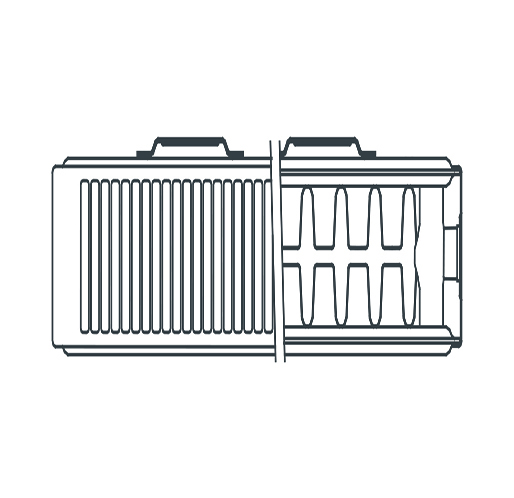
The way most modern radiators heat a room. Cool air is drawn in at the bottom of the radiator, warmed as it passes over the panels and convection fins inside, and then rises back into the room. This continuous cycle warms the whole room rather than just the area directly next to the radiator.
CPD
Short for Continuing Professional Development. CPD is structured training that helps installers, specifiers and engineers keep their skills up to date. Stelrad runs CIBSE-approved CPD courses on radiator selection and modern heating systems.
Δt
The difference in temperature between the hot water flowing through the radiator and the air in the room. The same radiator will give out different amounts of heat at different Δt values, so it is important to use the right one when working out what size radiator you need.
Δt50
The UK industry standard for quoting radiator heat outputs. Δt50 means a flow temperature of 75°C, a return temperature of 65°C and a room temperature of 20°C. Stelrad also publishes outputs at Δt40 and Δt30, which are more relevant for homes running on lower temperature systems such as heat pumps.
EN442
The European standard that sets out how radiators and convectors operating below 120°C must be made and tested. It covers the type of steel used, the pressure testing each radiator must pass, and the accuracy of the heat output figures shown in product literature. Compliance with EN442 means the heat output you see quoted is reliable.
EPD
Short for Environmental Product Declaration. An EPD is an independently verified report on a product’s environmental impact across its full life cycle, prepared in line with the ISO 14025 and EN 15804 standards. Stelrad’s Green Series radiators have a published EPD.
Flow and return
The two pipes connected to a radiator. The flow pipe brings hot water in from the boiler or heat pump. The return pipe carries the cooler water back out to be reheated. Together they keep a steady supply of hot water moving through the radiator.
Future Homes Standard
A UK Government standard that applies to new build homes from 2025. It requires new homes to produce 75 to 80 percent less carbon than homes built to the previous regulations, which in practice means traditional gas boilers are no longer fitted in new builds and low temperature heating systems such as heat pumps are used instead.
Heat loss
Heat loss is the amount of heat a room loses through its walls, windows, floor, ceiling and through draughts. The heat loss figure tells you how much heat output a radiator needs to produce to keep the room at a comfortable temperature. Stelrad’s free heat loss BTU calculator works this out for you.
Heat pump
A heating appliance that runs on electricity and moves heat from outside (the air or the ground) into the home, rather than burning fuel to create it. Heat pumps run at lower water temperatures than gas boilers, so radiators usually need to be larger to produce the same amount of heat.
IP rating
Short for Ingress Protection rating. This two-digit code shows how well an electrical product is protected against solids and liquids getting inside it. For example, IPX4 means the product can handle splashes of water from any direction. IP ratings matter when choosing electric radiators or heated towel rails for bathrooms.
ISO9001
An international standard for quality management systems. Companies certified to ISO 9001 have proven processes in place to deliver consistent product quality.
ISO14001
An international standard for environmental management systems. Companies certified to ISO 14001 have proven processes in place to manage and reduce their environmental impact.
ISO45001
An international standard for health and safety management systems. Companies certified to ISO 45001 have proven processes in place to protect the health and safety of their workers.
ISO50001
An international standard for energy management systems. Companies certified to ISO 50001 have proven processes in place to manage and reduce their energy use.
K1
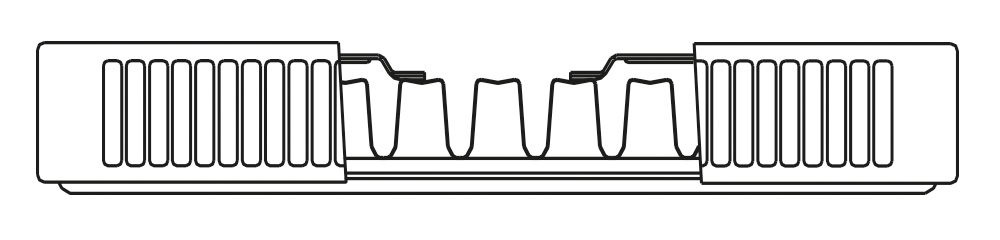
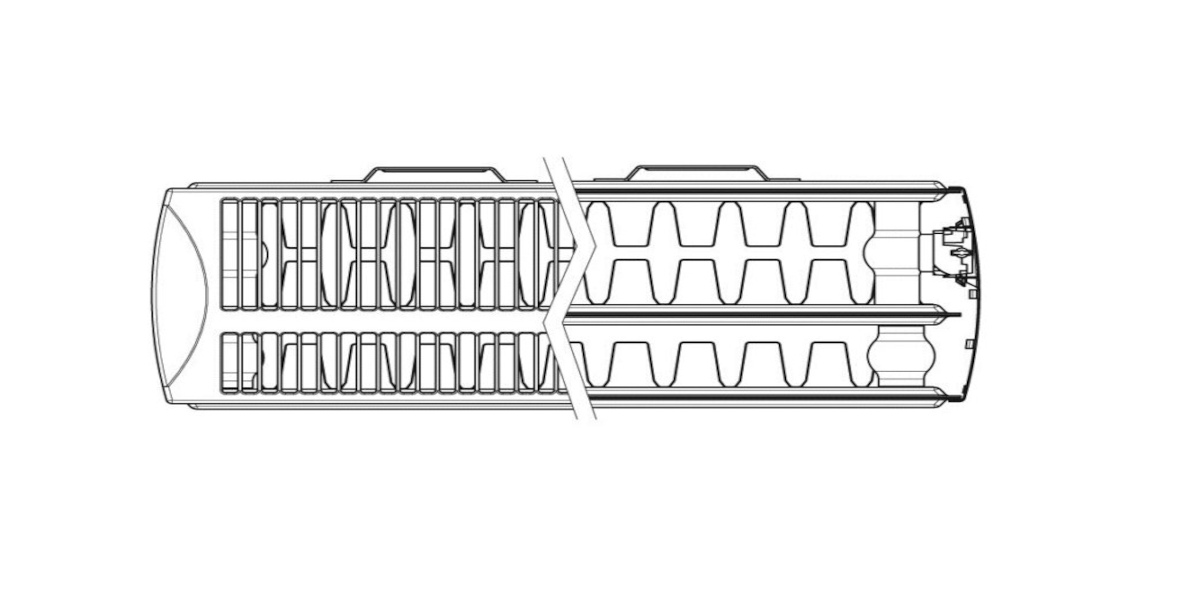
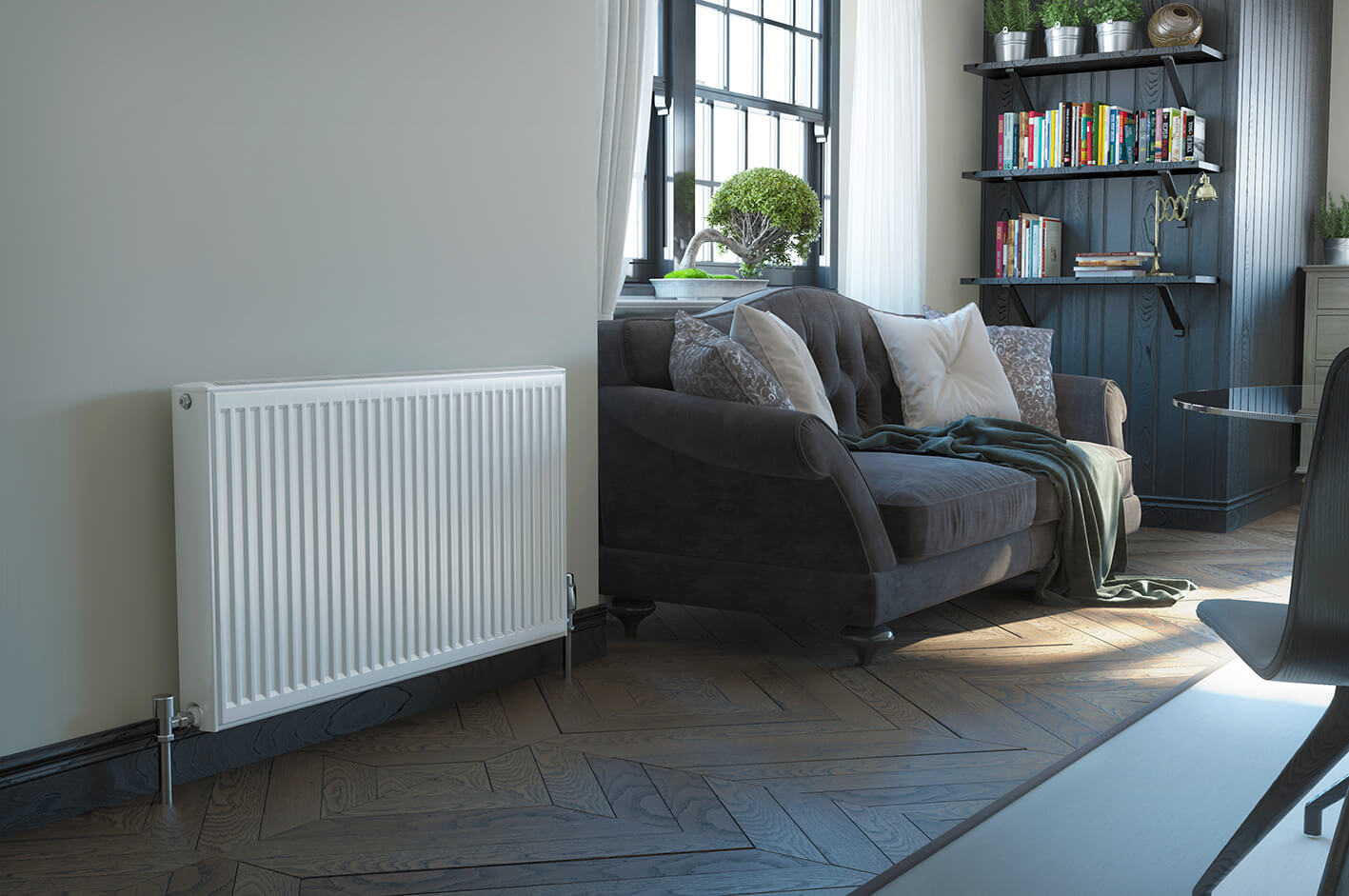
A radiator with one panel and one set of convection fins behind it. Also known as Type 11. K1 radiators give out a moderate amount of heat and are a good choice for smaller rooms.
K2
A radiator with two panels and two sets of convection fins. Also known as Type 22. The double construction gives a higher heat output than a K1 of the same size, making K2 the most popular choice for living rooms, bedrooms and most main rooms in the home.
K3
A radiator with three panels and three sets of convection fins. Also known as Type 33. K3 radiators give out a lot more heat than K1 or K2 of the same size, which makes them a popular choice for larger rooms and for homes running on heat pumps.
K4
A radiator with four panels and four sets of convection fins. Also known as Type 44. K4 radiators are used where a very high heat output is needed in a limited amount of wall space.
Lockshield valve
The valve at the opposite end of a radiator to the thermostatic radiator valve (TRV). It is set once during balancing to control how quickly hot water flows through the radiator, and is normally left alone after that. The plastic cap covers the adjustment so it cannot be moved by accident.
LST
Short for Low Surface Temperature. An LST radiator has an outer casing that prevents the surface from getting hotter than 43°C, in line with NHS guidance. LST radiators are used in places where someone might fall against or touch the radiator and risk a burn, such as schools, nurseries, care homes and hospitals.
Microbore
A type of central heating pipework using small-diameter pipes, typically 8 mm or 10 mm. Microbore is sometimes found in older homes and in newer flats. Stelrad radiators are compatible with microbore pipework.
P+
A radiator with two panels and one set of convection fins. Also known as Type 21. P+ radiators sit between the K1 and K2 in heat output, giving more heat than a single panel without the depth of a full double.
P2
A radiator with two panels and no convection fins. Also known as Type 20.
Radiator key
A radiator key is a small square-ended tool used to open the air vent at the top of a radiator and release any trapped air. Bleeding the radiator with a radiator key restores the heat output if cold spots have developed at the top of the panel.
RAL
A Europe-wide colour matching system used to specify exact paint colours. When you see a colour code such as RAL 9010 (the standard Stelrad white), it refers to the RAL system and means any manufacturer working from that code will produce the same shade.
TBOE / BOE
Refers to where the pipes connect to the radiator. OE (opposite end) means one pipe at each end. TBOE (top and bottom opposite end) means one pipe at the top of one end and one pipe at the bottom of the other. BOE (bottom opposite end) means both pipes connect to the bottom, one at each end. The right configuration depends on the radiator and how the pipework runs in the room.
TRV
Short for Thermostatic Radiator Valve. A TRV senses the temperature in the room and automatically reduces the flow of hot water into the radiator once that temperature is reached. This stops rooms overheating and helps cut energy bills. Current Building Regulations require a TRV on every radiator in most situations.
Two-pipe system
The most common type of central heating layout in UK homes. Each radiator has its own flow pipe bringing hot water in and its own return pipe taking cooler water back to the boiler or heat pump. Stelrad radiators are designed primarily for two-pipe systems.
UFH
Short for Underfloor Heating. UFH is installed beneath the floor and warms a room from the ground up. Many homes now combine UFH on the ground floor with radiators upstairs, since both can run from the same boiler or heat pump.
UIN
Short for Unique Identification Number. The UIN is the product code Stelrad uses to identify each individual radiator across its range. You will see the UIN on technical sheets, packaging and order paperwork.
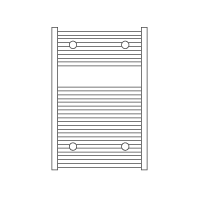
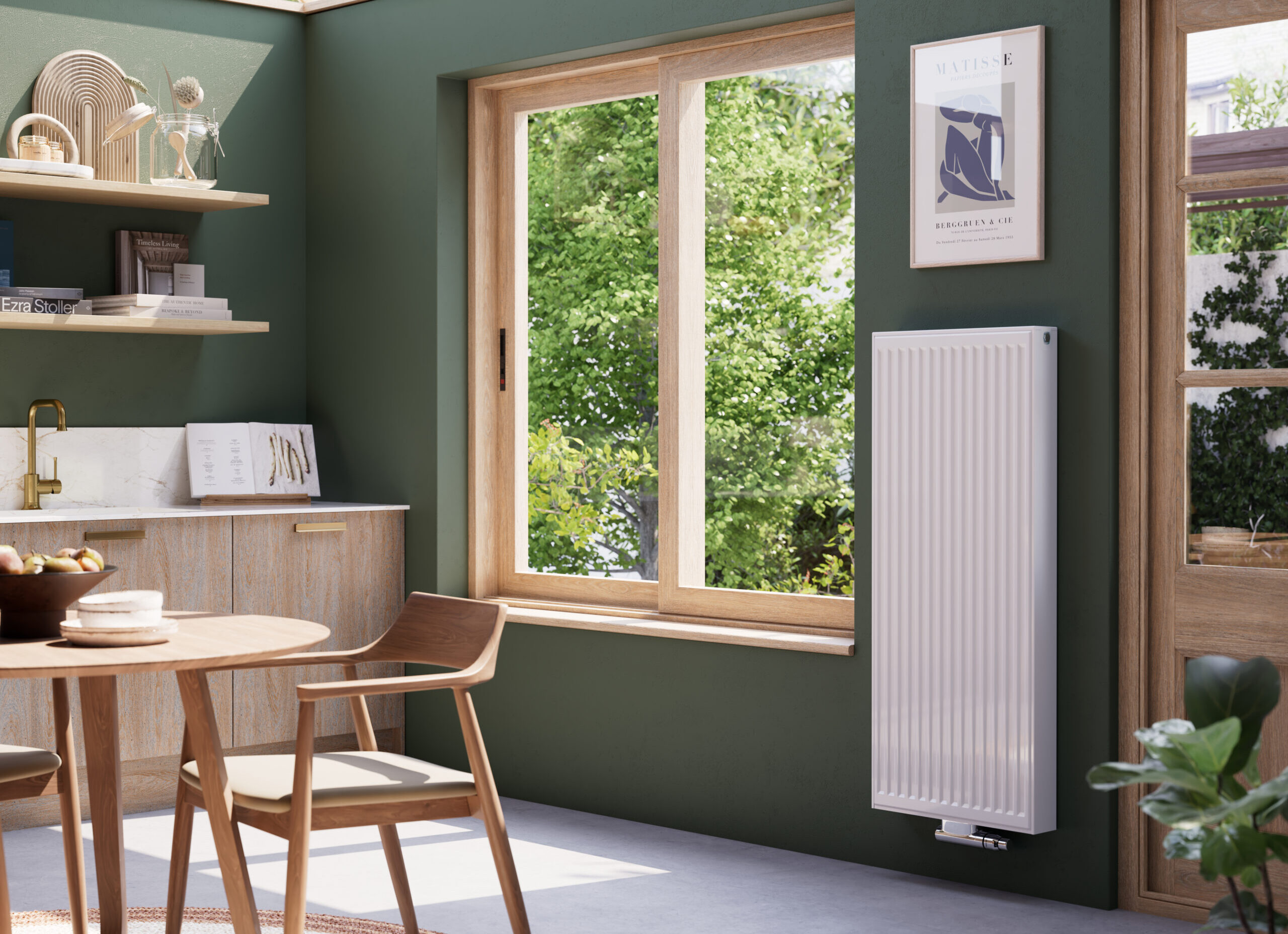
Vertical radiator
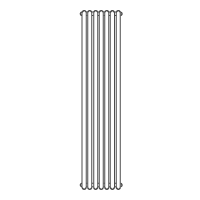
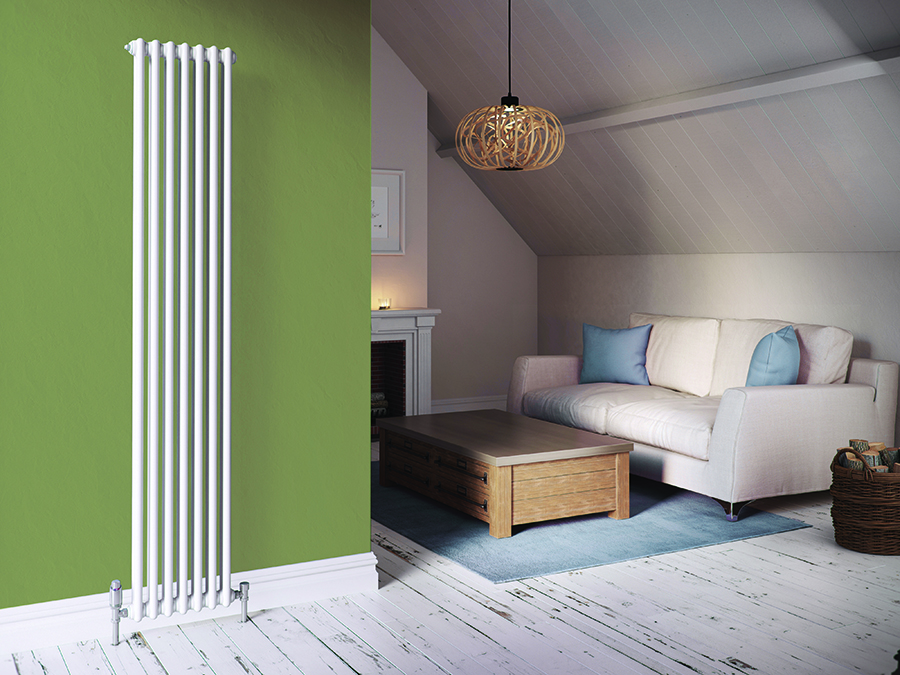
A radiator that is taller than it is wide. Vertical radiators are popular in kitchens, hallways and narrow rooms where there is not much horizontal wall space to spare.
Warranty
The Stelrad warranty covers any fault caused by manufacturing, assembly or materials. Most horizontal steel panel radiators come with a 10 year warranty, the Softline range carries a 15 year warranty, and other radiators carry a 5 year warranty.
Watts
The other common way of measuring radiator heat output, alongside Btu/hr. As a rough guide, 1 watt is equal to 3.412 Btu/hr. Heat pumps and modern boilers tend to be specified in watts and kilowatts, so most heat loss calculations are now done in watts as well.
Working pressure
The maximum pressure at which a radiator can safely operate within a heating system. Different radiator types are built using different gauges of steel to handle different working pressures. All Stelrad radiators are pressure tested as part of manufacture.

 Next Working Day Delivery£18 For Next Working Day Delivery On All Products*When ordered before 2pm.*T&Cs apply