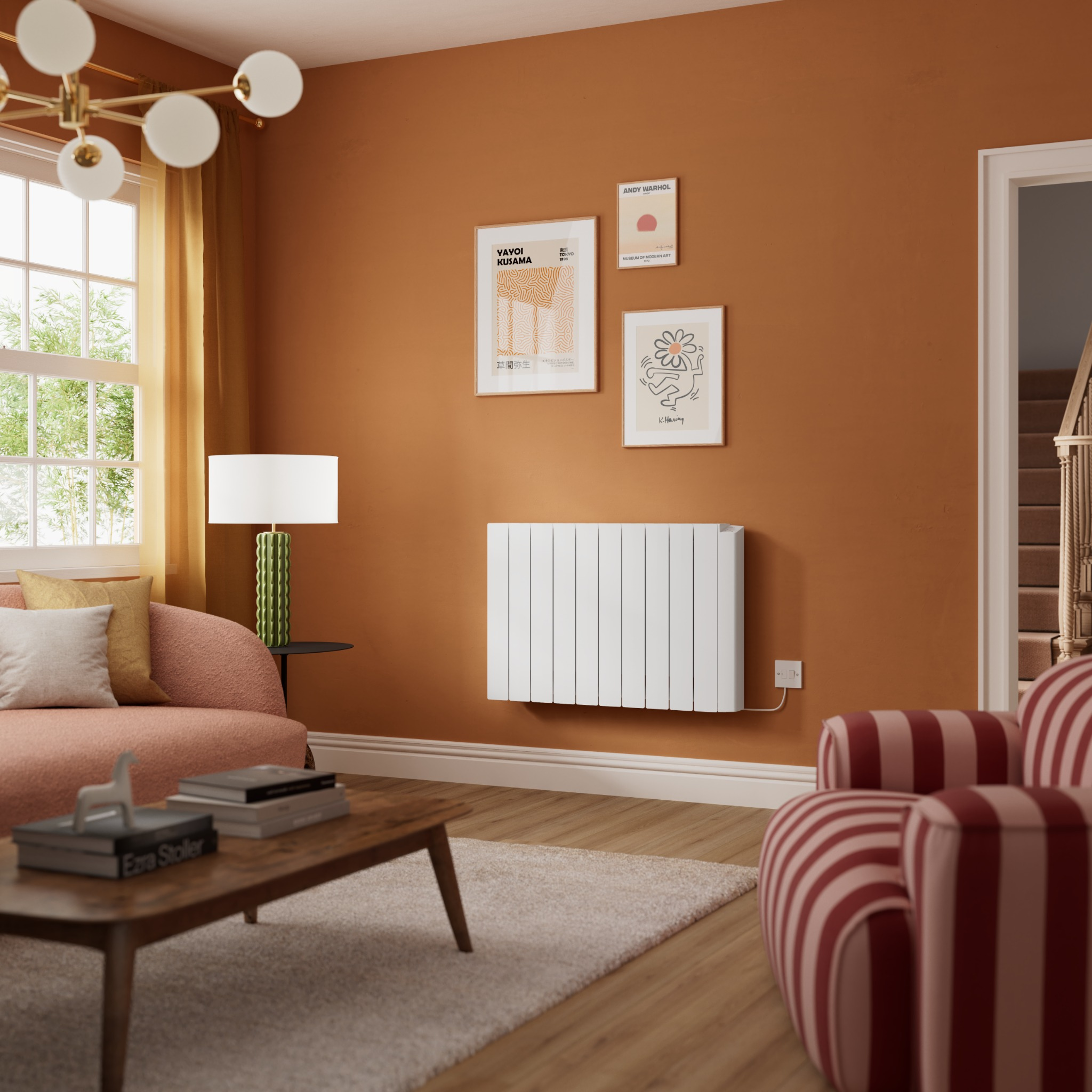
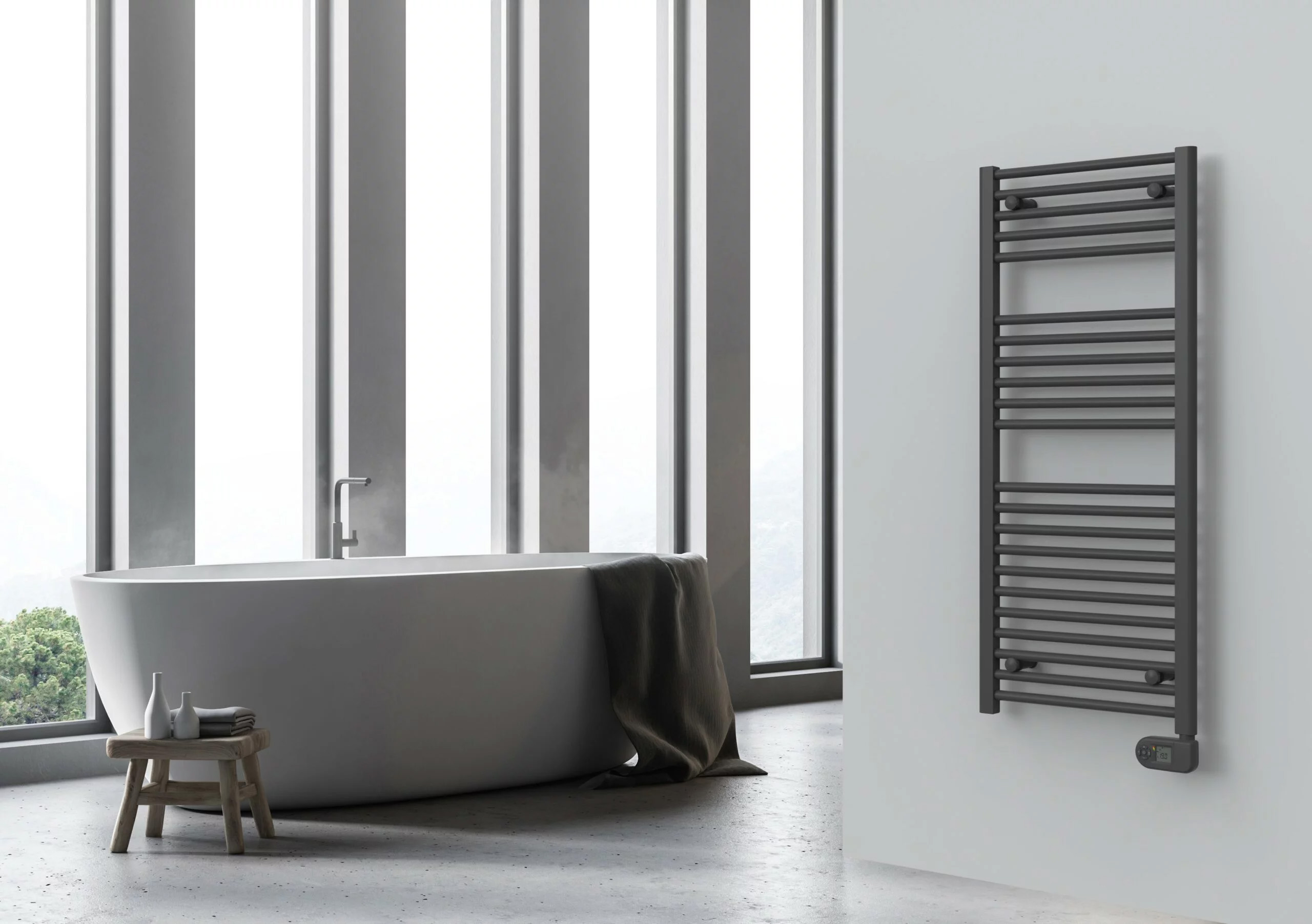
Solar thermal is one of the most established renewable technologies in UK homes, yet most guides stop short of explaining how it interacts with the radiators on your wall. The short answer is that a solar thermal hot water system is primarily designed to heat domestic hot water, but with the right configuration and the right radiators, it can also contribute meaningfully to your space heating.
This guide explains how solar thermal hot water systems work alongside a wet central heating system, which radiators are best suited to lower flow temperatures, and what UK homeowners realistically need to know before integrating the two. As the UK’s leading radiator manufacturer since 1936, Stelrad has spent decades developing radiators that perform across every type of heating system, from traditional gas boilers to the renewable systems shaping the next generation of UK homes.
What Are Solar Thermal Hot Water Systems?
A solar thermal hot water system uses roof-mounted collectors to absorb energy from sunlight and transfer that heat into the water stored in your home’s hot water cylinder. Unlike solar PV, which generates electricity, solar thermal converts sunlight directly into heat, making it one of the most efficient ways to harness solar energy in the UK climate.
A typical solar thermal system has five core components:
- Solar collectors fitted to a south-facing roof, either flat plate or evacuated tube
- A heat transfer fluid (usually a water and glycol mix) that carries heat from the collectors
- A circulation pump that moves the fluid around the system
- A solar differential controller that decides when to run the pump
- A twin-coil hot water cylinder or thermal store that holds the heated water
According to the Energy Saving Trust, a well-installed solar thermal system can provide around 60% of a typical UK household’s annual hot water needs, with higher contributions in summer and lower contributions in winter.
Flat plate vs evacuated tube collectors
Flat plate collectors are glazed, insulated panels containing an absorber plate. They tend to be lower cost and integrate well into roof aesthetics. Evacuated tube collectors use sealed glass tubes containing a vacuum, which makes them more efficient in colder weather and on overcast days. For UK homes prioritising winter performance, evacuated tubes typically deliver higher year-round yields.
How Does Solar Thermal Heating Work with Central Heating?
A standard solar thermal hot water system is plumbed into the same hot water cylinder that feeds your taps, baths and showers. The heat collected on the roof preheats the water in the cylinder, reducing the amount of energy your gas boiler, oil boiler or heat pump needs to use to bring that water up to its target temperature.
In a wet central heating system, your radiators and your hot water cylinder are usually fed from the same heat source. This means solar thermal isn’t directly heating your radiators, but it does reduce the load on the system that does. The result is lower fuel consumption, lower running costs, and a lower carbon footprint across the whole heating system.
There are three common configurations for integrating solar thermal with a home’s central heating.
Pre-heating the hot water cylinder
This is the most widespread setup. The solar thermal system feeds a twin-coil cylinder, where the lower coil receives heat from the solar collectors and the upper coil receives heat from the boiler or heat pump. The boiler only fires when solar input is insufficient to reach the target temperature, typically 60°C for stored hot water to satisfy Legionella safety guidance.
Linking solar thermal to a thermal store
A thermal store acts as a central buffer for multiple heat sources. Solar thermal, a boiler and even a wood burner with a back boiler can all feed the same store, which then supplies both domestic hot water and the radiator circuit. This setup is more complex but allows solar thermal to make a genuine contribution to space heating, particularly in spring and autumn shoulder seasons.
Hybrid solar thermal and heat pump systems
Pairing solar thermal with a heat pump is one of the more efficient configurations available. The solar thermal system handles a large share of summer hot water demand, easing the workload on the heat pump and improving overall system efficiency. The radiators in this setup must be sized for low flow temperatures, which is where modern, larger surface area radiators become essential. You can read more on how radiators perform alongside renewable heating systems and specifically whether radiators work with heat pumps in our dedicated guides.
Can Solar Thermal Be Used To Heat Radiators Directly?
In most UK installations, solar thermal does not directly power the radiators. Solar thermal collectors typically deliver useful temperatures of 40°C to 65°C in good conditions, while traditional radiator systems are designed for boiler flow temperatures of 70°C to 80°C. The gap between the two is the practical reason solar thermal is dedicated to hot water rather than space heating in most homes.
That said, solar thermal can contribute to space heating in the right setup, particularly when the system feeds a thermal store, and the radiators are sized to run at lower flow temperatures. This is sometimes referred to as solar-assisted heating or solar combi heating, and it is most effective during spring and autumn, when the home still needs warmth, but solar yields are reasonable.
The key technical principle is simple: the lower the flow temperature, the larger the radiator surface area required to deliver the same heat output to the room. Solar thermal, like air source heat pumps, is a low-temperature heat source, and modern radiators built for low-temperature systems make the integration practical.
The Radiators That Work Best with Solar Thermal Heating
Not every radiator performs well at the lower flow temperatures associated with solar thermal heating. Radiators sized for older 80°C systems will struggle to deliver the same heat output when flow temperatures drop to 45°C to 55°C. The solution is greater surface area, achieved either through more panels and fins, taller radiators, or both.
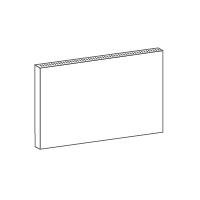
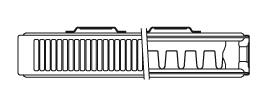
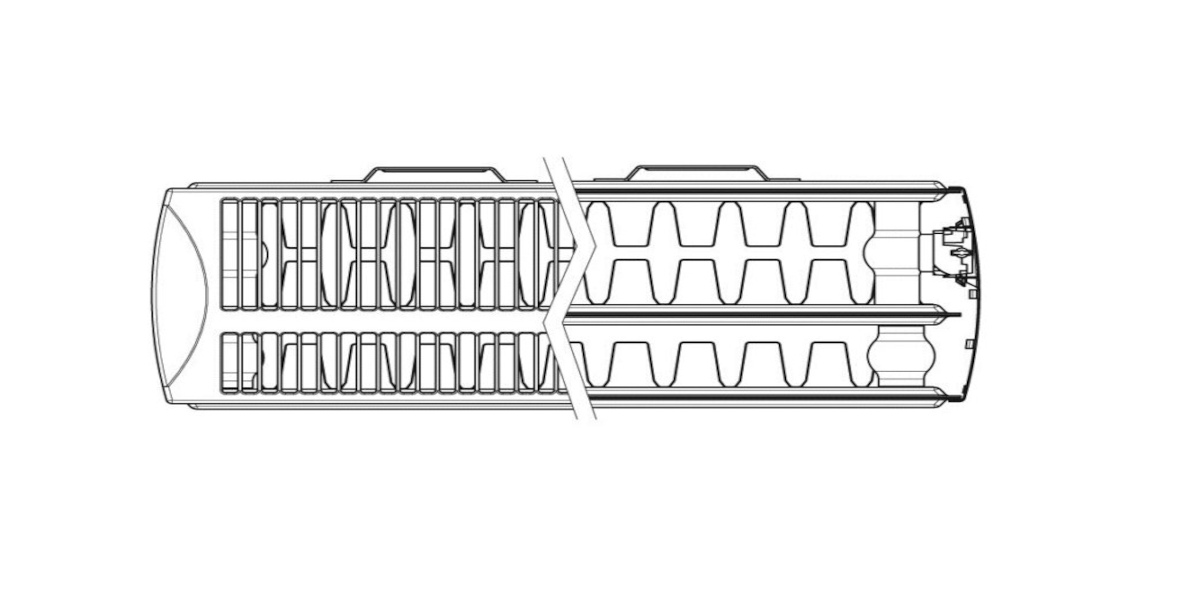
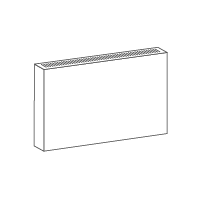
Triple panel (K3) radiators
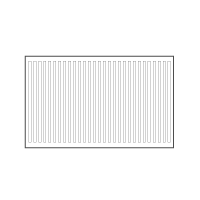
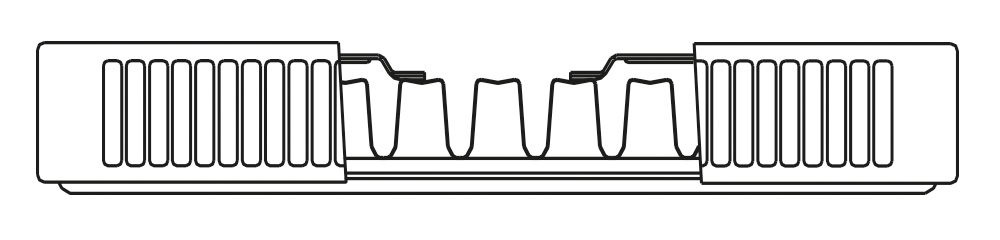
Triple-panel K3 radiators are one of the most effective solutions for low-temperature renewable heating. With three panels and three sets of convection fins, they deliver around 50% more heat output than a K2 radiator of the same footprint, without taking up additional wall space. This makes them well-suited to homes integrating solar thermal, heat pumps or any other low-temperature heat source, especially in retrofit scenarios where wall space is already committed.
Vertical radiators
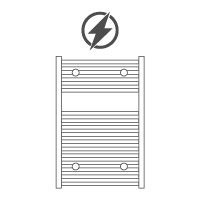
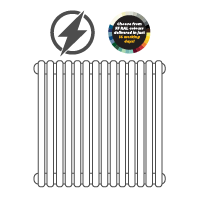
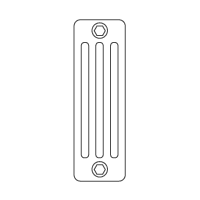
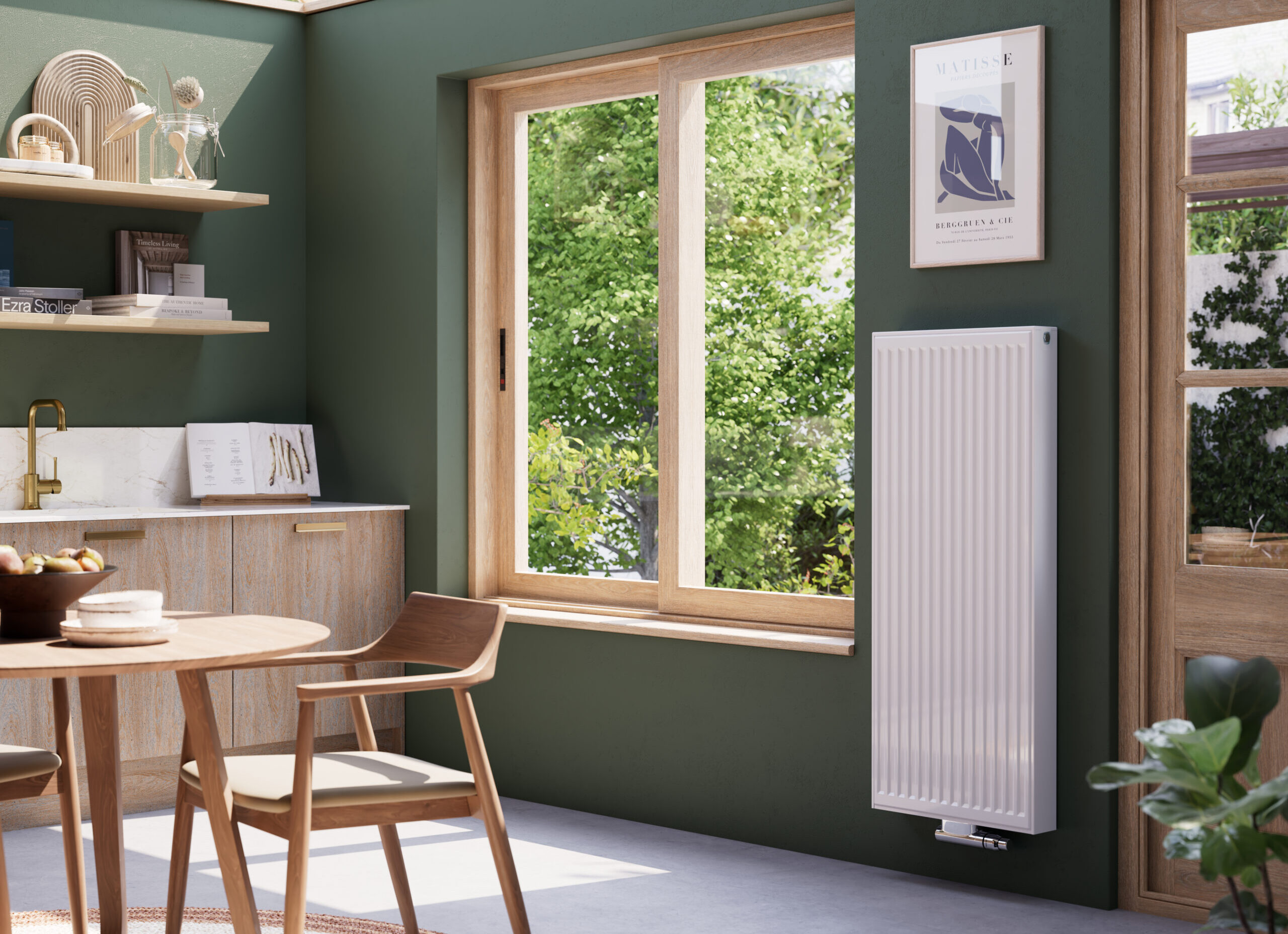
Vertical radiators extend the surface area upward rather than outward, which is useful in homes with limited wall length. Tall vertical formats can deliver high BTU outputs from a narrow footprint, making them a practical option in kitchens, hallways and modern open-plan layouts running on lower flow temperatures.
Underfloor heating compatibility
Underfloor heating is the natural partner for any low-temperature heat source, including solar thermal. Because underfloor systems operate efficiently at flow temperatures of 35°C to 45°C, they can use solar thermal input more effectively than radiators in many cases. A mixed system, with underfloor heating downstairs and correctly sized panel radiators upstairs, is often the most efficient setup for renewable integration.
Lower-carbon radiator options
For homeowners building or renovating with sustainability in mind, our Green Series radiators are manufactured in the UK using XCarb recycled and renewably produced steel, supported by an independently verified Environmental Product Declaration. They pair logically with a renewable heat source like solar thermal to reduce the embodied carbon of the heating system as a whole.
Sizing Radiators for A Solar Thermal Heating System
Correct sizing is the single most important factor in making any low-temperature heating system work, and it becomes even more important when solar thermal is feeding the central heating loop. The principle is straightforward: heat output figures quoted on radiator specification sheets are based on a Delta-T of 50°C, in accordance with BS EN 442. When the flow temperature drops, the actual delivered output drops with it.
As a working guide, a radiator running at Delta-T 30°C, which is closer to what you would expect from a solar-assisted or heat pump system, will deliver roughly half its rated output. Sizing radiators on rated output alone, without applying a Delta-T correction, is one of the most common mistakes in renewable retrofits.
For accurate room-by-room calculations, our BTU calculator takes the guesswork out of the process. For larger or more complex projects, our advanced heat loss programme follows BS 5449 standards, including the 20% additive that compensates for intermittent system use.
Solar Thermal vs Other Renewable Options
Solar thermal is one of several renewable heat sources currently available to UK households, and it is worth understanding where it fits in the wider picture.
- Air source heat pumps can directly power radiators year-round and are eligible for the Boiler Upgrade Scheme, which offers a grant of up to £7,500 from the UK government as of 2026.
- Ground source heat pumps offer similar advantages with greater installation complexity and higher upfront cost.
- Biomass boilers provide high-temperature heat suitable for traditional radiator sizes and are also eligible for BUS funding in eligible properties.
- Solar thermal excels at offsetting hot water demand and can supplement space heating with the right configuration, but is no longer included in the Boiler Upgrade Scheme.
Many UK homes ultimately benefit from a combination of technologies. A heat pump providing year-round space heating, paired with a solar thermal system reducing summer hot water demand, is one of the most efficient long-term configurations available to UK households.
Is Solar Thermal Worth it for Homes in the UK?
For most UK households, solar thermal makes the strongest financial and environmental case as a hot water solution rather than a primary space heating system. According to the Energy Saving Trust, typical annual savings on heating bills are in the range of £85 to £170, depending on what fuel the solar thermal system is offsetting, with greater savings for households currently relying on oil or electric immersion heating.
To benefit from any available financial support and to ensure the system performs as specified, installations should be carried out by an installer certified under the Microgeneration Certification Scheme (MCS). MCS certification also provides a route to consumer protection through the Renewable Energy Consumer Code (RECC).
Whether solar thermal is worth installing in your home depends on:
- The orientation and pitch of your roof, with a south-facing aspect at 30 to 45 degrees being optimal
- Your existing hot water consumption, with larger households typically seeing faster paybacks
- The fuel your current heating system uses, with oil and LPG offering stronger savings than mains gas
- Whether you plan to combine it with a heat pump, which can change the overall economics significantly
Pros and Cons of Solar Thermal for UK Homes
Honest expectations are central to making the right choice. Solar thermal has clear strengths, alongside limitations that any UK homeowner should understand before committing.
Advantages
- Reduces hot water heating costs year-round, with the strongest performance in summer
- Cuts carbon emissions associated with domestic hot water
- Compatible with most existing gas, oil and heat pump heating systems
- Long operational lifespan, typically 20 to 25 years with appropriate maintenance
- Quiet, low-maintenance and unobtrusive once installed
Limitations
- Limited contribution to space heating during peak demand months
- Requires roof space of approximately 4 to 6 square metres
- Higher upfront cost than solar PV with immersion diversion in some cases
- Not currently covered by the Boiler Upgrade Scheme
- Needs a compatible twin-coil cylinder or thermal store, which may require replacement of an existing hot water cylinder
Frequently asked questions
Can solar thermal heat radiators be used in a UK home?
Solar thermal can contribute to radiator heating when combined with a thermal store and radiators sized for low flow temperatures, but it is primarily designed to heat domestic hot water rather than directly power a central heating circuit.
What flow temperature does a solar thermal system produce?
A UK solar thermal system typically produces useful flow temperatures of 40°C to 65°C in good conditions, which is lower than the 70°C to 80°C traditional radiator systems are designed for and closer to the operating range of heat pump systems.
Which radiators work best with solar thermal central heating?
Radiators with larger surface areas perform best with solar thermal central heating, particularly triple-panel K3 radiators, tall vertical radiators, and underfloor heating systems sized to operate efficiently at lower flow temperatures.
Does solar thermal work in winter?
Solar thermal produces less heat in winter due to shorter daylight hours and lower sun angles, but evacuated tube collectors continue to generate useful heat on bright, cold days. Most systems are sized to deliver around 30% of hot water demand in winter and significantly more during summer months.
Is solar thermal included in the Boiler Upgrade Scheme?
No, solar thermal is not currently eligible for the Boiler Upgrade Scheme. The scheme covers air source heat pumps, ground source heat pumps and biomass boilers in eligible properties in England and Wales.
How much roof space is needed for solar thermal?
A typical household solar thermal system requires around 4 to 6 square metres of roof space, ideally south-facing with a pitch of 30 to 45 degrees and minimal shading throughout the day.
Can solar thermal be used alongside a heat pump?
Yes, solar thermal pairs well with a heat pump. The solar thermal system reduces the heat pump’s hot water workload during summer, while the heat pump handles year-round space heating through radiators sized appropriately for low flow temperatures.
Do I need to replace my radiators when installing solar thermal?
Not always. If your solar thermal system is dedicated to hot water and your central heating continues to run from a conventional boiler, your existing radiators are typically unaffected. If you plan to integrate solar thermal into your space heating circuit, or pair it with a heat pump, you may need to upsize to triple-panel K3 or vertical radiators to maintain comfortable room temperatures at lower flow temperatures. Use our radiator size calculator to check what your rooms need.
Future-proof your heating with the right radiators
Solar thermal is one part of a broader move toward lower temperature, lower carbon heating across the UK. The radiators on your wall are part of the system that ultimately delivers warmth into your home, and choosing the right ones makes the difference between a renewable setup that performs and one that disappoints.
As the UK’s number one radiator manufacturer since 1936, Stelrad designs and manufactures radiators built for every type of heating system, from traditional gas combi boilers to fully renewable setups. To find the right radiator for your home and your heating system, browse our full radiator range or use our BTU calculator to get an accurate heat loss estimate for any room.

 Next Working Day Delivery£18 For Next Working Day Delivery On All Products*When ordered before 2pm.*T&Cs apply