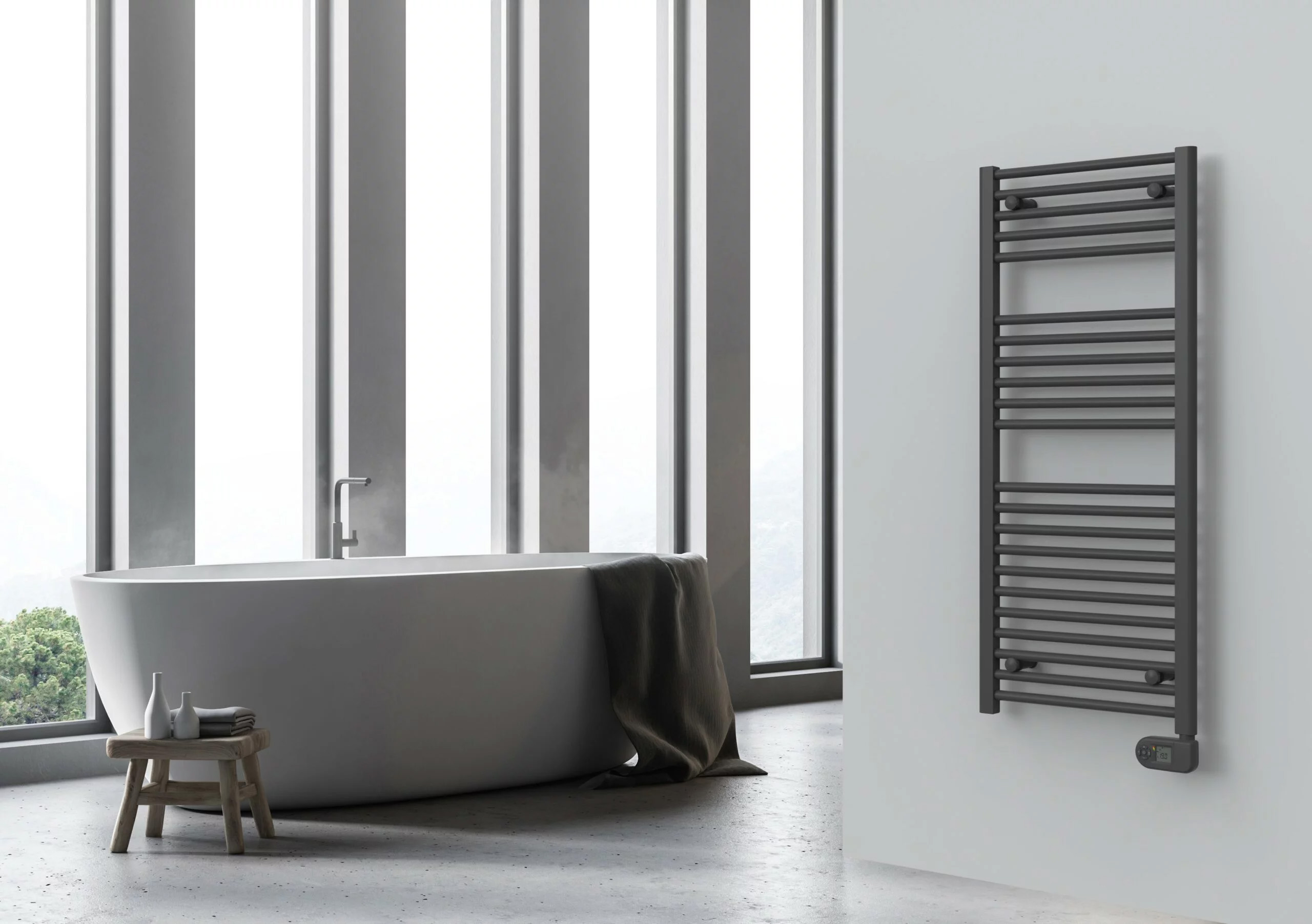
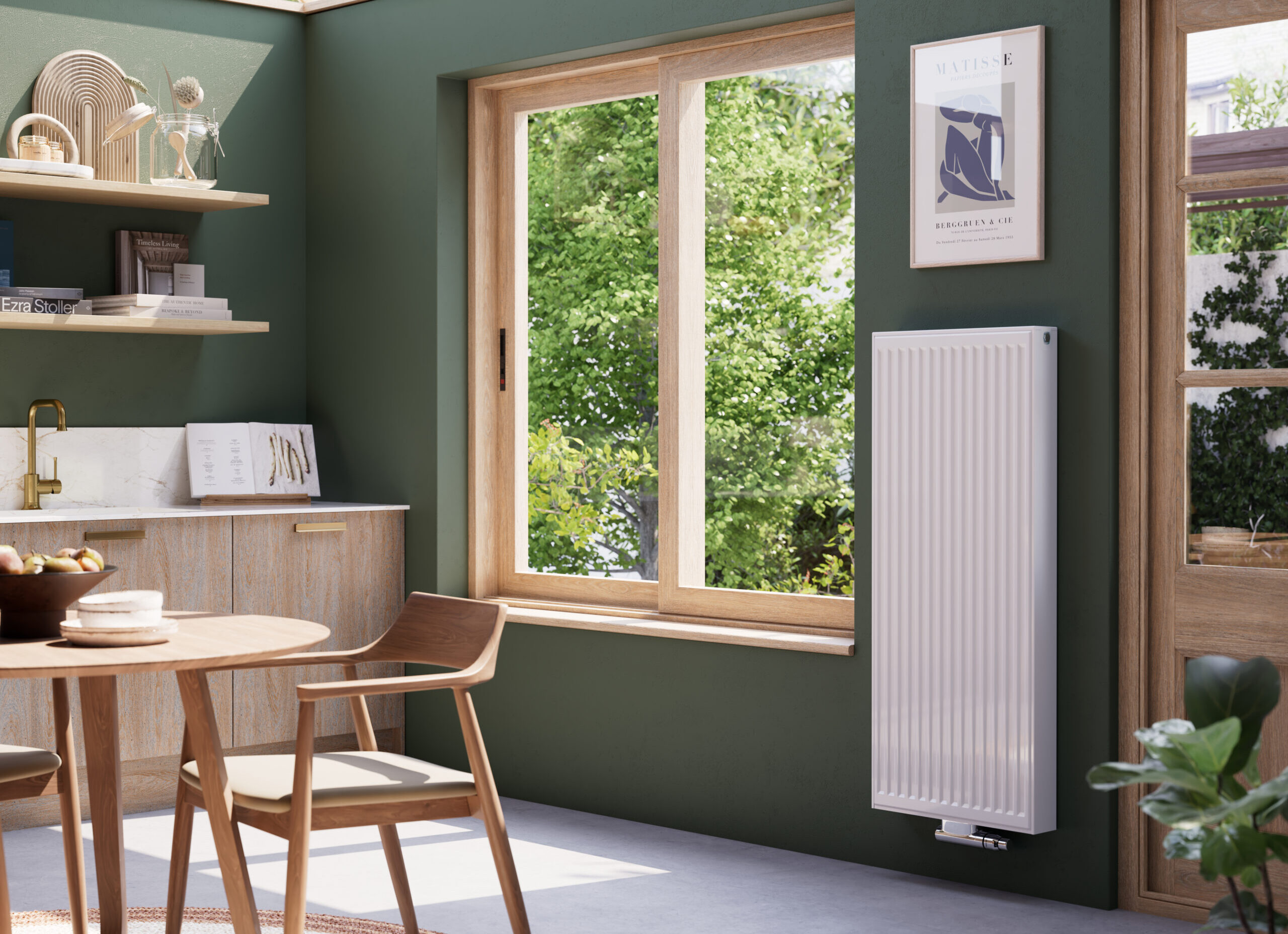
If your radiators feel lukewarm, take an age to warm a room, or run up bigger bills than they should, the answer is rarely a full replacement. In most cases, you can improve radiator heat output significantly with a handful of simple checks and adjustments. As the UK’s leading radiator specialists since 1936, we explain why radiators underperform and the proven steps that get more heat out of the radiators you already own, before spending anything on new ones.
How Can You Improve Radiator Heat Output Without Replacing Them?
You can improve radiator heat output without replacing them by bleeding trapped air, balancing the system so heat reaches every radiator evenly, flushing out sludge that blocks circulation, fitting reflector panels behind radiators on external walls, and keeping the front clear of furniture. These steps restore a radiator’s designed performance, and most can be done in an afternoon with basic tools rather than by a tradesperson.
Why Radiators Stop Heating Up Properly
Radiators lose performance over time for predictable reasons, and identifying the cause points you straight to the fix. The most common culprits are trapped air, internal sludge, poor balancing, and heat being lost to walls or blocked by furniture. None of these means the radiator itself has failed, which is why replacement is usually unnecessary.
- Trapped air collects at the top of a radiator, leaving it warm at the bottom and cold at the top.
- Sludge made of rust and debris settles at the bottom, leaving that area cold even when the top is hot.
- An unbalanced system sends too much hot water to radiators near the boiler and too little to those further away.
- Heat loss through external walls means warmth disappears behind the radiator instead of entering the room.
Bleed Your Radiators to Release Trapped Air
Bleeding is the single most effective fix for a radiator that is hot at the bottom and cold at the top. Trapped air rises to the top of the radiator and stops hot water from filling that section, so a large part of the surface never heats up. Releasing it lets water fill the whole radiator again and restores full output. Our guide on how to bleed a radiator covers the process, and you should bleed your radiators at least once a year, ideally before winter.
Balance Your Radiators So Heat Reaches Every Room
If some radiators get hot quickly while others stay cool, your system is unbalanced. Radiators closest to the boiler draw the most hot water, leaving those at the far end of the circuit short. Balancing your radiators adjusts the lockshield valve on each one so hot water is shared evenly across the system. A balanced system aims for around a 12°C difference between the flow and return pipework on each radiator, which means every room heats at a similar rate and no single radiator hogs the heat.
Flush Out Sludge That Blocks Heat Output
If a radiator is cold at the bottom but warm at the top, the likely cause is sludge, a build-up of rust, dirt, and scale that settles inside and blocks hot water from circulating. Flushing the radiator clears this out and restores even heating across the surface. A standard flush involves removing the radiator and rinsing it through with a hose until the water runs clear. For a system-wide build-up, a professional power flush forces high-pressure water and cleaning chemicals through the whole circuit to dislodge stubborn deposits.
Fit Reflector Panels Behind Radiators
Radiators mounted on external walls lose a portion of their heat into the wall behind them rather than into the room. Fitting reflective panels between the radiator and the wall bounces that heat back inward, improving the useful output without changing the radiator at all. These panels are inexpensive, fit behind the radiator without removing it, and make the most difference on solid external walls with little insulation.
Keep Radiators Clear and Maintained
Some of the biggest gains come from simply letting radiators do their job. Heat output drops sharply when airflow is blocked or the surface is dirty, and both are easy to put right.
- Move furniture and curtains away. A sofa or a long curtain in front of a radiator absorbs heat before it reaches the room. Leaving a clear gap lets warm air circulate properly.
- Dust and clean regularly. Dust on and inside a radiator insulates the surface and reduces heat transfer. A vacuum brush and a soft cloth keep output high.
- Use radiator shelves carefully. A shelf above a radiator can direct warm air out into the room rather than letting it rise straight up a cold wall or window.
- Avoid drying clothes on radiators. Damp washing draped over a radiator blocks the surface and forces your boiler to work harder for less warmth in the room.
When It Is Time to Replace a Radiator
If you have bled, balanced, flushed, and cleared a radiator and it still underperforms, the radiator itself may be at the end of its life or simply undersized for the room. Older radiators can corrode internally or be too small to heat a space that has been extended or opened up. In these cases, a modern, higher-output radiator will heat the room faster and more efficiently. Our high-output radiators are engineered to deliver maximum heat from a compact size, and the energy-efficient Green Series range performs strongly at lower flow temperatures.
Frequently Asked Questions
How can I make my radiators give out more heat?
Bleed them to release trapped air, balance the system so heat is shared evenly, flush out any sludge, and fit reflector panels behind radiators on external walls. Keeping the front clear of furniture and dusting the surface also improves output. These steps restore a radiator’s full performance without replacing it.
Why is my radiator not heating up properly?
The usual causes are trapped air at the top, sludge at the bottom, an unbalanced system, or a boiler flow temperature set too low. Bleeding and balancing fix most cases. If a radiator stays cold after these checks, the valve may be stuck, or circulation may be restricted, which needs a closer look.
Do radiator reflector panels actually work?
Yes. Reflector panels reduce heat lost into external walls by reflecting it into the room, which improves the useful heat output of radiators on those walls. They make the most difference on solid, poorly insulated external walls and are a low-cost upgrade that does not require removing the radiator.
Does bleeding a radiator improve its heat output?
Yes. Trapped air stops hot water from filling the top of a radiator, so bleeding it allows the whole surface to heat up again and restores full output. It is the quickest and most effective fix for a radiator that is warm at the bottom and cold at the top. If a radiator stays cold after bleeding, balancing or flushing is usually the next step.

 Next Working Day Delivery£18 For Next Working Day Delivery On All Products*When ordered before 2pm.*T&Cs apply