If your radiator is cold at the bottom but warm at the top, this may be due to a build-up of rust, dirt and debris inside your radiator that’s causing it to not work as effectively as it should be. And if this happens, you can find yourself paying more for heating your home due to the lack of heat that’s being emitted.
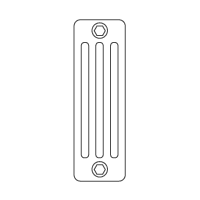
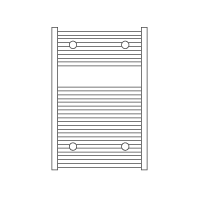
Everyone knows that heat rises, so you may not think that your radiator being hot at the top and cold at the bottom is cause for concern, however, all radiators, whether that’s vertical radiators, column radiators or standard radiators, are specially designed to evenly distribute the heat once your central heating has kicked in so your radiator should be hot to touch all the way around. If you’re finding yourself asking ‘why is my radiator cold at the bottom?’, it may be time to call the plumber or look at fixing it yourself. Here, we’ll discuss why your radiator is cold at the bottom and how you can fix it.
How do Radiators Work?
To understand why your radiator is cold at the bottom, it’s important to understand how radiators and your central heating system work to begin with.
Water is heated by your boiler and is then entered into a double loop of pipework that eventually returns back to the boiler so that it can be reheated after it has cooled down. The pipework branches off to reach the radiators that are in your home; each radiator takes hot water from the loop into one side and circulates it around the radiators before passing it to the return loop to leave on the other side.
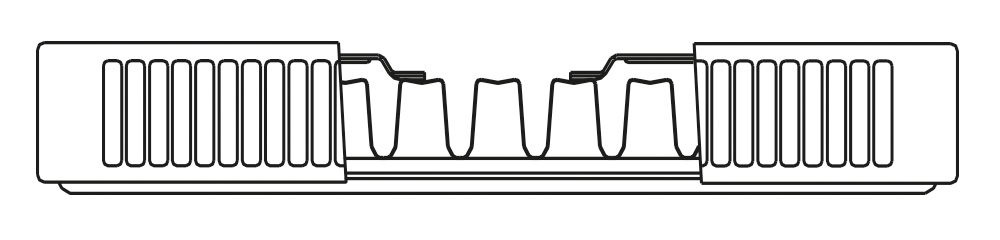
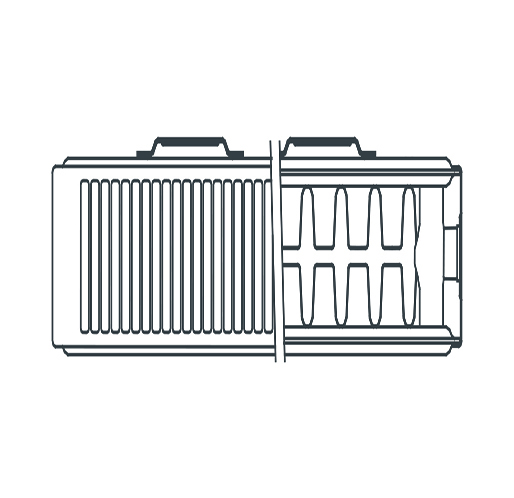
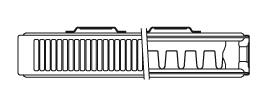
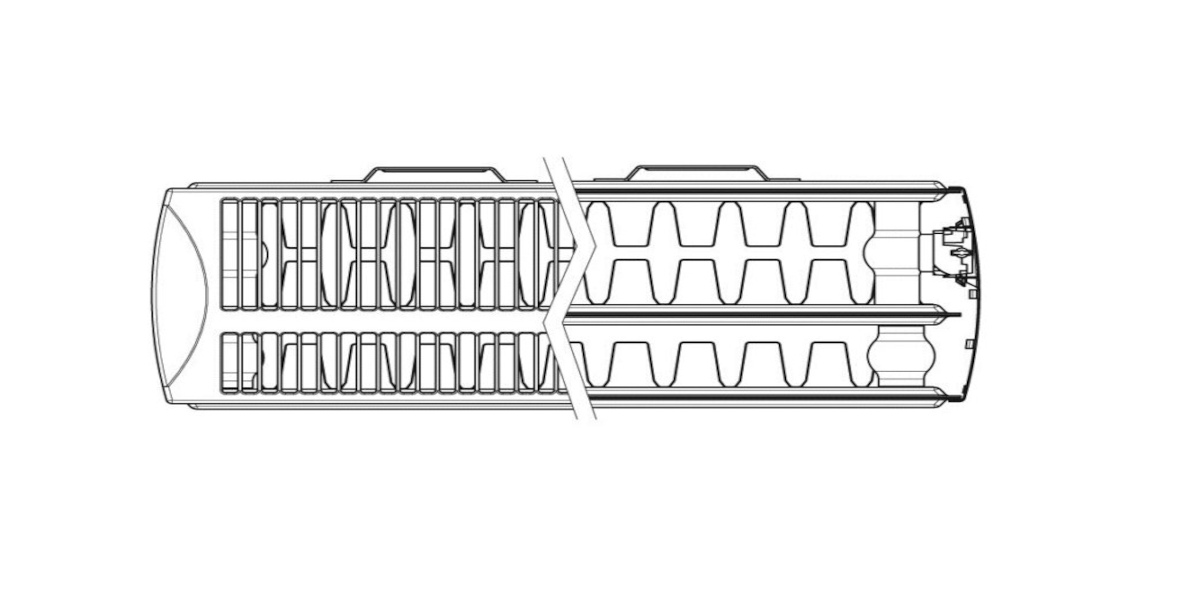
Inside each radiator, the hot water is directed through channels that keep it flowing sideways and then upwards and downwards before exiting. This means that the whole surface is covered with constantly moving hot water whilst your central heating is on. When your central heating is turned off, the flow will stop and your radiators will begin to cool down.
Radiator Cold at The Bottom Reasons
If your radiator is cold at the bottom but hot at. The top, this means that the flow of water is being restricted or redirected usually by a build-up of sludge in the radiator and the hot water isn’t reaching the whole area of the radiator whilst the central heating is on. The sludge is generally found in the bottom and middle of your radiator appliance which is why your radiator is hot at the top and cold at the bottom.
Most of the time, the reason that your radiator is warm at the top and cold at the bottom is due to a build-up of sludge and grime. Because most radiators are made out of steel or iron, compounds will gradually be created over time as the water passes over them. Magnetite and haematite (forms of iron oxide) are the biggest problems when it comes to sludge in your radiator, however, a build-up of limescale can also be a culprit that can cause grime to accumulate.
If just one radiator is hot at the top and cold at the bottom, it’s likely to be an issue with the individual radiator rather than your overall heating system. In most cases, the radiator may need a good clean through flushing or power flushing. You can do this yourself or you can contact a plumber to do this for you.
Solutions For if Radiator is Hot at The Top and Cold at The Bottom
There are a couple of different solutions for why your radiator is cold at the bottom. Both require cleaning out your radiator so that the sludge, dirt and debris that has collected in your radiator can be removed.
Flush Your Radiator
You can easily flush your radiator system to get rid of all the sludge that is built up. The sludge is usually made up of rust, dirt and scale that has built up over time and therefore needs to be removed. The sludge can prevent the hot water from circulating correctly and, if left for too long, can cause major problems that your plumber will need to fix. To flush your radiator, you can simply remove the radiator from the wall by turning your valves off and draining the radiator before removing it from the wall and taking it outside to flush. A hosepipe can be connected to the side of the radiator to flush out all the sludge and then the other side until the water runs clear.
Power Flush Your Radiator
A power flush may be required if you still experience problems following re-attaching it to the wall. It’s basically the same operation as a normal flush, but instead a professional will need to force high-pressure water through the system with special chemicals that can dislodge and clean out the stubborn sludge that remains. Although it’s possible to do this yourself, we recommend getting help from an experienced professional.
Prevent Your Radiator from Getting Cold at The Bottom
To stop yourself from asking the same question ‘why is my radiator cold at the bottom?’. It’s important to take preventative measures. As the problem is usually due to sludge build-up at the bottom of the radiator, we recommend putting an inhibitor into the system to slow down the chemical reactions that cause the iron oxides to form, so you get a lot more life out of the system. Using a chemical inhibitor is required so that you comply with the industry benchmark best practice scheme; so now it is more important than ever to look after your radiators and provide regular checks and maintenance.
Takeaway
Why your radiator is cold at the bottom is usually due to a build-up of sludge and grime that has accumulated over time. You can fix this by flushing your radiators or calling a plumber. However, the best solution is always prevention in the first place, so invest in a chemical inhibitor so that you get more life out of your radiators in the long run!

 Next Working Day Delivery£18 For Next Working Day Delivery On All Products*When ordered before 2pm.*T&Cs apply