A holiday home is not just a smaller version of your main house. It is empty for weeks at a time, exposed to frost when nobody is there to notice, expected to feel warm within minutes of guests arriving, and very often miles away from the owner who has to pay the bills. That mix of demands shapes what a good radiator looks like for these properties, and it is rarely the same specification you would put in a primary residence.
We have been making radiators in the UK since 1936, and over those nine decades we have helped tens of thousands of holiday home and second property owners get their heating right. This guide brings together what we have learned about choosing radiators for intermittent occupancy, frost protection, remote control and low-maintenance ownership, with practical recommendations from across our electric radiator range and steel panel collections.
Why heating a holiday home is different to a primary residence
A primary residence is occupied most of the time. Heating runs to a familiar daily pattern, problems are spotted within hours, and comfort is the only real priority. A holiday home or second property faces four pressures that simply do not exist in the same way at your main address.
First, occupancy is unpredictable. The property may be empty for two months in November and full for fourteen weekends in summer. Second, the weeks of unoccupancy fall during the coldest parts of the UK winter, which creates a significant risk of frozen pipes and the burst-pipe insurance claims that follow. Third, when guests arrive, they expect a warm property within thirty minutes, not three hours. Fourth, you are unlikely to be on site to handle problems, so the radiators you choose need to be reliable, easy to operate remotely and forgiving in terms of maintenance.
Each of those pressures pulls the specification in a slightly different direction, and the right radiator for a holiday home is the one that handles all four at once.
Key features to look for in radiators for holiday homes
Six features matter more in a holiday let or second property than they do in a main residence. The radiators that perform best in this environment combine most or all of these capabilities.
Frost protection mode
A radiator with frost protection holds the room above a low set temperature (typically 6 to 7°C) automatically, so the property never falls into freezing territory. The Association of British Insurers notes that most modern thermostats and radiator valves include an anti-frost setting, often marked with a snowflake symbol, which is essential between November and March when burst pipes account for a significant share of UK home insurance claims.
High energy efficiency rating
Radiators that heat up quickly with less water in the system convert energy more efficiently. Modern steel panel radiators with optimised water content, such as those in our energy efficient radiator range, reach target temperatures faster than older models, which matters when you only have an hour to warm the cottage before guests turn up.
Fast warm-up time
Aluminium and modern steel panel radiators reach temperature far faster than cast iron or older heavy-water systems. For a holiday home, the metric that matters is not “how long does it stay warm” but “how quickly does it reach temperature on demand”, because guests judge the property by how it feels in the first thirty minutes.
Low-maintenance design
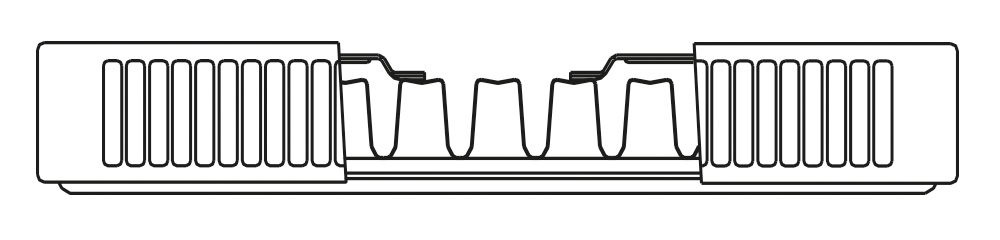
Sealed steel panel construction, fewer joints, factory-finished paint, and Kitemarked manufacture under BS 442 all reduce the risk of an unexpected call to a local plumber. Every Stelrad radiator is Kitemarked, and most of our horizontal steel panel radiators come with a 10-year warranty, with the Softline carrying 15 years.
Aesthetic suitability for guest-facing rooms
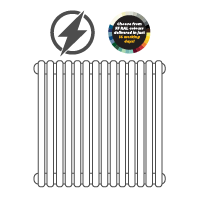
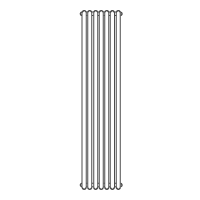
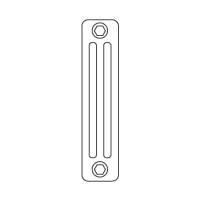
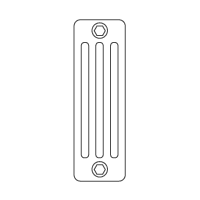
Holiday lets compete on first impressions. Heating that looks like an afterthought can pull a five-star review down to a four. Vertical radiators, anthracite finishes and column styling all add character without sacrificing performance, and our designer radiator range covers everything from minimalist flat-panel to traditional column.
The best radiator types for holiday homes and holiday lets
Most holiday properties suit one of four radiator types, and the right choice usually depends on whether you have mains gas, the age of the building, and how the property is positioned in the rental market.
Smart electric radiators for off-grid cottages
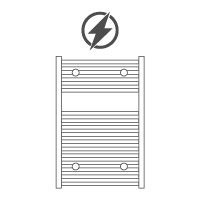
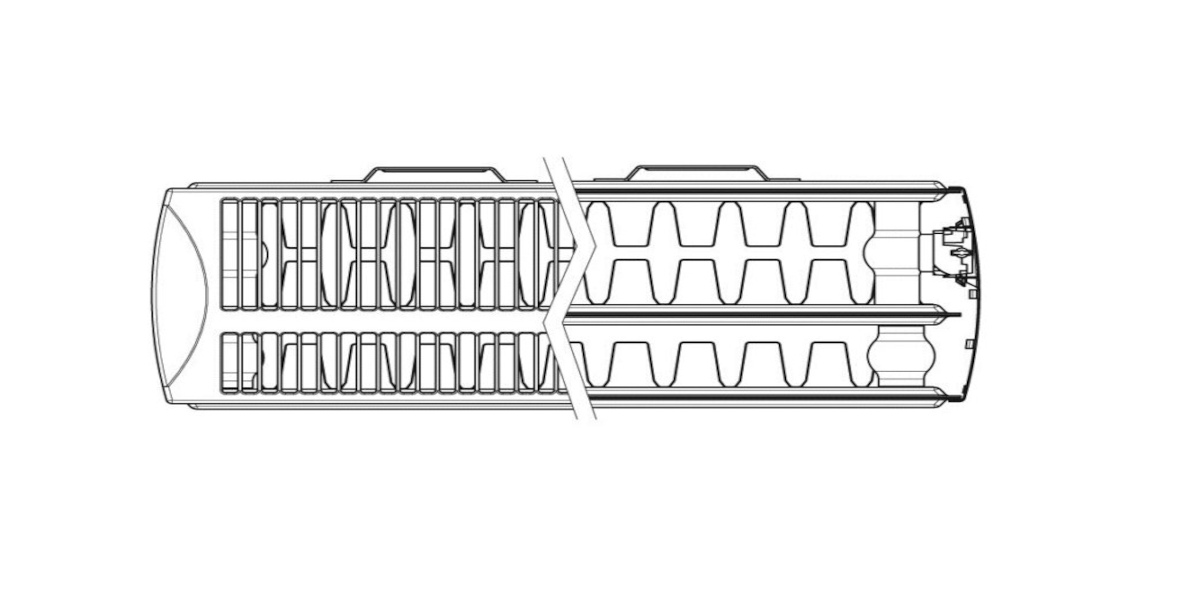
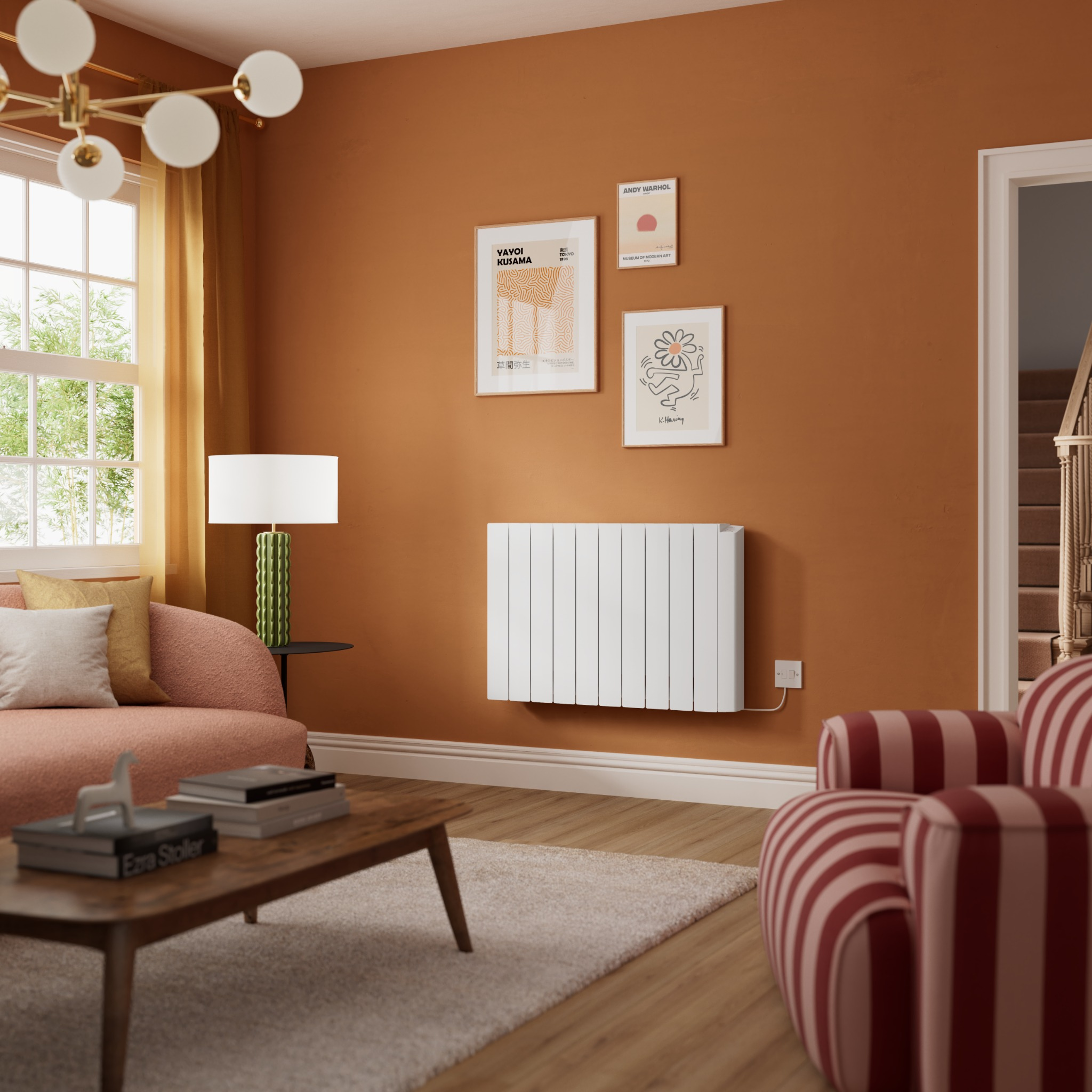
Many rural UK holiday cottages have no mains gas connection. Wood burners and oil tanks have their place, but they are not the right answer for everyday heating, particularly when you are managing the property remotely. Efficient electric radiators sidestep the problem entirely. Each unit heats independently, draws no plumbing through the building, and can be installed room by room as the budget allows. Our Electric Series is built for this scenario, with programmable thermostats and remote controls or LCD control panels as standard.
Compact panel radiators for wet central heating systems
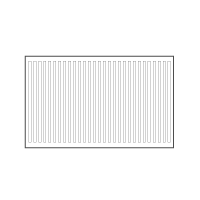
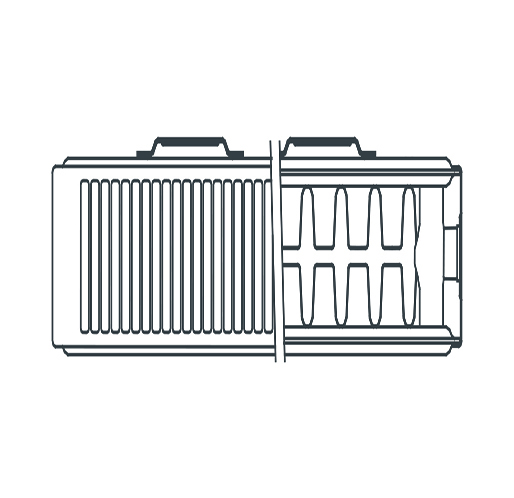
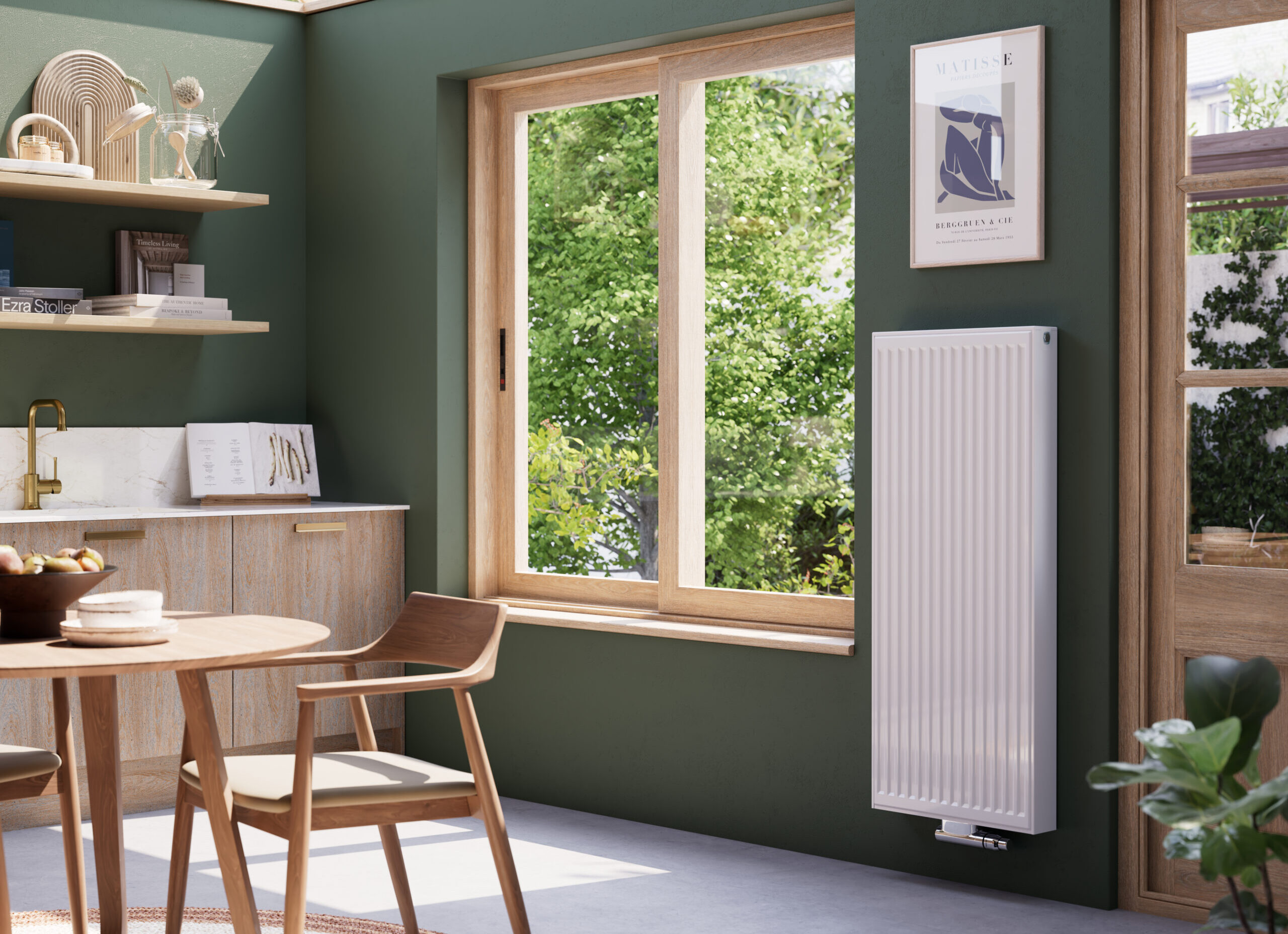
If the property has gas or oil-fired central heating, a compact steel panel radiator paired with smart thermostatic radiator valves is hard to beat for value. The Stelrad Compact range is the UK’s best-selling radiator family for good reason: high heat output for the size, low water content, sealed construction and a 10-year warranty. Add smart TRVs for room-by-room control via your phone.
Heated towel rails for guest bathrooms
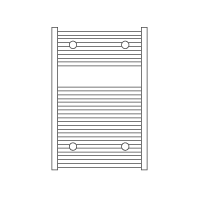
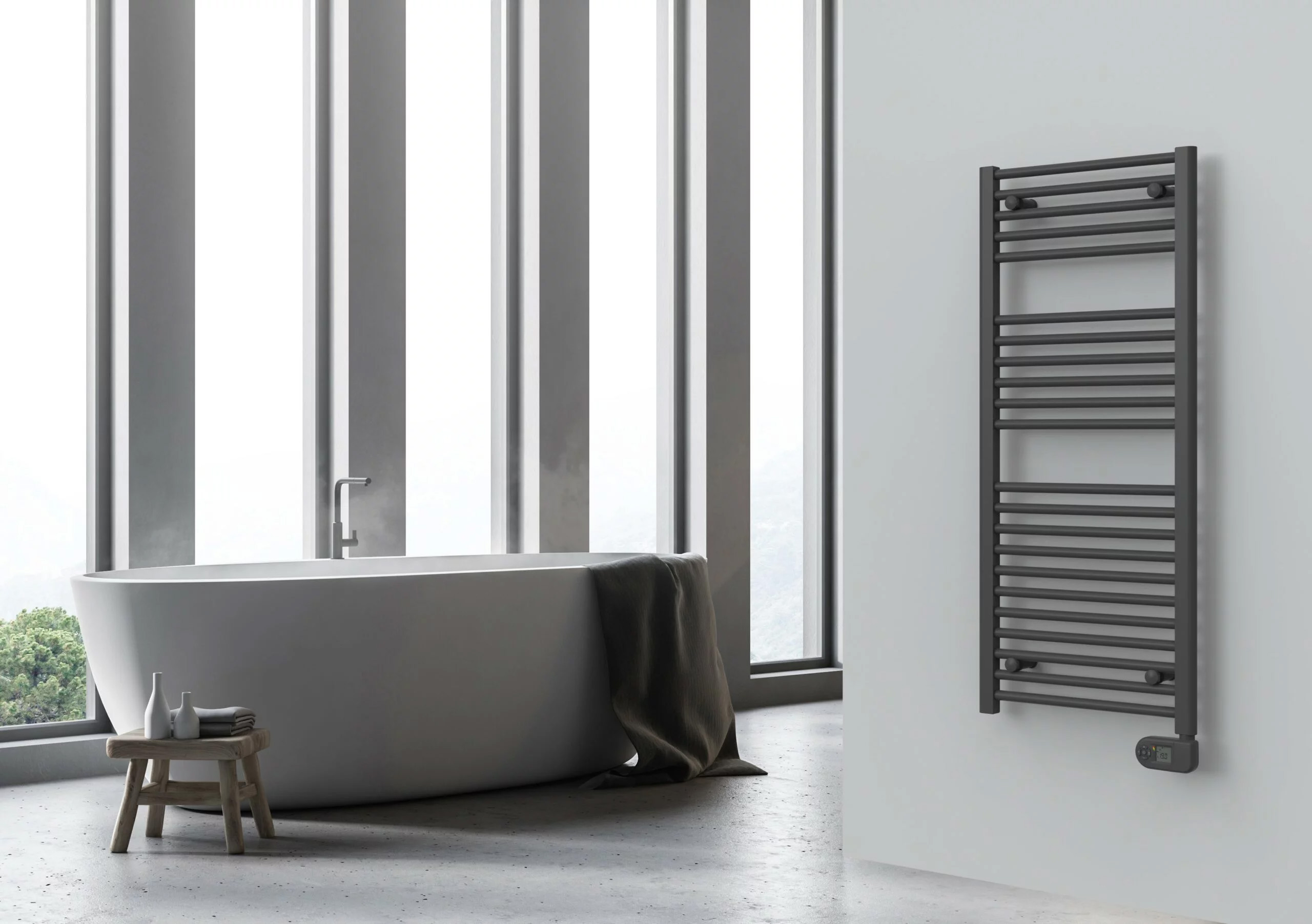
Bathroom heating decides more guest reviews than any other room. A cold bathroom on a winter morning is one of the fastest ways to lose a five-star rating. A dual-fuel towel rail keeps towels dry and the room warm even when the rest of the heating is off, which is particularly useful between guest changeovers. Our towel rail radiators include dual-fuel and electric-only options to suit either system.
Designer radiators for premium and boutique lets
At the higher end of the market, where nightly rates depend on the look and feel of the property, the radiator becomes part of the interior design. Vertical column radiators, anthracite and chrome finishes, and bespoke colours all work harder than a standard white panel. The premium tariff a stylish let can charge typically pays back the additional radiator spend within a single season.
Should you leave the heating on in an empty holiday home?
For most of the UK winter, yes. The safer practice is to leave the heating set to a low minimum temperature (typically 7 to 12°C) rather than switching it off completely, because frozen and burst pipes are far more expensive to fix than a slightly higher fuel bill.
The Association of British Insurers advises that smart thermostats and modern radiator valves include an anti-frost setting (often marked with a snowflake symbol) which keeps the system ticking over just enough to prevent freezing. Most UK home insurance policies also include conditions about heating during unoccupied periods, and many insurers stipulate either a minimum continuous temperature or a fully drained system as a condition of cover. Failing to meet those conditions can invalidate a claim.
A practical rule for most holiday homes is to set the heating to come on briefly during the coldest part of the night (around 03:00 to 07:00), hold the thermostat at 12 to 15°C across an extended absence, and use frost protection settings on individual radiators in vulnerable rooms. Always check the specific terms of your holiday home or unoccupied property insurance, because the conditions vary significantly between providers.
How to size radiators for a holiday home
Sizing matters more in holiday properties than in a main residence, because guest bookings depend on the property reaching temperature quickly. An undersized radiator will run flat out and never warm the room properly. An oversized one wastes energy and money for no comfort benefit.
The correct radiator size is calculated using British Thermal Units (BTU), which measures the heat output a room needs based on its dimensions, the number and type of windows, the level of insulation, and exposure (a corner room with two external walls will lose far more heat than an internal one). UK holiday cottages tend to be older and less well insulated than modern housing stock, so the BTU figure is often higher than owners expect.
Stelrad offers two free tools to take the guesswork out of this. Our Heat Loss BTU Calculator gives you the heat output each room needs, and our Radiator Size Search then matches that figure to specific products in the right dimensions. For a deeper explanation of the methodology, our advice hub on heat loss programmes covers the calculations in more detail.
Stelrad’s recommendations by holiday property type
Three property profiles cover most of the UK holiday-home market. Here is how we typically specify each one.
A rural cottage with no mains gas works best with electric radiators throughout. The Electric Series handles this scenario without needing any wet system, and individual room control keeps running costs in check. This setup is also the easiest to expand room by room if you renovate in stages.
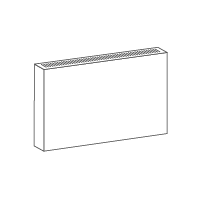
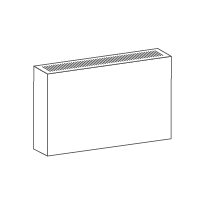
A standard holiday let with existing wet central heating is best served by compact steel panel radiators paired with smart TRVs. The Compact range gives reliable heat output, low water content (so faster warm-up) and a 10-year warranty. For awkward spaces such as under-window seats in older cottages, our low-level and floor-standing radiators work where standard heights do not fit.
A premium boutique let benefits from designer radiators in the main living spaces and master bedroom, paired with heated towel rails in every bathroom. The combined cost is usually recovered within one summer season through higher booking rates and stronger reviews.
Frequently asked questions about radiators for holiday homes
What is the most energy efficient radiator for a holiday home?
The most energy efficient option is usually a modern steel panel radiator with low water content (such as the Stelrad Compact) on a wet central heating system, or a programmable electric radiator for properties without mains gas. Both heat up quickly, hold target temperatures accurately and use less energy than older models or storage heaters.
Are electric radiators expensive to run in a holiday home?
Smart electric radiators cost more per unit of heat than mains gas, but they only run when called for, only in occupied rooms, and only at the temperature scheduled. For a property used 12 to 20 weeks a year, the precise control of a smart electric system usually offsets the higher unit cost over an annual cycle.
Should you leave the heating on in an empty house in winter?
Yes, in most cases. Leaving the heating set to a minimum of 7 to 12°C, or using a frost protection setting on the thermostat, prevents pipes from freezing and avoids the most common cause of cold-weather insurance claims. Always confirm the specific requirements of your unoccupied property or holiday home insurance policy before each winter.
What is the best heating for a holiday let?
For lets with existing wet central heating, modern compact steel panel radiators with smart TRVs offer the best balance of cost, warm-up speed and reliability. For off-grid lets without mains gas, smart electric radiators are the strongest option because they need no plumbing, install room by room, and offer full app control.
How do you protect a holiday home from frost in winter?
Set the heating to a frost protection mode (a snowflake symbol on the thermostat or radiator valve), keep the system on a low minimum temperature even when the property is empty, insulate exposed pipework in lofts and external walls, and arrange regular property inspections. These four steps together prevent the vast majority of frost damage.
How long can a holiday home be left empty?
Most UK holiday home insurance policies allow up to 60 consecutive days of unoccupancy as standard, compared with around 30 days for a standard home insurance policy. Beyond 60 days, dedicated unoccupied property insurance is usually required, and additional conditions (such as continuous heating or drained water systems) often apply.
Can radiators be controlled remotely?
Yes. Wet central heating systems can be retrofitted with smart TRVs and a smart thermostat, which gives you remote control over each radiator from a phone app, including holiday and frost protection modes for periods of unoccupancy.
Get the right radiators for your holiday home
The right radiators turn a holiday home from a property that has to be managed into one that largely manages itself. They warm up before guests arrive, hold the property safely above freezing while it sits empty, look the part in photographs, and keep maintenance calls to a minimum.
Use our Heat Loss BTU Calculator to size each room properly, browse our electric radiator range for off-grid cottages, or contact our specification team if you would like a tailored recommendation for your property. We have been keeping UK homes warm since 1936, and we are happy to do the same for yours.

 Next Working Day Delivery£18 For Next Working Day Delivery On All Products*When ordered before 2pm.*T&Cs apply