Working from home full-time changes what you need from your heating. For most indoor home offices connected to central heating, a compact panel radiator is the most practical and cost-effective choice. For garden offices and loft conversions without pipework, an electric radiator is the go-to solution.
According to the ONS, around 40% of working adults in Great Britain now work from home either full-time or on a hybrid basis, meaning spare bedrooms, box rooms, loft conversions, and garden offices are permanent workspaces for millions of people. A room you occupy for eight hours a day, five days a week, has very different heating demands from a bedroom that only needs to be warm by the time you turn in.
Getting it right matters more than it might seem. This guide covers the best radiator types for indoor and garden home offices, how to size them correctly, where to position them, and what they’ll cost to run.
What Does a Home Office Radiator Need to Do Differently?
A home office is not the same as a living room or bedroom, and your radiator needs to reflect that. You are typically occupying the space for eight or more hours a day, five days a week. You need consistent, controllable warmth that responds quickly to temperature changes and does not send your energy bills through the roof.
There are a few specific demands a home office places on a radiator that other rooms do not. First, you need precise temperature control. The Health and Safety Executive recommends a minimum workplace temperature of 16°C for sedentary work, though some people find 18°C to 21°C the comfortable sweet spot for desk-based tasks. Hitting and maintaining that range without constant fiddling requires a radiator paired with a good thermostatic radiator valve (TRV).
Second, noise matters. You might not notice a ticking or gurgling radiator while watching television, but you will absolutely notice it during a video call with a client. Panel radiators tend to be quieter than older cast iron models, partly because they hold less water and partly because modern manufacturing tolerances reduce the expansion noises that cause ticking and clicking.
Third, space is often limited. Home offices are frequently the smallest rooms in the house, so you need a radiator that delivers adequate heat output without dominating the wall space you need for desks, shelving, or monitors.
Best Radiator Types for Home Offices Inside the House
If your home office is a converted spare bedroom, box room, or part of a larger room, it will already be connected to your central heating system. That gives you the widest choice of radiator types, and the best option depends on the size of the room and how you use the space.
Compact Panel Radiators
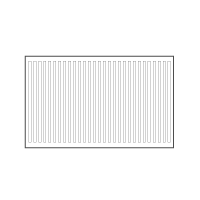
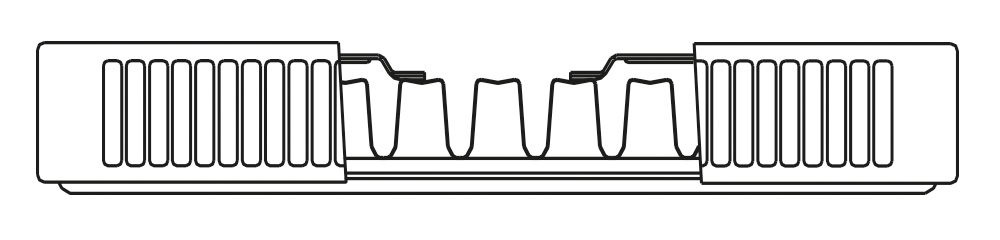
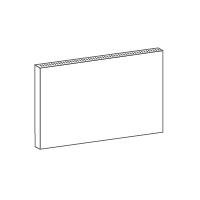
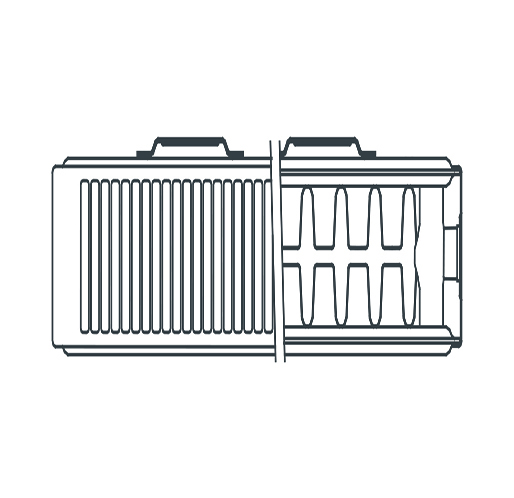
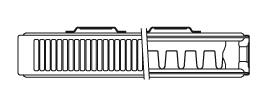
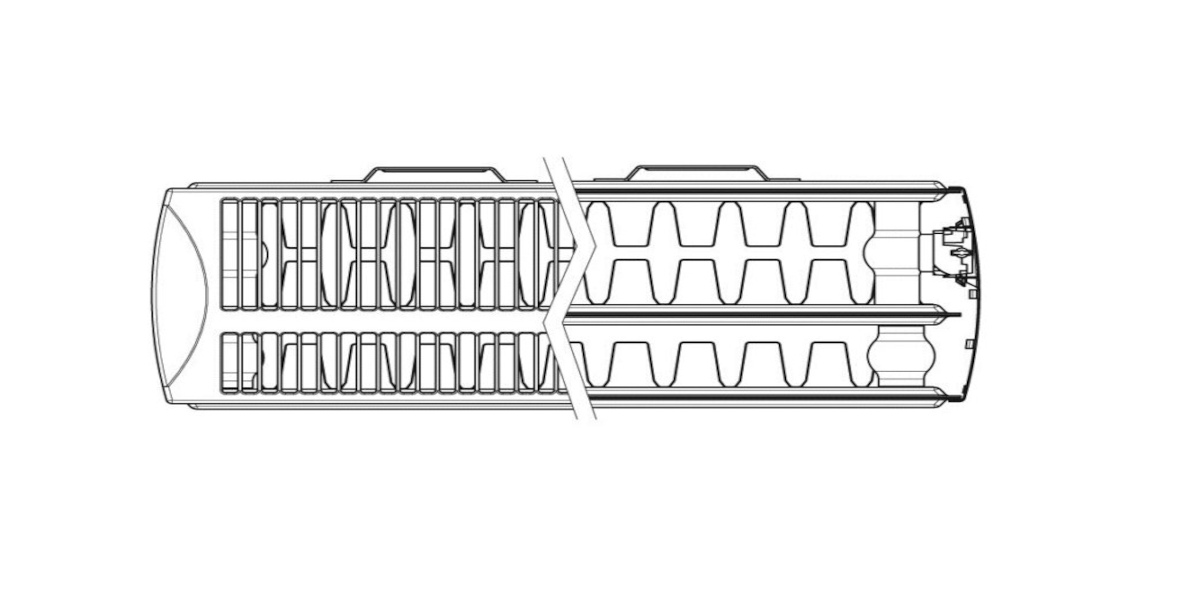
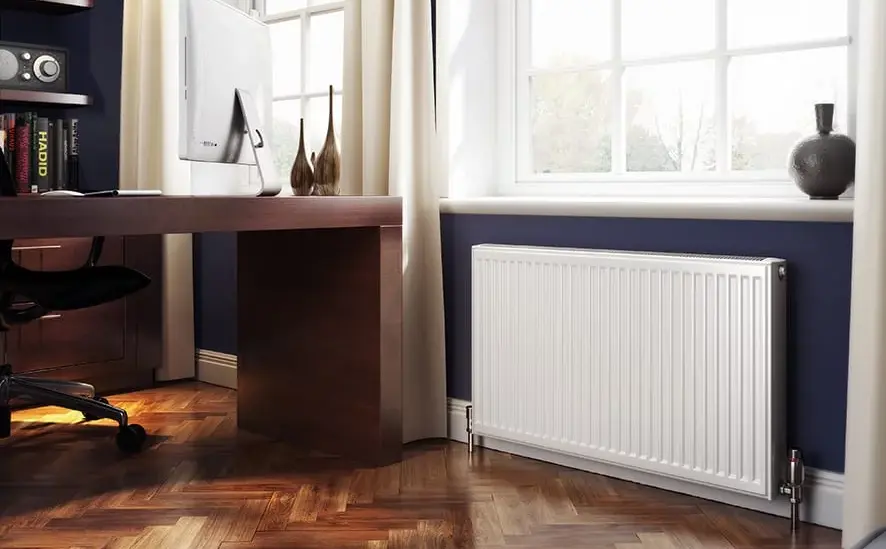
For most indoor home offices, a compact panel radiator is the most practical choice. These are the workhorses of the radiator world, and for good reason. A single panel radiator with a convector fin (known as a Type 11 or P1) provides a good balance of heat output and slim depth, which is ideal when desk space is tight. For slightly larger rooms, a double panel single convector (Type 21 or P+) or double panel double convector (Type 22) offers higher BTU output without needing a significantly longer radiator.
The Compact range, manufactured at our Mexborough facility in South Yorkshire, is the UK’s best-selling panel radiator series. These radiators are available in a huge range of sizes, so finding one that fits the specific dimensions of your office wall is rarely a problem. A 600mm x 1000mm Type 22, for example, produces around 5,000 BTUs, which is more than enough for a typical 3m x 3m box room with standard insulation.
Designer Radiators for Visible Office Spaces
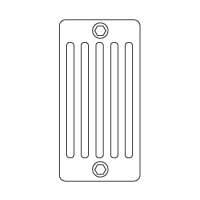
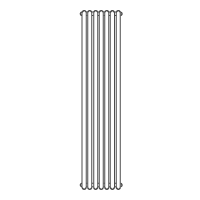
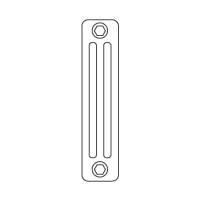
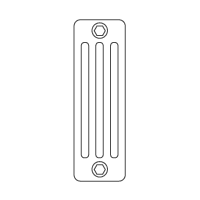
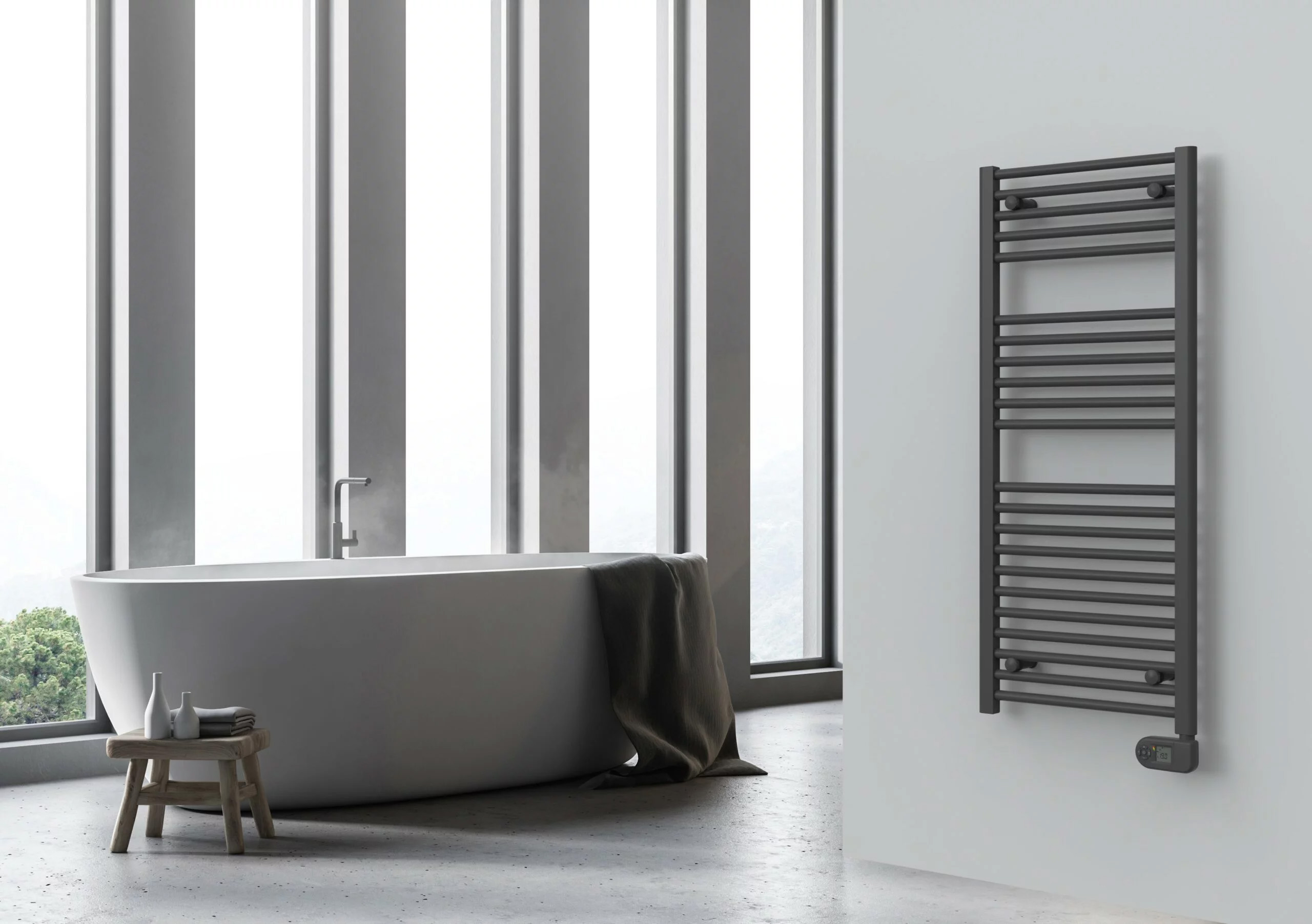
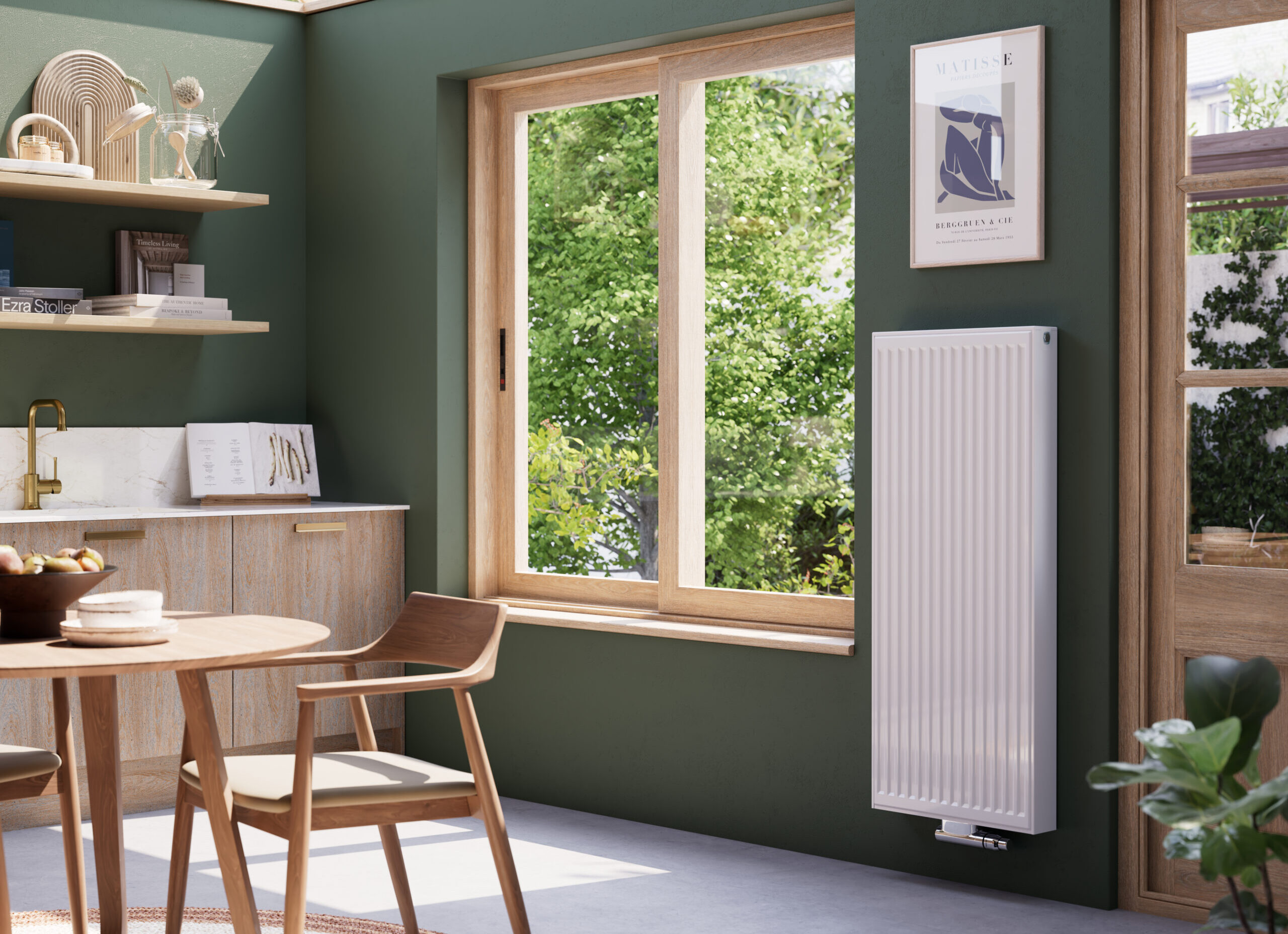
If your home office doubles as a space clients see on video calls, or if it is part of an open-plan area, aesthetics matter more. Flat-fronted panel radiators and vertical column styles offer a cleaner, more contemporary look without sacrificing heat output. Stelrad’s range of designer radiators includes vertical models that take up less wall width, freeing up horizontal space for furniture. A vertical radiator mounted on a narrow section of wall between a window and a door can be a genuinely smart use of space that a traditional horizontal radiator simply cannot match.
When Does an Electric Radiator Make Sense Indoors?
In most cases, connecting to your existing central heating system is the most cost-effective approach for an indoor home office. However, there are situations where electric radiators make more sense. If your office is in a loft conversion where running new pipework would be disruptive and expensive, an electric radiator avoids the need for plumbing entirely. The same applies to extensions or converted garages where the existing boiler may not have the capacity to serve an additional radiator.
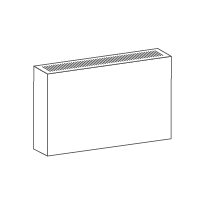
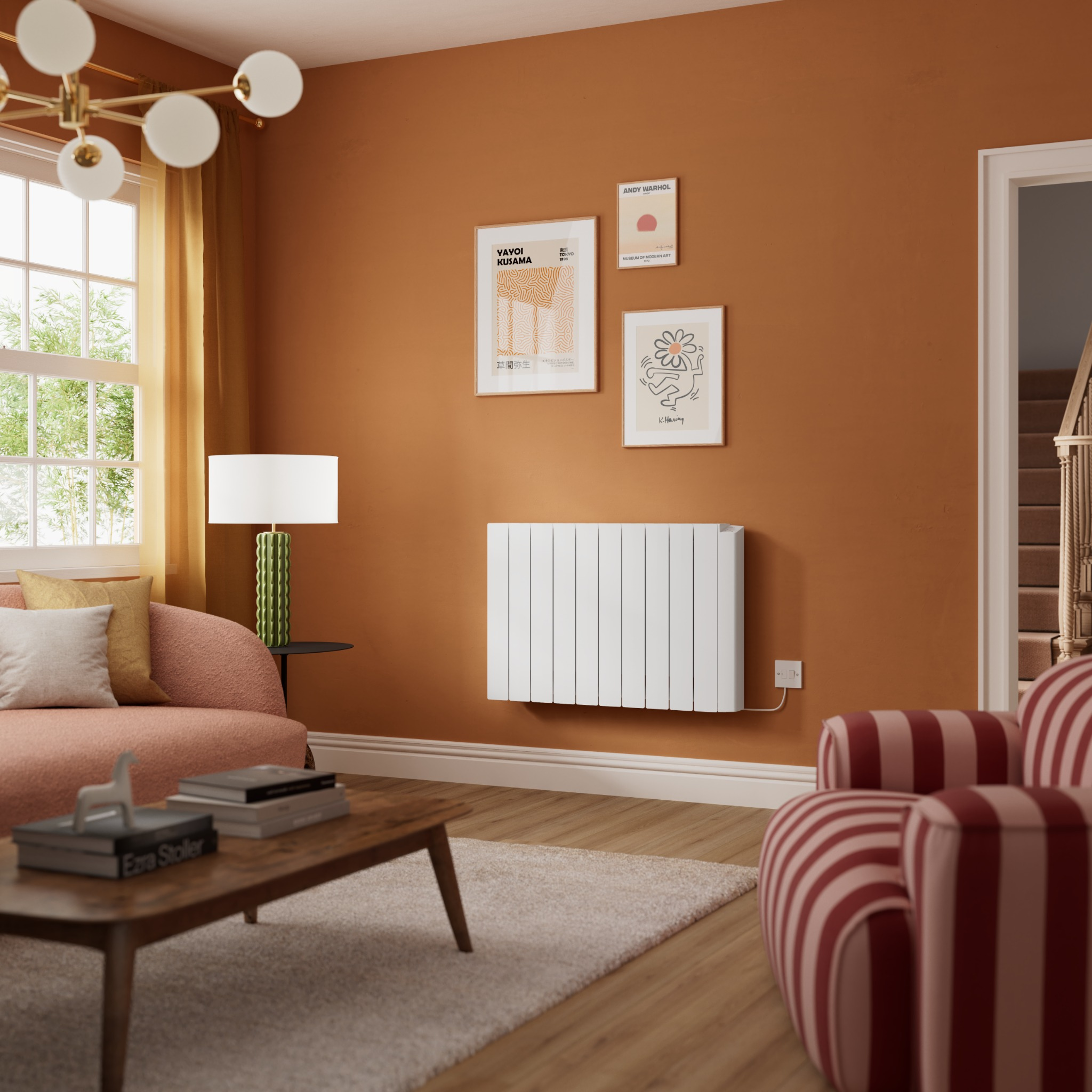
Modern electric radiators are far removed from the old plug-in oil-filled units that used to guzzle electricity. Stelrad’s electric radiator range includes models with built-in digital thermostats and programmable timers, giving you the precise control a home office demands. They heat up quickly, maintain temperature accurately, and can be programmed to warm the room before you start work and switch off when you finish.
Best Radiator Types for Garden Offices
Garden office heating is a completely different challenge from heating a room inside your house. A garden room is essentially a standalone structure, usually timber-framed, that sits outside the thermal envelope of your main property. That means it loses heat faster, it is harder to keep warm in winter, and in many cases, it has no connection to your home’s central heating system.
Why Garden Room Heating Requires a Different Approach
The key issue with garden offices is insulation, or rather, the relative lack of it compared to a brick-built house. Even a well-insulated garden room with 50mm Celotex or Kingspan in the walls, floor, and roof will lose heat more quickly than an equivalent room in your home. The surface-area-to-volume ratio is higher (more external walls relative to the space inside), and many garden offices have large, glazed areas that, while lovely for natural light, are significant sources of heat loss.
This means your garden office radiator needs to be slightly oversized compared to what you would choose for an equivalent indoor room, and it needs to respond quickly. You do not want to wait 45 minutes for the room to warm up before you can start working.
Electric Radiators for Garden Offices
For most garden offices, electric radiators are the go-to solution. Running central heating pipes from your house to an outbuilding is technically possible, but it typically involves digging a trench across your garden, lagging the pipes against frost, and potentially upgrading your boiler to handle the additional load. The cost and disruption rarely justify it.
Electric radiators need only a suitable electrical supply, which most garden offices already have or can have installed relatively straightforwardly by a qualified electrician. A dedicated radial circuit with a 20A or 32A supply is usually sufficient for one or two electric radiators, depending on their wattage.
For a typical garden office of around 3m x 3m with standard insulation, you are looking at roughly 1.5kW to 2kW of heating capacity. A single 1500W electric radiator may suffice in a well-insulated space, but in many cases, two smaller units positioned on different walls provide more even heat distribution and avoid cold spots.
Can You Use a Wet System Radiator in a Garden Office?
If your garden office already has underfloor heating or a standalone boiler system, then yes, wet system radiators are perfectly viable. Some larger garden rooms designed for year-round use do come with their own mini heating systems. In these cases, a compact panel radiator connected to the system works exactly as it would inside the house. However, this setup is the exception rather than the rule for most garden offices in the UK.
How to Size a Radiator for a Home or Garden Office
Getting the size right is the single most important decision you will make. An undersized radiator will struggle to heat the room, leaving you cold and running the heating constantly. An oversized radiator will overshoot the target temperature, waste energy, and cost you more to run.
What Affects the BTU Requirement?
BTU stands for British Thermal Unit, and it is the standard measurement of a radiator’s heat output. The number of BTUs your office needs depends on several factors:
- Room dimensions: Length, width, and ceiling height determine the volume of air that needs heating.
- Insulation quality: A well-insulated room with cavity wall insulation and double glazing needs fewer BTUs than a poorly insulated space.
- Number and size of windows: Glass loses heat roughly three times faster than an insulated wall. Large windows or French doors in a garden office significantly increase the BTU requirement.
- External walls: A room with one external wall (like a mid-terrace box room) loses less heat than a garden office where every wall is external.
- Floor type: Suspended timber floors lose more heat than concrete slab floors.
- Desired temperature: The standard calculation assumes a room temperature of 21°C, which is appropriate for a home office.
Using a BTU Calculator
The most reliable way to determine the right radiator size for your office is to use a BTU calculator. Stelrad’s online tool asks for your room measurements, insulation type, glazing, and other variables, then provides a recommended BTU output. This takes the guesswork out of the process and helps you choose a radiator that is properly matched to the space.
As a rough guide, the table below shows approximate BTU requirements for common home office sizes with average insulation and double glazing:
| Room Size |
Room Type |
Approximate BTU Requirement |
| 2m x 2m (box room) |
Indoor, one external wall |
1,500 – 2,000 BTUs |
| 3m x 3m (spare bedroom) |
Indoor, one external wall |
3,000 – 4,000 BTUs |
| 4m x 3m (larger bedroom) |
Indoor, two external walls |
4,500 – 5,500 BTUs |
| 3m x 3m (garden office) |
Standalone, all walls external |
4,500 – 6,000 BTUs |
| 4m x 3m (garden office) |
Standalone, all walls external |
6,000 – 8,000 BTUs |
Notice the significant difference between an indoor room and a garden office of the same size. That additional heat loss through external walls and potentially thinner insulation means a garden room often needs 40% to 60% more heating capacity than an equivalent room inside the house.
Where Should You Position a Radiator in a Home Office?
Radiator placement has a measurable effect on how evenly a room heats and how comfortable it feels while you are working. The traditional advice has always been to place radiators under windows, and that advice still holds true in most cases, though there are some home-office-specific considerations worth thinking about.
Under the Window
Placing a radiator beneath a window counteracts the cold downdraught that falls from the glass surface. The rising warm air from the radiator meets the descending cold air, mixing it before it reaches you at desk level. This creates a more uniform temperature across the room and reduces the sensation of cold draughts, which is particularly noticeable when you are sitting still at a desk for hours at a time.
On an Internal Wall
If your window wall is taken up by a desk, or if you have floor-to-ceiling glazing in a garden office that makes under-window placement impractical, positioning the radiator on an internal wall is a perfectly acceptable alternative. With modern double or triple glazing, the cold downdraught effect is significantly reduced compared to older single-glazed windows. The trade-off is a slightly less even temperature distribution, but in a small office, this difference is often negligible.
Placement Mistakes to Avoid
There are a few common errors that can undermine your radiator’s performance in a home office. Placing a desk directly in front of the radiator blocks convection currents and creates an uncomfortable hot spot on your legs while leaving the rest of the room cooler. Heavy curtains or blinds draped over a radiator can absorb up to 40% of its heat output before it reaches the room. And in a garden office, positioning the only radiator on the wall furthest from the door means the area near the entrance will always feel cold, because warm air rises and circulates from the radiator outwards.
If your office layout means the radiator and your desk are on the same wall, leave at least 150mm of clear space between any furniture and the radiator to allow air to circulate properly.
The 30-Minute Heating Rule and Why It Matters for Home Offices
Nobody wants to sit at their desk in a coat for the first hour of the working day. The general rule of thumb is simple: your heating should bring a room from cold to a comfortable working temperature within 30 minutes. If it takes significantly longer, either the radiator is undersized for the room, the insulation is inadequate, or both.
Indoor offices
For home offices inside the house, this is rarely an issue. Even overnight, an indoor room typically only drops to around 14°C to 16°C, so the radiator only needs to add a few degrees to reach your target temperature, and residual heat from the rest of the property does much of the work.
Garden offices
Garden rooms are a different matter. Left unheated overnight during a UK winter, a garden office can drop to near outside ambient temperature, anywhere from -2°C to 8°C. Bringing that space up to 20°C within 30 minutes requires significantly more heating power than simply maintaining it once warm.
This is one of the strongest arguments for a programmable electric radiator in a garden office. Set it to begin warming the room 30 minutes before you start work, and you’ll walk in to a comfortable space rather than a cold one. Our electric range includes models with seven-day programmable timers, so you can set different schedules for weekdays and weekends without adjusting anything manually.
What to do if your office takes too long to warm up
If your office (indoor or garden) consistently takes more than 30 minutes to reach a comfortable temperature, it is worth checking two things: insulation first, radiator output second.
Simple draught-proofing around doors and windows, improved floor insulation, or upgrading from single to double glazing can reduce heat loss enough to bring warm-up times into an acceptable range. If the insulation is already adequate, the radiator itself is likely undersized and needs replacing with a higher BTU or wattage model.
Running Costs: What Will an Office Radiator Cost to Operate?
Heating your home office is one of the more tangible costs of working from home. How much you spend depends on four things: the type of radiator, the size of the room, how well insulated it is, and how many hours a day the heating is on.
Gas vs electric: the basic comparison
Gas remains cheaper per kWh than electricity in the UK. As of early 2025, the Energy Price Cap sets gas at approximately 6.76p per kWh compared to around 24.50p per kWh for electricity, meaning an electric radiator costs roughly 3.5 times more per unit of energy than a gas-fed one.
But that headline comparison is not the full picture.
When electric can work out cheaper
A gas boiler typically heats the entire house, including rooms nobody is using. An electric radiator in a garden office only heats that one room, and only when you are in it. If the rest of the house is empty while you work, running a single electric radiator instead of the whole central heating system can actually cost less overall.
What does an electric radiator actually cost per day?
A 1.5kW electric radiator running at full output for six hours costs approximately £2.21 per day at current rates. In practice, a thermostatically controlled radiator cycles on and off once the room reaches temperature, so real-world consumption is typically 40% to 60% of the rated wattage.
- Realistic daily running cost: £0.88 – £1.33
- Per month during heating season: approximately £19 – £29
Reducing running costs: choosing a more efficient radiator
If keeping bills as low as possible is a priority, the radiator itself is worth thinking about, not just the fuel type.
For indoor offices with central heating, our Compact K3 triple panel radiator is worth considering. It’s three panels and three convector fins maximise heat output from a smaller wall footprint than a standard double panel model, meaning it reaches target temperature faster and the boiler runs for less time to maintain it. The Compact K3 is also fully compatible with lower flow temperatures, making it a strong choice if you have a heat pump system or are planning to install one.
For those thinking about the longer-term environmental picture, our Green Series radiators are manufactured using XCarb low-carbon steel, a reduced-carbon alternative to standard steel production with no trade-off in heat output or performance. For households working towards a lower carbon footprint, it is a straightforward upgrade worth considering.
Choosing the Right Office Radiator: A Summary
Getting your home office heating right comes down to understanding the specific demands of the space. For rooms inside the house, a compact panel radiator connected to your central heating system is almost always the most cost-effective and practical solution. For garden offices, electric radiators offer the easiest installation, the fastest warm-up times, and the precise control that makes working from an outbuilding comfortable all year round.
Whatever your setup, make sure you calculate the correct BTU or wattage requirement for the room, position the radiator to maximise heat distribution, and invest in a model with proper thermostatic controls. Your home office is where you spend a significant portion of your working life. Getting the heating right is not a luxury. It is a basic requirement for staying productive, comfortable, and in control of your energy costs.
FAQs On Heating Your Home Office
Do I Need a Special Radiator for a Garden Office?
You do not need a specialist product, but you do need the right type. Because most garden offices are not connected to a central heating system, electric radiators are the most practical choice. They require only an electrical supply, heat up quickly, and offer precise programmable control. The key is choosing a model with enough wattage for the space, accounting for the higher heat loss that garden buildings experience compared to rooms inside a brick-built house.
Can I Use a Portable Heater Instead of a Fixed Radiator?
You can, but it is rarely the best option for regular use. Portable fan heaters and oil-filled radiators are designed as supplementary or occasional heat sources. They lack programmable timers, provide less even heat distribution, and fan heaters in particular create background noise that interferes with calls and concentration. A fixed electric radiator with a built-in thermostat and timer will be more efficient, quieter, and more comfortable over an eight-hour working day.
What Temperature Should I Keep My Home Office At?
For desk-based work, a temperature between 19°C and 21°C is generally considered optimal. Research published by the Helsinki University of Technology found that productivity peaks at around 22°C and begins to decline when temperatures exceed 25°C. Below 18°C, concentration drops noticeably, and error rates increase. A quality thermostatic radiator valve or built-in digital thermostat allows you to set and maintain a precise temperature throughout the day.
Is It Worth Getting a Vertical Radiator for a Small Office?
Vertical radiators are an excellent choice for small offices where horizontal wall space is limited. A vertical model can be fitted in a narrow gap between a window and a corner, or on a short section of wall that would not accommodate a standard horizontal radiator. They deliver equivalent BTU outputs to horizontal models of the same surface area and can double as a visual feature in the room. Stelrad offers several vertical designer options that suit office environments particularly well.
How Many Radiators Does a Garden Office Need?
For garden offices up to around 10 square metres, a single correctly sized radiator is usually sufficient. For larger spaces, or rooms with an L-shaped layout, two smaller radiators positioned on different walls will provide more even heat coverage than one large unit. This is especially true if the garden office has glazing on more than one wall, as distributing the heat sources helps counteract the cold spots that form near large glass areas.

 Next Working Day Delivery£18 For Next Working Day Delivery On All Products*When ordered before 2pm.*T&Cs apply