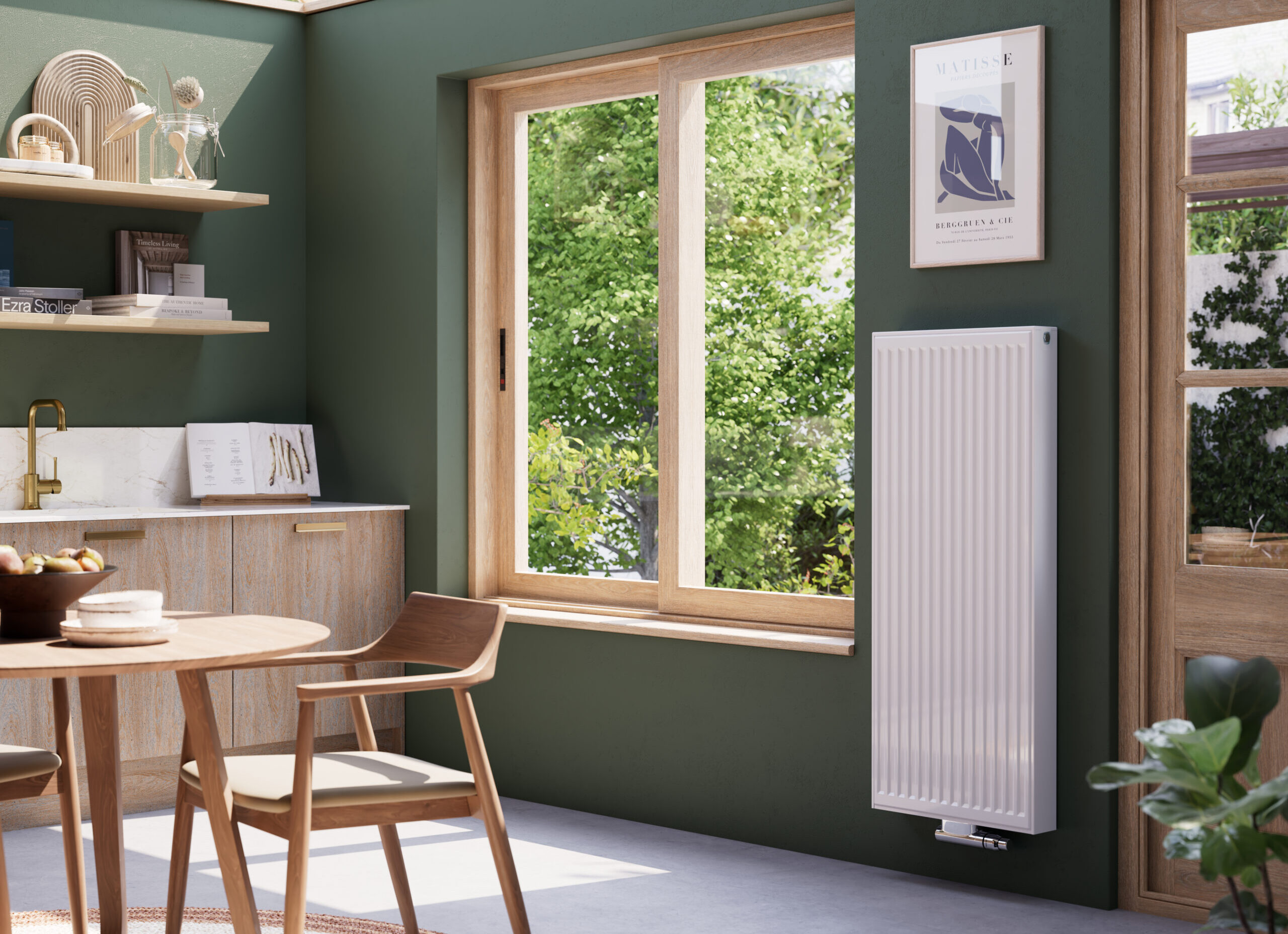
Choosing between a vertical and horizontal radiator goes far deeper than aesthetics. The orientation of your radiator directly influences how heat is distributed through a room, how much usable wall space you retain, and even how large or small a room feels. Whether you are renovating a period terrace, fitting out a new-build with hallway radiators, or simply replacing an old convector, understanding the practical differences between these two orientations will help you pick the right radiators for every room.
What Is the Difference Between Vertical and Horizontal Radiators?
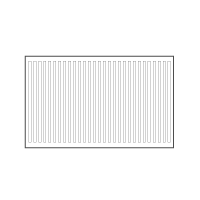
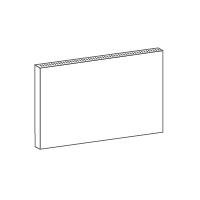
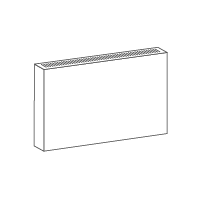
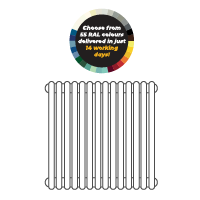
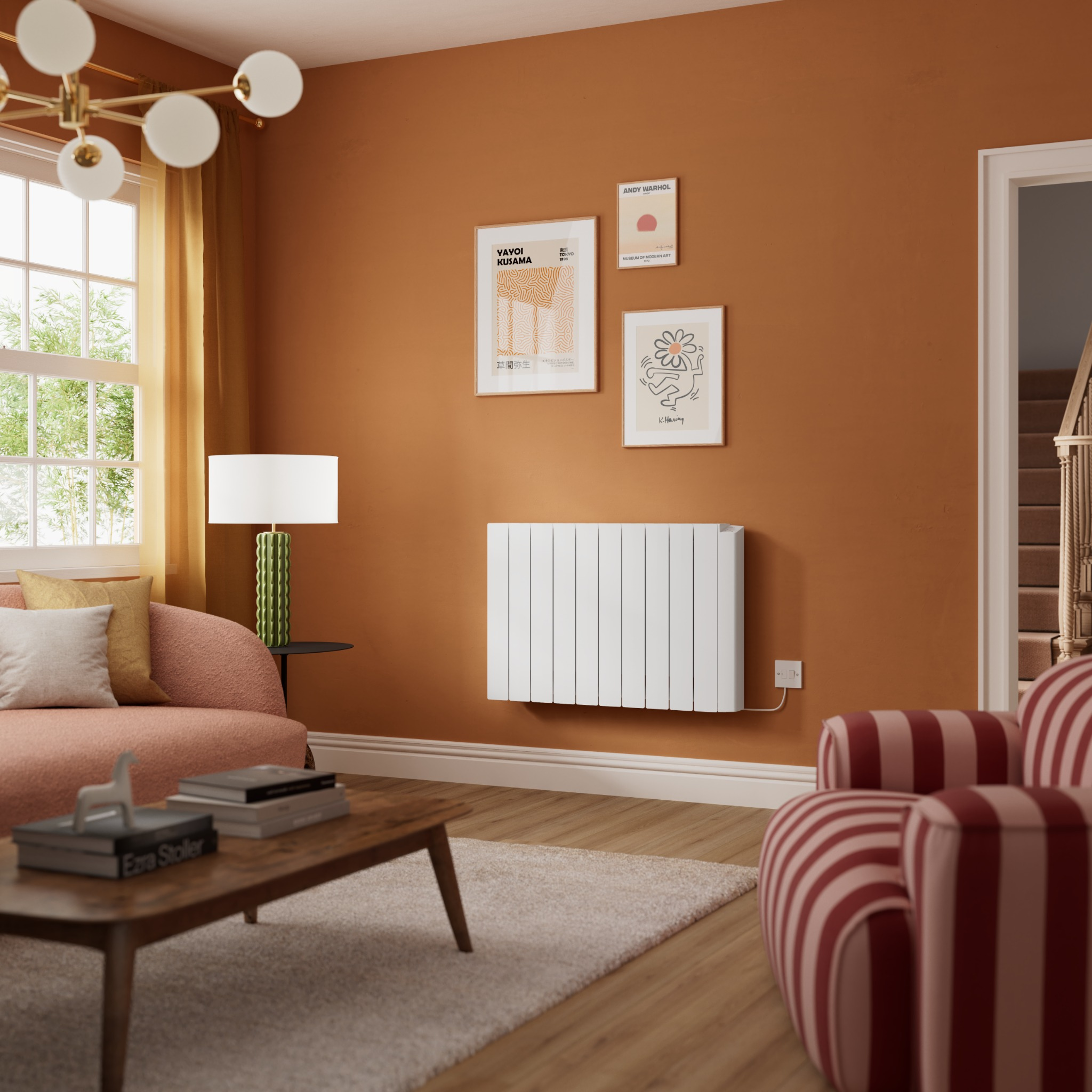
Horizontal radiators are wider than they are tall, typically sitting beneath a window or along a wall at low level. They remain the most common orientation in UK homes, largely because traditional heating systems were designed around under-window placement to counteract cold draughts from single-glazed windows.
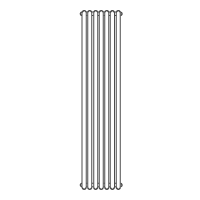
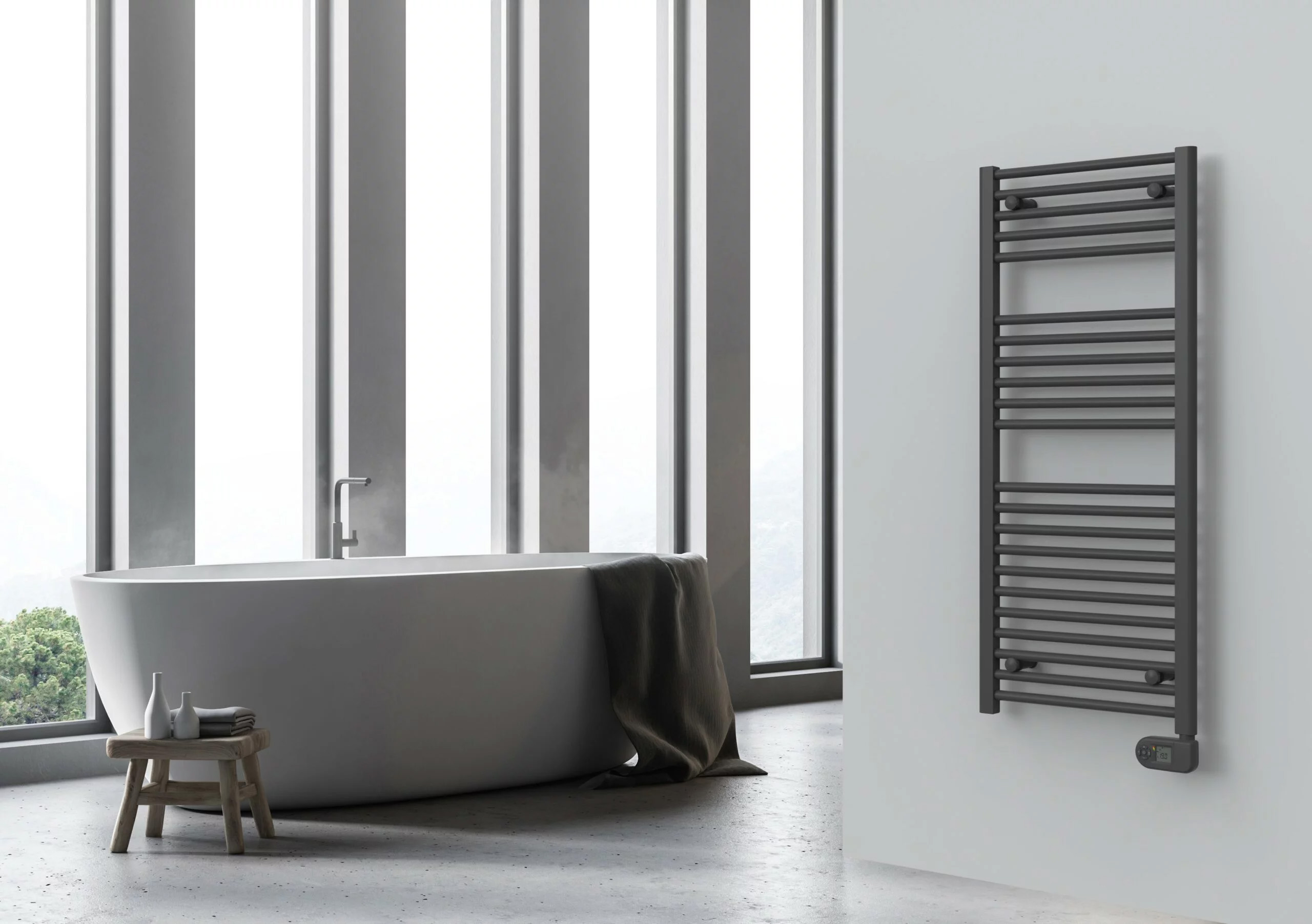
Vertical radiators are taller than they are wide, often reaching heights of 1,800mm or more while occupying a narrow strip of wall space. This orientation has become increasingly popular in modern homes where wall space is limited or where homeowners want the radiator to serve as a visual feature rather than something tucked beneath a windowsill.
Both orientations are available in single-panel, double-panel, and column designs. A vertical radiator with the same surface area as a horizontal model will produce a comparable heat output, though there are some nuances around convection patterns worth understanding before you commit.
How Radiator Shape Influences Space Perception
Vertical lines draw the eye upward, creating an impression of height, while horizontal lines emphasise width and openness. A tall, slim vertical radiator in a narrow hallway or compact bathroom encourages the eye to travel upward, creating a genuine sense of increased ceiling height without any structural changes. A long, low horizontal radiator reinforces the width of a room, complementing generous proportions in open-plan spaces.
Colour and finish matter here too. A white vertical radiator against a white wall provides those vertical sight lines while blending into the background. A bold anthracite or matt black finish makes the radiator a deliberate focal point. Understanding how radiator shape interacts with your room dimensions is the first step to using heating as a genuine interior design tool.
The Design Principles Behind Radiator Shape
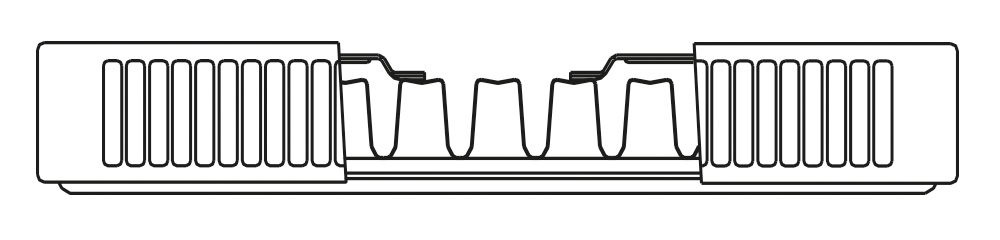
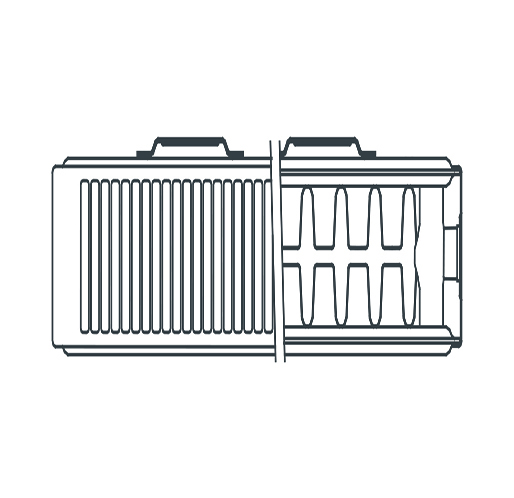
Heat from a radiator reaches your room through radiation and convection. Radiant heat travels directly from the hot surface to objects and people in its path. Convective heat warms the air in contact with the radiator surface, causing it to rise and circulate. In a standard steel panel radiator, roughly 20 to 30 % of output comes from radiation, with the remainder from convection via the fins behind the panel.
A horizontal radiator at low level produces warm air that rises across the full width of the radiator and spreads across the ceiling before cooling and falling back down. This creates a relatively even convection loop. A vertical radiator concentrates the convection plume over a narrower column, which can mean marginally less even distribution in very wide rooms. For rooms up to around 20 square metres, most homeowners will not notice a meaningful difference. For larger open-plan spaces, a heating engineer may recommend multiple radiators or a combination of orientations.
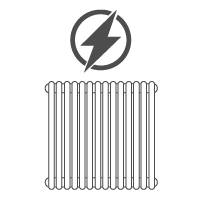
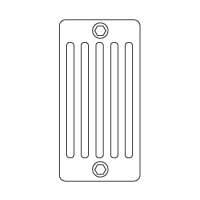
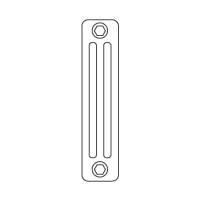
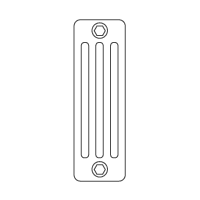
Column designs, including 3-column radiators, work slightly differently. Each column acts as an individual convection channel, and the gaps between columns allow air to circulate more freely, making column radiators particularly effective at distributing warmth evenly regardless of orientation.
Are Vertical Radiators Less Efficient Than Horizontal?
No. A vertical radiator is not inherently less efficient than a horizontal one. Efficiency is determined by heat output relative to energy input, which is a function of total surface area, panel configuration, and water flow temperature. A vertical radiator with identical dimensions and panel configuration to a horizontal model will produce the same heat output.
The confusion arises because vertical radiators tend to be narrower. If you are replacing a 1,200mm wide double-panel horizontal radiator with a 500mm wide vertical model, you need to check that the vertical option delivers sufficient BTUs for the room. This is a sizing issue, not an efficiency disadvantage.
One practical point worth noting: in a very tall vertical radiator, the hottest water naturally concentrates at the top while cooler water settles lower. Some homeowners notice that the bottom of a tall vertical radiator feels cooler to the touch than the upper section. The radiator is still emitting its rated output, but it can feel different from the even warmth of a horizontal panel.
Modern TRVs and a properly balanced heating system largely eliminate any practical concerns. As long as each radiator is correctly sized and the system is balanced by a qualified engineer, vertical and horizontal models perform equally well.
When Should You Choose a Vertical Radiator?
Rooms with Limited Wall Space
In rooms where walls are interrupted by doors, windows, built-in furniture, or appliances, finding space for a traditional horizontal radiator can be a real challenge. Kitchens are a prime example. Between base units, tall cabinets, the cooker, and the fridge, there may only be a narrow strip of free wall available. A vertical radiator slotting into a 400mm to 500mm wide gap can deliver the same heat output as a much wider horizontal unit, provided it has sufficient height and panel depth. Bathrooms and en-suites face similar constraints, where a vertical radiator or tall towel rail beside a shower enclosure makes use of otherwise dead space.
Narrow Hallways and Landing Areas
A horizontal radiator in a hallway can block furniture placement and reduce the usable width of an already tight space. Vertical radiators tuck neatly between doorframes or at the end of a corridor, providing warmth without encroaching on the walkway. In compact bedrooms, box rooms, and small reception rooms, a vertical radiator also frees up horizontal wall space for furniture and creates an impression of ceiling height, making the room feel more open than it is.
Making a Statement
Vertical radiators naturally attract attention. Their proportions feel more intentional than a standard horizontal panel beneath a window. A vertical radiator in a contrasting finish can serve as both a functional heat source and a design element in a living room or dining area. Column-style vertical radiators carry a sense of architectural presence that flat panels cannot quite match.
When Should You Choose a Horizontal Radiator?
Rooms with Windows as the Primary Wall Feature
Placing a radiator beneath a window exists for sound thermodynamic reasons. Cold air falling from the glass meets rising warm air from the radiator, mixing and distributing heat more evenly. In homes with older or less thermally efficient windows, under-window placement remains the most effective position. Even in homes with modern glazing where cold downdraughts are minimal, under-window positioning uses wall space that would otherwise be difficult to furnish.
Large Living Areas and Open-Plan Spaces
In rooms with generous floor areas, a wide horizontal radiator can cover a significant portion of the heating requirement while complementing the proportions of the space. A 1,600mm or 2,000mm wide horizontal panel produces substantial BTU output, and the wide spread of heat creates more even warmth in long open-plan spaces than a narrow vertical unit could achieve alone.
Period Properties with Existing Pipework
If existing pipework enters from the floor at a low level, a horizontal radiator connects directly without pipe modifications. Retrofitting a vertical radiator to a horizontal pipe layout typically requires running new pipes up the wall or across the floor, adding cost and complexity. Where budget or disruption is a concern, staying with horizontal models where the pipework already suits them is the pragmatic choice.
Bedrooms Where Furniture Sits Against Walls
In most bedroom layouts, a horizontal radiator beneath the window keeps heating out of the way of furniture entirely. A vertical radiator still projects 60 to 100mm from the wall, depending on panel depth, and placing furniture directly in front of it reduces effectiveness and can pose a fire risk with certain materials.
Compact Radiators: A Space-Saving Solution for Either Orientation
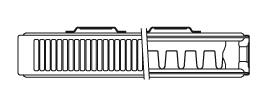
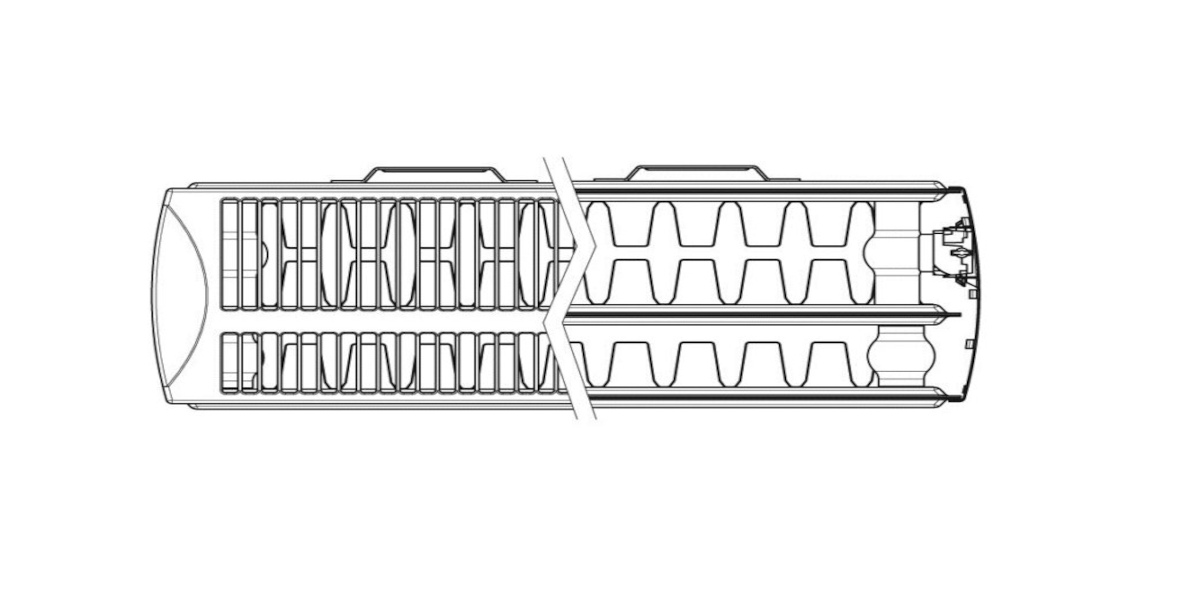
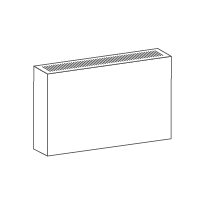
The term compact radiator refers to a panel radiator with convector fins but without a decorative top grille or side panels. Stelrad’s Compact range uses a pressed steel top that allows maximum heat output from a given footprint while maintaining a clean appearance. Compact radiators are available in both orientations, making them a genuinely flexible space-saving option.
A double-panel plus compact radiator can produce up to 50 % more heat than a single-panel model of the same width and height, because the additional convector fins dramatically increase the surface area available for heat transfer. This means you can often downsize the physical dimensions of a radiator without sacrificing warmth, which is especially valuable in smaller rooms.
Always start with an accurate heat loss calculation for the room. Online BTU calculators provide a reasonable starting estimate, but for rooms with unusual dimensions, high ceilings, large glazed areas, or poor insulation, a calculation from a heating engineer is more reliable.
Choosing the Right Radiator Shape for Different Room Types
Living Rooms
If you have a long wall with no windows, a horizontal radiator acts as an unobtrusive heat source below eye level. Where wall space is limited due to large windows or built-in units, a vertical radiator provides the necessary output without competing for space. In period living rooms with alcoves, a pair of vertical column radiators in the recesses on either side of a fireplace creates a symmetrical, architectural look that suits both traditional and contemporary interiors.
Kitchens
With wall-mounted cabinets, worktops, and appliances consuming most available wall space, the narrow footprint of a vertical radiator is often the only practical option. Positioning one on the end wall of a run of units, beside the back door, or on a short return wall keeps the heat source effective without interfering with the kitchen layout.
Bathrooms and En-Suites
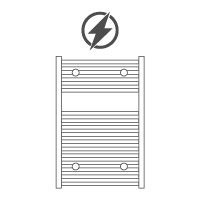
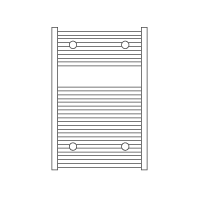
Vertical towel radiators combine heated towel storage with room heating in a single unit and fit neatly beside showers or on the back wall. In larger family bathrooms, a horizontal radiator beneath the window paired with a separate towel rail offers the best of both: proper room heating plus warm towels.
Hallways and Staircases
A slim vertical radiator is usually the best fit for a hallway, particularly in terraced and semi-detached houses where the entrance hall may only be 900mm to 1,200mm wide. Placing the radiator on the wall opposite the front door helps counteract incoming cold air directly.
Bedrooms
Most bedrooms suit a horizontal radiator beneath the window, keeping the heat source clear of furniture. In box rooms or children’s bedrooms where floor space is tight, a vertical radiator can free up wall space for beds, desks, and storage. Ensure it is not positioned where it could be obscured by a wardrobe or bookcase, as blocking airflow significantly reduces heating effectiveness.
Can You Mix Vertical and Horizontal Radiators in the Same Home?
Absolutely, and in most homes, this is the most practical approach. Your boiler and pipework supply hot water at the same temperature to every radiator on the circuit, regardless of orientation. The key is to ensure each radiator is correctly sized for its room and the system is properly balanced.
Mixing radiator styles also creates visual variety. A horizontal panel in the living room, a vertical column in the hallway, and a tall towel rail in the bathroom give each room its own character while maintaining consistent heating performance. Stelrad’s range spans both orientations across its Compact, Elite, Softline, and column collections, so you can maintain a consistent finish or colour palette even when varying the shape from room to room.
Vertical vs Horizontal Radiators FAQs
Do vertical radiators cost more than horizontal ones?
Generally, yes, by around 10 to 25 % for equivalent heat output, partly due to lower production volumes and different manufacturing tooling. Installation costs can also be marginally higher if existing pipework needs rerouting, so factor in both the radiator price and any plumbing adjustments when budgeting.
Can I replace a horizontal radiator with a vertical one without changing the pipework?
In most cases, some modification will be necessary. Horizontal radiators have valve connections spaced apart along the bottom edge, while a vertical radiator’s connections sit much closer together, usually within 50mm of each other at the base. A qualified plumber will need to reroute the flow and return pipes, which typically adds a few hours of labour to the installation.
Which orientation is better for rooms with high ceilings?
Vertical radiators suit high-ceilinged rooms well. A tall radiator looks proportionate rather than imposing in a room with 3-metre or higher ceilings, and its convection pattern pushes warm air higher up the room. This is especially useful in converted Victorian and Georgian properties. Pairing a vertical radiator with a ceiling fan set to winter mode pushes warm air back down to the living level and improves overall comfort.
Are there any rooms where you should avoid a vertical radiator?
No room makes vertical radiators categorically unsuitable, but they are not ideal where the only available wall space is behind large furniture, as the obstruction significantly reduces output. In rooms where young children are present, a low-level horizontal radiator with a TRV set to a safe temperature, or a low surface temperature model, may be the safer option.
How do I calculate the right size radiator for my room?
Measure the room dimensions and use an online BTU calculator accounting for external walls, window type, insulation level, and ceiling height. As a rough guide, a standard double-glazed room measuring 4m by 4m with one external wall and a 2.4m ceiling needs approximately 3,000 to 4,000 BTUs. Always round up to ensure the radiator can comfortably heat the space and consult a heating professional for rooms with vaulted ceilings, extensive glazing, or solid wall construction.
Does radiator colour affect heat output?
Technically, yes, but negligibly in practice. Dark matt surfaces emit marginally more radiant heat than light glossy ones, but the difference in a domestic setting amounts to less than one % of total output. Choose your colour based purely on aesthetic preference.

 Next Working Day Delivery£18 For Next Working Day Delivery On All Products*When ordered before 2pm.*T&Cs apply