Choosing between a column radiator and a panel radiator is one of the most common decisions homeowners face when upgrading their heating. Both deliver effective warmth, but they do it in very different ways, and the right choice depends on the room, your style preference, and how you want your heating system to perform.
At Stelrad, we have been offering both column and panel radiators in the UK since 1936, producing more than 2.5 million steel panel radiators a year from our 17-acre site in Mexborough, South Yorkshire. Every radiator we make is Kitemarked under BS EN 442, the British and European standard for heat output testing. This guide draws on that engineering experience to give you a clear, side-by-side comparison so you can pick the radiator that suits your home.
The Quick Answer: Column vs Panel Radiators
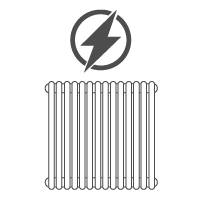
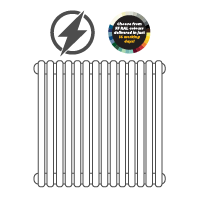
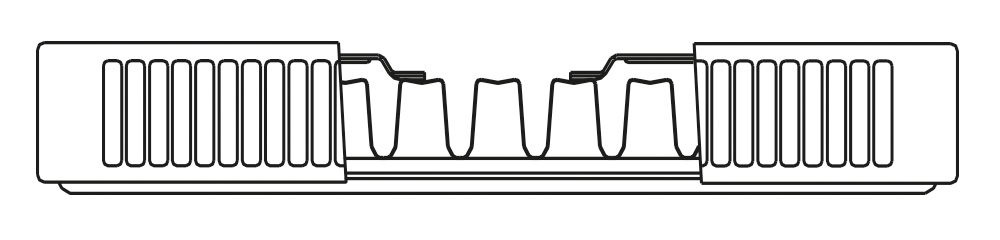
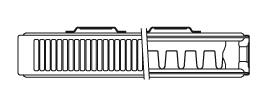
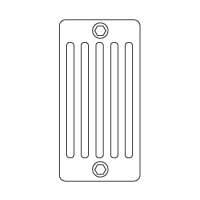
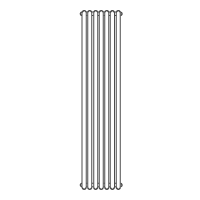
Column radiators use a series of vertical or horizontal tubes joined together, which gives them a large heat-emitting surface area and a strong period or contemporary aesthetic. Panel radiators use one, two or three flat steel panels, often with finned convectors welded between them, to produce fast, efficient heat in a slim, wall-hugging profile.
Column radiators are typically the better choice when you want statement design, even heat distribution, and long-lasting warmth. Panel radiators are usually the better choice when you want maximum heat output for the space available, faster warm-up times, and a lower upfront cost.
How Do Column Radiators Work?
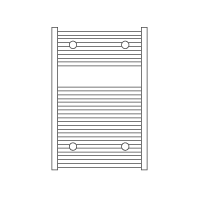
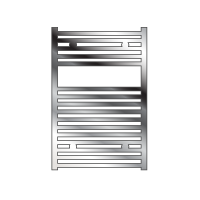
Column radiators consist of multiple hollow vertical sections, known as columns, that run between a top and bottom header. Hot water from your central heating system flows through every column, heating the steel and the air immediately surrounding it. As that air warms, it rises and is replaced by cooler air, creating a continuous convection current that circulates warmth through the room.
Because column radiators have a larger external surface area than a flat panel of the same width and height, they release heat from every face of every column. They also produce a higher proportion of radiant heat, which warms objects and people in the room directly, not just the air. This combination tends to feel comfortable and even, particularly in rooms with high ceilings or open-plan layouts.
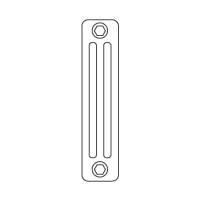
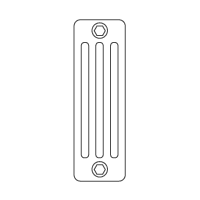
Stelrad’s column range includes 2, 3, 4 and 6 column radiators, available in horizontal and vertical orientations. The more columns the radiator has, the higher the heat output for a given length and height.
How Do Panel Radiators Work?
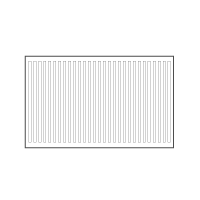
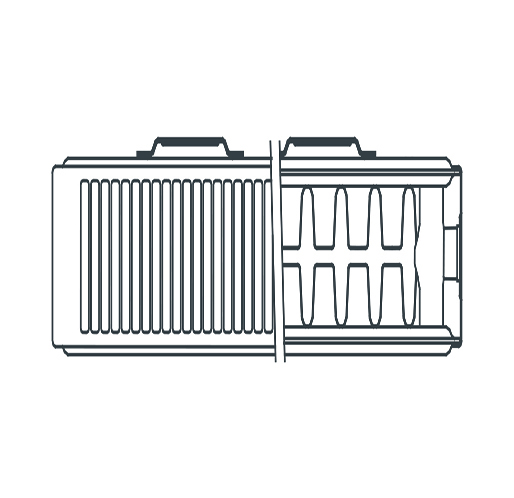
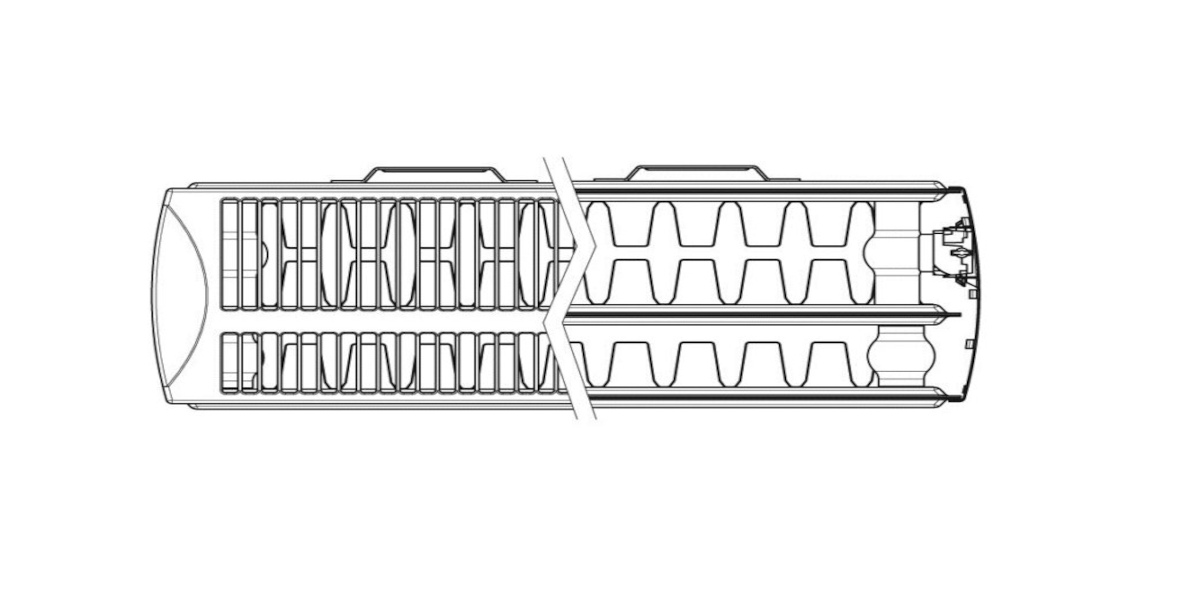
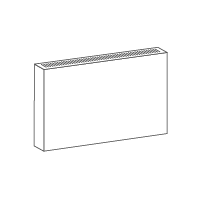
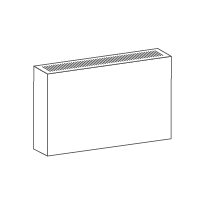
Panel radiators use one or more flat steel panels filled with hot water. The panels heat up, then transfer warmth into the room through both radiation from the panel face and convection from finned strips fitted behind or between the panels.
There are three main types of panel radiator, each defined by its construction:
Type 11 (K1) Single Panel Radiators
A single steel panel with one set of convector fins behind it. The slimmest option, ideal for smaller rooms, hallways and en-suites where a compact profile matters more than maximum output. Browse the Single (K1) Panel Radiator range.
Type 21 (P+) Double Panel Plus Radiators
Two steel panels with a single layer of convection fins sandwiched between them. The P+ design delivers significantly more heat than a K1 of the same size while keeping the projection from the wall modest. View the Double Panel Plus (P+) range.
Type 22 (K2) Double Panel Radiators
Two steel panels with two layers of convector fins between them, providing one of the highest heat outputs per square metre of wall space. Often the default choice for living rooms, larger bedrooms and kitchens. See the Double (K2) Panel range.
A Type 33 (K3) triple panel radiator is also available where exceptional output is needed in a constrained footprint.
Are Column Radiators Efficient?
Column radiators are highly efficient when correctly sized for the room. Their larger heat-emitting surface area allows them to release a great deal of heat into the space, and steel column construction holds warmth well, meaning the radiator continues to give off heat after the boiler cycles off.
Efficiency in heating is not just about how quickly a radiator warms up. It also covers how evenly the heat is distributed, how long the warmth lingers, and whether the boiler has to work harder to maintain the temperature. Column radiators perform strongly on the second and third measures. Once they reach temperature, the thermal mass of the steel keeps the room comfortable, which can reduce the number of times the boiler needs to fire.
That said, column radiators contain more water than panel radiators of similar dimensions, so they take slightly longer to reach full temperature from cold. In well-insulated homes running modern condensing boilers, this is rarely an issue. In poorly insulated rooms or homes where the heating is used in short bursts, a panel radiator may reach a comfortable temperature faster.
The most efficient radiator is ultimately the one that is correctly sized for your room. Use the Stelrad Heat Loss BTU Calculator to work out the exact heat output your space requires before deciding on a type.
| KEY TAKEAWAY
Both column and panel radiators can be highly efficient. The decisive factor is correct BTU sizing for the room, not the radiator style. |
Do Column Radiators Give More Heat?
Column radiators give out more heat than a flat panel radiator of the same external dimensions because they have a greater surface area in contact with the room air. Every column adds extra steel for heat to radiate from, and the gaps between columns allow warm air to circulate freely.
However, this does not automatically mean a column radiator out-heats every panel radiator on the market. A Type 22 (K2) panel radiator with two panels and two banks of convector fins can produce a very high BTU output in a compact footprint, often matching or exceeding a column radiator of similar width and height. The key is to compare BTU ratings at the same Delta T value, not to compare dimensions alone.
Heat output is measured in BTU/hr (British Thermal Units per hour), and every Stelrad radiator is tested and rated to BS EN 442 at Delta T 50 degrees C. When comparing two radiators, always check the BTU figure quoted against the same Delta T; the numbers are not directly comparable.
Are Column Radiators Better Than Panel Radiators?
Column radiators are better than panel radiators in some situations and not in others. The honest answer is that one is not universally superior. They are different tools for different jobs.
Column radiators tend to be the better choice when:
- You want a statement piece that becomes part of the room’s design
- You are heating a period property, high-ceilinged room, or large open-plan space
- You prefer a softer, more even heat that lingers after the boiler turns off
- Vertical wall space is more available than horizontal wall space
- Aesthetics matter as much as performance
Panel radiators tend to be the better choice when:
- You want maximum heat output for the wall space available
- You need fast warm-up times in rooms used in short bursts
- Budget is a primary consideration, particularly for whole-house installations
- You are working with limited room projection (how far the radiator sticks out)
- The radiator will be hidden behind furniture or in a less visible location
Both types are highly capable when specified correctly. The deciding factor is usually the room, not the radiator.
Convector Radiator vs Panel Radiator: What’s the Difference?
The terms convector radiator and panel radiator are often used interchangeably, but there is a precise difference. A panel radiator is the broad category covering any radiator built from flat steel panels. A convector radiator is a panel radiator that has additional finned strips (convectors) welded to the back of the panel to increase surface area and boost heat output.
In Stelrad terminology:
- A Type 11 (K1) panel radiator has one panel with one set of convector fins
- A Type 21 (P+) panel radiator has two panels with one set of convector fins in between
- A Type 22 (K2) panel radiator has two panels with two sets of convector fins
- A Type 33 (K3) panel radiator has three panels with three sets of convector fins
The convector fins zig-zag along the back of the panel, dramatically increasing the surface area available for heat exchange. This makes convector panel radiators significantly more powerful than a plain panel of the same external size. For most modern UK homes, the Convector Radiator range is the workhorse of the central heating system.
A traditional panel radiator without convector fins relies entirely on radiation from the flat panel and natural convection from its surface. These are less common in new installations because the addition of convector fins offers so much more heat output for very little extra cost or wall space.
Heat Output Comparison: Column vs Panel Radiators
To make a fair comparison, both radiator types should be measured at the same Delta T (the temperature difference between the radiator surface and the surrounding air). UK central heating systems are typically rated at a Delta T of 50 degrees C.
As a general rule, a Type 22 (K2) panel radiator will produce a higher BTU output than a 3-column radiator of identical width and height, because the convector fins pack more heat-emitting surface area into a smaller footprint. A 4 or 6-column radiator of the same dimensions narrows the gap and can match or exceed the panel.
What the BTU figure does not capture is the quality of heat. Column radiators tend to produce a higher proportion of radiant warmth, which is often perceived as more comfortable. Panel radiators with convector fins produce more convective heat, which warms the air quickly and circulates it through the room.
For the precise output you need, use the Stelrad Radiator Size Calculator, which combines heat loss calculations with our radiator dimensions to recommend the right model for your room.
Energy Efficiency in Practice
Both column and panel radiators are passive emitters. They do not consume energy themselves. The energy comes from your boiler, and the efficiency of your heating system depends far more on boiler performance, insulation, controls and correct sizing than on radiator type.
That said, there are real-world efficiency differences worth understanding.
Response Time
Panel radiators with convector fins typically reach operating temperature faster than column radiators because they hold less water and have more rapid convection. This can be useful in rooms heated in short bursts.
Heat Retention
Column radiators hold more water and have greater thermal mass, so they continue to emit warmth after the boiler stops firing. This can smooth out boiler cycling in well-insulated homes.
Low-Temperature Compatibility
As more UK homes move to heat pumps and lower flow temperatures, radiator surface area becomes critical. A larger surface area at a lower water temperature can deliver the same heat as a smaller radiator at a higher temperature. This is one reason oversizing column radiators or selecting larger panel sizes is increasingly recommended for heat pump installations. Our Green Series radiators are specifically designed with low-carbon emission XCarb steel for energy-conscious installations.
Cost Comparison
Panel radiators are generally less expensive than column radiators of equivalent heat output, particularly at the standard end of the range. A Stelrad Compact K2 will typically cost less than a 3 or 4-column radiator of similar BTU. This makes panel radiators a popular choice for whole-house installations on a defined budget.
Column radiators carry a higher price tag because they require more steel, more welding, and more finishing work during manufacture. The premium buys you the design appeal and the heat retention characteristics described above.
For installation, panel radiators are usually quicker to fit because they are lighter and use standard pipe centres. Column radiators are heavier, particularly the larger 4 and 6-column models, and may need stronger fixings or, in some cases, floor support. A qualified heating engineer will be able to advise on what your wall and pipework can take.
Design and Aesthetic Considerations
This is where the two radiator types diverge most clearly.
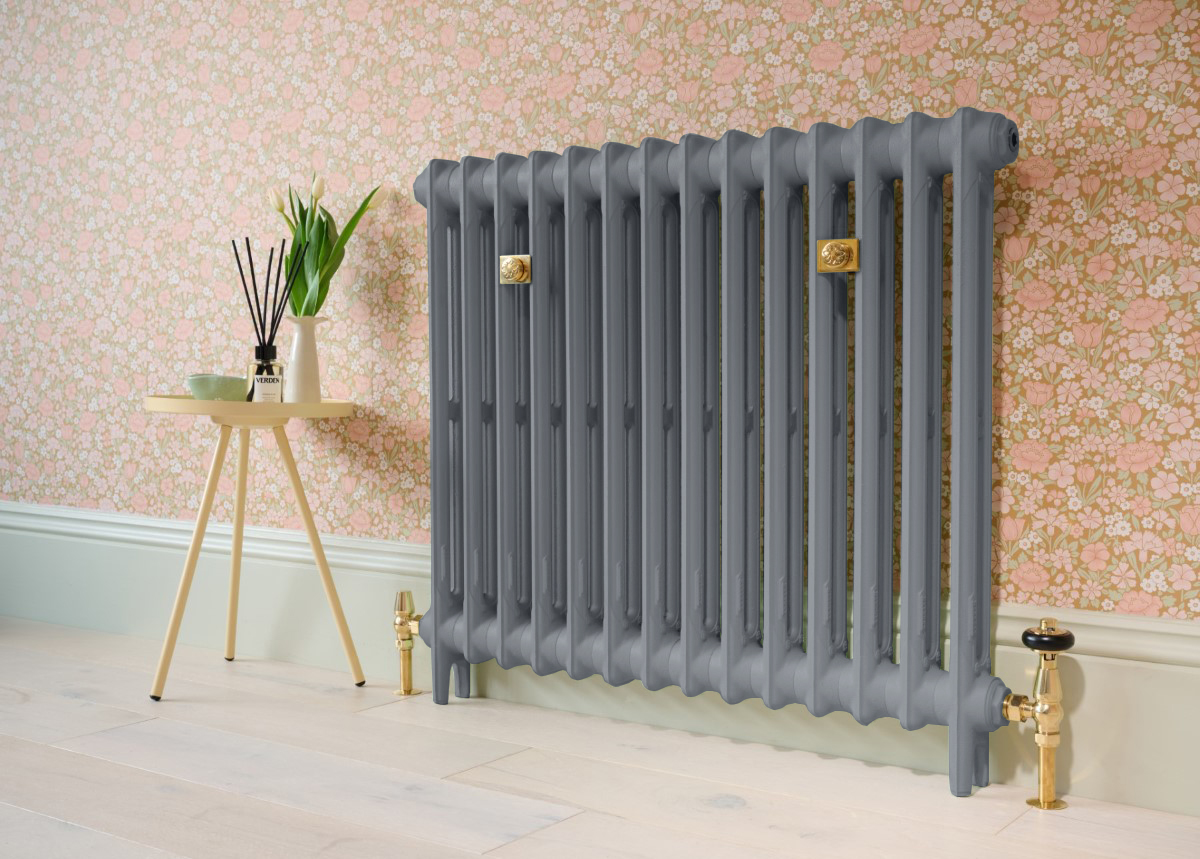
Column radiators have a strong visual identity. They suit Victorian and Edwardian properties beautifully, but contemporary versions also work well in modern industrial-style interiors, kitchen extensions and minimalist spaces. Stelrad’s Softline Column range offers smooth-edged columns in horizontal and vertical formats, with white and anthracite grey finishes.
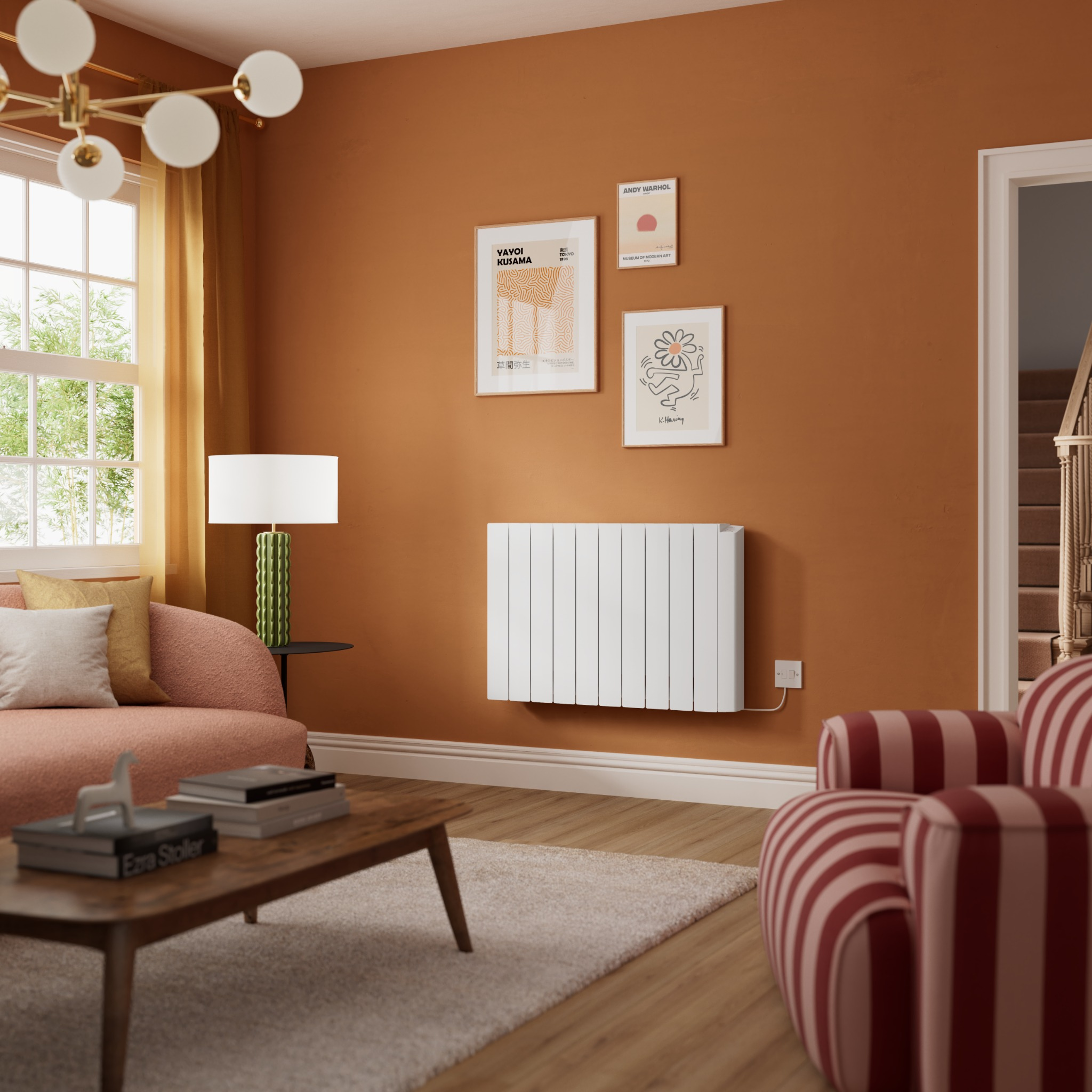
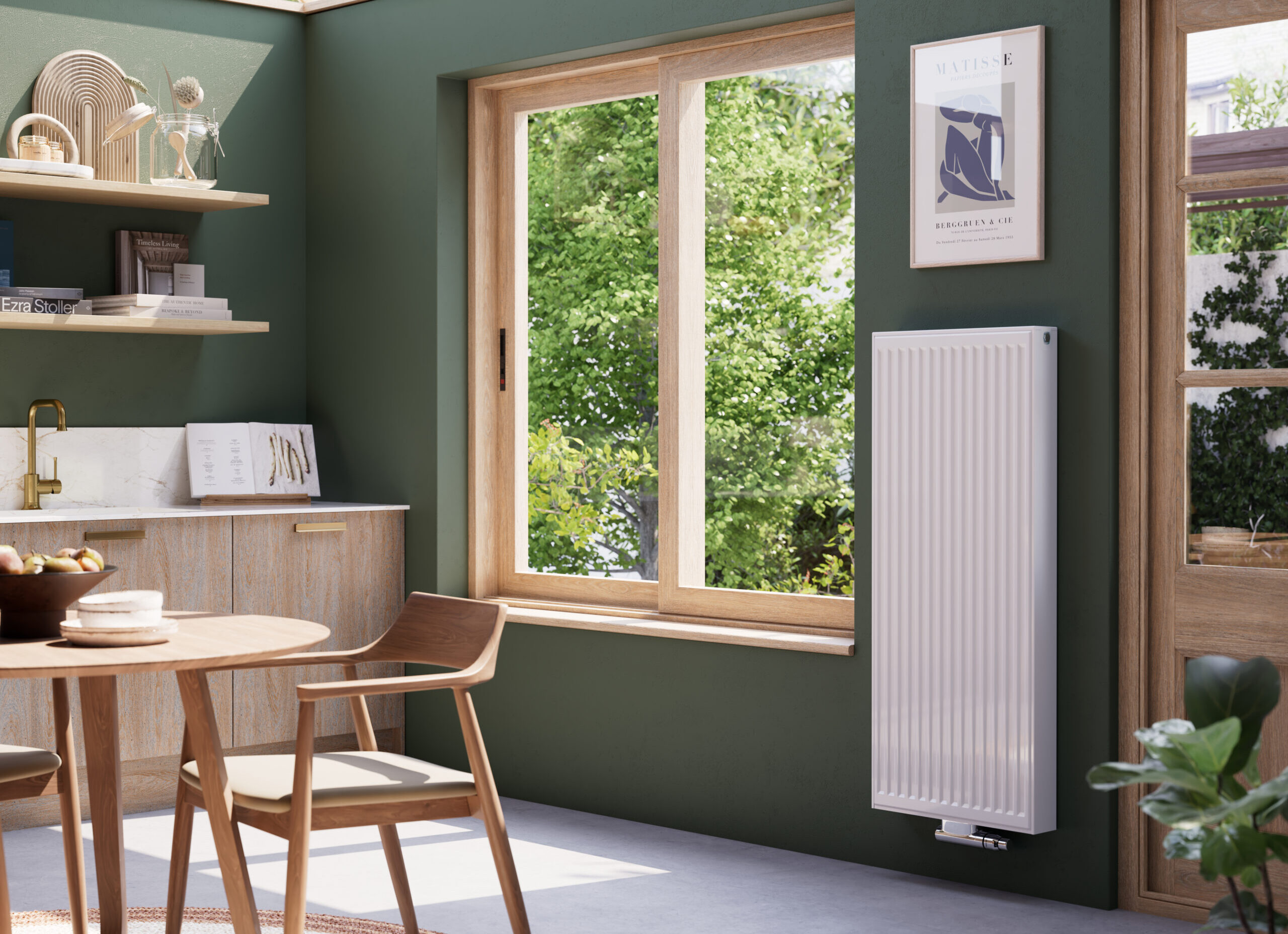
Panel radiators are designed to be discreet. The standard curved-top compact radiator blends into most rooms without drawing attention. For a more refined look, Flat Front Panel Radiators offer a smooth, minimalist face that suits contemporary interiors. Stelrad’s range also extends to designer panel options, vertical formats, and bespoke colour finishes for homeowners who want something more distinctive.
Sizing the Right Radiator for Your Room
Whichever type you choose, correct sizing is the single biggest factor in heating performance. An undersized radiator will struggle to heat the room, and the boiler will run constantly. An oversized radiator wastes money and may cause uncomfortable temperature swings.
Stelrad uses an advanced sizing programme, previously known as STAR system (Stelrad Technical Advanced Radiator System) to calculate heat loss accurately. The calculation considers the room’s dimensions, ceiling height, window area, glazing type, insulation levels, and exposure of external walls. The result is a recommended BTU figure that you can match against the radiator’s rated output.
Our basic and advanced heat loss calculators are both available free at stelradprofessional.com. All calculations are based on Delta T 50 degrees C in accordance with BS EN 442.
Which Should You Choose?
If you are renovating a period property, designing a feature wall, heating a large or high-ceilinged room, or you want your radiator to be part of the room’s design, a column radiator is likely the right choice. The Stelrad Classic Column and Softline Column ranges cover most traditional and contemporary applications.
If you are heating a typical UK home where you want maximum warmth for the wall space available, fast response times, and a sensible budget, a panel radiator, most likely a Compact K2 or P+ variant, will serve you well. Our Compact range remains the UK’s best-selling radiator.
For homes with mixed requirements, there is no rule that says every radiator must be the same type. A column radiator in the hallway and lounge paired with compact panel radiators in bedrooms and bathrooms is a common and sensible specification.
A Note on Quality and Warranty
Whichever type you choose, the quality of manufacture matters. Stelrad’s horizontal steel panel radiators come with a 10-year warranty, the Softline range carries a 15-year warranty, and all other radiators carry a 5-year warranty against manufacturing defects. Every Stelrad radiator is built in our UK or European facilities, tested to BS EN 442, and Kitemarked for performance.
We have been making radiators in this country since 1936. The principles of good radiator design have not changed over time. The right size, the right placement, properly installed, and built from quality steel will keep a room warm for decades. Whether that radiator is a column or a panel is a choice that should come down to your room, your style, and your performance priorities, not to a blanket rule.
Frequently Asked Questions
Are column radiators more efficient than panel radiators?
Column radiators can be more efficient at heat retention and even heat distribution due to their larger surface area and greater thermal mass. Panel radiators with convector fins, particularly Type 22 (K2) models, are more efficient at rapid warm-up and produce higher BTU output per square metre of wall space. Both are efficient when correctly sized.
Do column radiators give out more heat than panel radiators?
Column radiators give out more heat than a flat panel of identical dimensions because of their greater surface area. However, a Type 22 (K2) convector panel radiator can match or exceed a 3-column radiator of similar size due to the additional heat output from its convector fins. Always compare BTU ratings at the same Delta T.
What is the difference between a convector radiator and a panel radiator?
A panel radiator is any radiator built from flat steel panels. A convector radiator is a panel radiator with finned strips welded between or behind the panels to increase surface area and heat output. Most modern panel radiators sold in the UK are convector radiators, classified as Type 11 (K1), Type 21 (P+), Type 22 (K2) or Type 33 (K3).
Are column radiators better for old houses?
Column radiators suit period properties because their classic styling matches Victorian and Edwardian architecture. They also retain heat well, which is useful in older homes that may have less insulation. However, they should still be correctly sized using a heat loss calculation, as older homes often need significantly more BTU per room than modern builds.
How do I know what size radiator I need?
Use a heat loss calculator that factors in your room’s dimensions, ceiling height, window area, glazing type and insulation. The Stelrad BTU Calculator provides a quick estimate, while the advanced version delivers a detailed, project-grade calculation suitable for full installations.

 Next Working Day Delivery£18 For Next Working Day Delivery On All Products*When ordered before 2pm.*T&Cs apply