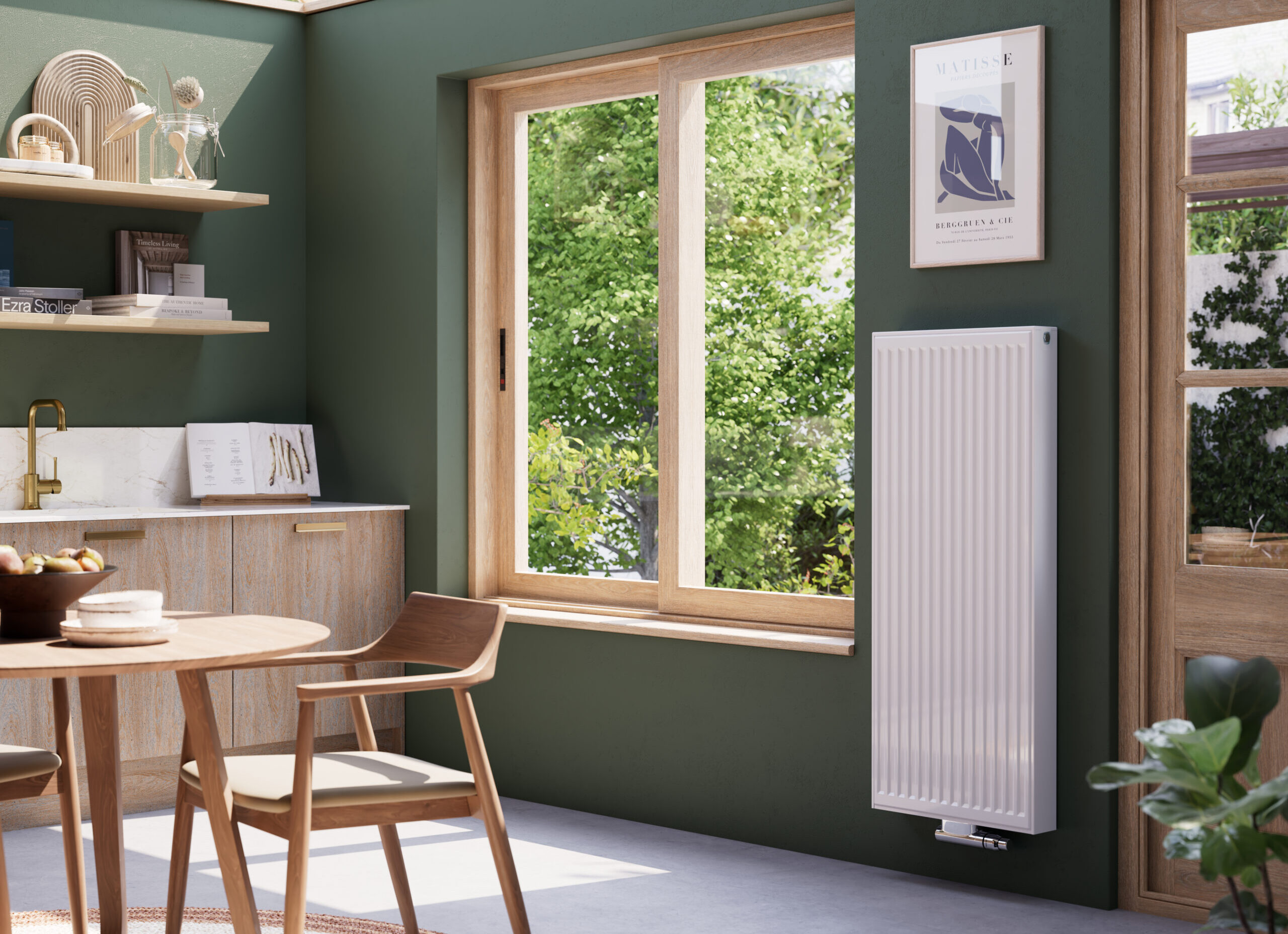
Choosing an electric radiator is mostly a sizing problem dressed up as a shopping problem. Get the wattage right for your room and the rest, from style to running cost, falls into place. This guide walks through how to size correctly, how electric radiators actually generate heat, and what they really cost to run at the current Ofgem price cap. It is written for UK homeowners working out whether to fit electric radiators in a flat, an extension, a bathroom or across a full property without mains gas.
At Stelrad, we have been manufacturing radiators since 1936 and ship more than 2.5 million units a year across the UK and Ireland. The Stelrad Electric Series sits alongside our traditional panel ranges, and every model in it is Lot 20 compliant for energy efficiency. The principles below apply whether you buy from us or anyone else.
What Size Electric Radiator Do I Need?
The size of the electric radiator you need is determined by your room’s heat loss, not by floor area alone. The accurate method is to calculate the heat loss in watts (W) or BTUs, then choose a radiator with a matching output. As a starting rule of thumb, a well-insulated UK room with standard 2.4m ceilings needs roughly 100 watts of heat output per square metre of floor space. A poorly insulated room, or one with large single-glazed windows, can need 130 to 150 watts per square metre.
A Quick Reference Table for Electric Radiator Wattage
These figures assume a well-insulated UK home with double glazing, average ceiling height and a target room temperature of 21°C. Always calculate properly before buying.
| Room size |
Floor area |
Typical wattage needed |
| Small bedroom, study, cloakroom |
Up to 8 m² |
500W to 800W |
| Standard double bedroom |
10 m² to 14 m² |
1,000W to 1,400W |
| Average living room |
15 m² to 20 m² |
1,500W to 2,000W |
| Large lounge or kitchen-diner |
20 m² to 30 m² |
2,000W to 3,000W |
How to Calculate Heat Loss Properly
A floor area rule is fine for a rough check. For the figure you actually buy on, calculate the room’s volume and adjust for the things that lose heat. The method is:
- Measure the length, width and height of the room in metres. Multiply them together to get the room volume in cubic metres (m³).
- Apply a heat output factor in watts per m³ based on the room type and exposure. A well-insulated living room consumes around 40W to 45W per m³. A bathroom, where you want it warmer, sits closer to 50W to 55W per m³.
- Add an uplift for external walls, large windows, single glazing, north-facing rooms and uninsulated roofs above the room. A typical uplift sits between 10% and 30%.
For an accurate figure tailored to your room, use the Stelrad basic heat loss calculator for a quick estimate, or the more detailed STARS (Stelrad’s Technically Advanced Radiator System) advanced heat loss programme for a full project. Both tools apply calculations based on Delta T 50°C in accordance with BS EN 442, the British and European standard for radiator heat output. This matters because many overseas brands quote outputs at Delta T 60 or 70, which inflates the figure by roughly 25% to 50%. Always compare like for like at Delta T 50.
Should I Size Up or Size Down?
Size up. If your calculation lands between two outputs, choose the higher one. A slightly oversized electric radiator runs for shorter cycles to reach the target temperature, then the thermostat turns it off. An undersized radiator runs continuously, struggles to reach the set temperature on the coldest days and uses more electricity overall. The lifetime of the heating element also tends to be longer when it is not running flat out.
BTU or Watts: Which Should I Use?
For electric radiators, watts are the practical unit because that is how electricity is metered and billed. BTU (British Thermal Unit) and watts measure the same thing in different units: 1 watt of heat output equals 3.412 BTUs per hour, and 1 BTU per hour equals roughly 0.293 watts. UK installers tend to use BTUs for plumbed radiators and watts for electric. If you have a heat loss figure in BTUs from a calculator, divide it by 3.412 to get the wattage you need.
How Do Electric Radiators Work?
Electric radiators work by converting mains electricity into heat using a built-in heating element, then distributing that heat into the room through a combination of convection and radiation. They are sealed, standalone units. They do not connect to a central heating system, do not require pipework, and do not need to be bled.
There are three core types of electric radiators, and the type changes how the heat feels and how quickly it responds.
Dry Element Electric Radiators
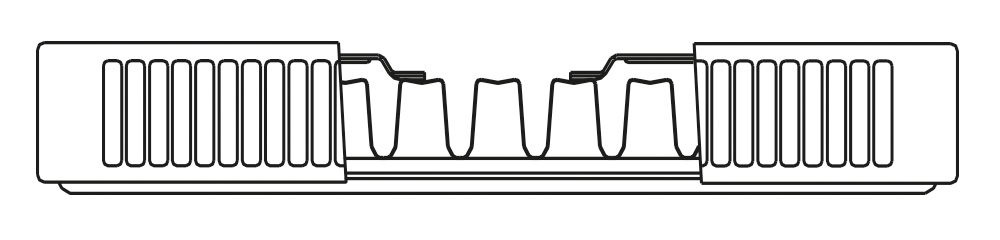
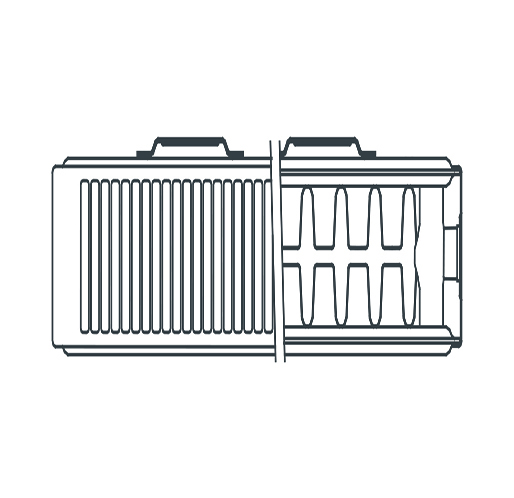
A dry electric radiator heats a solid thermal core, usually aluminium with a ceramic or stone insert, directly through a heating element embedded inside it. The core heats quickly and radiates warmth into the room. Models like the Stelrad Cloud use dry inertia technology with a stone core that absorbs, holds and radiates heat for longer between heating cycles. Dry radiators are corrosion-free, leak-free and well-suited to homes where rapid warm-up matters.
Fluid-Filled Electric Radiators
A fluid-filled electric radiator uses a heating element to warm a sealed thermal fluid, typically a glycol-based oil, which then circulates inside the radiator and transfers heat to the exterior surface. The fluid retains heat after the element switches off, so the radiator continues to release warmth as it cools, giving a softer, more even heat profile similar to a traditional plumbed radiator. Stelrad’s smart fluid-filled electric radiators are designed to deliver this consistent, slow-release warmth across the whole panel surface.
Oil-Filled Electric Radiators
Oil-filled electric radiators are a specific type of fluid-filled radiator using mineral oil as the heat-retaining medium. They take slightly longer to warm up than dry models, but hold their heat for longer once the element cycles off, which reduces the number of heating cycles needed across the day.
The Role of Thermostats, Programmers and TRVs
Every Lot 20-compliant electric radiator sold in the UK must include an intelligent control function. In practice, that means a built-in digital thermostat, a weekly programmer, and at least one of: open window detection, adaptive start, or distance temperature control. The thermostat measures room temperature and only draws power from the element when the room drops below the set point. A typical accuracy of plus or minus 0.2°C means the element only fires for short bursts once the room is at temperature.
A thermostatic radiator valve (TRV) is a feature of plumbed central heating radiators, not electric ones. The equivalent control on an electric radiator is the integrated digital thermostat. If you are mixing electric and plumbed radiators in the same home, your plumbed radiators still need TRVs fitted to give you room-by-room control.
IP Ratings for Bathrooms
An IP (Ingress Protection) rating tells you how well a radiator resists water and dust. The second digit is the water resistance: IP44 is the minimum for installation in a UK bathroom zone, and means the radiator is protected against splashing water from any direction. The radiator must be wired into a fused spur located outside the bathroom zones and switched via a pull-cord or wall switch beyond the splash zone. Always follow BS 7671 (the IET Wiring Regulations) and consult a qualified electrician for bathroom installations. Electric bathroom radiators in the Stelrad range are designed and rated specifically for these environments.
Are Electric Radiators Expensive to Run?
Electric radiators are 100% efficient at the point of use, which means every unit of electricity drawn from the grid is converted directly into heat. There is no flue loss, no pipework loss and no boiler inefficiency in the heating process itself. Whether they are expensive to run in practice depends on three things: the size of the radiator, how well your home holds heat, and the unit price of electricity.
The Maths in One Line
To work out the daily running cost of any electric radiator, use this formula:
Radiator output (kW) × hours on per day × pence per kWh = daily cost in pence
A 1kW electric radiator running at full power for one hour uses 1 kilowatt-hour (kWh) of electricity. Under the Ofgem energy price cap from 1 April to 30 June 2026, the average UK electricity unit rate is 24.67p per kWh for standard variable tariff customers paying by Direct Debit. That gives the headline cost most calculators stop at: roughly 25p to run a 1kW radiator for one hour at full output.
What Are The Actual Running Costs in a Real Room?
A modern electric radiator with a thermostat does not run at full power continuously. It draws full power for the initial warm-up, then cycles on and off to maintain the set temperature. In a reasonably insulated UK room held at 21°C, a correctly sized electric radiator typically draws full power for around 15 to 25 minutes per hour once the room is at temperature.
Applied to the April 2026 price cap, that gives the following indicative running costs:
| Radiator output |
First hour cost (warm-up) |
Maintenance hour cost (room at temp.) |
| 800W |
19.7p |
5p to 8p |
| 1,000W |
24.7p |
6p to 10p |
| 1,500W |
37p |
9p to 15p |
| 2,000W |
49.3p |
12p to 20p |
For a typical living room running an electric radiator for 6 hours a day, expect a real-world cost of roughly 80p to £1.30 a day. Across a full home, the total bill will depend on how many rooms you heat, for how long, and how well insulated the property is. Households on Economy 7 or time-of-use tariffs with overnight rates below 10p/kWh can reduce these figures significantly by running radiators on a schedule that takes advantage of cheaper hours.
How Can You Reduce Electric Radiator Running Costs?
Five things make the biggest difference to running costs in our experience working with installers and homeowners across the UK:
Correctly size every radiator. An undersized radiator runs constantly. An oversized one cycles efficiently. Use the heat loss calculation method above, not guesswork.
Use the built-in programmer. Set lower setback temperatures (typically 16°C to 17°C) for times when rooms are empty rather than switching radiators fully off. Maintaining a baseline costs less than reheating a cold room from scratch.
Heat only the rooms you use. Zoned, room-by-room control is the single biggest practical advantage electric radiators have over a central heating system. There is no reason to heat empty bedrooms during the day.
Improve insulation where possible. Loft insulation, draughtproofing and cavity wall insulation reduce heat loss, which directly reduces how often the element fires. Government guidance on home insulation is available from the Energy Saving Trust.
Choose Lot 20-compliant models. Every radiator in the Stelrad Electric Series meets Lot 20 standards as a minimum, with features including adaptive start, open window detection and weekly programming as standard.
Electric Radiators vs Gas Central Heating
At current prices, gas is cheaper per unit (5.74p per kWh from April to June 2026) than electricity (24.67p per kWh). However, a gas boiler is typically 89% to 93% efficient at best, and central heating loses additional heat through pipework runs. There is no annual service requirement for electric radiators, no carbon monoxide risk and no flue. For properties without a mains gas connection, properties on a heat pump, flats, garden rooms, conservatories, and individual rooms in larger homes, electric radiators are often the more practical choice. For a like-for-like central heating refit on mains gas, the running cost arithmetic still favours gas in most homes.
How to Choose the Right Electric Radiator for Your Home
Once the wattage is settled, the rest of the buying decision is about matching format to room and aesthetic to interior.
Match the Format to the Room
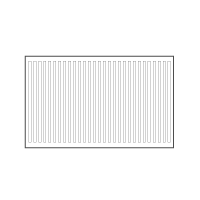
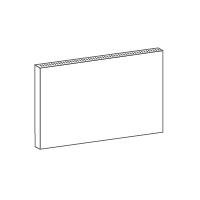
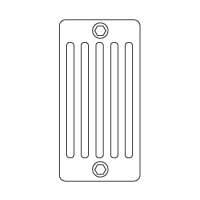
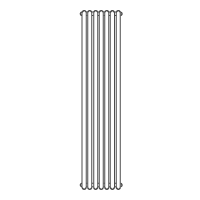
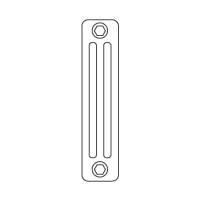
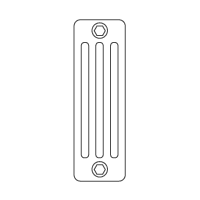
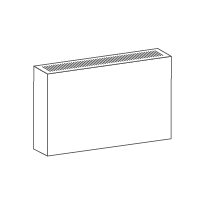
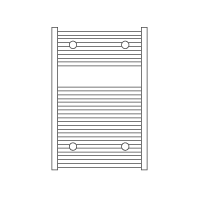
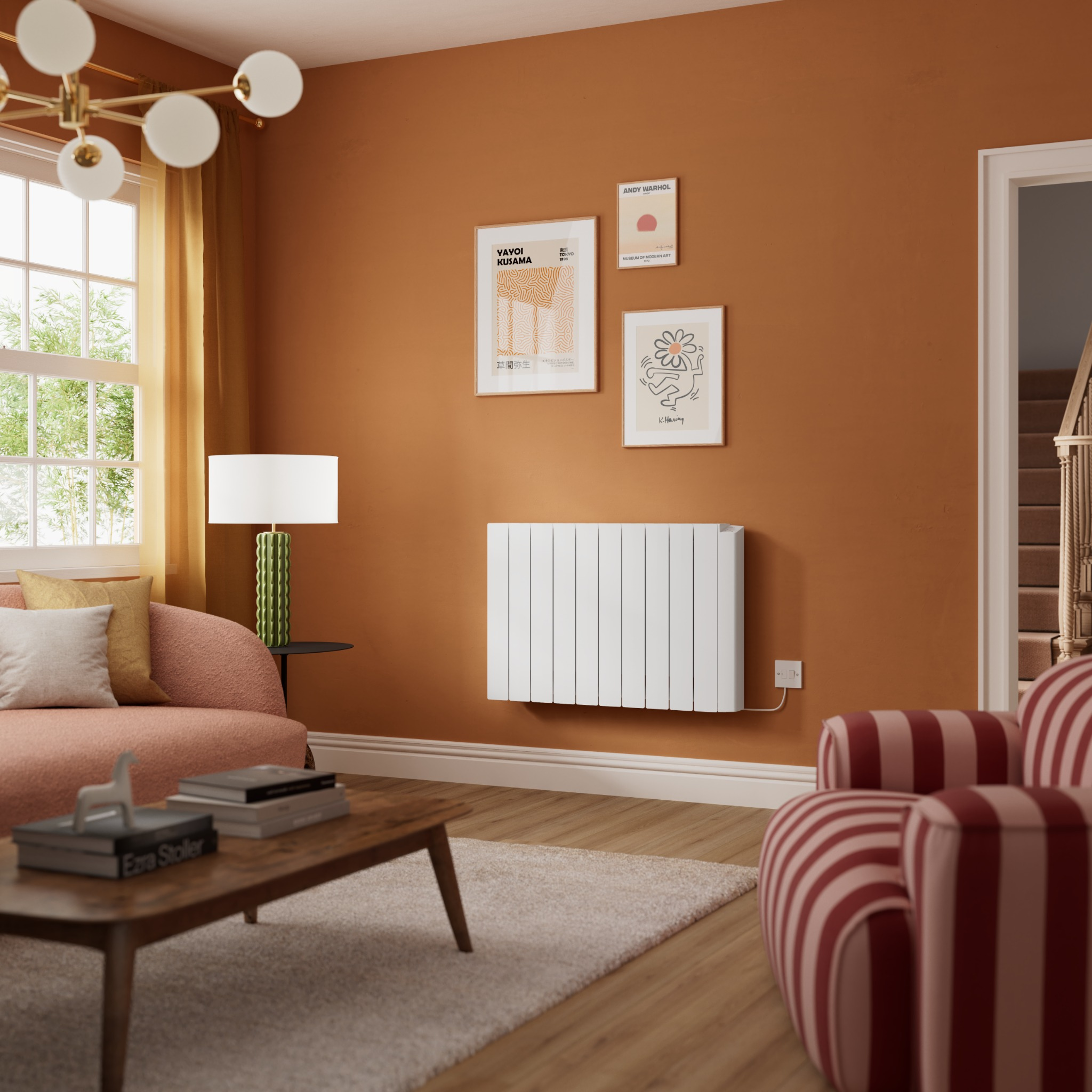
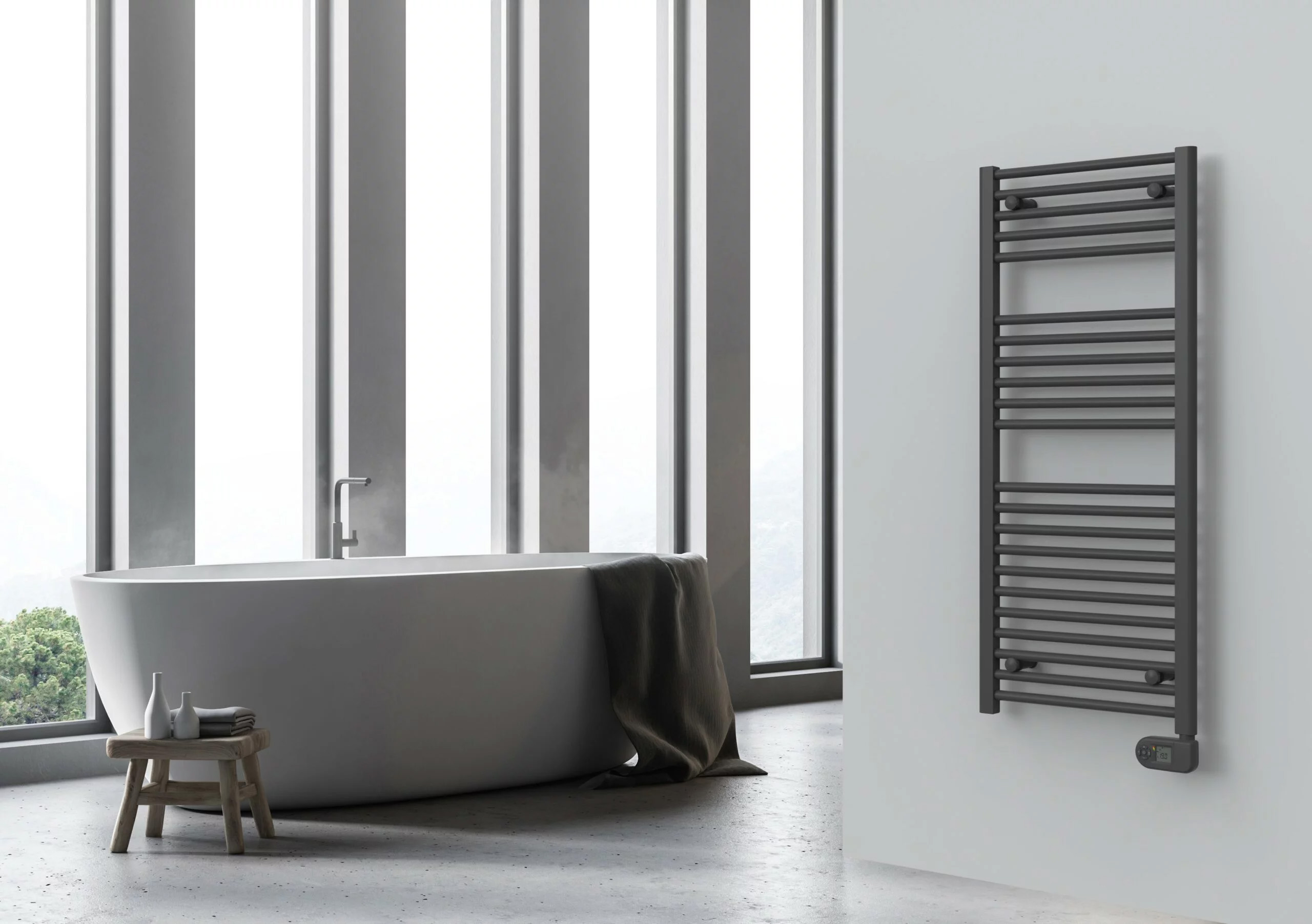
Slim profile panel electric radiators suit bedrooms, hallways and home offices where wall space is tight and a low-profile look matters. Vertical electric radiators are ideal for narrow walls, hallways and rooms with limited horizontal wall space. Designer electric radiators, including the Stelrad Cloud and Alu Simple ranges, work well as a feature in living rooms and kitchens. Electric towel radiators are the standard fit for bathrooms and en-suites, where they double as a heat source and towel warmer.
Check the Warranty and Certification
A reliable electric radiator should carry:
A heating-part warranty of at least 2 years (Stelrad Electric Series radiators carry a 5-year warranty on heating parts and 2 years on electric components). Lot 20 compliance is displayed on the product specification. An IP rating appropriate to the room (IP44 minimum for bathrooms). A CE or UKCA mark confirming the unit has passed electrical safety testing.
Plan the Installation
Most electric radiators in fixed installations connect to a fused spur fitted with a 13-amp fuse, in line with BS 7671 wiring regulations. A competent electrician will fit them in 1 to 2 hours per unit. If you are replacing a full central heating system with electric radiators across the house, an electrician should check that your consumer unit and ring main can handle the total load before installation. Stelrad’s advice hub covers installation considerations in more detail.
Electric Radiators Buying Guide FAQs
Can I leave an electric radiator on overnight?
Yes. Lot 20-compliant electric radiators include overheat protection and thermostatic cycling, so they only draw power when the room temperature drops below the set point. Many users run them on a low overnight setback temperature, typically 16°C to 18°C, rather than switching them off completely.
Do electric radiators need to be bled?
No. Electric radiators are sealed units. Fluid-filled and dry models alike do not require bleeding, topping up or annual servicing.
How long do electric radiators last?
A correctly sized, Lot 20-compliant electric radiator from a reputable manufacturer should last 15 to 20 years. The heating element is the part most likely to fail eventually, and on most modern fluid-filled and dry models, it can be replaced without changing the whole radiator.
Can I install an electric radiator myself?
You can mount the radiator on the wall yourself, but the electrical connection should be carried out by a qualified electrician in accordance with Part P of the Building Regulations. For bathroom installations, professional installation is required to meet UK wiring regulations.
If you are ready to size up specifically for your rooms, run the figures through the Stelrad heat loss calculator and then browse the full Stelrad Electric Series to find a model that matches both the output and the room. For advice on a specific project, the Stelrad team can be reached on 0800 876 6813.

 Next Working Day Delivery£18 For Next Working Day Delivery On All Products*When ordered before 2pm.*T&Cs apply