Heating a large home efficiently is rarely about turning up the thermostat. It is about giving each part of the property the right amount of warmth at the right time. That is where the best multi-zone heating control systems come in. By splitting your heating into independently controlled areas, you can warm the rooms you are actually using, leave the rest cooler, and reduce energy waste across the property.
This guide explains what the best multi-zone heating control systems are, the three main approaches available in the UK, and how to plan zones sensibly in a larger property. As the UK’s #1 radiator manufacturer since 1936, we have worked with installers, architects, and homeowners on heating systems of every shape and size, and zoning is one of the most consistent levers for improving both comfort and efficiency.
What Is a Multi-Zone Heating Control System?
A multi-zone heating control system divides a property into separate areas, each with its own temperature control, so you can heat different parts of the home independently rather than as a single block. Each zone has its own thermostat or controller and is supplied by a dedicated set of pipework, valves, or smart radiator devices that respond only when that area calls for heat.
In a typical UK home, zones might be split by floor (downstairs and upstairs), by usage (living areas, bedrooms, bathrooms), or room by room using smart thermostatic radiator valves. The aim is the same regardless of method: only heat what needs heating.
Why Do Large Homes Benefit Most from Zoned Heating?
In a small flat, the cost of heating an empty room is modest. In a four or five-bedroom property, it adds up quickly. According to the Energy Saving Trust, heating accounts for around 55 per cent of a typical UK household’s energy bills, and that proportion climbs in larger homes with more rooms to heat and greater external surface area losing heat.
Large homes also tend to share three characteristics that make zoning especially valuable:
- Non-uniform heat loss. Older extensions, rooms above garages, conservatories, and corner rooms with two or three external walls lose heat much faster than a central room.
- Mixed usage patterns. Bedrooms are not occupied during the day. Home offices are not used in the evening. Spare rooms might be empty most of the week.
- Greater temperature variation. Without zoning, the boiler heats the entire system to satisfy whichever room’s thermostat is calling for heat. Rooms close to that thermostat can overheat while distant rooms struggle to warm up.
A well-planned multi-zone heating control system addresses each of these directly.
The Three Main Types of Multi-Zone Heating Control Systems
There are three established routes to zoned heating in the UK, and the best multi-zone heating control systems usually combine elements of more than one. Choosing between them comes down to your existing pipework, the size of your home, and how granular you want your control to be.
1. Zone Valve Systems (Traditional Hard-Wired Zoning)
The traditional approach uses motorised zone valves on the heating circuit. The boiler heats water, which is then directed to different parts of the home by separate valves controlled by their own thermostats and programmers. A two-zone S-plan or Y-plan system splitting upstairs and downstairs is the most common UK setup, though three and four-zone systems are increasingly used in larger and new-build properties.
Best suited to: Large homes where the pipework is already split into discrete circuits, or new builds and major renovations where the system can be designed from scratch.
Considerations: Adding zone valves to an existing single-zone system can involve lifting floors and reworking pipework, so retrofitting is typically only worthwhile during refurbishment.
2. Smart Thermostatic Radiator Valves
Smart thermostatic radiator valves (smart TRVs) sit on individual radiators and control the flow of hot water into each one. Unlike standard mechanical TRVs, smart versions connect to a hub and let you set independent schedules and temperatures for every radiator from a single app.
Best suited to: Homes where the existing system has a single heating zone, but room-by-room control is still wanted. Smart TRVs effectively turn every radiator into its own micro-zone without touching the pipework.
Considerations: Smart TRVs control individual rooms but do not, on their own, tell the boiler when to start or stop. They work best alongside a smart thermostat that handles boiler demand. Standard thermostatic radiator valves remain a sensible, low-cost baseline for any home, and you can explore the Stelrad TRV range for compatible options that include frost protection settings for unoccupied rooms.
3. Multi-zone Smart Thermostats
A multi-zone smart thermostat is a more sophisticated version of the traditional zone valve setup. Each zone has its own smart thermostat connected through a single hub or controller, with app-based control, learning schedules, and remote access. Some systems support up to six independent zones in a single home.
Best suited to: Larger properties that already have, or are installing, multi-zone plumbing, and where homeowners want centralised smart control of each zone alongside hot water.
Considerations: Multi-zone smart thermostats only deliver true zone control if the pipework is already zoned. Without separate plumbing zones, simply adding extra thermostats will not create new zones, only extra temperature readings.
How to Choose the Best Multi-Zone Heating Control System
The best system varies by property. When weighing up your options, four questions matter most.
How is your pipework already configured?
If you have an existing S-plan or Y-plan system with multiple zone valves, you are well placed for a multi-zone smart thermostat. If your home is single-zone, smart TRVs are usually the lower-disruption route.
How many independent zones do you actually need?
Most homes benefit from between two and four zones. More zones bring finer control but also more components, more potential points of failure, and diminishing returns on energy savings.
Is your heat source staying as it is?
If you are planning to move to a heat pump or upgrade to a low-temperature system, zoning and radiator sizing both need to be reviewed together. Heat pumps work best with larger emitters at lower flow temperatures, so any zoning decision should be made with the heat source in mind.
Do you want voice or app control built in?
Most modern multi-zone heating control systems integrate with Alexa, Google Assistant, and Apple HomeKit. If that matters to you, check compatibility before buying.
Planning Zones in a Large Home
Once you have chosen the type of system, planning the zones themselves is the most impactful step. A few principles tend to work in most large UK homes.
Group rooms by usage, not just location. Living rooms, kitchens, and home offices belong in a daytime zone. Bedrooms belong in a nighttime zone. Bathrooms often benefit from being on their own short schedule because they need higher temperatures briefly.
Treat heat-loss-heavy rooms separately where possible. Conservatories, rooms above garages, and large open-plan spaces with vaulted ceilings have very different heating requirements from interior rooms. Putting them in their own zone, or at least their own smart TRV, prevents the rest of the house from being overheated to compensate.
Do not over-zone. Two well-planned zones often outperform six poorly planned ones. Each zone needs its own controller, sensor, and schedule, and energy savings tail off once you have separated the major usage patterns.
Schedule, do not just control. The biggest savings come from heating zones only when they are needed, so spend time setting realistic schedules. Smart systems with geofencing or learning algorithms can refine this automatically.
Do Not Overlook the Radiators
Smart controls can only work with the heat the radiators deliver. In a large home, underspecified radiators are one of the most common reasons a zoned system fails to perform: zones reach set temperature slowly, the boiler runs longer than it should, and savings vanish.
Two factors matter most when matching radiators to a zoned system.
Correct sizing. Each radiator needs to match the heat loss of the room it serves. Use a calculation tool such as our basic heat loss calculator, or the advanced Stelrad heat loss programme for whole-house design, to work out the BTU output required for each room.
Low-temperature performance. If you are heating with a heat pump now or in future, radiators need to deliver enough heat at flow temperatures of around 40 to 50 degrees Celsius rather than the traditional 75 degrees. Stelrad radiators are tested to BS EN 442, and we publish output data at lower delta T values across the range, so you can size correctly for any system.
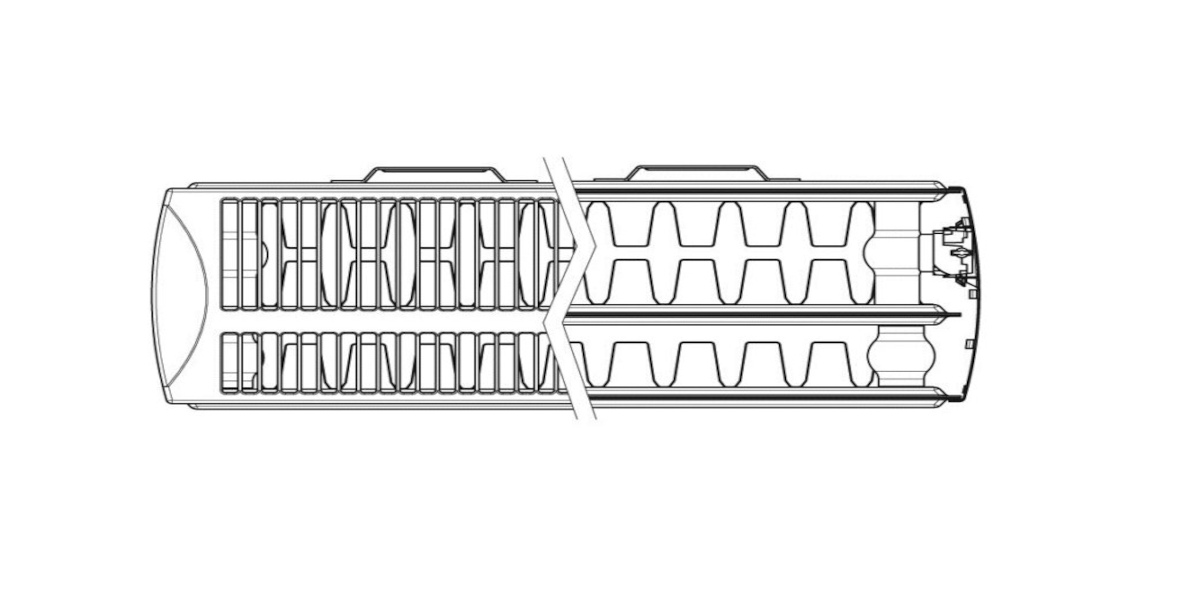
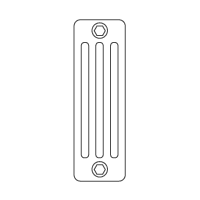
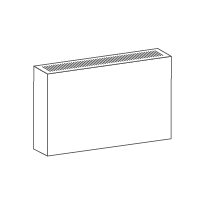
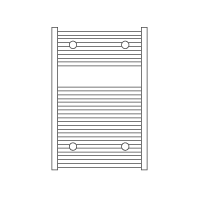
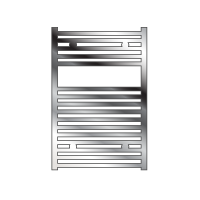
Our full radiator collection covers everything from compact steel panels to designer verticals, low surface temperature radiators, and electric options. Most horizontal steel panel radiators are backed by a 10-year warranty, with the Softline range carrying a 15-year warranty, so the foundations of any smart heating strategy stay in place long after the controls have been updated.
How Much Can Multi-Zone Heating Control Systems Save?
Manufacturer claims vary widely, but independent guidance from the Energy Saving Trust suggests that installing modern heating controls, including a programmable room thermostat and TRVs, can reduce energy use by around £90 a year for a typical UK home. In larger homes with multiple unused rooms, well-planned zoning typically pushes that figure higher because there is more heating to avoid in the first place.
The savings come from three sources combined:
- Heating only the zones currently in use.
- Running each zone at the right temperature rather than overheating the whole house.
- Heating zones only at the times they are occupied, with schedules tailored to real usage.
The clearest gains come when zoning, smart controls, and correctly sized radiators all work together. A smart thermostat alone, sitting in a hallway with no radiators on TRVs, leaves most of the savings on the table.
The Best Multi-Zone Heating Control Systems FAQs
What are the best multi-zone heating control systems?
The best multi-zone heating control systems depend on your existing pipework. Homes already configured with zone valves are well-suited to multi-zone smart thermostats supporting up to six zones. Homes with a single heating zone usually get the best results from a smart thermostat paired with smart thermostatic radiator valves on every radiator, which delivers room-by-room control without major plumbing work.
How many zones should a large home have?
Most large UK homes work well with between two and four heating zones. Common splits include upstairs and downstairs, daytime and nighttime areas, or living spaces, bedrooms, and bathrooms. Adding more than four zones offers diminishing returns and adds complexity to scheduling.
Can I add multi-zone heating controls to an existing system?
Yes, but the route depends on your pipework. If your system is already plumbed with multiple zone valves, you can add a multi-zone smart thermostat. If it is not, retrofitting zone valves usually requires lifting the flooring and reworking the pipes. Smart thermostatic radiator valves are the lower-disruption alternative for adding zonal control to a single-zone system.
Do multi-zone heating controls work with a combi boiler?
Yes. Combi boilers can support multi-zone setups using either zone valves on the heating circuit or smart thermostatic radiator valves on each radiator. The most efficient combinations use a boiler with OpenTherm or modulating control, which adjusts output to demand rather than firing fully on and off.
Are smart thermostatic radiator valves the same as multi-zone heating control systems?
Smart thermostatic radiator valves provide room-by-room temperature control, which is a form of zoning. They differ from traditional multi-zone systems because they do not require separate pipework zones; instead, each radiator becomes its own micro-zone. Many homeowners combine smart TRVs with a smart thermostat to get both room control and efficient boiler demand.
Does zoning actually save money?
Yes, when planned well. By heating only the rooms in use at the times they are needed, zoning reduces wasted energy. The Energy Saving Trust estimates that modern heating controls can save around £90 a year for a typical UK home, with larger properties typically seeing greater savings because they have more unused space to avoid heating.
Will multi-zone heating work with a heat pump?
Multi-zone controls can work with heat pumps, but zoning is approached differently. Heat pumps perform best when running steadily at low flow temperatures, so very aggressive on-off zoning can reduce efficiency. Weather compensation, correctly sized radiators, and a small number of well-planned zones usually deliver the best results.
How many radiators can be on one heating zone?
There is no fixed limit, but each zone is generally defined by what shares pipework and a single demand signal. A zone might contain three or four radiators in a typical UK home, or considerably more in a larger property. Smart thermostatic radiator valves let you sub-control individual radiators within a single zone.
Get Your Heating Strategy Right With Stelrad
A smart heating strategy is more than a thermostat. It is a system: correctly sized radiators, the right controls for your property, and zones planned around how you actually use your home. We have been manufacturing high-performance steel panel radiators in the UK since 1936, and our products meet BS EN 442 to ensure tested, comparable heat outputs across the entire range.
If you are planning a refurbishment, new build, or simply rethinking how your home is heated, start with the basic heat loss calculator to size each room correctly, then explore the full Stelrad radiator range for options to match every zone.

 Next Working Day Delivery£18 For Next Working Day Delivery On All Products*When ordered before 2pm.*T&Cs apply