If you have ever walked into your bathroom and noticed orange streaks running down your radiator, you already know what moisture can do to the wrong type of heating. Wet rooms, bathrooms, utility spaces and changing rooms all share one thing in common: persistent humidity that will eventually destroy a radiator not built to handle it. The good news is that you do not have to put up with rust, flaking paint or a radiator that looks ten years older than it actually is. You just need to pick the right one from the start.
This guide covers everything you need to know about wet room radiators, from what actually counts as a moist environment to the specific features and materials you should look for. We will also walk through how to stop a bathroom radiator rusting if you are already dealing with corrosion, and explain why Stelrad, Britain’s number one radiator brand, manufactures purpose-built options for exactly these conditions.
What Counts as a Moist Environment?
Before we get into product specifics, it helps to understand what we mean by a moist environment. It is not just about rooms that get splashed with water. A moist environment is any space where the relative humidity regularly exceeds 60%, or where condensation frequently forms on cold surfaces like walls, windows and radiators.
The most obvious example is a wet room, where no shower tray or screen separates the shower area from the rest of the space. But moist environments also include standard bathrooms with poor ventilation, utility rooms where washing machines and tumble dryers release moisture, indoor swimming pool areas, commercial changing rooms and kitchens where steam builds up over time.
In smaller, poorly ventilated rooms, household moisture has nowhere to go. It sits on surfaces, gets absorbed into materials and starts the slow process of corrosion on anything metallic that is not properly protected. If your extractor vents into the loft rather than outside, or your bathroom fan is undersized, the humidity levels in that room will be significantly higher than the rest of your home. That is the environment your radiator has to survive in, day after day.
Why Do Standard Radiators Fail in Humid Rooms?
Most standard panel radiators are manufactured from mild steel with a paint finish applied after production. In a living room or hallway, that combination works perfectly well for decades. The problem arises when you introduce persistent moisture. Mild steel is an iron-based alloy, and iron reacts with oxygen and water to form iron oxide, the reddish-brown substance we call rust.
In a wet room or bathroom, several things compromise the paint barrier. Condensation regularly forms on the radiator surface when it is switched off, and the metal is cold. Steam and airborne water droplets land on the radiator repeatedly over months and years. If the radiator is close to a shower, it may also be splashed with water mixed with soap and cleaning products that can be mildly corrosive.
Over time, the coating breaks down at its weakest points, usually around welds, edges and the bottom of the radiator where moisture collects. Once bare steel is exposed, rust spreads rapidly. What begins as a small orange spot can lead to pitting and, in the worst cases, pinhole leaks, causing actual water damage. This is why people often search for answers to “why is my radiator rusting” only a few years after installation. In most cases, the radiator was perfectly fine. It simply was not designed for the environment it was placed in.
What Should You Look for in a Rust-Proof Radiator for Bathroom Use?
Finding a genuine rust-proof radiator for bathroom or wet room installation comes down to a combination of material choice, surface treatment and design. Here is what matters most.
Corrosion-Resistant Coatings
The single most important feature of any radiator destined for a moist environment is its coating system. Radiators designed for wet rooms and bathrooms should have a multi-stage coating process that includes a zinc coating or electrophoretic deposition (also known as e-coating or cathodic electrocoating). This process uses an electrical charge to deposit a uniform, highly adhesive primer layer across every surface of the radiator, including internal channels, edges and welds that a spray-applied primer might miss.
After the zinc coating or e-coat, a high-quality powder coat topcoat is applied and cured at temperatures exceeding 180°C, creating a hard, resilient finish that is far more resistant to moisture penetration, chipping and chemical damage than a standard paint finish. Some manufacturers also apply additional treatments or use specific powder coat formulations designed to resist the slightly acidic conditions created by soap residue and bathroom cleaning products.
Material Selection
The base material matters too. While stainless steel and aluminium radiators exist, they are typically much more expensive and not always necessary if the coating system is good enough. High-quality steel with a properly applied multi-stage coating system will perform well in moist environments for years. The key is that the steel must be clean, properly pre-treated and coated under controlled factory conditions. Radiators that are painted on site or touched up after installation will never have the same level of protection as a factory-finished product.
Design That Minimises Moisture Traps
Some radiator designs are inherently better suited to humid conditions than others. Flat-fronted panels with smooth surfaces allow condensation to run off rather than collecting in grooves and crevices. Towel rail styles with open tube construction allow better air circulation, which helps the radiator dry faster after exposure to steam. Bottom connections and concealed pipework also reduce the number of joints and fittings where moisture can settle and start corrosion from the outside in.
Xtra Protection Ranges
Some manufacturers produce specific product lines designed from the ground up for high-moisture applications. These are not simply standard radiators with a different name. They feature enhanced coating systems, additional corrosion testing during production, and are backed by warranty terms that specifically cover use in bathrooms, wet rooms, changing rooms and similar spaces. If a manufacturer does not explicitly state that a product is suitable for moist environments, do not assume it is.
Best Radiator Materials for Moist Environments
When searching for radiators for moist environments, you will come across several different material options. Each has distinct advantages and trade-offs that are worth understanding before making a decision.
Coated Steel with Enhanced Protection
Steel remains the most popular material for domestic radiators in the UK, and for good reason. It heats up quickly, delivers excellent heat output relative to its size, and is competitively priced. For moist environments, the critical factor is not the steel itself but the protective coating applied to it. Steel radiators with advanced multi-layer factory coatings, such as those in the Stelrad Compact Xtra Protection range, are specifically engineered to resist the corrosive effects of moisture. These products undergo rigorous testing, which simulates years of exposure to humid conditions in a compressed timeframe, ensuring the coating holds up where a standard finish would fail.
Stainless Steel
Stainless steel contains chromium, which forms a passive oxide layer on the surface that resists corrosion naturally. This makes it an inherently rust-proof material, even without a paint finish. However, stainless steel radiators tend to be significantly more expensive than coated mild steel alternatives, and the range of styles and sizes available is more limited. They also conduct heat slightly less efficiently than mild steel, so you may need a larger unit to achieve the same heat output in a given room.
Aluminium
Aluminium does not rust in the traditional sense because it contains no iron. It does, however, oxidise, and can suffer from galvanic corrosion if it comes into contact with other metals in the heating system (particularly copper pipework) without proper inhibitor treatment. Aluminium radiators are lightweight and heat up very quickly, making them energy efficient. They work well in bathrooms, but you need to ensure your heating system water is treated with a suitable corrosion inhibitor.
Chrome and Nickel-Plated Steel
Many bathroom radiators and towel rails feature a chrome or nickel plating over a mild steel body. This provides a shiny, attractive finish and a good degree of moisture protection. The plating acts as a barrier between the steel and the humid environment. However, if the plating is scratched, chipped or poorly applied, moisture can get underneath and cause the steel to rust from within. This is why the quality of manufacture matters enormously with chrome and plated finishes. Cheap imports with thin or uneven plating can develop rust spots remarkably quickly.
Stelrad Radiators for Moist Environments
Stelrad manufactures from its UK facility in Mexborough, South Yorkshire and its production site in Nuth, the Netherlands, with research and development carried out in Belgium. This integrated European operation allows for rigorous quality control at every stage, from raw material through to the finished product.
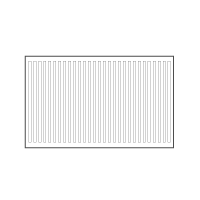
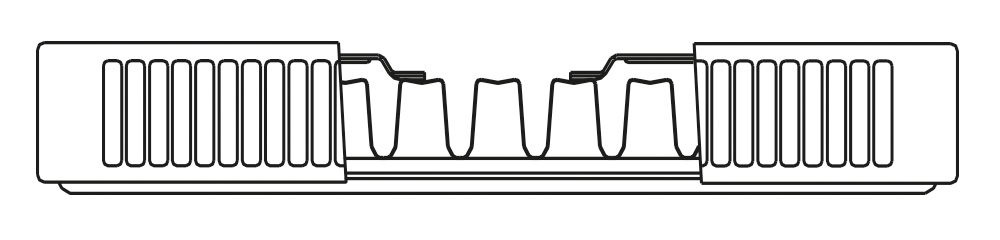
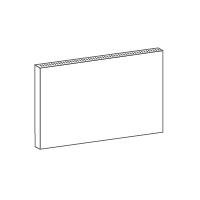
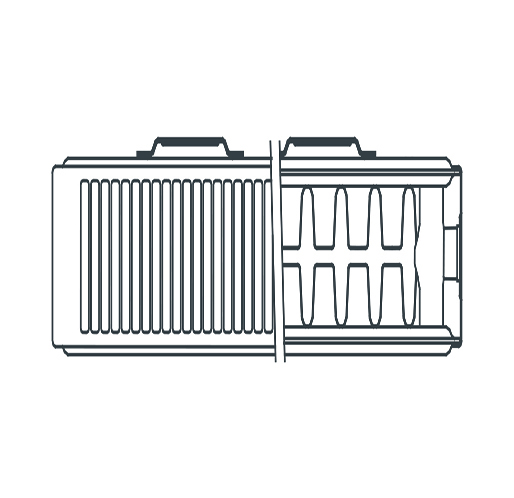
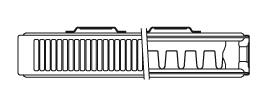
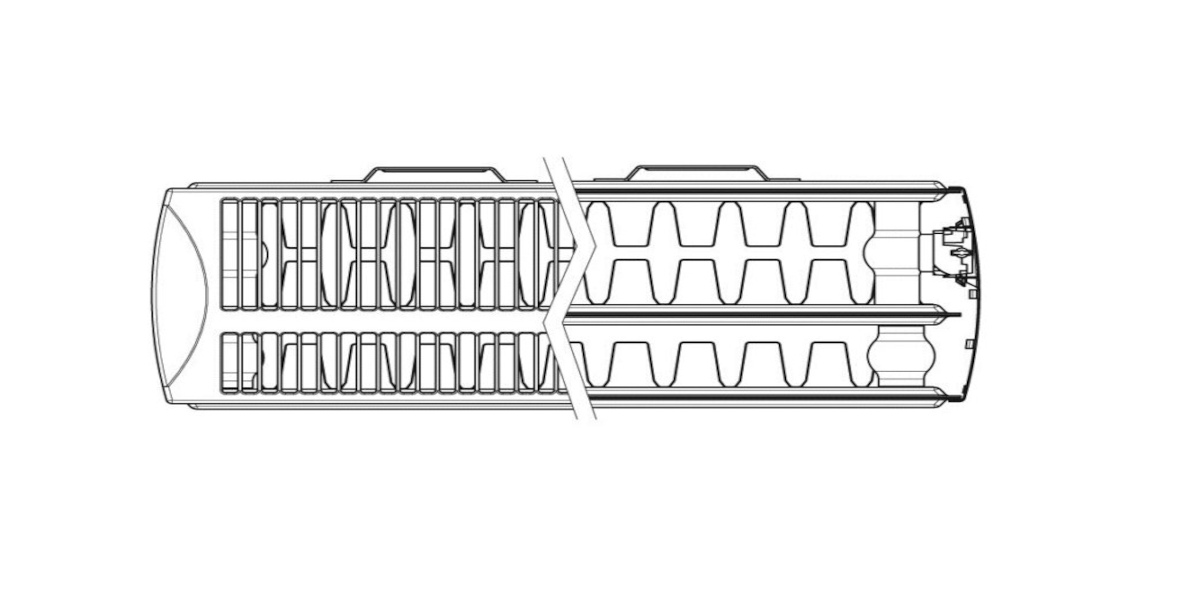
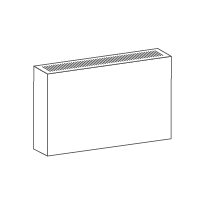
For moist environments specifically, the Stelrad Compact Xtra Protection range is purpose-built for rooms where humidity is a constant factor. These radiators go through a zinc coating process that provides total surface coverage, followed by a high-temperature cured powder coat finish that resists moisture penetration far more effectively than standard finishes. They are tested to withstand the conditions found in wet rooms, changing rooms, utility areas and bathrooms with poor ventilation.
What sets Stelrad apart from many competitors is the sheer breadth of the range. With the widest selection of steel panel radiator styles and sizes of any UK manufacturer, you are not forced to compromise on dimensions or heat output just because you need moisture protection. Whether you need a compact radiator for a small ensuite, a larger panel for a family bathroom, or radiators for utility rooms where the washing machine runs daily, there is a Stelrad product designed for the job.
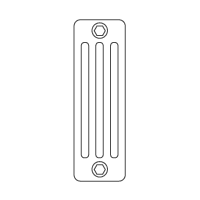
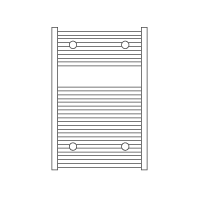
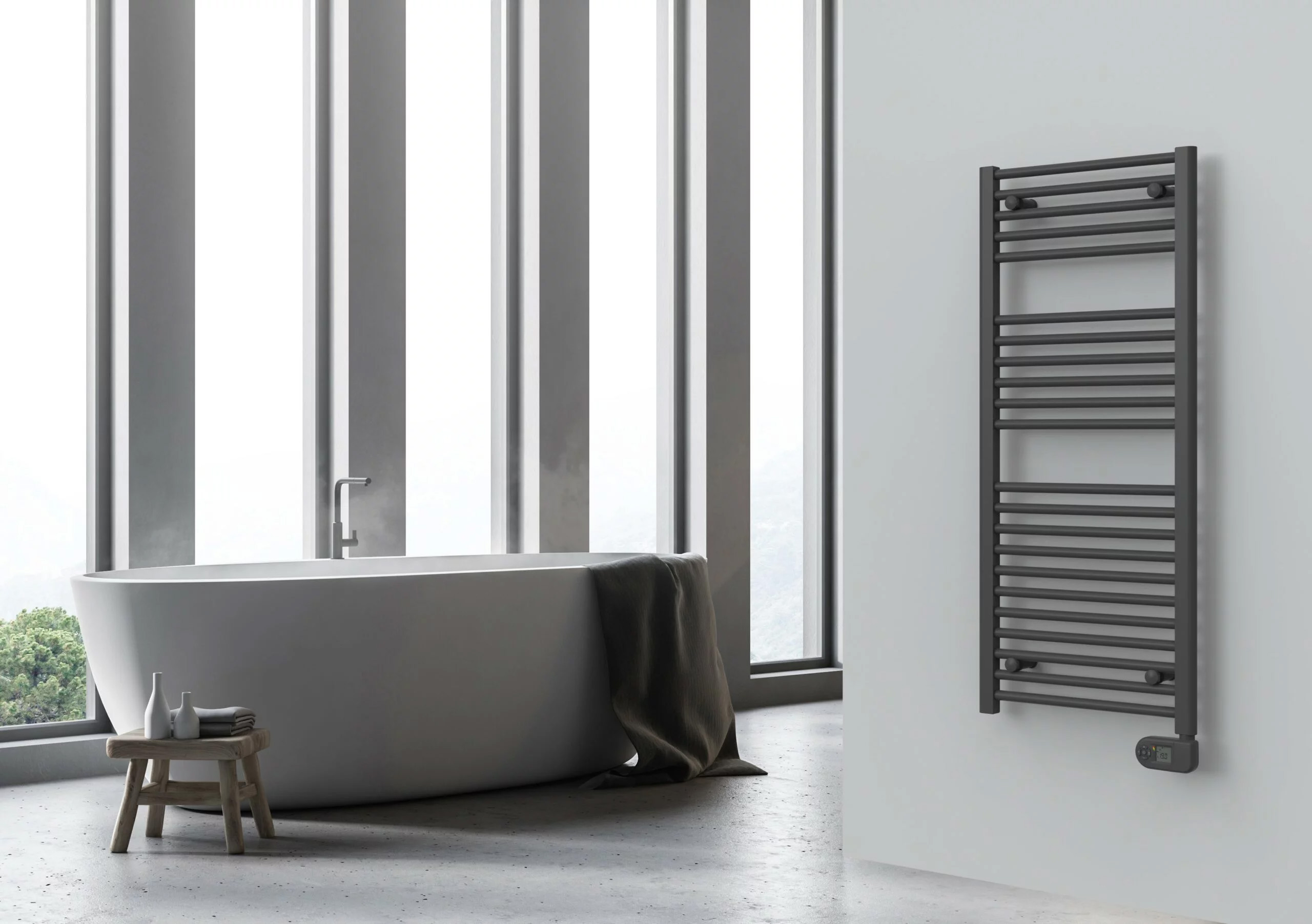
For bathrooms where aesthetics matter as much as performance, Stelrad’s towel rail range combines the functionality of a heated towel rail with genuine room heating capability. These are not decorative afterthoughts. They are properly engineered heating appliances that happen to dry your towels as well. Available in chrome, white and anthracite finishes, they suit everything from traditional to contemporary bathroom designs.
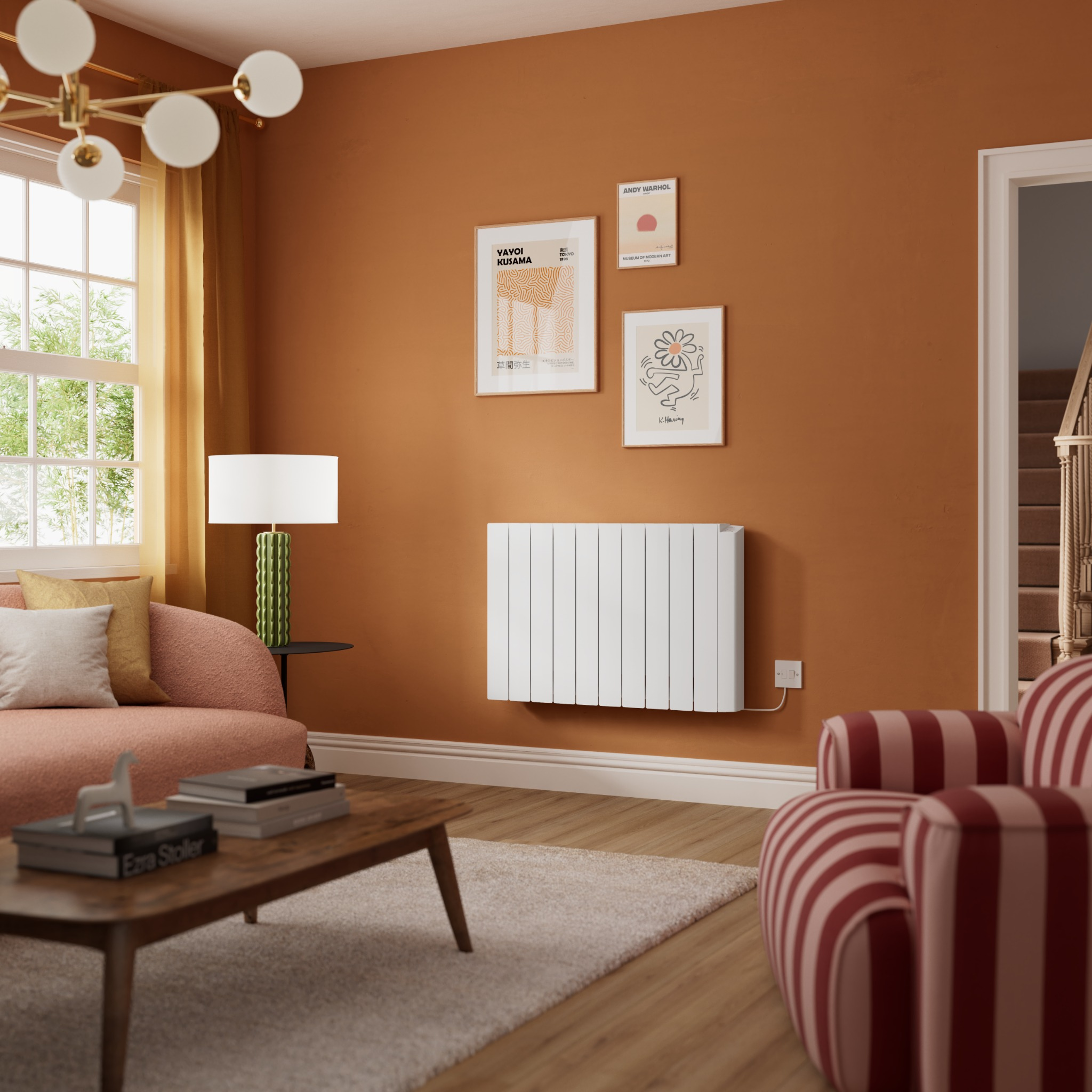
Stelrad also now offers electric radiators and electric towel rails, which are particularly useful in bathrooms or wet rooms that are being added to a property where extending the central heating pipework would be impractical or prohibitively expensive. These electric units can be wired independently and controlled separately from the main heating system, giving you heat exactly when and where you need it.
How to Stop a Bathroom Radiator Rusting
If your existing radiator is already showing signs of corrosion, or if you want to prevent it from happening in the first place, there are several practical steps you can take. Some are quick fixes, while others address the root cause of the problem.
Improve Ventilation in the Room
This is the single most effective thing you can do to protect any radiator from moisture damage, regardless of its material or coating. Reducing the ambient humidity in the room reduces the amount of moisture that condenses on the radiator surface. Make sure your extractor fan is properly sized for the room (Building Regulations Approved Document F recommends a minimum extraction rate of 15 litres per second for intermittent fans or 8 litres per second for continuous extraction (dMEV) for bathrooms), that it vents to outside rather than into the loft or ceiling void, and that it runs for at least 15 minutes after you finish showering or bathing. If you do not have a mechanical extractor, open a window after bathing to allow moist air to escape.
Dry the Radiator After Heavy Steam Exposure
It sounds simple, but wiping your radiator down with a dry cloth after a bath or shower makes a genuine difference, particularly around the bottom edge and any joints or brackets where water tends to collect. This is especially important if you have a standard radiator rather than one specifically designed for moist conditions.
Check for Damage to the Paint or Coating
Inspect your radiator regularly for chips, scratches or areas where the paint has started to bubble or flake. These are the entry points for moisture, and catching them early allows you to treat them before rust takes hold. Small chips can be touched up with a radiator-specific paint, though be aware that a touch-up will never be as durable as the original factory coating. If you notice widespread paint deterioration, it is usually a sign that the radiator should be replaced rather than patched up.
Keep Radiator Valves and Connections Dry
The points where pipework connects to the radiator are particularly vulnerable. These connections involve different metals (brass valves, copper pipes, steel radiator body), and any moisture sitting at these junctions can accelerate corrosion through galvanic reaction. Make sure connections are not weeping and wipe away any condensation that forms around valve areas.
Use a Corrosion Inhibitor in Your Heating System
While external moisture is the primary cause of bathroom radiator rust, internal corrosion can also be a factor. A quality corrosion inhibitor (such as Sentinel X100 or Fernox Protector F1) added to your central heating water will protect the inside surfaces of the radiator from the dissolved oxygen and debris that cause internal rusting. Your heating installer can add this during servicing, and it should be topped up or replaced whenever the system is drained and refilled.
Replace with a Purpose-Built Product
If you are repeatedly battling rust on a standard radiator in a bathroom or wet room, the most cost-effective long-term solution is to replace it with a product specifically designed for high-moisture environments. The upfront cost is slightly higher, but you avoid the ongoing cycle of treating rust, touching up paint and eventually replacing the radiator anyway after it fails prematurely. A properly specified wet room radiator from a reputable manufacturer will typically outlast two or three standard radiators in the same environment.
Wet Room Radiators FAQs
Why is my radiator rusting from the bottom?
Gravity draws condensation and splashed water downward, where it pools along the lower edge and around feet or brackets. Air circulation is also poorest at floor level, so moisture takes longest to evaporate here. Regular cleaning and good ventilation will slow the process, but the best long-term solution is a radiator with enhanced corrosion protection built for these conditions.
Can I use a standard radiator in a wet room?
Technically, yes, but it is not recommended. Most manufacturers will not cover premature corrosion under warranty if the radiator was not rated for moist environments. A standard radiator may show rust within two to three years in a wet room with poor ventilation, while a properly specified alternative with correct ventilation should last a decade or more. The modest price premium is easily justified.
Are towel rail radiators more resistant to moisture than panel radiators?
Not necessarily. A chrome-plated towel rail offers good surface resistance, but if the plating is thin or damaged, the mild steel beneath rusts just as readily. What matters is the quality of the coating and whether the product is specifically rated for wet or humid environments, not the style of radiator.
Do electric radiators rust in bathrooms?
They face the same external corrosion risks as any radiator in a humid room. If fitting an electric radiator or towel rail in a bathroom, ensure it carries an appropriate IP (Ingress Protection) rating for its zone. UK wiring regulations (BS 7671) require electrical appliances to meet the IP rating for the specific bathroom zone they occupy.
How long do wet room radiators typically last?
A quality wet room radiator, correctly installed in a well-ventilated room, should last 15 to 25 years, comparable to a standard radiator in a dry room. Poor ventilation, harsh cleaning chemicals, coating damage and untreated heating system water are the main factors that shorten the lifespan.
What is the best radiator material for a bathroom?
For most UK bathrooms, steel with a factory-applied multi-stage corrosion-resistant coating offers the best balance of heat output, cost and durability. Stainless steel is inherently rust-proof but more expensive with fewer size options. Aluminium is lightweight and efficient, but needs careful system water management. A quality coated steel product from a manufacturer like Stelrad suits most homeowners well.
Does keeping the heating on prevent radiator rust?
It helps because warm metal attracts less condensation. But it is not a complete solution, when the heating turns off, condensation will still form on a cooling radiator in a humid room. It is also expensive as a primary strategy. Proper ventilation and a suitably rated radiator are far more effective.

 Next Working Day Delivery£18 For Next Working Day Delivery On All Products*When ordered before 2pm.*T&Cs apply