If you have ever stood in front of a covered radiator and wondered whether you are literally paying to heat the inside of a wooden box, you are not alone. The question of whether radiator covers block heat is one of the most common queries from homeowners across the UK, and the answer is more nuanced than a simple yes or no.
Here is the short version: yes, radiator covers do reduce heat output. The extent of that reduction depends entirely on the cover design, the materials used, and how the cover interacts with airflow. Studies referenced by the Energy Saving Trust suggest a poorly designed cover can reduce heat output by as much as 20 to 30 %. That is a significant chunk of your heating bill going to waste.
But covers are not always a bad idea. There are situations where they make perfect sense, from child safety to aesthetics. The key is understanding how they affect performance and what you can do to minimise any heat loss.
Do Radiator Covers Actually Block Heat?
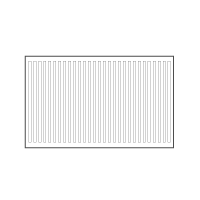
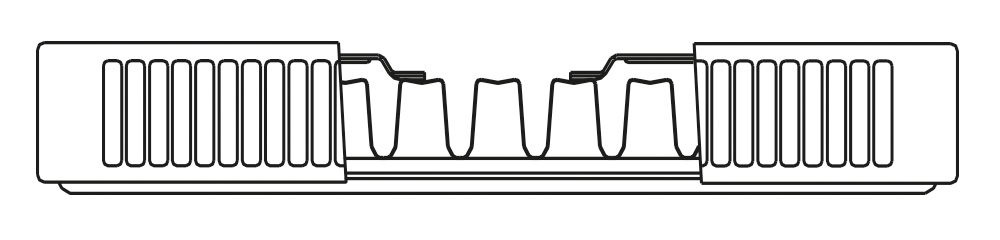
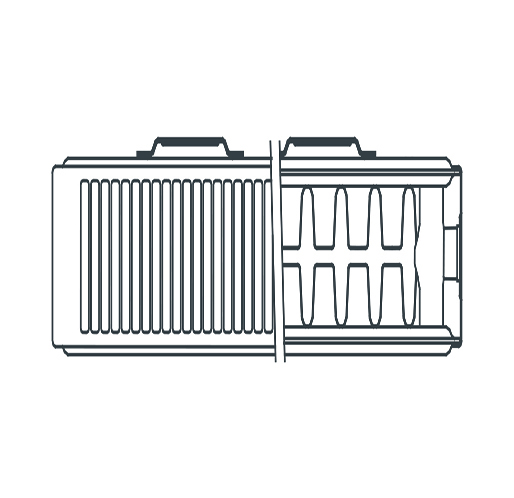
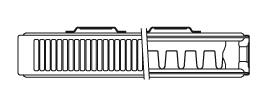
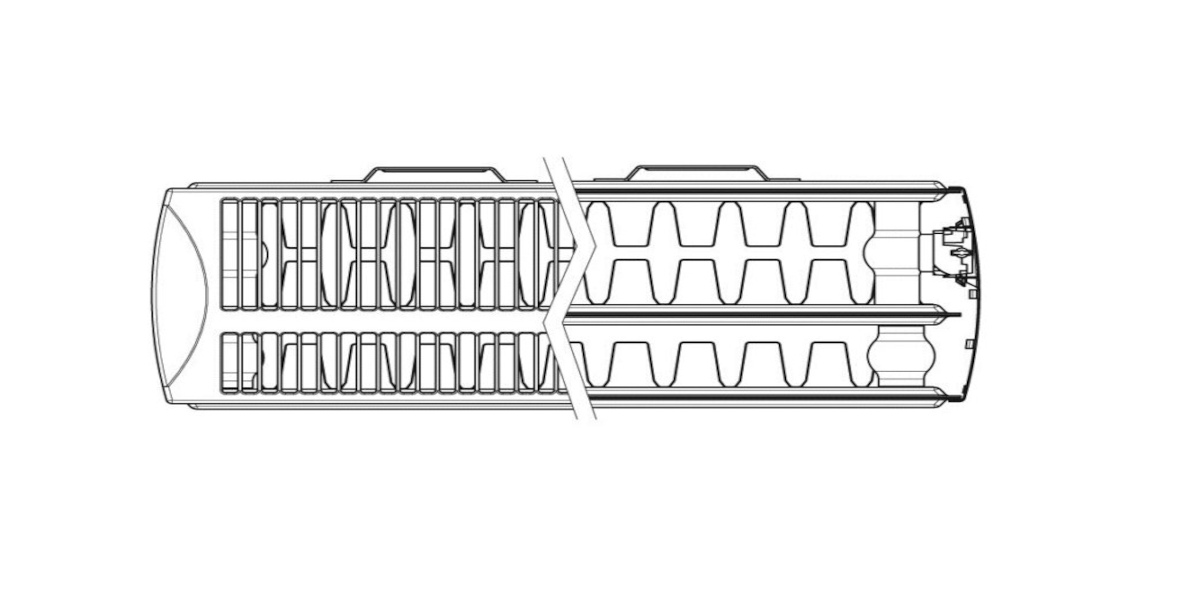
To understand why covers reduce heat output, it helps to know how radiators work. Most modern panel radiators deliver heat through two methods: radiation and convection. Radiation accounts for roughly 20 to 30 % of heat output, where infrared energy travels directly from the hot panel surface into the room. Convection handles the remaining 70 to 80 %, as cool air is drawn in at the bottom, heated as it passes over the fins and panels, and then rises into the room.
A radiator cover interferes with both processes. A solid panel in front of the radiator blocks infrared heat from reaching the room directly. The cover itself will warm up over time, but it will never reach the same surface temperature as the radiator, so it radiates less heat into the space.
Convection is where covers cause the most trouble. A radiator relies on a continuous cycle of cool air entering from below and warm air exiting from above. If a cover restricts that airflow by sitting too close, having insufficient ventilation gaps, or featuring a solid top panel, the convection cycle slows down, the temperature differential drops, and the radiator becomes less efficient. The Building Research Establishment notes that any obstruction around a radiator, whether furniture, curtains, or a cover, will reduce its effective output.
How Much Heat Do Radiator Covers Actually Lose?
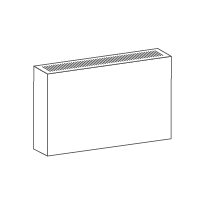
As a general guide: A well-designed cover with an open or lattice front, generous top ventilation, and adequate clearance might reduce heat output by around 5 to 10 %. A moderately restrictive cover with a mesh or grille front typically reduces output by 10 to 20 %. A poorly designed cover with solid front and top panels and tight clearances can reduce output by 20 to 30 % or more, effectively asking your boiler to work significantly harder to maintain the same room temperature.
To put this into real numbers: if your radiator has a rated output of 1,500 watts and a cover reduces that by 20 %, you are losing 300 watts of heating capacity. Over a typical UK heating season of around 2,000 hours, that is 600 kWh of wasted energy. At current gas prices of around 6.76p per kWh (Ofgem price cap, April 2025), that equates to roughly £40 per radiator per year. Covers on five radiators could mean £200 in additional heating costs annually.
Running a heat loss calculator for your rooms can help you understand whether your radiators have enough spare capacity to cope with the reduced output a cover introduces.
What Makes a Radiator Cover Heat-Efficient?
Why Does the Front Panel Design Matter So Much?
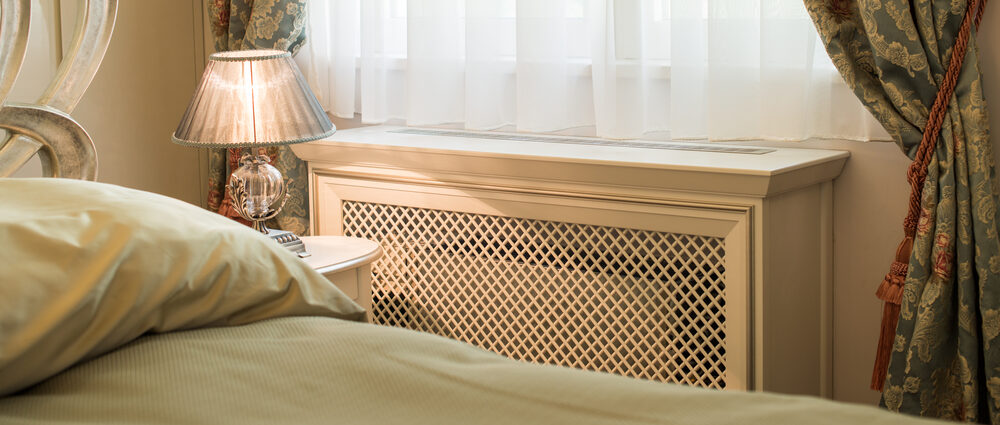
The front panel has the biggest single impact on performance. A solid front blocks virtually all radiated heat and restricts airflow significantly. A lattice, mesh, or slatted front allows both radiant heat and air to pass through more freely. Aim for a front panel where at least 40 to 50 % of the surface area is open.
How Important Is Top Ventilation?
Arguably more important than the front panel. Warm air naturally rises, and the top of the cover is where heated air needs to exit freely. A solid top is one of the biggest design mistakes, trapping the warmest air inside the cover. The ideal cover either has no top panel at all or features generous slatted or mesh openings. If ordering to measure, aim for at least 50 % of the top surface to be open.
Does the Gap at the Bottom Affect Heat Output?
Yes. The bottom gap is where cool air enters to be heated by the radiator. Without an adequate gap, the convection cycle cannot function properly. Allow a clear gap of at least 50mm at the bottom, though 75mm to 100mm is better.
What About Clearance Between the Radiator and the Cover?
Allow 30mm to 50mm of clearance on all sides between the radiator and the cover. This allows air to circulate through the radiator panels and prevents the cover from absorbing energy and re-radiating it back toward the wall rather than into the room.
Does the Material of the Cover Make a Difference?
Yes, though less than the design factors above. Metal covers conduct and re-radiate heat more efficiently than wood or MDF. If choosing a painted wooden or MDF cover, opt for a lighter colour, as darker colours absorb more radiant heat and reduce the energy passing through to the room.
Do Covers Affect the Output of Specific Radiator Types More Than Others?
Panel Radiators
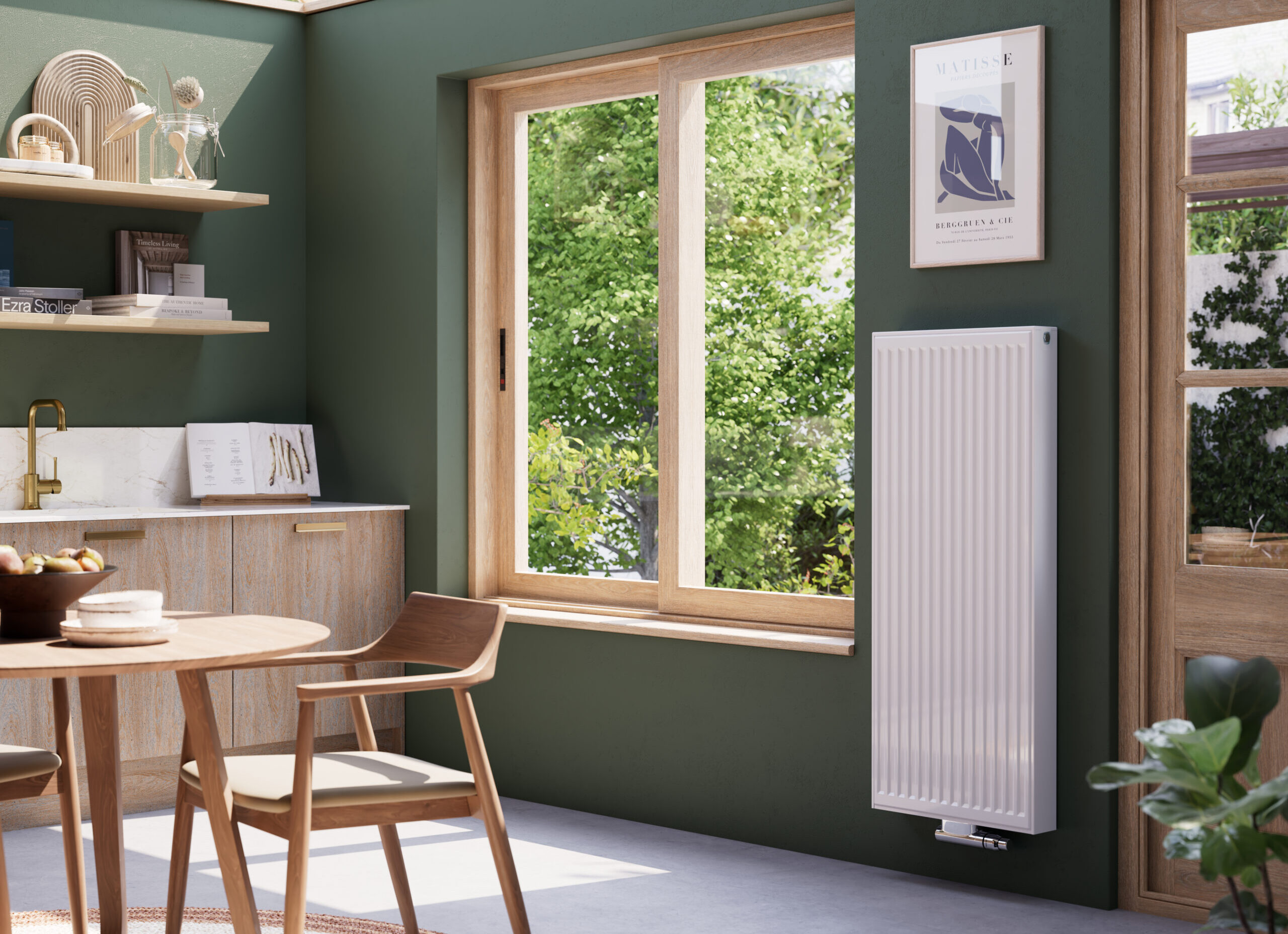
Standard steel panel radiators are particularly affected by covers because they rely heavily on convection. Double and triple-panel radiators are affected more in absolute terms because a higher proportion of their output comes from convection fins. If planning to fit covers over double-panel radiators, check whether the radiator has enough rated output to still heat the room with a 10 to 20 % reduction.
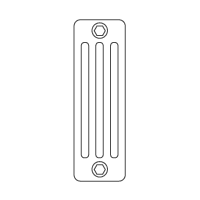
Column Radiators
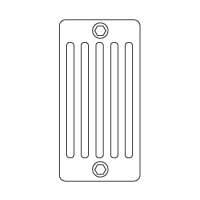
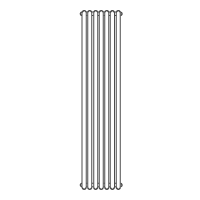
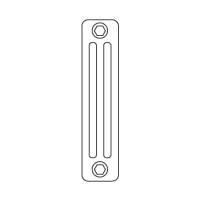
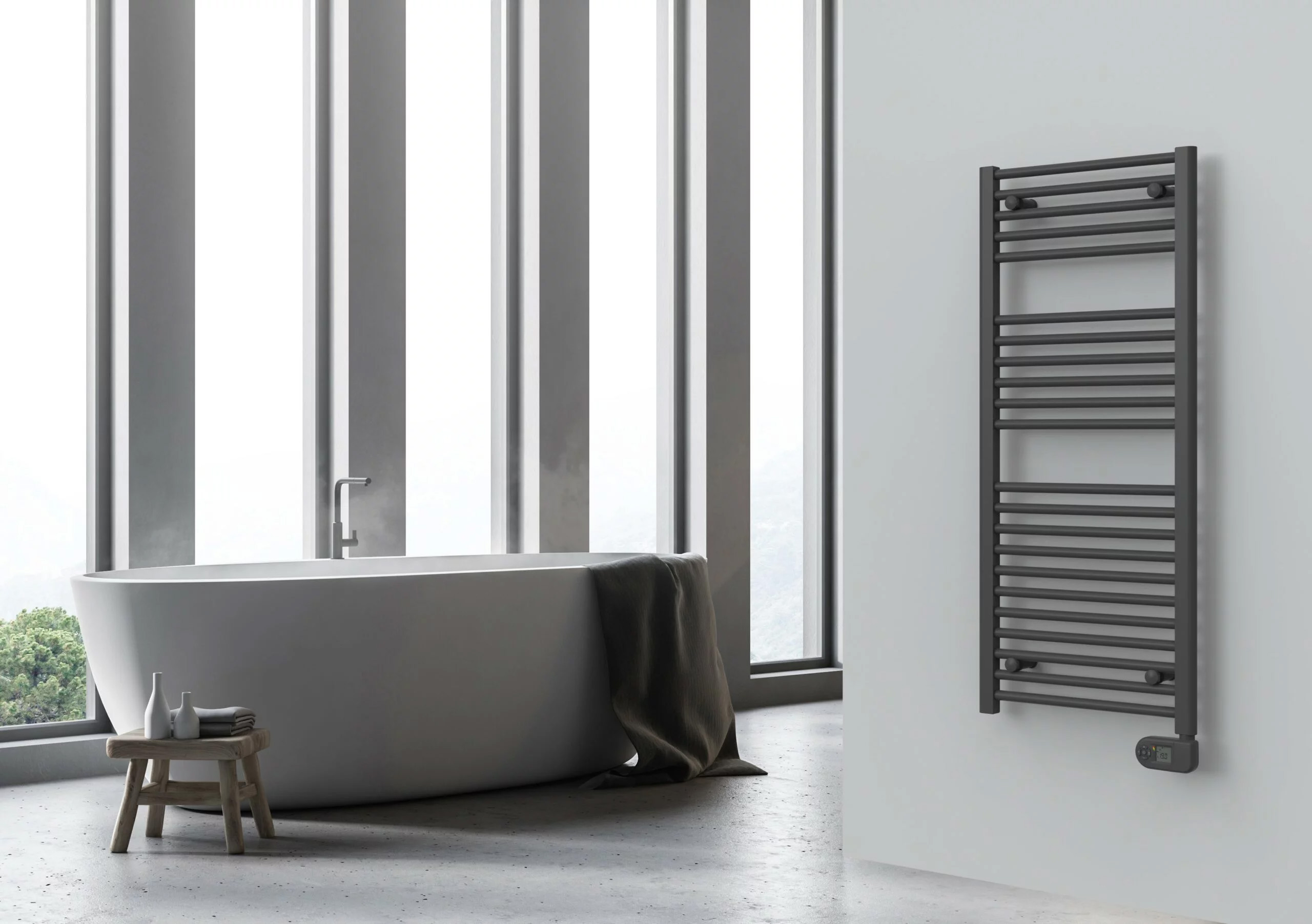
Traditional column radiators allow air to flow between their cylinders relatively freely, so a well-designed cover can work reasonably well. However, column radiators are typically chosen for their aesthetics, so covering them defeats much of the purpose. The same applies to designer and vertical radiators, which are intended to be seen and whose heat distribution patterns are carefully engineered. Covering them hides the design and can significantly alter performance.
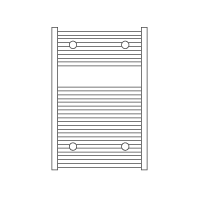
Designer and Vertical Radiators
If you have invested in radiators for living rooms that double as design features, covering them is generally counterproductive. Modern designer radiators are created to look good while performing well. Vertical radiators, flat panel designs, and sculptural styles are intended to be seen. Covering them not only hides the design you paid a premium for but can also significantly alter their heat distribution patterns, which are often carefully engineered.
Low Surface Temperature (LST) Radiators
Low Surface Temperature (LST) radiators already come with an integrated casing designed to allow adequate airflow while keeping surfaces safe. Adding a decorative cover on top doubles the restriction and substantially reduces heat output. It is unnecessary and inadvisable.
Electric Radiators
Electric radiators introduce additional safety considerations. Restricting airflow around an electric radiator could cause overheating, trigger safety cut-outs, or create a fire risk. Most manufacturers explicitly advise against covering electric radiators, and doing so may void the warranty.
Radiator Cover Ideas That Minimise Heat Loss
Open-Top Shelf Designs
A shelf mounted above the radiator with a decorative front panel but no top enclosure is one of the most effective approaches. The shelf provides a useful surface while leaving the top completely open for hot air to escape. This design typically causes the least heat loss, often in the 5 to 10 % range.
Metal Mesh or Perforated Metal Covers
Metal covers, particularly perforated steel or expanded mesh, allow significantly more heat to pass through than wooden equivalents and offer minimal resistance to airflow. Bespoke metal covers can be made with cut-out patterns that look striking while maintaining high ventilation levels.
Reflective Backing
Fitting radiator reflector panels to the wall behind the radiator can recoup some heat regardless of which cover you choose. Reflective panels typically cost between £5 and £15 per radiator and can redirect 5 to 10 % of heat output back into the room, particularly useful on external walls.
Slatted Front Panels with Wide Spacing
Horizontal or vertical slatted front panels with gaps of 10mm or more provide a clean, modern look while allowing good airflow and radiant heat to pass through. The wider the gaps, the better the heat performance.
Getting the Most from Your Radiator Cover
Consider Upsizing Your Radiator
If you know you are going to use a cover, factor the heat loss into your radiator selection. Choosing a radiator with 15 to 20 % more output than the room strictly requires gives you a buffer to absorb the reduction a cover introduces.
Keep the Radiator and Cover Clean
Dust accumulates inside radiator covers and on radiator fins, further reducing heat transfer. At the start of each heating season, remove the cover and vacuum the radiator fins thoroughly. A layer of dust acts as additional insulation between the radiator and the room.
Bleed Your Radiators Regularly
A covered radiator that has air trapped inside it is working even harder than it needs to. Air pockets prevent hot water from filling the entire radiator, reducing the effective heating surface area. This problem is compounded by a cover that is already restricting output. Bleed your radiators at the start of each heating season and any time you notice cold spots when the heating is on.
Make Sure the Cover Is Easy to Remove
You will need to access the radiator for bleeding, cleaning, and TRV adjustments. Choose a cover that can be removed without tools. Screw-on covers tend to be left in place for years, accumulating dust and hiding developing leaks.
Do Not Block the TRV
Thermostatic radiator valves sense the air temperature around them to regulate heat output. If a cover encloses the TRV, the valve senses the higher temperature inside the cover rather than the actual room temperature and shuts off prematurely. Make sure the TRV is either outside the cover or positioned where it can sense room air temperature accurately.
When Does It Make Sense To Have a Radiator Cover?
Covers make sense when you have young children who could burn themselves on a hot radiator surface, when you have a particularly unattractive radiator you cannot yet replace, or when a radiator clashes with the decor of a room.
Covers do not make sense if you are already struggling to heat a room adequately, if you have a modern designer radiator built to look good uncovered, or if reducing heating bills is a priority. In many cases, putting the £80 to £200 you might spend on a decent cover toward a modern replacement radiator is a better use of money. A correctly sized replacement will heat the room more efficiently, look better, and last for decades.
With energy prices remaining a significant concern for UK households, the calculation has shifted. What seemed like a minor trade-off when gas was 3p per kWh becomes more significant at nearly 7p per kWh. The trend in modern home design is also moving toward radiators that are attractive enough to be left uncovered. If your main motivation is aesthetic, it is worth exploring what current radiator ranges can offer before committing to a cover that will reduce your heating efficiency year after year.
Radiator Covers FAQs
Do radiator covers make a room colder?
A cover reduces the effective heat output of the radiator behind it, typically by 5 to 30 %, depending on design. If the radiator was only just adequate for the room beforehand, you will likely notice a drop in comfort. If it has significant spare capacity, the difference in room temperature may not be obvious, though the boiler will still run longer to compensate.
Can I put a radiator cover over a double-panel radiator?
You can, but double-panel radiators rely heavily on convection from their twin sets of fins, and a cover will restrict that airflow, potentially reducing output by 15 to 25 %. Choose a cover with maximum ventilation at both top and bottom, and ensure adequate clearance between the radiator panels and the inside of the cover.
Do radiator covers save energy?
No. Covers reduce the heat reaching the room, so the boiler runs longer to achieve the desired temperature. Energy consumption stays the same or increases slightly.
Is it safe to put a radiator cover over any radiator?
Covers are generally safe over standard wet central heating radiators, provided they do not touch the radiator surface and allow adequate ventilation. Do not cover electric radiators unless the manufacturer specifically states it is safe, as restricting airflow around them can create overheating risks.
What is the best material for a radiator cover?
From a heat efficiency standpoint, metal is best as it conducts and re-radiates heat more effectively than wood or MDF. However, if choosing wood or MDF, prioritise ventilation in the design over material choice, as airflow has a bigger impact on performance than what the cover is made from.
How far should a radiator cover be from the radiator?
Allow a minimum of 30mm to 50mm clearance on all sides between the radiator and the cover. Leave a gap of at least 50mm at the bottom for convection airflow, with 75mm to 100mm preferred. At the top, either leave the cover open or ensure at least 50 % of the top surface is ventilated.
Will removing radiator covers reduce my heating bills?
Removing covers allows radiators to operate at their full rated output, meaning the boiler reaches the set room temperature faster and runs for less time. For most UK homes, removing covers is one of the simplest ways to improve heating efficiency with no capital expenditure required.

 Next Working Day Delivery£18 For Next Working Day Delivery On All Products*When ordered before 2pm.*T&Cs apply