Most homeowners don’t think twice about how their radiator looks until something changes.
If you’ve noticed a radiator colour change, whether it’s yellowing, rust spots, or uneven fading, it could be more than just cosmetic. In many cases, radiator discolouration is your heating system’s way of signalling that something isn’t quite right.
So, if you’re wondering why your radiator is changing colour, we’re here to break it down clearly. From harmless surface changes to early signs of deeper issues, understanding what’s happening can help you act quickly and avoid bigger problems later.
Why Are Radiator Colour Changes Often Ignored?
It’s easy to dismiss radiator discolouration as normal wear and tear. After all, radiators are constantly exposed to heat, dust, and daily use. But here’s the issue. Many homeowners only focus on performance, not appearance. If the radiator is still producing heat, it’s often assumed everything is working as it should.
In reality, visual changes like radiator staining, yellowing, or rust spots on radiator surfaces can be early warning signs. These changes often appear long before performance drops, making them one of the first indicators that something needs attention. Ignoring them can allow small issues to develop into more costly repairs over time.
How Can Visual Changes Signal Underlying Issues?
Your radiator’s surface tells a story about what’s happening both inside and around your heating system.
When you notice radiator paint discolouration, it’s usually linked to one or more underlying causes:
- Internal corrosion is developing within the system.
- Poor water circulation is affecting heat distribution.
- Hidden moisture or slow leaks.
- Repeated exposure to high or uneven heat.
- Chemical imbalance in your system water.
Here’s where it gets important. Issues like corrosion on radiators often begin internally and gradually show on the surface. By the time you see visible changes, the process may already be underway.
That’s why spotting these signs early makes such a difference.
What Should a Healthy Radiator Look Like?
A healthy radiator should have a clean, consistent finish across the entire surface. There should be no signs of:
- Radiator discolouration or uneven colour patches.
- Peeling or flaking paint.
- Rust spots on radiator panel.
- Visible radiator surface damage.
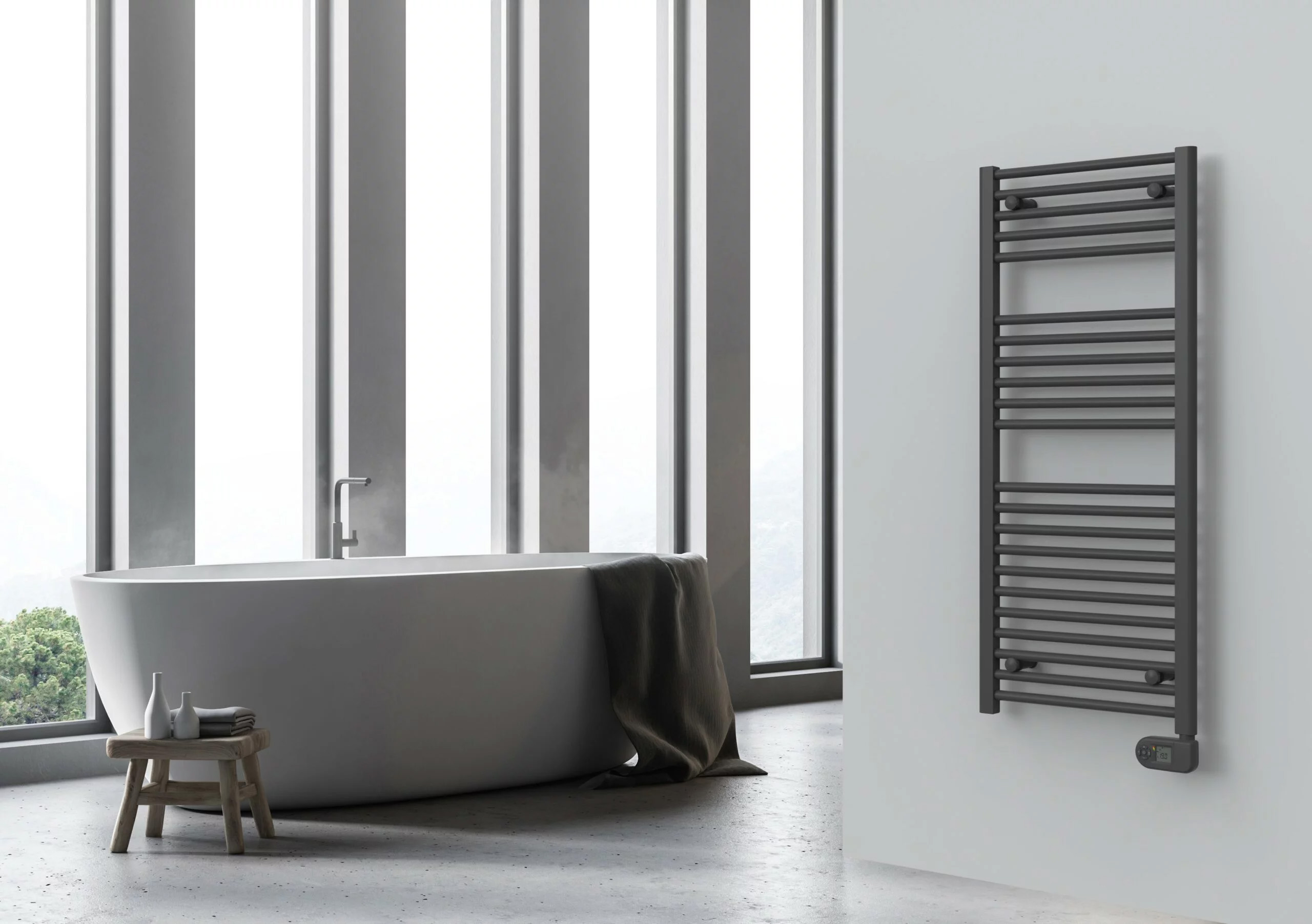
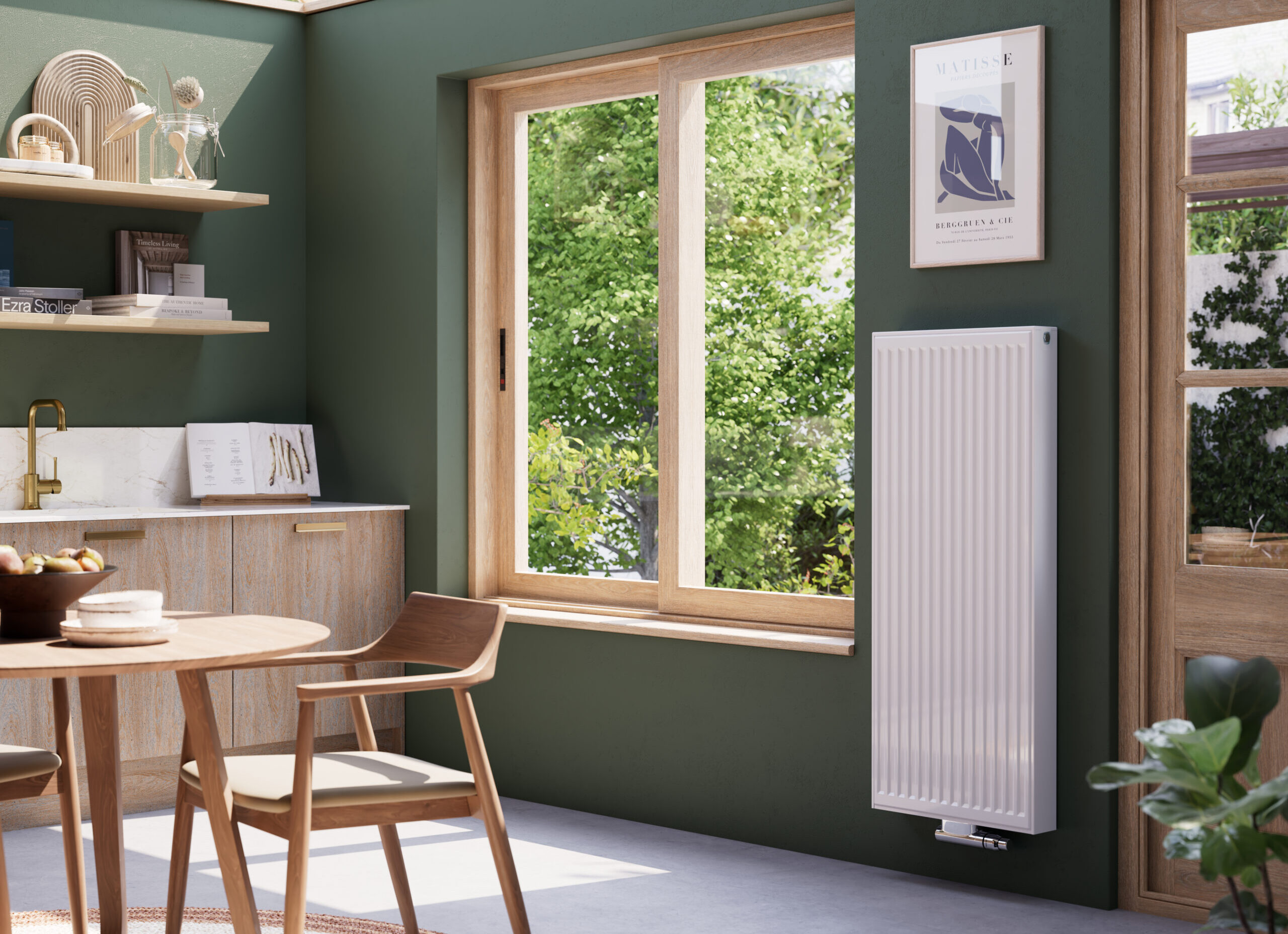
Modern heating solutions, such as our Radiators, are designed with durable finishes that resist heat and everyday wear. When properly maintained, they should retain their appearance and performance for years.
If yours doesn’t look like this, it’s worth investigating further.
Quick Guide: Why Is My Radiator Changing Colour?
Here are some of the different types of radiator colour change you may see and what they typically indicate:
- Yellowing → Heat exposure combined with dust or airborne particles.
- Brown or orange spots → Rust forming due to moisture and corrosion.
- Black streaks → Dust patterns caused by airflow around the radiator.
- Bubbling paint → Moisture trapped beneath the surface.
- Patchy fading → Breakdown of paint from repeated heating cycles.
This quick check can help you understand whether you’re dealing with a minor cosmetic issue or something more serious.
What Do Different Radiator Colour Changes Mean?
Radiator colour changes can vary in appearance, but each type often points to a specific cause. While some are purely cosmetic, others may indicate underlying issues that shouldn’t be ignored.
Yellowing: A Common Cosmetic Issue
Yellowing is one of the most frequent changes, particularly on white radiators. It typically occurs when heat interacts with dust, cooking residue, or airborne particles that settle on the surface over time. As the radiator heats up, these particles effectively “bake in,” leading to a yellow tint.
In most cases, this is harmless and linked to environmental factors. However, uneven or rapid yellowing may suggest excessive heat exposure or poor ventilation within the room.
Rust-Coloured Spots: Early Signs of Corrosion
Brown or orange marks are often a sign of rust forming on the radiator surface. This happens when moisture comes into contact with exposed metal, usually through small chips or scratches in the paint.
Unlike yellowing, rust should be taken seriously. It can spread over time and may indicate deeper issues within your heating system, such as trapped air or poor water quality. Left untreated, it can weaken the radiator’s structure.
Fading or Uneven Paint: Wear from Heat Exposure
Over time, repeated heating cycles can cause radiator paint to break down. This often results in fading, dullness, or uneven colouring across the surface.
While this type of discolouration is usually linked to natural wear and tear, it can make radiators look older than they are. In some cases, minor staining may also appear due to condensation or small leaks.
Dark Marks and Streaks: Airflow and Dust Build-Up
Dark streaks or patches are typically caused by airflow patterns within a room. As warm air moves around the radiator, it can carry dust particles that settle in specific areas, creating visible marks.
These are generally not a sign of damage but do indicate a build-up of dust and may highlight areas where cleaning or repositioning could improve airflow.
Bubbling or Peeling Paint: A Sign of Moisture Issues
If the paint on your radiator begins to bubble, peel, or lift, it is often a sign that moisture has become trapped beneath the surface. This can be caused by leaks, condensation, or prolonged exposure to damp conditions.
This type of damage should be addressed quickly, as it can lead to further deterioration and may expose the underlying metal to corrosion.
Is Radiator Discolouration a Serious Problem?
Not all discolouration is serious, but it should never be ignored. Surface-level issues like mild radiator paint discolouration are usually easy to fix. However, problems linked to corrosion on radiators or recurring radiator staining can indicate deeper system issues.
Left unresolved, these can lead to:
- Reduced heating efficiency.
- Increased energy usage.
- Structural damage.
- Potential leaks.
In some cases, upgrading to a more durable option like our designer radiators can provide a long-term solution, combining performance with improved resistance to wear.
How Can You Investigate a Colour Change Safely?
Before taking action, it’s important to assess the situation carefully.
Start with a simple visual inspection:
- Make sure the radiator is completely cool.
- Look for flaking paint or exposed metal.
- Check for moisture or damp patches.
- Feel for uneven heat across the surface.
If the issue appears to be minor radiator discolouration, cleaning may be enough. However, if you notice spreading rust or deeper radiator surface damage, it’s best to avoid DIY fixes and seek professional advice.
How Can You Fix and Prevent Radiator Colour Changes?
Preventing radiator colour change starts with regular maintenance and good system care. Keeping radiators clean helps prevent dust build-up that can lead to yellowing or staining. Ensuring your heating system is properly balanced and treated reduces the risk of internal corrosion.
When Should You Seek Professional Advice?
Some cases of radiator discolouration require expert attention. If you notice persistent rust spots on radiator surfaces, ongoing radiator staining, or clear signs of radiator corrosion, it’s time to bring in a professional.
These issues can be linked to internal system problems, such as sludge build-up or poor water treatment, which need specialist equipment to resolve. Acting early not only protects your radiator but also ensures your entire heating system continues to run efficiently.
Keeping Your Radiators Looking and Performing Their Best
Your radiator isn’t just a functional feature. It plays a key role in both your home’s comfort and appearance. By paying attention to radiator colour change, you can catch issues early, maintain efficiency, and extend the lifespan of your heating system.
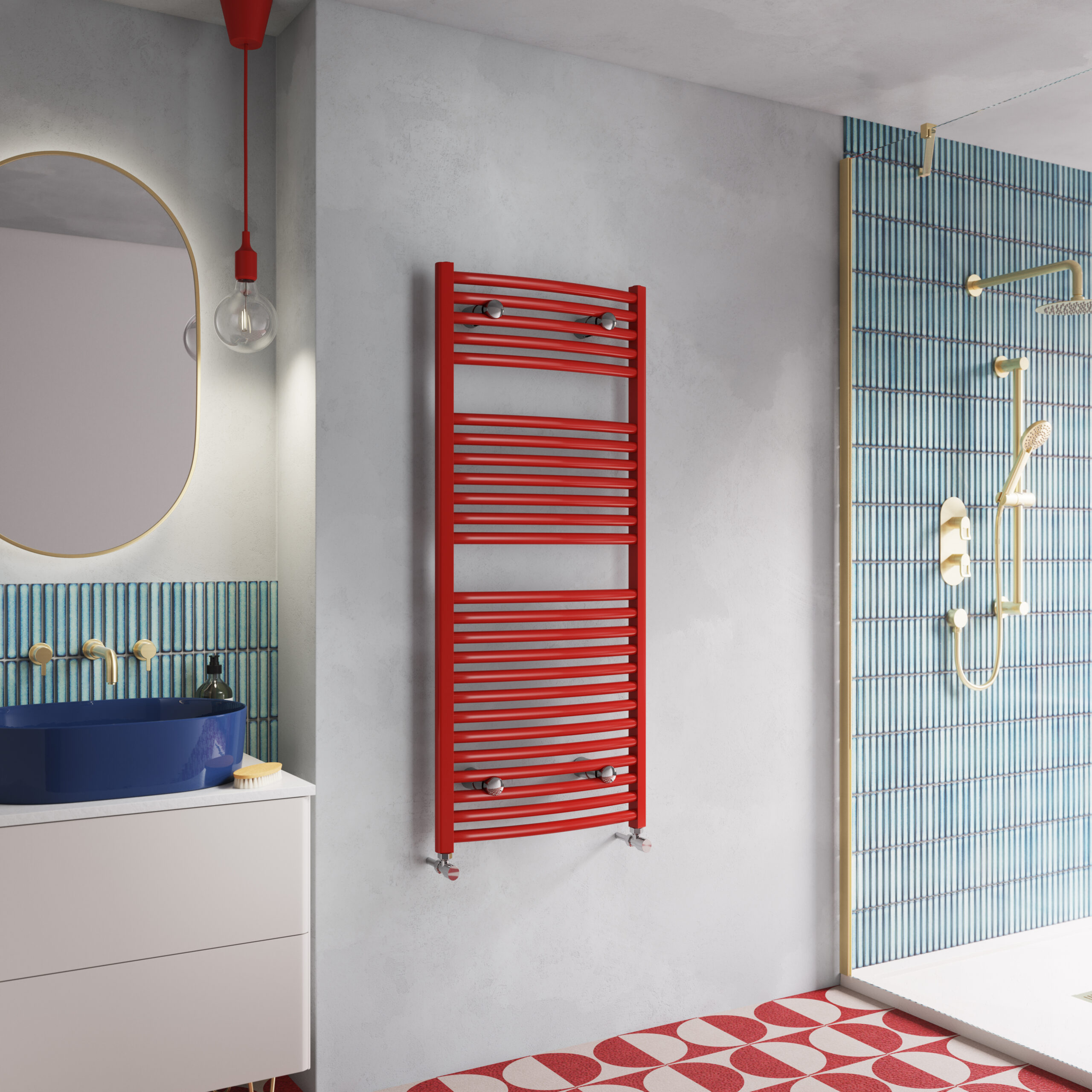
Whether you’re maintaining your current setup or considering an upgrade like our bathroom radiators at Stelrad, taking a proactive approach will always deliver better long-term results.
Radiator Colour Change FAQs
Is it worth replacing a radiator with colour change issues?
If radiator discolouration is caused by corrosion or structural damage, replacement is often the most cost-effective option. Modern radiators offer improved durability and finishes that resist future radiator paint discolouration, making them a smart long-term investment.
Are modern radiators compatible with existing heating systems?
Most modern radiators are designed to work with standard central heating systems. It’s important to choose the right size and output. Options like Bathroom Radiators are versatile and suitable for a wide range of installations.
How durable are modern radiator finishes?
High-quality radiators feature durable coatings designed to withstand heat and moisture. This reduces the risk of radiator surface damage, radiator staining, and ongoing radiator colour change, helping maintain both performance and appearance over time.
Can radiator discolouration affect heating performance?
Yes, in some cases. While minor radiator discolouration is cosmetic, issues linked to corrosion on radiators or internal sludge can reduce efficiency. Addressing the problem early helps maintain consistent heat output and system reliability.
Do radiators come with guarantees or warranties?
Most modern radiators come with manufacturer warranties that reflect their build quality and durability. These guarantees provide peace of mind, especially when investing in radiators designed to resist corrosion on radiators and maintain long-term performance.

 Next Working Day Delivery£18 For Next Working Day Delivery On All Products*When ordered before 2pm.*T&Cs apply