High ceilings can completely transform a home, adding light, space, and architectural impact. But while they look impressive, they can also be one of the most difficult environments to heat effectively. If you’ve ever noticed your room feeling cold at floor level while warm air gathers above, you’re already experiencing one of the key challenges.
Understanding the best radiators for high ceilings is essential if you want consistent comfort without wasted energy. In this guide, we’ll explore how radiators for high ceiling rooms work, why standard solutions often fall short, and which options deliver reliable performance. With the right setup and the high output quality of Stelrad radiators, even the tallest rooms can feel warm and inviting.
Why High Ceiling Rooms Are More Challenging to Heat
Heating tall spaces is not just about size; it is about volume. The higher your ceiling, the more air your heating system needs to warm, and that creates a noticeable difference in performance.
Warm air naturally rises, which means heat produced by your radiator travels upwards rather than staying where you need it. In standard rooms, this effect is minimal, but in taller spaces, it becomes far more pronounced.
This is why heating high-ceiling rooms requires a more considered approach. Without the right radiator choice and placement, you may find yourself increasing the thermostat without actually improving comfort.
What Common Heating Issues Do Homeowners Experience?
Many homeowners with tall rooms encounter the same issues, often without realising the cause. The most common problem is uneven heat distribution. The lower part of the room remains cool while heat collects above head height, where it offers little benefit.
Another issue is slow heat-up time. Because there is more air to heat, standard radiators may take longer to make an impact. This can lead to higher energy use and frustration, especially during colder months.
Choosing the best radiators for large rooms and tall spaces helps address these problems by delivering the output needed to heat the full volume of the room efficiently.
Why Do High Ceilings Affect Heating Performance?
High ceilings affect heating because warm air rises, and larger air volumes require more heat output to maintain a consistent temperature.
Heat Rises Away from Living Areas
When your radiator heats the room, warm air naturally moves upwards. In tall spaces, this creates a temperature difference between the floor level and the ceiling height. The result is a room that feels colder than it actually is.
More Air Means More Energy Required
The larger the room volume, the more energy is needed to heat it. This is why radiators for tall rooms must be carefully selected based on output rather than just appearance or size. Without enough heat output, your system will struggle to keep up, leading to inefficiency and discomfort.
What Should You Consider When Choosing Radiators for High Ceilings?
The best radiators for high ceilings combine high heat output, efficient materials, and the right size for the room’s full volume. When selecting radiators for high ceiling rooms, there are a few key factors that make all the difference.
Key considerations include:
- Heat output based on room volume rather than floor area.
- Larger surface area for improved heat distribution.
- High-quality materials, such as steel, for efficient heat transfer.
- Proper insulation within the room.
- Layout and radiator positioning.
- Heat output is particularly important. Many homeowners underestimate the BTU requirements for tall rooms, which leads to underperforming heating systems.
By focusing on these factors, you can ensure your choice supports effective heating of high-ceiling rooms without unnecessary energy waste.
What Are the Best Types of Radiators for High Ceilings?
The best radiators for high ceilings are vertical radiators, double-panel radiators, and high-output designer radiators that are built to heat larger air volumes efficiently.
Vertical Radiators for Tall Spaces
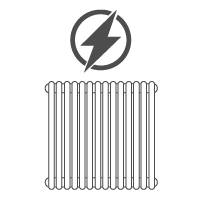
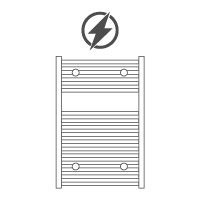
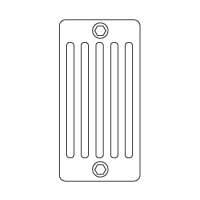
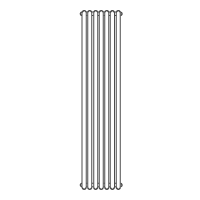
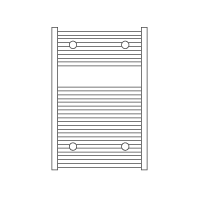
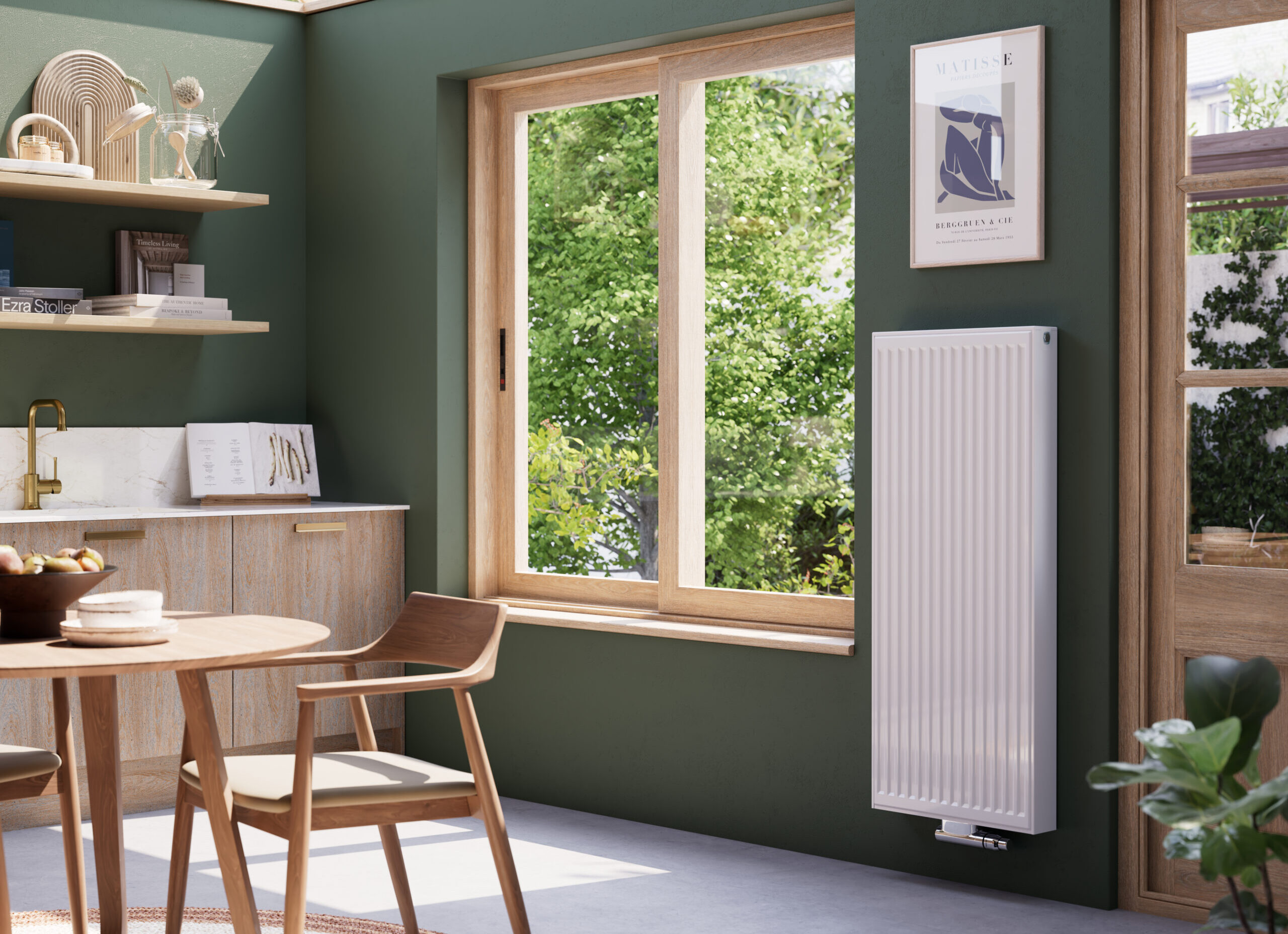
Vertical radiators are one of the most effective options for radiators for tall rooms. Their height allows them to distribute heat across a larger vertical area, helping to combat rising warm air. For homeowners looking to maximise both style and performance, our vertical radiators provide a practical and visually striking solution.
Double or Triple Panel Radiators for Higher Output
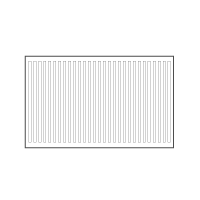
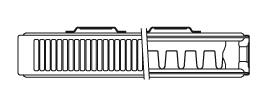
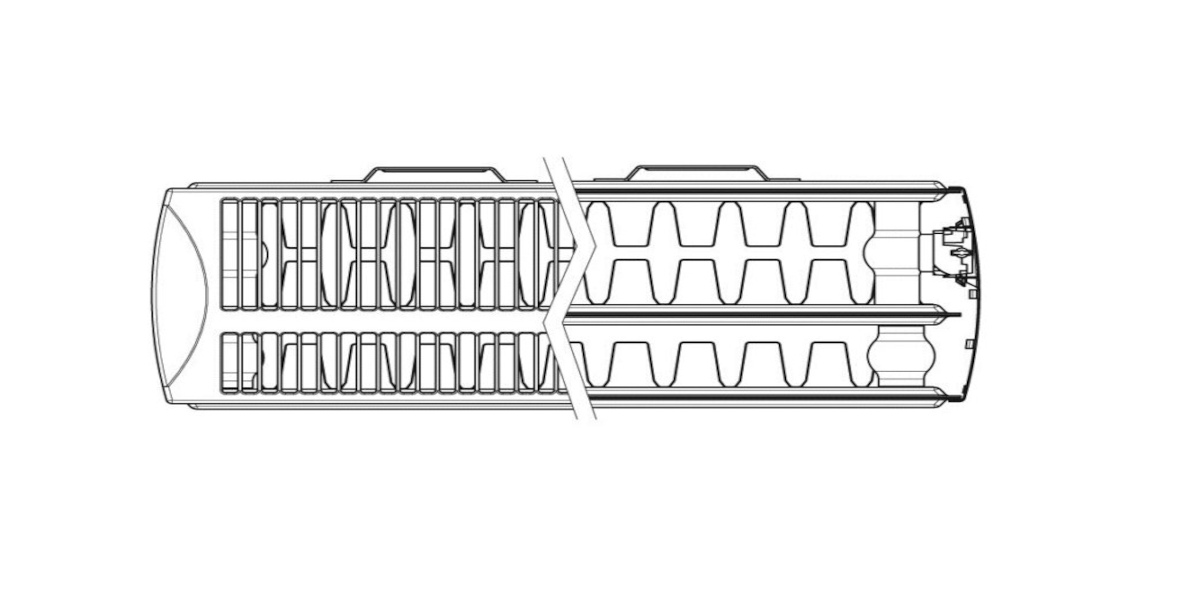
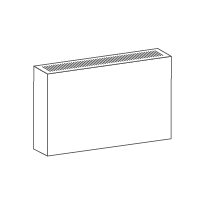
Double-panel or triple panel radiators are designed to deliver more heat by increasing surface area. This makes them ideal for heating high-ceiling rooms, where higher output is essential. They offer a balance between performance and space efficiency, making them suitable for a wide range of interiors.
Designer Radiators for Style and Efficiency
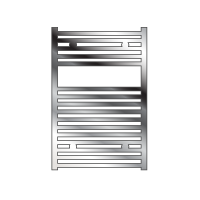
Modern homes often demand both aesthetics and functionality. Designer radiators combine strong heat output with contemporary design, making them a great choice for feature spaces.
Vertical radiators are ideal for making use of wall height, while double panel options focus on maximising heat output in a compact footprint. Choosing between them depends on your room layout and heating needs.
Where Should Radiators Be Positioned in High-Ceiling Rooms?
Placement is just as important as radiator type. Even the best radiators for high ceilings can struggle if they are not positioned correctly. Radiators are traditionally placed beneath windows to counteract cold air entering the room. This approach still works well, but in tall spaces, you may need additional units to ensure even heat distribution.
Positioning radiators lower on walls helps keep heat within the living area. In larger rooms, using more than one radiator can prevent cold spots and improve overall comfort. Careful placement is essential for making radiators for high ceiling rooms perform effectively.
How Can You Improve Heating Efficiency in High-Ceiling Rooms?
Improving efficiency involves more than just choosing the right radiator. A combination of upgrades can make a noticeable difference. Better insulation is one of the most effective improvements you can make. Double glazing and well-insulated walls reduce heat loss and allow your radiators to work more efficiently.
Smart heating controls also help regulate temperature and reduce wasted energy. In some cases, using a ceiling fan on a low setting can help push warm air back down into the room. When combined with high-performance options from our radiator range, these adjustments can significantly improve the effectiveness of heating high-ceiling rooms.
Quick Tips for Heating High-Ceiling Rooms
- Use multiple radiators instead of relying on one unit.
- Choose high-output radiators designed for larger spaces.
- Position radiators strategically to improve airflow.
- Improve insulation before upgrading your heating system.
- Consider vertical radiators to make use of the wall height.
These simple adjustments can make a noticeable difference in both comfort and efficiency.
What Mistakes Should You Avoid When Heating Tall Rooms?
- One of the most common mistakes is choosing a radiator based on floor size alone. In tall rooms, volume matters far more, and underestimating this leads to poor performance.
- Another mistake is relying on a single, small radiator in a large space. This often creates uneven heating and leaves parts of the room feeling cold.
- Ignoring insulation is also a major issue. Even the best radiators for large rooms cannot compensate for heat escaping through poorly insulated walls or windows.
Avoiding these mistakes ensures your radiators for tall rooms deliver consistent and reliable warmth.
When Should You Seek Professional Advice?
If your current system struggles to heat your room effectively, it may be time to seek professional advice. This is especially important in larger or more complex spaces.
A heating specialist can calculate the exact requirements for your room and recommend the best radiators for high ceilings based on accurate data. This helps ensure long-term efficiency and avoids costly trial and error. You can use our BTU heat loss calculator to work out the right size radiator for your room.
By choosing the best radiators for high ceilings and combining them with smart placement and efficiency improvements, you can transform even the tallest spaces into warm, comfortable environments that work all year round.
Best Radiators for High Ceilings FAQs
What is the best radiator for a room with high ceilings?
The best radiator for a room with high ceilings is typically a high-output model, such as a vertical, double-panel or triple-panel radiators. These are designed to heat larger air volumes and provide better heat distribution, ensuring consistent warmth throughout the space.
Are vertical radiators better for high ceilings?
Yes, vertical radiators are often better for high ceilings because they distribute heat across a taller surface area. This helps counteract rising warm air and improves circulation, making them an effective solution for radiators in high-ceiling rooms.
Are radiators for high ceiling rooms worth the investment?
Radiators designed for high-ceiling rooms are worth the investment as they improve heating efficiency and comfort. They reduce energy waste, heat spaces more quickly, and provide consistent temperatures, making them a practical long-term solution.
Can standard radiators work in high-ceiling rooms?
Standard radiators can work in high-ceiling rooms, but they are often less effective. Without sufficient heat output, they may struggle to heat the full room volume, leading to uneven temperatures and increased energy consumption compared to high-output alternatives.
How durable are high-output radiators?
High-output radiators, especially those made from quality steel, are highly durable. They are designed to withstand regular use while maintaining performance, making them a reliable option for demanding environments such as large or tall rooms.
Are radiators for tall rooms easy to maintain?
Radiators for tall rooms are generally easy to maintain. Regular cleaning and occasional system checks are usually sufficient. Ensuring the radiator is properly bled and the system is balanced will help maintain efficiency and prolong its lifespan.
Do radiators for high ceilings come with warranties?
Most high-quality radiators come with warranties for added peace of mind. Stelrad radiators are known for their reliability and often include comprehensive guarantees, ensuring confidence in your investment and long-term performance.

 Next Working Day Delivery£18 For Next Working Day Delivery On All Products*When ordered before 2pm.*T&Cs apply