Older UK homes were not designed with modern energy efficiency in mind. Solid walls, higher ceilings, draughts, and varied room usage all make temperature control harder. This is where thermostatic radiator valves come into their own. Homeowners often ask can TRVs reduce heating costs and whether they make a meaningful difference to household energy use. Used correctly, the answer is yes.
Understanding how TRVs control heat at room level helps explain why so many households see savings. When combined with well designed radiators, TRVs offer a practical way to heat old houses efficiently without major system upgrades.
What Is a Thermostatic Radiator Valve?
A thermostatic radiator valve is a small control fitted to the side of a radiator. Its purpose is to regulate heat output based on the temperature of the room rather than relying solely on the boiler setting. This localised control is a key reason homeowners ask do TRVs reduce heating bills in properties with uneven heat distribution.
By adjusting each radiator independently, TRVs help prevent rooms from overheating while others remain underheated. This level of control is particularly valuable in older homes where insulation quality varies from room to room.
How Does a Thermostatic Radiator Valve Work?
To understand how TRVs work, it helps to look at what happens as a room warms up. Inside the valve is a temperature sensitive element that expands as the air temperature increases. Once the room reaches the selected setting, the valve gradually restricts the flow of hot water into the radiator.
As the room cools, the valve opens again. This constant adjustment explains why TRVs energy saving benefits are so effective. Heat is delivered only when required, which directly supports heating old houses efficiently without frequent boiler adjustments.
Why Do TRVs Reduce Heating Bills in Older Homes?
Many homeowners wonder can TRVs reduce heating costs when insulation levels are lower. In older properties, the answer is often yes because heat loss is rarely consistent throughout the house. Rooms that warm up quickly no longer draw excess heat from the system, allowing other areas to reach comfortable temperatures more efficiently.
This is one of the main reasons TRVs reduce heating bills across varied housing stock. Instead of heating the entire home to the same level, energy is used where it delivers the greatest benefit.
The Key Benefits of TRVs for Older Properties
The practical advantages of TRVs extend beyond basic temperature control. These benefits explain why the common question among homeowners ‘why can TRVs reduce heating costs?’.
- Individual room control allows less used spaces to be heated at lower levels
- Improved energy efficiency supports ongoing TRVs energy saving
- Reduced heating costs by avoiding unnecessary heat output
- Enhanced comfort through more consistent room temperatures
- Lower carbon emissions from reduced energy demand
- Easy installation with minimal disruption
- Compatibility with most standard radiator systems
When paired with high heat output, well engineered radiators, these benefits are enhanced. Quality radiators respond faster to valve adjustments, helping homeowners heat old houses efficiently even during colder months.
How Do I Use TRVs Efficiently in an Older Home?
Knowing how TRVs work is only part of the equation. Correct use is essential. Bedrooms often benefit from lower settings, while living areas can be set higher during periods of regular use. Hallways typically require less heat, especially in traditional layouts.
Avoid setting all valves to their maximum position. This reduces TRVs energy saving potential and can lead to unnecessary boiler cycling. Balanced settings allow the system to operate smoothly, reinforcing why do TRVs reduce heating bills when used properly.
Common Mistakes to Avoid When Using TRVs
A common mistake is placing furniture or curtains directly over radiators. This traps heat around the valve and prevents accurate temperature readings. Another issue is relying on TRVs alone to control the entire heating system rather than using them alongside the main thermostat.
Understanding how TRVs work helps avoid these problems. When used correctly with a central thermostat and efficient radiators, TRVs contribute directly to heating old houses efficiently without sacrificing comfort.
How Do I Choose the Right Radiators to Support TRVs?
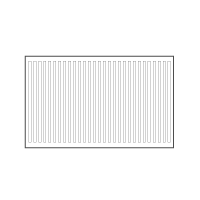
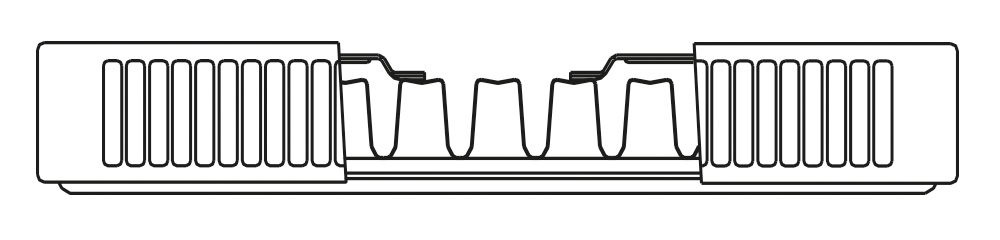
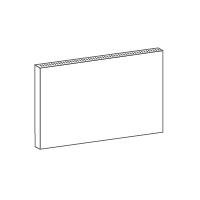
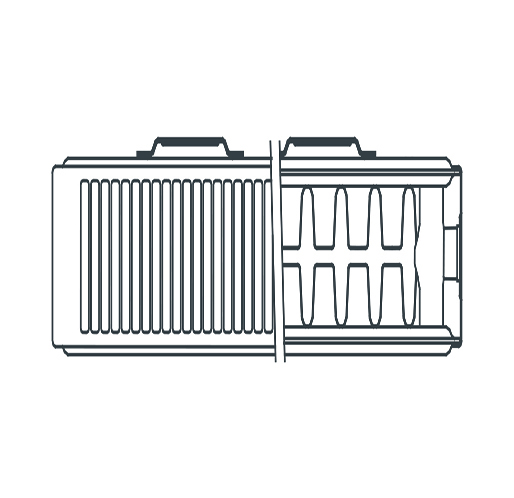
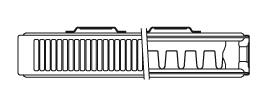
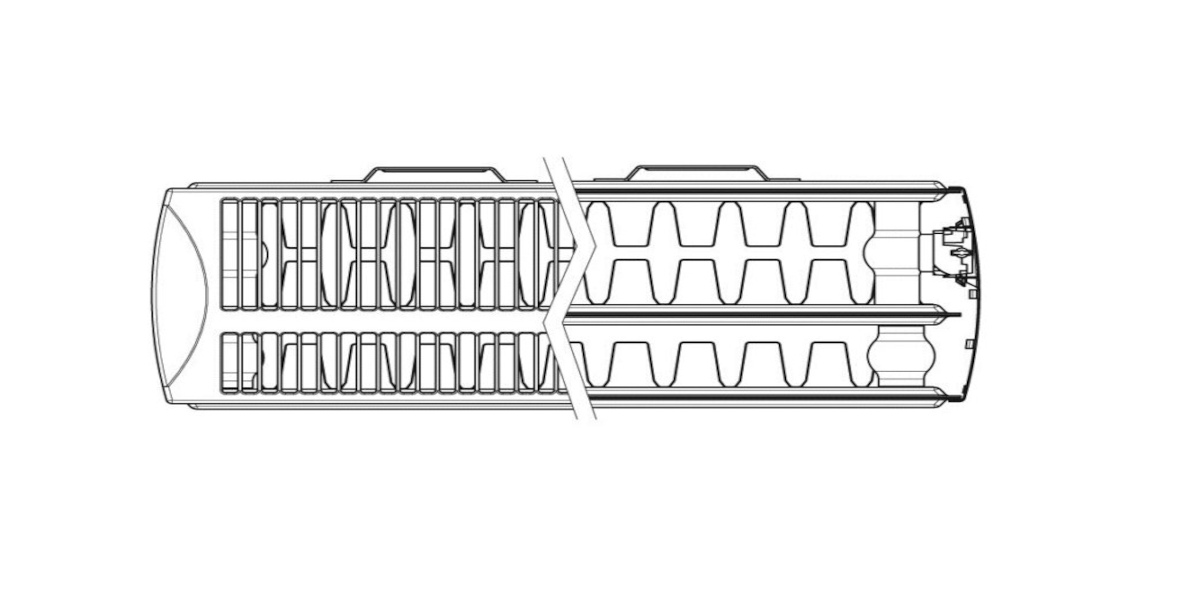
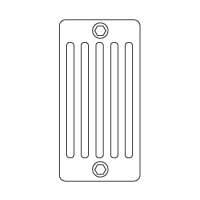
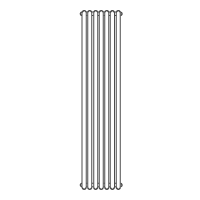
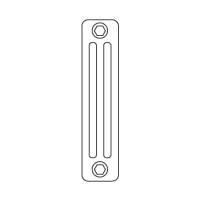
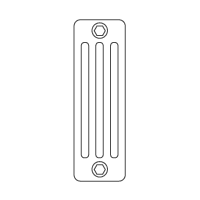
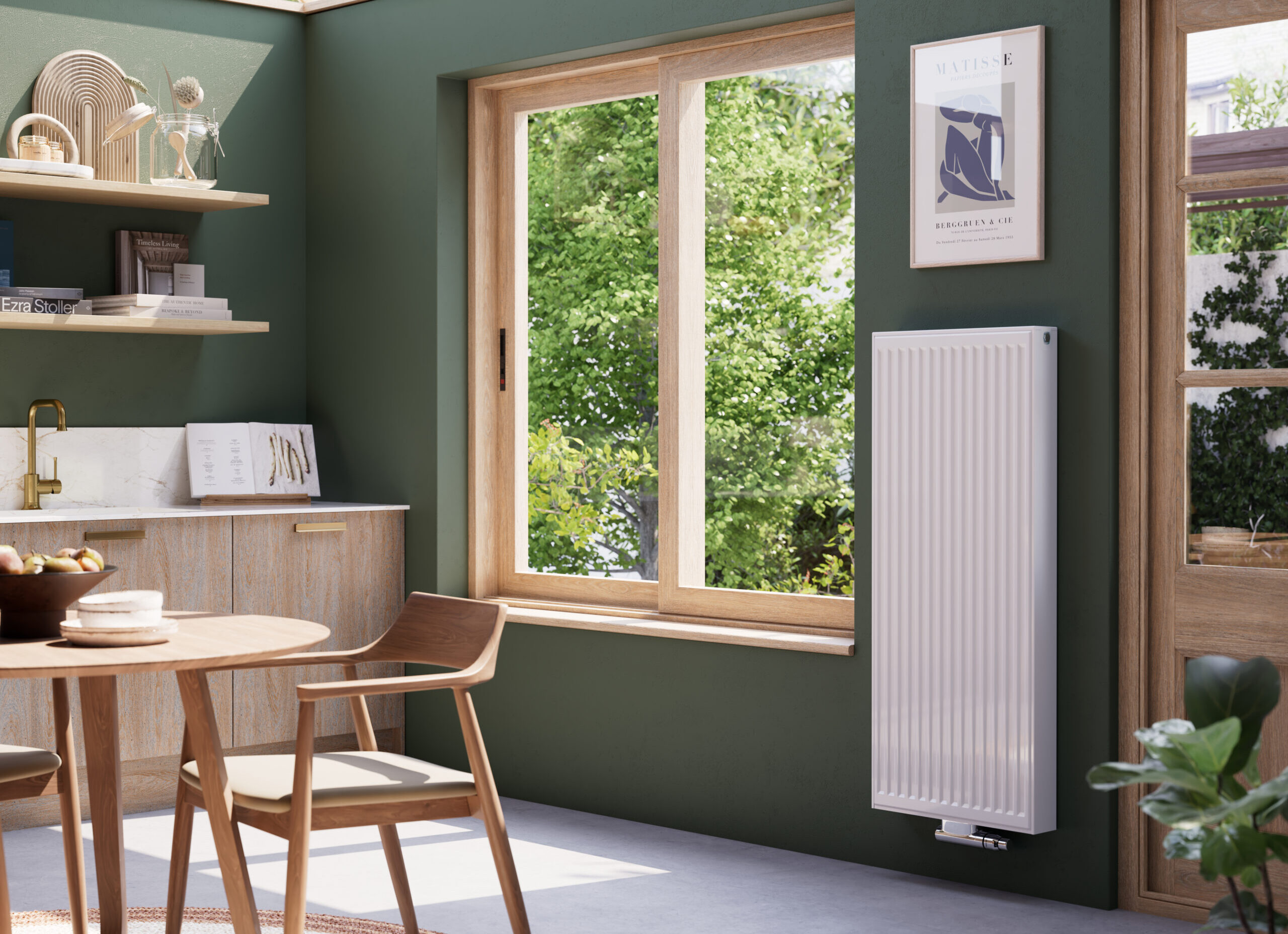
Even the most effective valves depend on responsive radiators. High quality steel panel radiators offer faster warm up times and more even heat distribution, allowing TRVs to regulate temperature more accurately. This is where Stelrad radiators add value through proven performance and reliability. Explore our full range of radiators designed to deliver efficient heat output in both modern and older homes.
Are TRVs Worth It for Older UK Homes?
So, can TRVs reduce heating costs in older UK homes? In most cases, yes. By controlling heat on a room by room basis, TRVs energy saving benefits help reduce waste and improve comfort. When installed correctly and paired with quality radiators, do TRVs reduce heating bills becomes a practical outcome rather than a theoretical one.
For homeowners looking to improve efficiency without major renovation work, TRVs remain one of the most accessible upgrades available. Learn more about compatible TRVs and how they work alongside high performance radiator systems from Stelrad.
Can TRVs Reduce Heating Costs FAQs
Are TRVs Worth Purchasing for Older UK Homes?
TRVs are worth purchasing for most older homes because they provide room by room temperature control. This helps manage uneven heat loss and supports heating old houses efficiently, making it easier to reduce energy waste while maintaining comfort.
Do TRVs Reduce Heating Bills in the Long Term?
When used correctly, TRVs can reduce heating bills over time. By preventing overheating and reducing boiler demand, they support consistent TRVs energy saving and help households manage fuel costs more effectively.
Are TRVs Compatible With Existing Radiator Systems?
TRVs are compatible with most standard radiator systems found in older UK homes. Provided the radiator has a suitable valve connection, TRVs can usually be installed without replacing pipework or upgrading the boiler.
How Durable Are Thermostatic Radiator Valves?
Quality TRVs are designed for long term use and typically last many years with minimal maintenance. Their simple mechanical design contributes to reliability, making them a dependable addition to older heating systems.
Do TRVs Come With Guarantees or Warranties?
Most reputable TRVs are supplied with manufacturer guarantees. Warranty length varies by model, but coverage typically protects against manufacturing defects, offering reassurance around long term performance.

 Next Working Day Delivery£18 For Next Working Day Delivery On All Products*When ordered before 2pm.*T&Cs apply