As a popular heating solution, electric radiators are found in most modern homes and offices due to their energy efficiency. They are also easy to install and come in many versatile styles and designs.
You may be considering having an electric radiator installed in your bathroom but are curious about their safety and installation factors. Continue reading to find out what you should consider when deciding whether to get an electric radiator installed.
Can you put an electric radiator in a bathroom?
In short, electric radiators can be installed in bathrooms. However, there are several safety and installation factors to consider due to the presence of water and moisture. Bathrooms are considered high-risk areas for all electrical installations, so any electrical appliance, including radiators, must comply with certain safety guidelines.
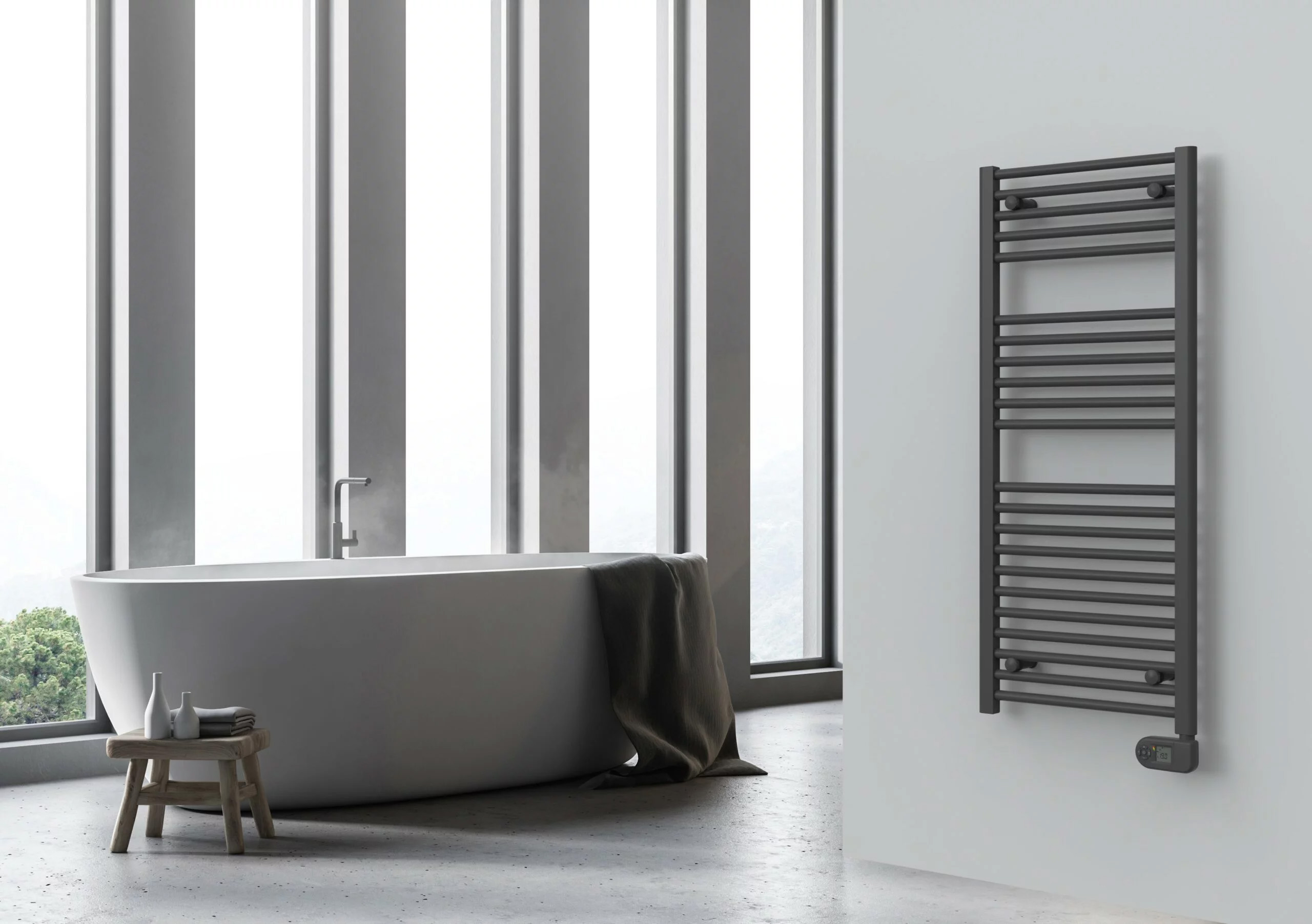
Electric radiators in the bathroom shouldn’t be plug-in. This is because there is an increased chance of electrocution. It can be dangerous if water gets into a radiator socket. Your radiators should be hardwired into the bathroom wall by a trained electrician to minimise this risk.
It’s important to consider the Ingress Protection (IP) rating of an electric radiator and understand how this will affect where the electric radiator can be installed. IP ratings feature two numbers that indicate how waterproof a radiator is. On the IP scale, ‘0’ indicates the device is not at all waterproof, while ‘8’ (the maximum rating) indicates a device could be fully submerged under pressurised water.
Based on your electric radiator’s IP rating, the electrician will have to install it in specific zones within the bathroom. For example, Zone 0 are areas that contain large volumes of water, such as the sink and bath. Meanwhile, Zone 1 is the ‘splash zone’ and Zone 2 have minimal risk of water splashes.
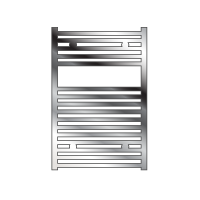
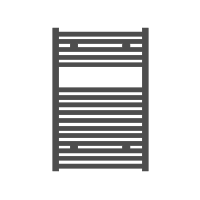
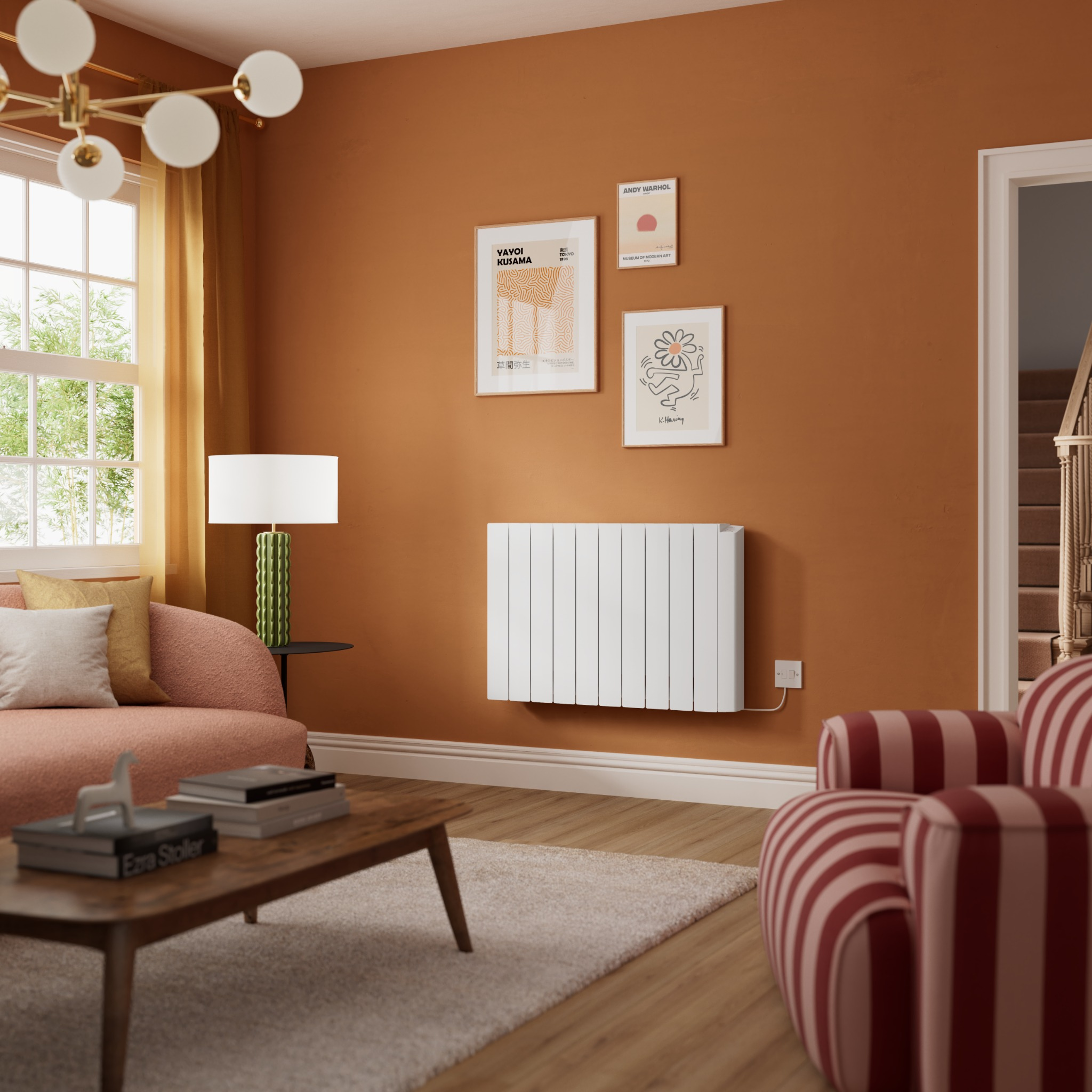
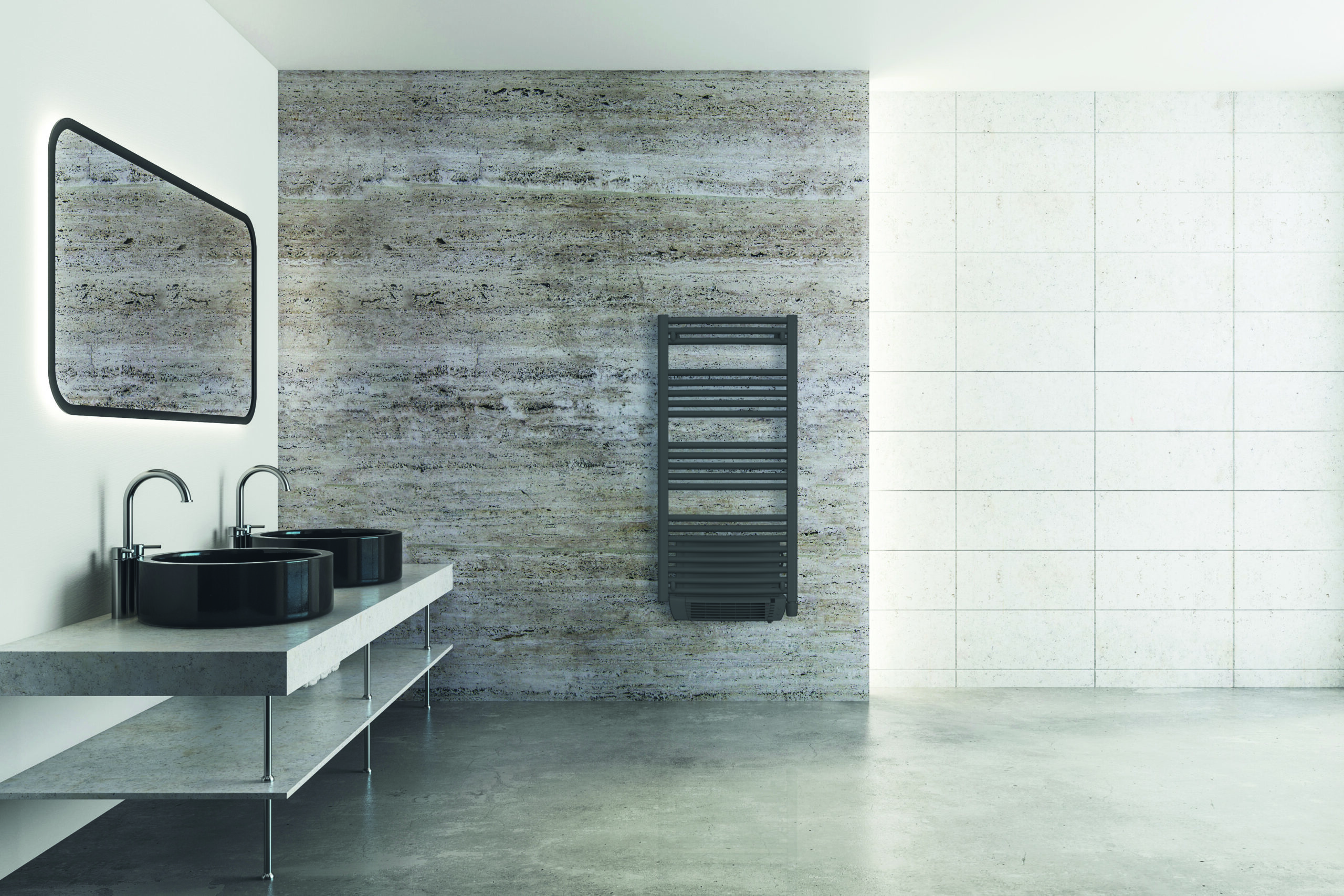
Electric radiators can make a good addition to any bathroom. Along with their energy efficiency, they can also make a stylish addition. Here at Stelrad, we have a range of electric coloured radiators that will complement the aesthetic of your bathroom. Long gone are the days of bulky radiators; you can get a sleek electric radiator fitted that suits the overall look of your bathroom.
Why is an electric radiator a good option for your bathroom?
If you want quick and responsive heating, electric radiators are your go-to option. They are perfect for swiftly heating up your bathroom on a chilly morning or warming up your bath towels. Energy efficient electric radiators can be individually temperature controlled, meaning you can turn them on or off as needed, without having to heat the entire house.
Electric radiators are relatively easy to install and don’t require any plumbing. This makes them a hassle-free solution for bathroom heating, as long as you have a power connection. From a safety perspective, modern electric radiators come equipped with safety features like overheating protection and automatic shut-off functions. They are manufactured with suitable IP ratings to ensure they are safe to be installed in damp environments like bathrooms.
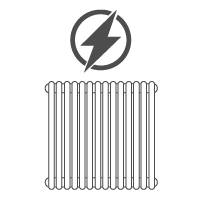
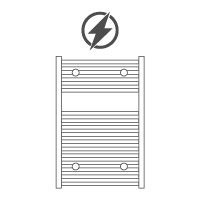
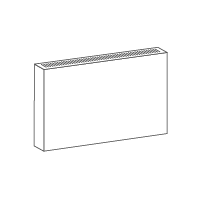
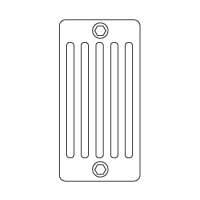
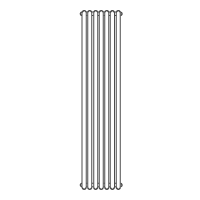
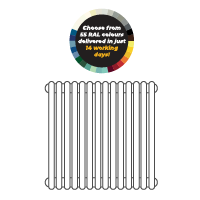
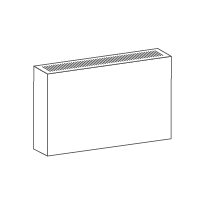
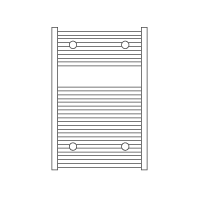
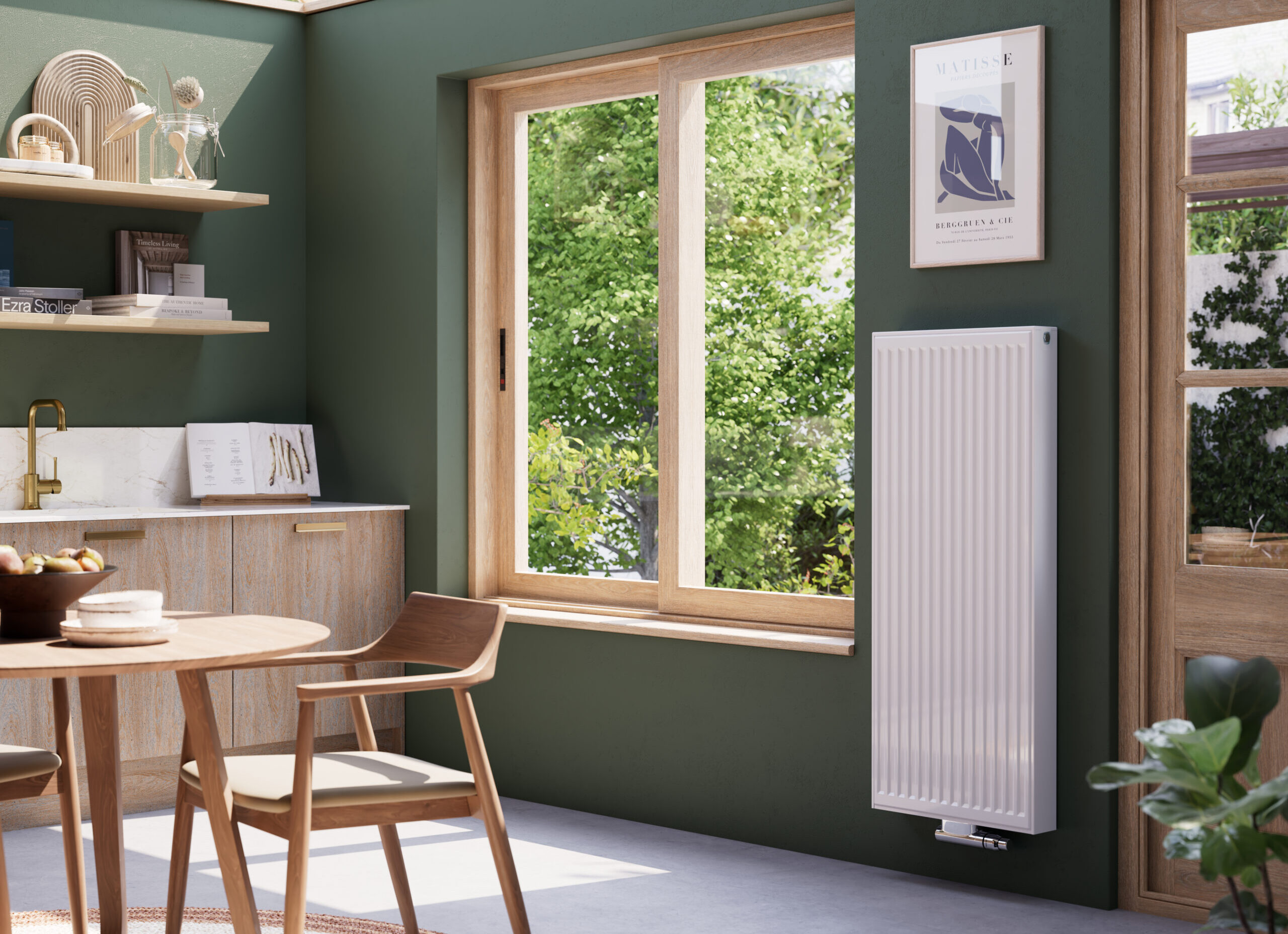
You can get electric radiators in various styles, such as electric column radiators and electrical vertical radiators. The choice of designs can help you save valuable floor space while efficiently heating the bathroom.
Are electric radiators waterproof?
Yes, electric radiators and towel rails are waterproof. Your electrician will be able to recommend areas to install the radiator to ensure it is in a safe zone that matches the radiator’s IP rating. As electric radiators are hardwired into the mains electricity supply, you won’t have to worry about water getting into the plug or socket.
Are electric bathroom radiators expensive to run?
It depends on several factors, such as the radiator’s wattage, electricity rates and the frequency that you use the radiator. However, electric radiators are usually an efficient option when compared to more traditional options. You can turn an electric radiator off when it’s not in use, rather than keep all radiators on using the central heating system.
What is better electric or central heating bathroom radiators?
There can be advantages and disadvantages argued for both electric and central heating radiators. The main things to consider are your heating needs, budget and the existing heating setup in your home. Electric radiators operate separately from your central heating system, which means you can heat the bathroom without turning on the heating for the entire home. However, central heating radiators all operate on the same system, so you would have to manually turn off the valves on the radiators you don’t want to run.
Many electric radiators come with features like programmable timers, open window detection and children safety function.
How to fit an electric bathroom radiator
Electric radiators should be fitted by a trained electrician. Due to the moisture and water in the room, they need to be hardwired into the wall rather than fitted with an external socket.
To heat up, electric radiators turn electricity into heat using a heat element. You need a professional electrician to fit them to ensure the installation is safe and compliant. They can ensure the system won’t be overloaded. Comparatively, central heating radiators require a plumber as they heat water using the heat source, which could be a traditional boiler, an air source heat pump or similar.
Contact us if you’d like advice on which electric radiator would be a good option for your bathroom or for technical enquiries.

 Next Working Day Delivery£18 For Next Working Day Delivery On All Products*When ordered before 2pm.*T&Cs apply