While pipes are an integral part of a radiator, they can be unsightly. You may a have a top of the range radiator, but the pipework could be ugly and ruin the overall look of your room.
One of the most popular ways to hide radiator pipes is by pulling up floorboards and making channels in the walls. However, this can be very disruptive and expensive. You may prefer a method that is quick and easy enough for you to do yourself.
In this guide, we’ll look at how to disguise radiator pipes, including convenient and affordable options.
Different Methods for Covering Radiator Pipes
There are several effective methods for covering radiator pipes to enhance a room’s appearance. Each method varies in complexity and cost depending on the materials and work required. The various solutions can also be customised to suit the aesthetic in your room.
Paint the pipes
It’s a tried and tested method that homeowners have used for years. One of the easiest and quickest ways to blend the radiator pipes in with the wall behind them is to paint it all the same colour. While the pipes won’t truly be invisible, it can help disguise the pipes with minimal disruption to the room.
Pipe covers
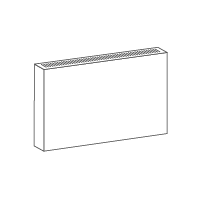
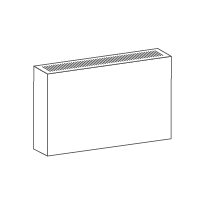
Pipe casings are hollow tubes that cover your radiator pipes. They are available in various colours and designs that can match your room’s décor. You can get plastic, metal or wooden pipe covers that can be painted or stained if you want an exact colour match. You can also hide your radiator from view with accessories such as a radiator cover. This will have the added benefit of channelling heat throughout the room via the cover’s gaps, rather than letting heat escape upwards.
Boxing in
Boxing in can be a cost-effective and pretty quick way to hide radiator pipes. You can install wooden planks to create a box around the pipes and completely hide them from view. The box will blend well with the background if it is painted the same colour as the wall. You could also paint the box a contrasting colour to compliment the room’s décor.
The downside of boxing in radiator pipes is it can take up valuable space in the room. This can cause an issue if the radiator is in a small room or in a narrow space such as a hallway.
Skirting board adaption
A more sophisticated way of ‘boxing in’ the radiator pipes is to use specially adapted skirting boards. These adapted skirting boards can replace your original ones or sit atop the old skirting boards and over the pipes.
As with the boxing in method, the skirting board covers will completely hide the radiator pipes with a neat finish. They are an affordable option and can be used with different materials to suit the aesthetic of your room.
Furniture placement
A quick and easy way to disguise radiator pipes is to move around furniture. You can conceal the pipes by moving a bookcase or cabinet in front of them. You could also place pot plants in front of the pipes. This solution doesn’t require any DIY, although you are restricted by how flexible you can be with the furniture placement. Try to avoid placing furniture directly in front of the radiator as this can trap heat and prevent it from circulating properly.
Wall and floor adjustments
You can conceal pipes behind wall panes or install a false wall to conceal the radiator pipes. A false wall can slightly reduce the size of the room, but the pipes will be completely covered. Channels can also be added under the floorboards to hide the pipes below view. These options are more expensive than other solutions previously mentioned and require work by a professional or someone experienced with DIY.
How to Box in Radiator Pipes
To box in radiator pipes, you need to install straight panels of wood around the pipes. This will create a wooden box around the pipes and completely hide them from view. Ensure you measure the area and wood at least twice before you install the panels. You should allow a few centimetres gap between the pipes and wooden panels so that the panels don’t interfere with heat expansion and are easy to remove. Once the pieces are cut, check that the panels fit together properly before you attempt to fix them in place. You can secure the box to the wall using L-brackets or screws through the side panels. One of the panels should be removable so that you can access the pipes easily for maintenance. There should also be suitable ventilation if the pipes are going to carry hot water.
How to Hide Radiator Pipes in Wall with Recessed Skirting Boards
Specially adapted skirting boards can be installed over existing pipework and conceal them. These skirting boards have a recessed area at the back that allows the board to fit over the pipes and against the wall behind. The skirting boards can be painted whatever colour you like to suit the room’s décor. You may want to use the same skirting boards throughout the house or in nearby rooms to keep a consistent look.
How to Cover Radiator Pipes with Pipe Sleeves
One of the quickest and most affordable options is to use pipe sleeves. They slot over the existing pipework and give the room a clean finish. Pipe sleeves also help protect the pipes from external damage. You can get pipe sleeves in a range of materials and colours. It’s advisable to pick pipe sleeves that match the radiator valves and TRVS for the best finish.

 Next Working Day Delivery£18 For Next Working Day Delivery On All Products*When ordered before 2pm.*T&Cs apply