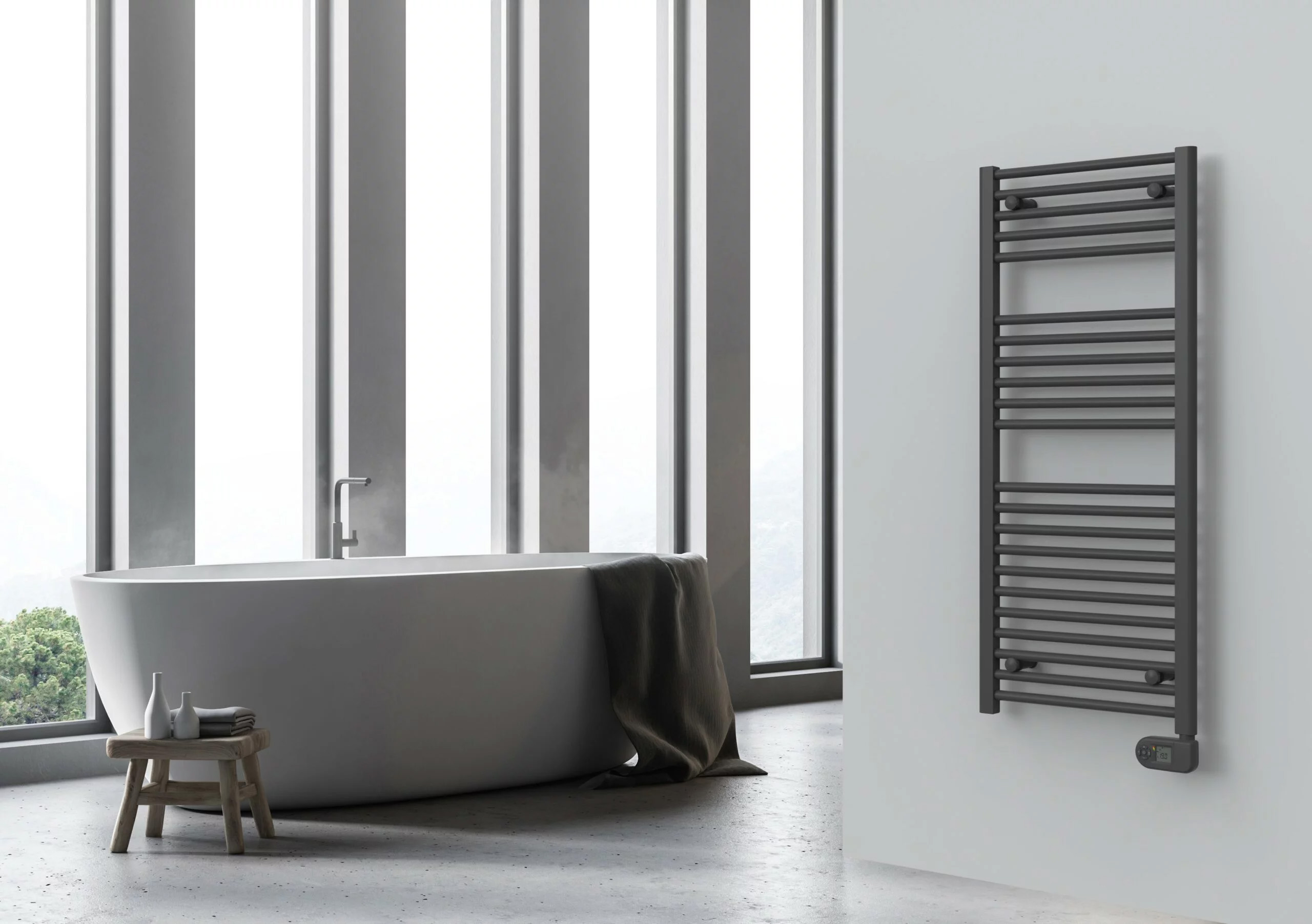
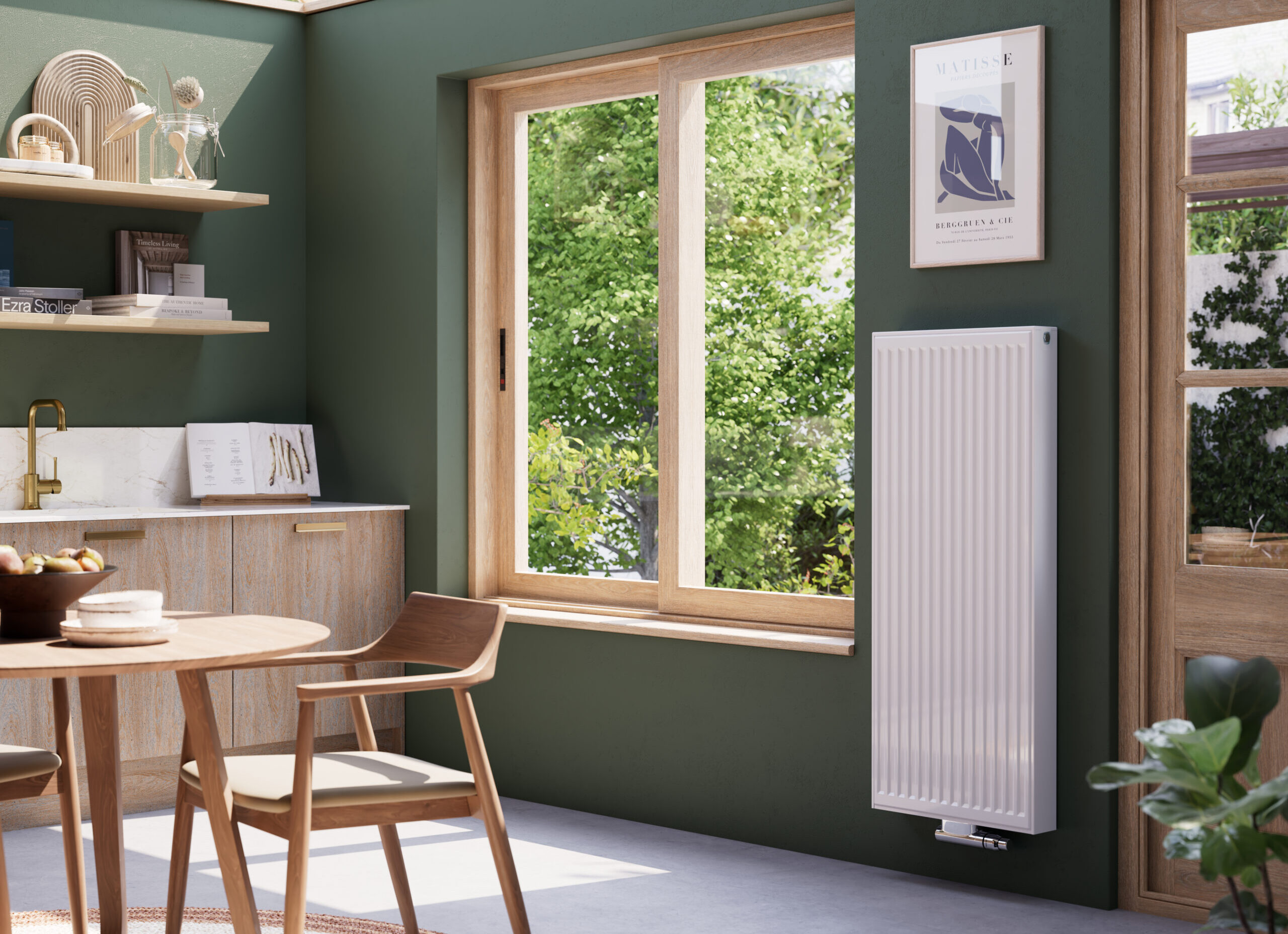
Installing a new radiator might seem like a daunting task, but with the right tools, preparation, and a bit of patience, it’s a job that many confident DIYers can manage themselves. Whether you’re upgrading an old unit, replacing a damaged one, or fitting an energy-efficient radiator as part of a room renovation, knowing how to install a radiator properly can make all the difference. Not only does correct installation ensure efficient heating and energy performance, but it also prolongs the lifespan of both your new radiator and your central heating system.
This radiator installation guide will walk you through every step of the process, from the tools you’ll need to safety tips and signs that it’s time to call in a professional. So, if you’re wondering how to replace a radiator or fit one for the first time, read on to find everything you need to know.
When Might You Need to Install or Replace a Radiator?
There are several scenarios where installing a new radiator becomes necessary or advantageous. One common reason is upgrading your home’s heating system to improve energy efficiency or modernise the look of your interiors. You might also need to replace a radiator that’s leaking, no longer heating efficiently, or has become corroded over time.
In other cases, radiators are fitted during room renovations or extensions, especially if you’re reconfiguring your living space or adding new walls. Ensuring your heating system keeps up with the changes is essential for comfort and performance.
Whatever the reason, understanding how to install a radiator ensures that the unit functions effectively and integrates safely with your central heating. Done correctly, radiator installation helps distribute heat evenly, reduce energy bills, and avoid costly system faults in the future.
Tools & Equipment You’ll Need
Before beginning your installation, make sure you have the correct tools and parts to hand. Being fully prepared not only makes the job go more smoothly, but it also reduces the risk of leaks or errors that could damage your heating system. Here’s what you’ll need:
- New radiator – The correct size and heat output for the space.
- Radiator brackets and fixings – Usually supplied with the radiator, these keep it securely mounted on the wall.
- Pipe cutter – Essential for adjusting any copper or plastic pipes to size.
- Spanner or adjustable wrench – Used to tighten the radiator valves and fittings.
- PTFE tape – Wrapped around threaded joints to prevent leaks.
- Spirit level – Ensures your radiator is perfectly horizontal or vertical.
- Drill and rawl plugs – Needed to fix the brackets to the wall securely.
- Bleed key – A simple tool used to release trapped air from the radiator after installation.
- Bucket and cloth/towels – To catch any residual water from the old radiator or pipework.
Having all of this at the ready will help you follow the radiator installation guide step by step with confidence.
Pre-Installation Checklist
Before you start the physical work of radiator installation, there are some essential safety steps to take. These ensure your system is safe to work on and minimise the chance of causing water damage or injury.
- Turn off the heating system and let it cool down completely. Never work on a hot radiator or live heating circuit.
- Drain the central heating system or isolate the radiator you’re replacing. This prevents water from spilling when you disconnect the unit.
- Check the wall strength, especially if you’re installing a large or heavy radiator. Some walls (like stud partitions) may require additional reinforcement or specialist fixings.
Skipping these steps can lead to serious problems down the line, including leaks, mounting failures, or damage to the heating system.
Step-by-Step Radiator Installation Guide
With your tools ready and the system properly shut down, you can move on to the installation process. Here’s how to install a radiator safely and correctly.
1. Mark and Install the Brackets
Start by measuring the spacing between the fixing brackets on your new radiator. Transfer these measurements onto the wall, making sure to leave enough clearance at the bottom for cleaning and access to valves.
Use a spirit level to draw a straight line across the wall for alignment. Once you’re happy with the position, drill holes and insert rawl plugs. Then, screw the radiator brackets into place. Double-check they’re level before proceeding, getting this right now ensures your radiator won’t lean or sit unevenly.
2. Attach the Radiator
Carefully lift the radiator and hang it on the mounted brackets. Ensure it clicks into place and sits firmly without movement. Use your spirit level again to confirm that it’s completely level both horizontally and vertically.
If you’re working with a replacement radiator, double-check that the new unit’s valve positions align with the existing pipework.
3. Connect the Pipework
Reconnect the existing valves to the new radiator. If you’re using new valves, ensure the threads are clean and wrap PTFE tape around them to prevent leaks. Then use a wrench or spanner to tighten the connections, but be careful not to overtighten, this is a common mistake that can damage threads or split fittings.
Ensure the inlet and outlet valves are correctly positioned, and that the radiator is securely connected to the central heating system.
4. Fill the System
Once everything is connected, refill your heating system via the filling loop (usually located near your boiler). Allow the water to circulate and check all joints and valves for leaks. If you notice any drips or damp spots, tighten the joints slightly or rewrap the threads with PTFE tape.
Monitor the system pressure on your boiler and make sure it returns to the recommended level, usually between 1 and 1.5 bar.
5. Bleed the Radiator
Use a radiator bleed key to open the bleed valve at the top corner of the radiator. You’ll hear a hissing sound as air escapes. Once water begins to dribble out steadily, close the valve.
Bleeding ensures that no air pockets are trapped inside the unit, which can otherwise lead to cold spots and inefficient heating. Repeat this step after a few hours if needed, as more air may rise once the system is fully running again.
Safety Tips and Common Mistakes to Avoid
When installing or replacing a radiator, safety should always come first. Here are some key tips to avoid common mistakes:
- Don’t over tighten joints – This can strip threads or damage components, increasing the risk of leaks.
- Always ensure the system is off and depressurised before starting work. Working on an active system can cause burns, flooding, or air locks.
- Double-check wall fixings for heavy radiators. Use appropriate rawl plugs and supports if you’re drilling into plasterboard or masonry.
- Rushing or cutting corners during installation can lead to long-term issues, so take your time and double-check each stage.
When to Call a Professional
While many homeowners can follow this radiator installation guide successfully, there are times when it’s safer and more efficient to call a heating professional.
- Complex pipe rerouting – If you need to move pipework through walls or floors, this requires specialised tools and plumbing experience.
- Underfloor pipe systems – These setups are often connected in ways that aren’t visible or easily accessible, increasing the risk of mistakes.
- Combination boiler connections – These systems can be sensitive to pressure changes and should only be adjusted by Gas Safe registered engineers.
If your installation falls into any of these categories—or if you simply want peace of mind—it’s worth seeking expert help. For advice on how to install a radiator or help finding the right model for your home, get in contact with our experts at Stelrad. Our knowledgeable team is here to guide you through purchasing and securing the ideal radiator for your space. Whether you’re looking to replace a radiator or start fresh with a modern, efficient system, we have the experience and quality radiators to support you every step of the way.

 Next Working Day Delivery£18 For Next Working Day Delivery On All Products*When ordered before 2pm.*T&Cs apply