Picture this: you’re sat enjoying a quiet evening at home when you hear clunking and gurgling from your radiator. Suddenly, the evening isn’t as quiet as you’d like it to be. A noisy radiator can be more than just an annoyance, though. Strange noises from your radiator could indicate underlying issues in your gas boiler heating system that need to be addressed as soon as possible.
There are various issues that could cause banging, gurgling, hissing, or whistling sounds in radiators, from trapped air to limescale buildup or imbalanced water pressure.
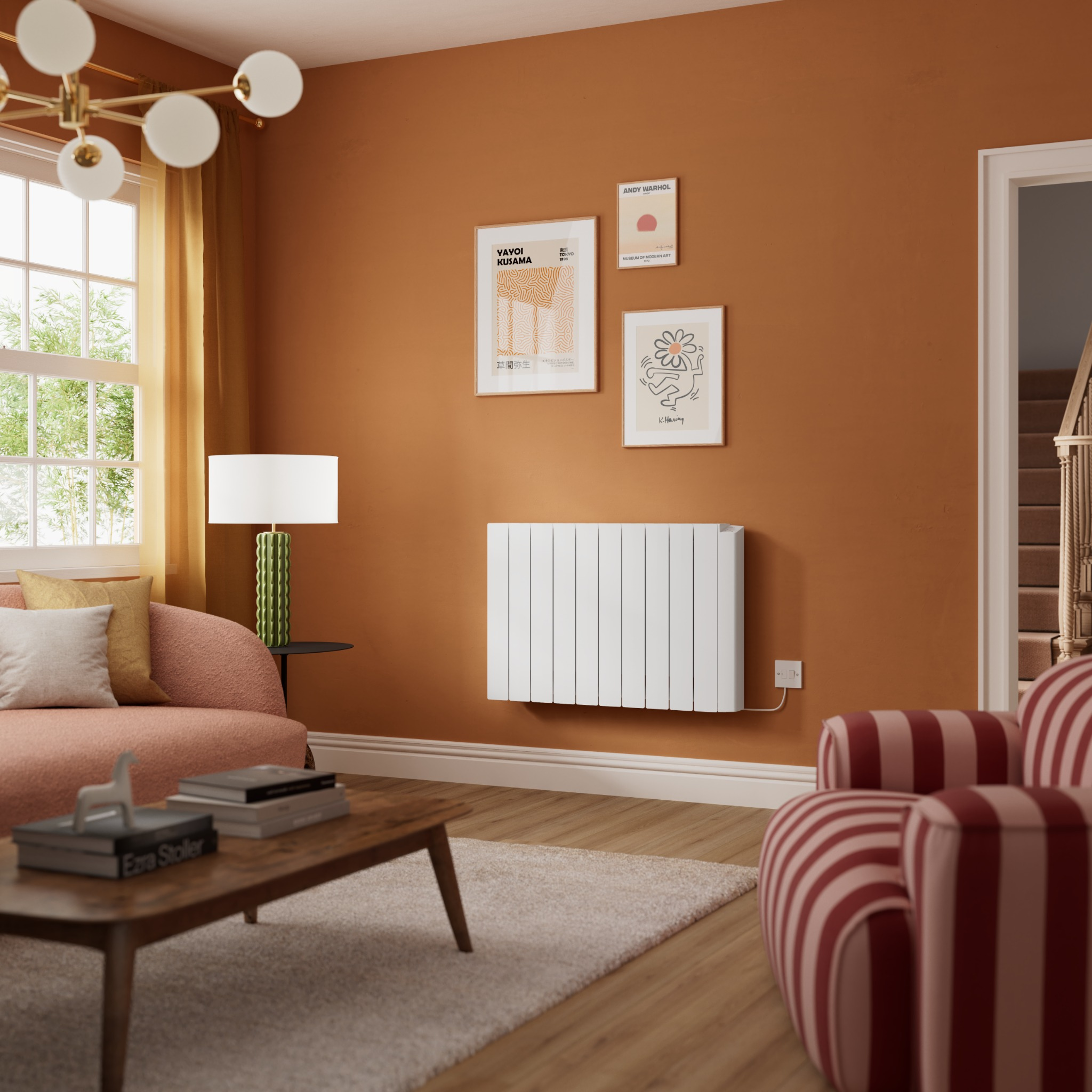
Let’s explore common causes of radiator noise and look at good ways to make sure your heating system runs quietly and efficiently in the future. We’ll provide you with tips for making your radiator quieter with a gas boiler and the best quiet radiator models for a peaceful home.
Why is My Radiator Loud?
In many cases, radiators make loud noises because there is air trapped in the heating system. The trapped air affects the water flow, which can cause the radiator to make gurgling or rattling sounds. Limescale can also cause strange noises in your radiator, along with affecting water pressure. Your radiator may develop limescale from minerals like calcium and magnesium, particularly in hard water areas. Loose pipes can also rattle and vibrate when water passes through them.
Bleed the Radiators
One of the quickest ways to reduce the noise in your radiator is by bleeding it. This releases the trapped air and improves the efficiency of the heating system. You can find out how to bleed a radiator by reading our blog, which provides helpful hints and tips. As a quick way to check if your radiator needs bleeding, check for cold spots on the radiator. If the top of the radiator is cold and the bottom is warm, it could be a sign that there’s trapped air.
Check the Pressure
Excessive water pressure can cause loud noises in your radiator, particularly when it passes through narrow areas such as pipe bends or radiator valves. You can check the water pressure in your radiator by checking the reading on the pressure gauge. For most boilers, the ideal water pressure should be somewhere between 1 and 2 bar, any higher and you may need to bleed the radiators in your home. Any lower and it could be a sign that the system has lost water and needs it to be replaced.
Adjust the Pump Speed
To improve the efficiency of your radiator and reduce the noise, you can adjust the central heating pump speed. Most pump speeds have adjustable speed settings (low, medium and high) and can be adjusted moving a dial, switch or pressing a button.
Flush the System
Flushing a radiator can reduce the build up of sludge, rust and limescale. This can stop the water gurgling and banging as there won’t be anything obstructing its flow. Read our blog to find out how to flush a system. Regular boiler services can help ensure your heating system is running efficiently and makes sure small issues don’t develop into larger, more expensive issues.
Check for Incorrectly Sized Radiators
You can check what size radiator you should have in each room of your home by using our handy radiator size calculator. Having the right radiators for each room will not only reduce noise but can also improve the efficiency of your heating system and help you save on energy bills.
How to reduce noise from radiators in a gas boiler heating system
There could be several reasons why your radiator is clunking and gurgling. Make sure to check for cold spots to see if the radiator needs bleeding, and flush it through regularly to remove the build-up of sludge, rust and limescale. You should also check to see if the pipes are loose and secure them to stop them rattling and banging. It’s also a good idea to check the water pressure and adjust the radiator valves if needed.

 Next Working Day Delivery£18 For Next Working Day Delivery On All Products*When ordered before 2pm.*T&Cs apply