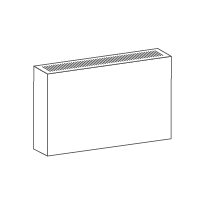
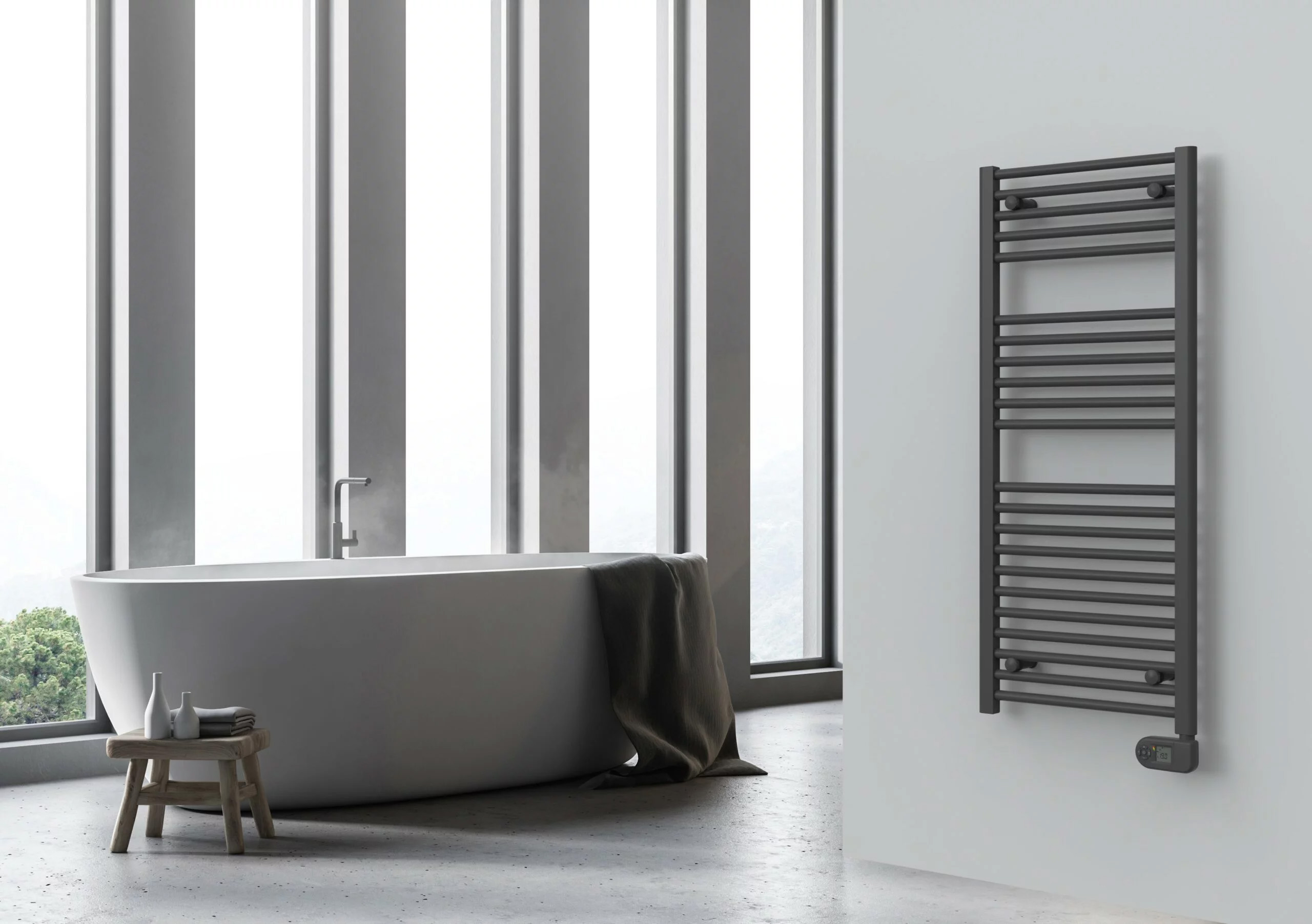
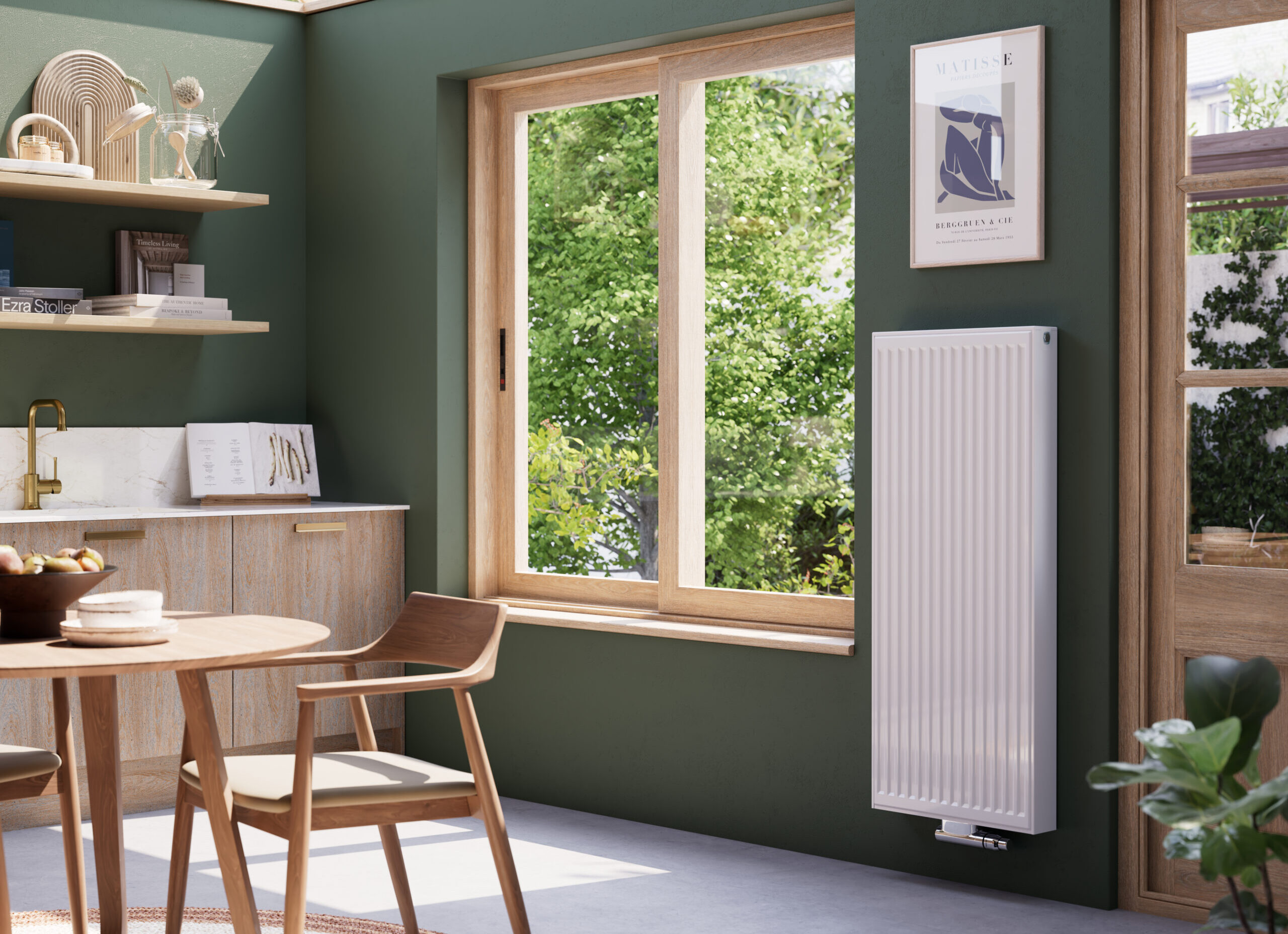
Radiator installation is an essential aspect of any home’s plumbing system, ensuring the efficient functioning of the heating system and maintaining a comfortable living space. Whether you are installing a new radiator or replacing an existing one, the decision to DIY or hire a professional can be challenging.
On one hand, a DIY installation can save you money and allow for flexibility in scheduling the installation. On the other hand, hiring a professional can provide the necessary expertise to ensure that the installation is done safely and efficiently. It can be challenging to weigh the pros and cons of each option and determine the best course of action for your unique circumstances. Whether you are a seasoned DIYer or prefer to leave it to the experts, our goal is to provide the information needed to make an informed decision that is right for you and your home.
DIY Radiator Installation
DIY radiator installation can be a cost-effective option, especially if you have some plumbing experience. It also allows for flexibility in terms of scheduling the installation at your convenience. However, there are risks and potential issues that come with DIY installation, such as safety concerns and the possibility of mistakes. Additionally, if not done correctly, a DIY installation can lead to a high radiator installation cost or even cause damage to your property.
To successfully install a plumbed radiator yourself, you will need a few essential tools, including a spanner, pipe cutter, and a spirit level. It is also crucial to follow the manufacturer’s instructions carefully and avoid common mistakes such as using incorrect fittings or failing to bleed the radiator. Installing an electric radiator in some ways can be simpler, as it just needs to be connected to an electrical supply, but wiring and electricity can be dangerous if not handled correctly.
Ultimately, the success of a DIY installation depends on your technical skills and ability to handle potential issues. This is the same no matter what part of your home you’re installing your new radiator in, though installing bathroom radiators can be a little different to standard living room radiators.
Professional Radiator Installation
Hiring a professional for radiator installation can provide peace of mind and ensure that the installation is done safely and efficiently. Professionals have the necessary experience and expertise to handle any issues that may arise during the installation process. They also follow safety precautions to prevent accidents and can provide quality assurance.
However, professional installation comes with an additional radiator installation cost, and budget considerations must be taken into account before proceeding. The costs of hiring a professional will depend on factors such as the size and complexity of the installation, as well as the company’s rates. It is advisable to obtain multiple quotes from different companies before making a decision.
Factors to Consider
When deciding whether to DIY or hire a professional for radiator installation, several factors must be considered. Technical skills, time constraints, budget, and safety concerns are some of the critical factors to consider. If you have plumbing experience and the time to devote to the installation, a DIY installation may be a viable option. However, if you are unsure about your technical skills, it is best to hire a professional to ensure the job is done correctly.
Comparison of DIY versus Professional Installation
When deciding between DIY and professional radiator installation, it’s essential to consider the benefits and drawbacks of each option. DIY installation can save you money and offer more flexibility, but it also comes with risks, such as safety concerns and the potential for mistakes. Professional installation, on the other hand, offers experience, expertise, and quality assurance, but it can be expensive and require scheduling around the installer’s availability.
Ultimately, the decision depends on your technical skills, time constraints, budget, and safety concerns. If you have the necessary skills, time, and resources, DIY installation may be a cost-effective and flexible option. However, if you’re not confident in your abilities or want the peace of mind that comes with a professional installation, hiring a professional may be the better choice.
It’s worth noting that both DIY and professional installation can lead to a properly installed radiator, ensuring the efficient functioning of your heating system and maintaining a comfortable living space. Whatever option you choose, make sure to weigh the benefits and drawbacks carefully and consider your individual needs and circumstances.
Conclusion
Installing a new radiator is an essential decision that requires careful consideration. We have provided insight into the pros and cons of DIY versus professional installation, as well as factors to consider before making a decision. We recommend evaluating your technical skills, budget, and safety concerns before choosing between DIY or professional installation. Regardless of which option you choose, it is essential to ensure that the installation is done correctly to ensure the efficient functioning and safety of your home.
If you’re looking for quality radiators for your home or business, Stelrad is a trusted brand with a wide range of options to suit any need. Visit our website today to browse our selection and find the perfect radiator for your space. And if you’re not sure whether to DIY or hire a professional for installation, our team is always here to provide advice and guidance. Don’t hesitate to contact us for more information or to get started on your radiator installation project.

 Next Working Day Delivery£18 For Next Working Day Delivery On All Products*When ordered before 2pm.*T&Cs apply