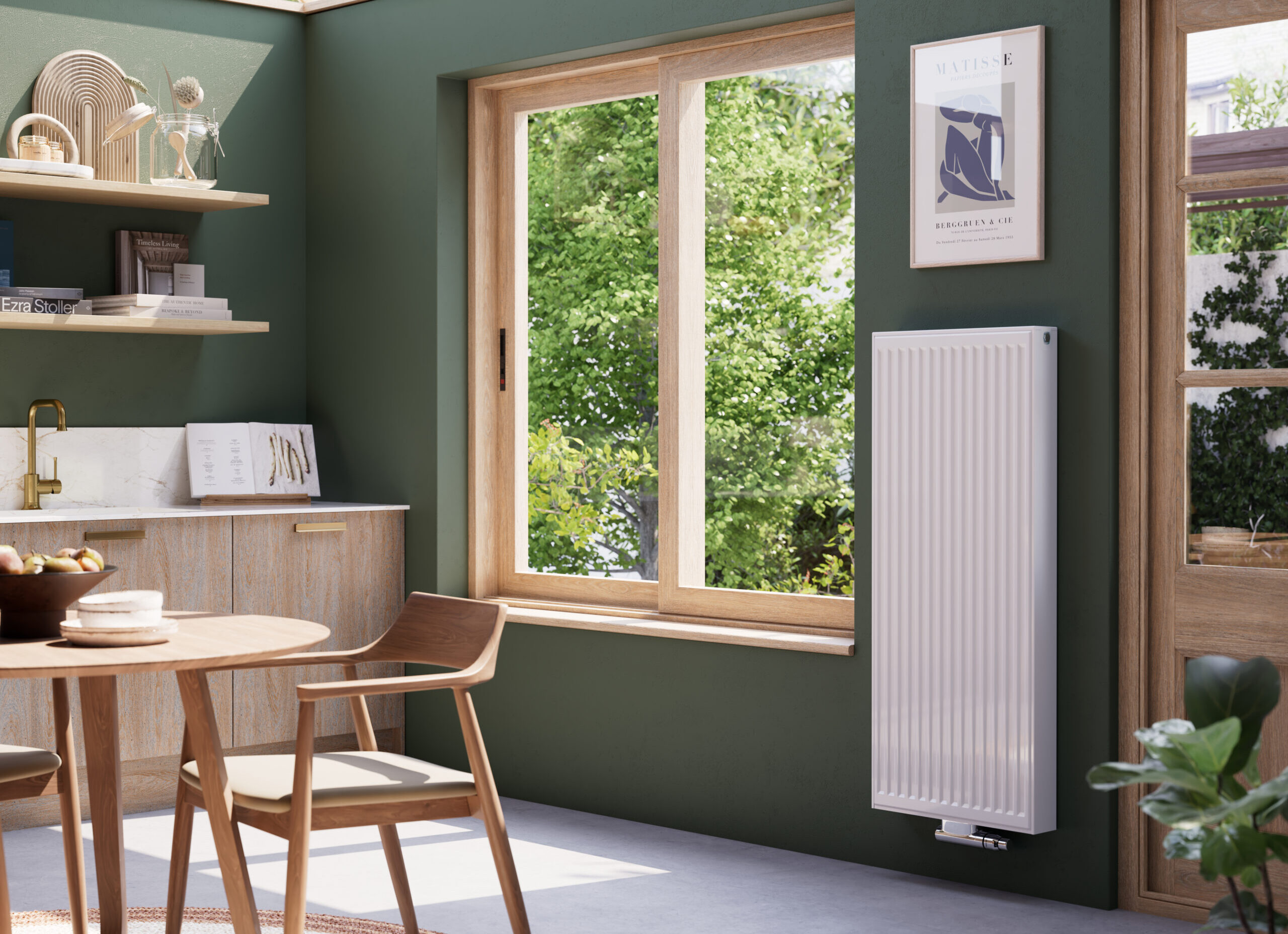
Choosing the right radiator is about more than just keeping a room warm. It’s about balancing heating efficiency, energy costs, and interior design to create a space that is comfortable and functional all year round. Understanding the types of radiators and most common room installation practices will help you avoid common mistakes, such as choosing a radiator that looks great but doesn’t provide enough heat, or placing it in a location that prevents proper circulation.
Poor radiator selection and positioning can lead to uneven temperatures, cold spots, and higher energy bills. By knowing the best radiator placement and which radiator type suits each room, you can maximise comfort, efficiency, and style.
Panel Radiators
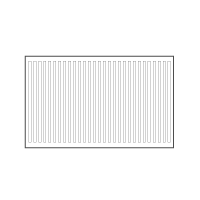
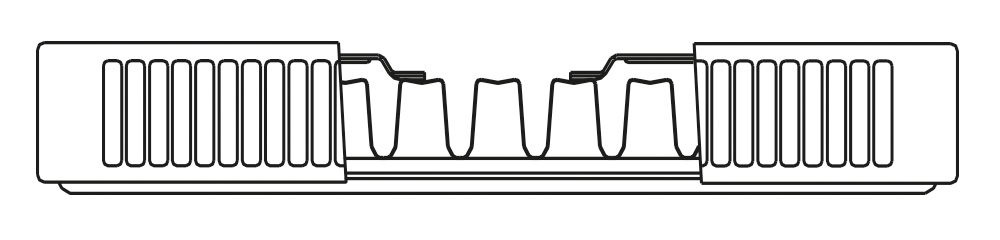
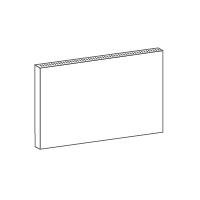
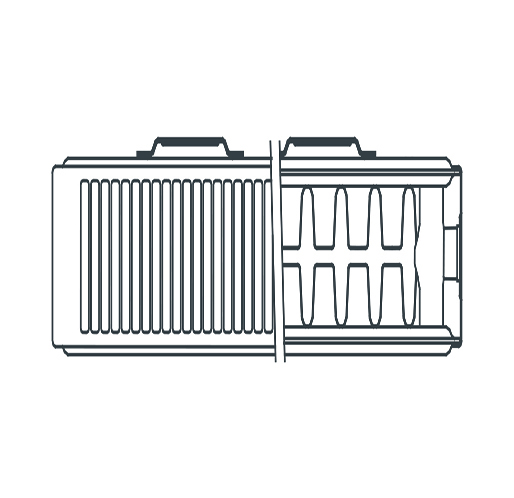
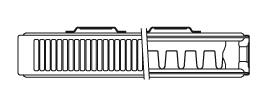
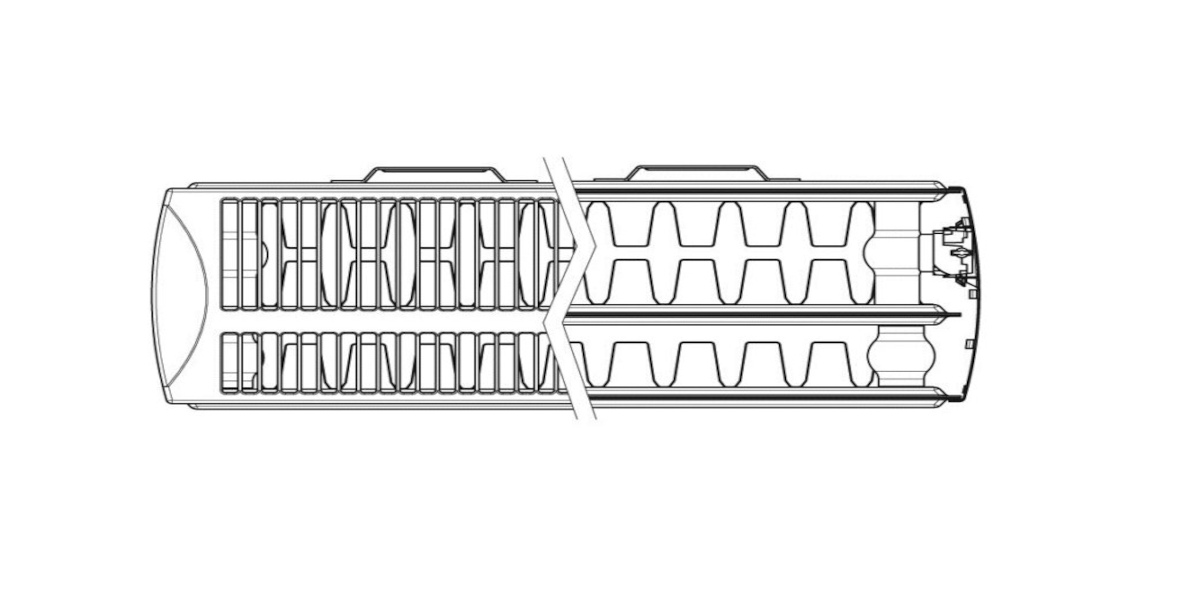
Panel radiators are the most common types of radiators in modern homes and are recognised for their flat-panel design. Available in single or double-panel versions, they heat rooms quickly and are compatible with most central heating systems. Their versatility means they fit seamlessly into a variety of interiors, offering dependable warmth without drawing too much attention.
Pros:
- Cost-effective and widely available
- Quick to heat and easy to install
- Suitable for a variety of room sizes
Cons:
- Less decorative than designer options
- May not suit some more traditional homes
Panel radiators are ideal for living rooms, bedrooms, dining rooms, and home offices where practicality and efficiency are the main priorities.
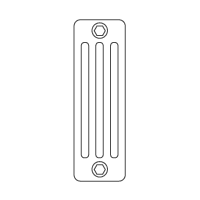
Column Radiators
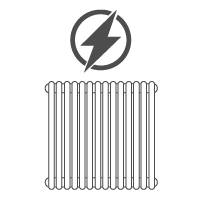
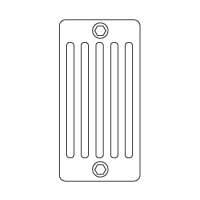
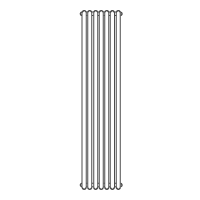
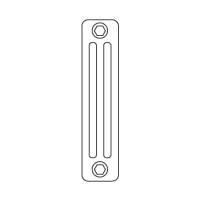
Column radiators are known for their traditional, timeless style, often crafted from cast iron or steel. They have excellent heat retention, meaning they continue to radiate warmth even after the central heating is turned off. While they take a little longer to heat up, they provide a steady, comfortable warmth that works particularly well in older properties or rooms where style is as important as function.
Pros:
- Perfect for period properties or heritage interiors
- Long-lasting heat retention
- Available in a range of finishes to suit modern or classic décor
Cons:
- Heavier and may require reinforced wall fixings
- Slower heat-up time compared to panel radiators
These radiators work especially well in hallways, living rooms, and reception areas where they can serve as a statement feature while keeping the space cosy.
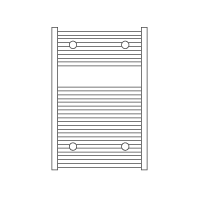
Towel Radiators
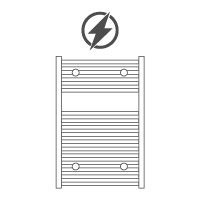
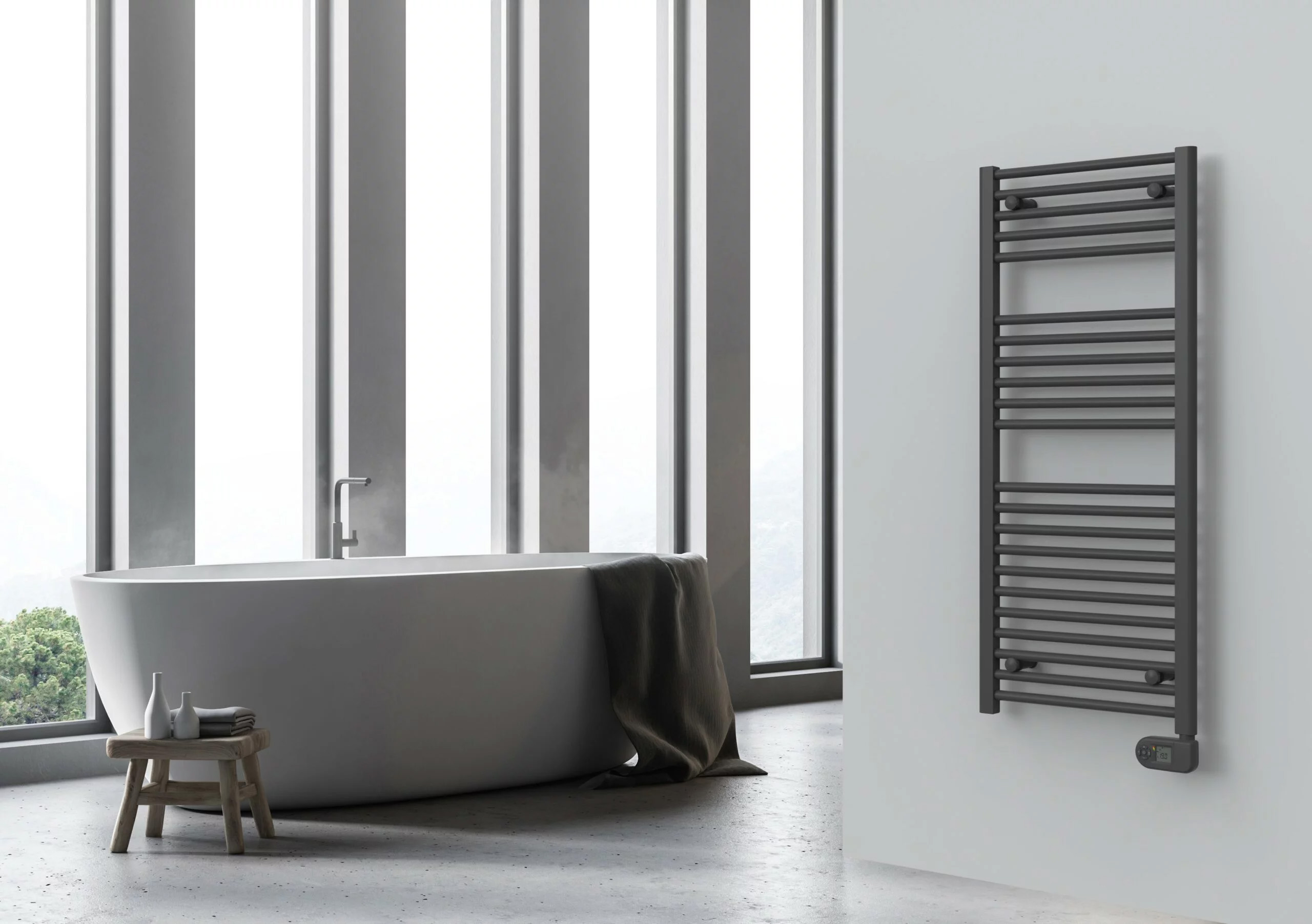
Towel radiators are specifically designed for bathrooms, cloakrooms, and en-suites, offering the dual benefit of heating the room while keeping towels warm and dry. Available in ladder and flat-panel designs, they are a space-saving solution that combines practicality with comfort. While these types of radiators may not provide enough heat for a large bathroom on their own, they are ideal when paired with underfloor heating or an additional radiator in bigger spaces.
Pros:
- Warms and dries towels while heating the room
- Stylish and space-efficient
- Ideal for smaller bathrooms and en-suites
Cons:
- Limited heat output for large spaces without additional heating
Designer Radiators
Designer radiators are for homeowners who want their heating to make an impact as part of their room’s design. Available in a wide range of shapes, colours, and finishes, they can either blend seamlessly into a scheme or stand out as a bold feature. Some are vertical, making them perfect for narrow walls, while others are shaped and styled to complement modern interiors. Although they can be more expensive, they offer the perfect combination of style and performance when chosen carefully.
Pros:
- Stylish and available in countless designs
- Works well in vertical or horizontal layouts
- Adds character to any room
Cons:
- Higher price point than standard radiators
- Some designs have lower heat output, so sizing is important
Electric Radiators
Electric radiators are a versatile option for homes without central heating or for spaces where connecting to the central system is not practical. They run independently, giving you complete control over heating individual rooms, and are often used in extensions, garden rooms, or occasional-use areas. While these types of radiators can be more expensive to run than gas central heating, their ease of installation and control makes them a popular choice for targeted heating.
Pros:
- Simple installation without pipework
- Can be controlled individually for energy savings
- Flexible placement options
Cons:
- Running costs can be higher than central heating
Dual-Fuel Radiators
Dual-fuel radiators combine the benefits of central heating with electric functionality, allowing them to be used year-round. In the colder months, they work alongside your central heating, while in warmer weather you can use the electric function to heat a space without turning on the entire system. This is especially useful in bathrooms and utility rooms where you may want a warm towel or slight heat boost outside of the main heating season.
Pros:
- Flexible use with both central heating and electric power
- Ideal for year-round heating needs
Cons:
- Higher upfront cost compared to standard radiators
Choosing The Right Radiator Materials
Radiators are available in a range of materials, each with its own benefits. Steel radiators are the most common, offering an affordable and versatile option for most homes. Cast iron radiators are heavier but retain heat for longer, making them ideal for maintaining warmth in larger rooms. Aluminium radiators are lightweight and heat up quickly, though they cool down faster than cast iron. Choosing the right material can influence not only performance but also the look and feel of the space.
BTU and Radiator Sizing Explained
Heat output is measured in BTUs, or British Thermal Units, and it’s one of the most important factors to consider when choosing a radiator. The size of the room, level of insulation, ceiling height, and number of windows all affect the BTU requirement. Undersized radiators may struggle to heat the room, while oversized ones could waste energy. Using a BTU calculator can help ensure you choose the right size for each space, improving efficiency and comfort.
Most Common Room Installation Practices
Living Room
In living rooms, radiators are typically installed under windows to counteract drafts and help circulate heat evenly. This traditional placement works well because it takes advantage of natural airflow patterns, ensuring warm air rises and spreads through the room. In spaces with large windows or limited horizontal wall space, vertical radiators are an effective alternative.
Bedrooms
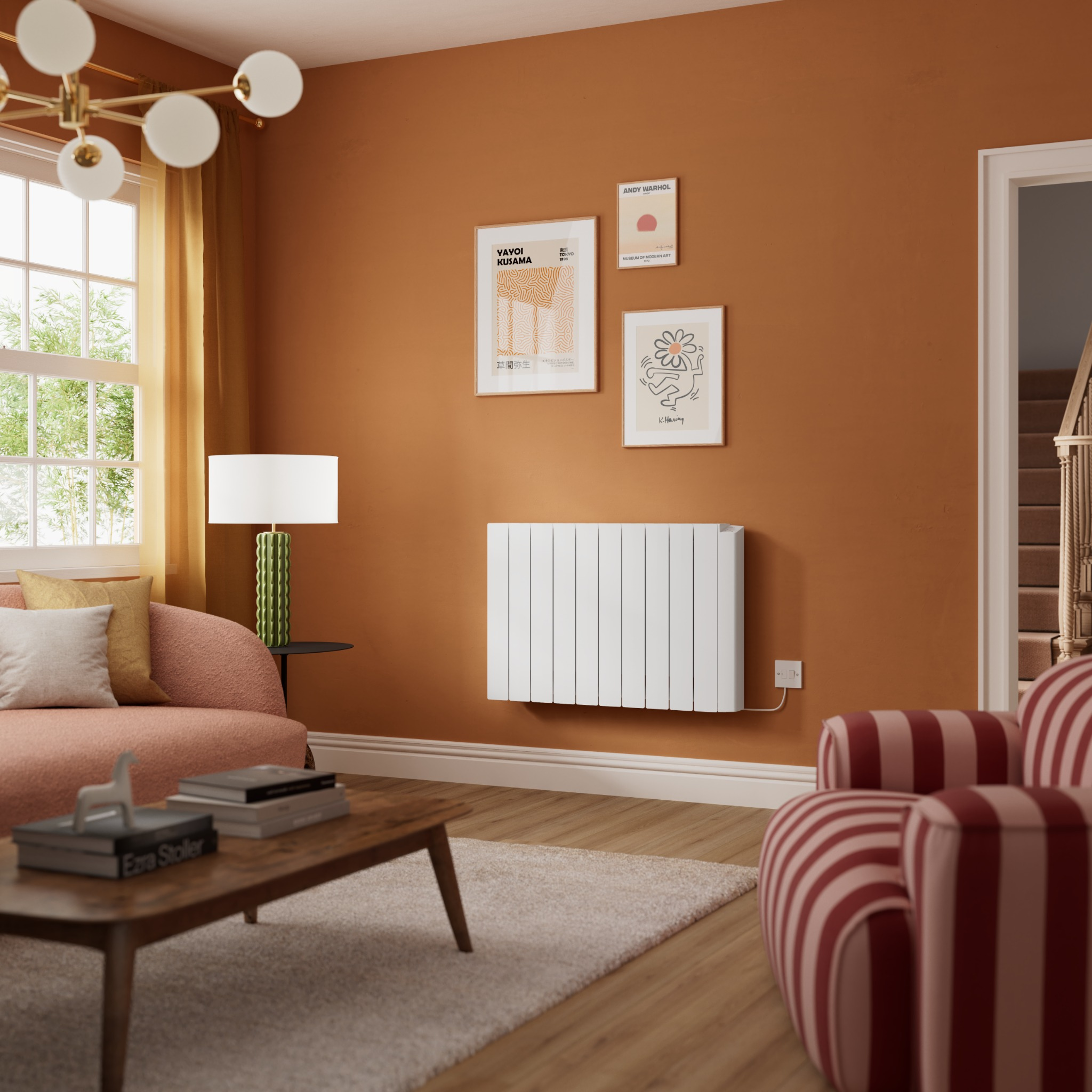
Quiet, efficient radiators are best suited to bedrooms to create a comfortable sleeping environment. Placement is particularly important in furniture-heavy rooms; radiators should not be blocked by large items like beds or wardrobes, as this can restrict heat flow. Choosing a slimline panel radiator such as the Concord Slimline Radiator, can help maximise space without compromising warmth.
Bathrooms
Bathrooms often benefit from heated towel rails, which offer both practicality and warmth. Compact panel radiators can also be used in larger bathrooms for extra heat. Safety is essential here, radiators must meet the correct IP rating if installed near water sources. Positioning should ensure towels are easily accessible while still allowing heat to circulate effectively.
Kitchen
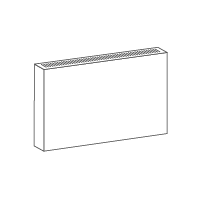
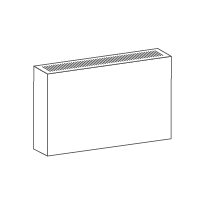
Space is often limited in kitchens due to cabinets, appliances, and worktops. This makes compact radiators or vertical options particularly useful, as they fit neatly into available wall space. Plinth heaters can also provide effective warmth without taking up valuable surface area. Placement should avoid interfering with food preparation or appliance access.
Hallways and Landings
Narrow radiators are ideal for hallways and landings, where space is restricted and movement needs to be unhindered. These areas often act as heat distribution points between rooms, so a well-placed radiator can help maintain a balanced temperature throughout the home.
Common Mistakes to Avoid When Installing Radiators
When deciding where to install radiators in a room, some common errors can reduce efficiency and performance:
- Blocking radiators with furniture or curtains prevents heat from circulating effectively, leading to cold spots.
- Choosing style over function without checking BTU requirements can result in a radiator that looks good but doesn’t heat the space adequately.
- Ignoring thermostatic radiator valves can limit your ability to control temperatures efficiently.
- Placing radiators on poorly insulated external walls may cause heat loss.
Factors to Consider for Best Radiator Placement
Selecting the right radiator involves looking at heat output, wall space, and room layout. Matching the radiator’s BTU to the room size ensures efficiency, while considering where furniture will be placed prevents obstructions. It’s also important to choose types of radiators that meet modern energy efficiency regulations to keep running costs low and reduce your environmental impact.
By understanding the types of radiators and most common room installation guidelines, you can achieve a comfortable, stylish, and energy-efficient home. Whether you choose the practicality of a panel radiator, the charm of a column radiator, or the flexibility of a dual-fuel model, the right decision will make a noticeable difference. For access to expert advice and a wide selection of high-quality radiators, explore our full range at Stelrad today and find the perfect radiator for your space.

 Next Working Day Delivery£18 For Next Working Day Delivery On All Products*When ordered before 2pm.*T&Cs apply