When homeowners think about the cost of radiators in the UK, the conversation usually starts and ends with the purchase price. But the reality is far more layered. Radiator ownership involves installation costs, ongoing energy use, efficiency over time, maintenance, and how well the radiator performs as your home and energy prices change. Despite the emergence of modern heating alternatives, radiators remain a popular and viable heating solution in UK homes.
We’re seeing a shift in how people think about heating. Instead of asking “What’s the cheapest radiator?”, more homeowners are asking smarter questions like “Are expensive radiators worth it?” and “How does radiator efficiency affect bills?” This guide breaks down the full picture so you can make confident, cost-effective decisions for the long term.
Understanding Central Heating
A central heating system is the backbone of comfort in many UK homes, providing a reliable and efficient way to heat multiple rooms at once. Typically, a central heating system consists of a boiler, a network of pipes, and radiators that circulate warm water or steam to deliver consistent heat throughout the space. Whether you’re considering a full central heating upgrade or supplementing with a space heater, it’s essential to weigh factors like energy bills, efficient heating, and the unique needs of your home. By understanding how different systems operate and the benefits they offer, you can choose the most effective way to stay warm and comfortable all year round.
How Much Do Radiators Cost in the UK?
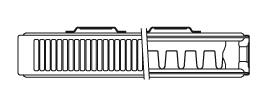
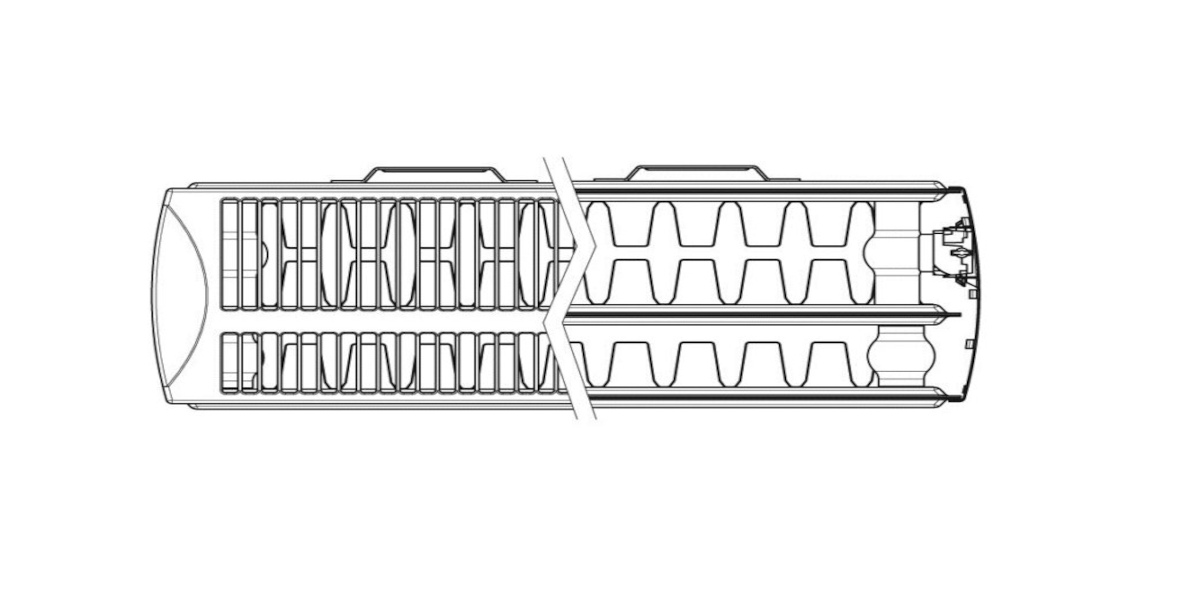
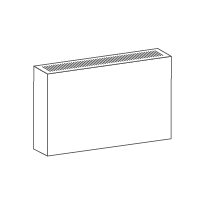
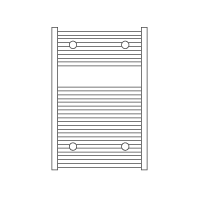
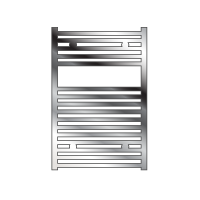
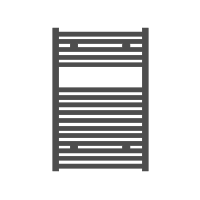
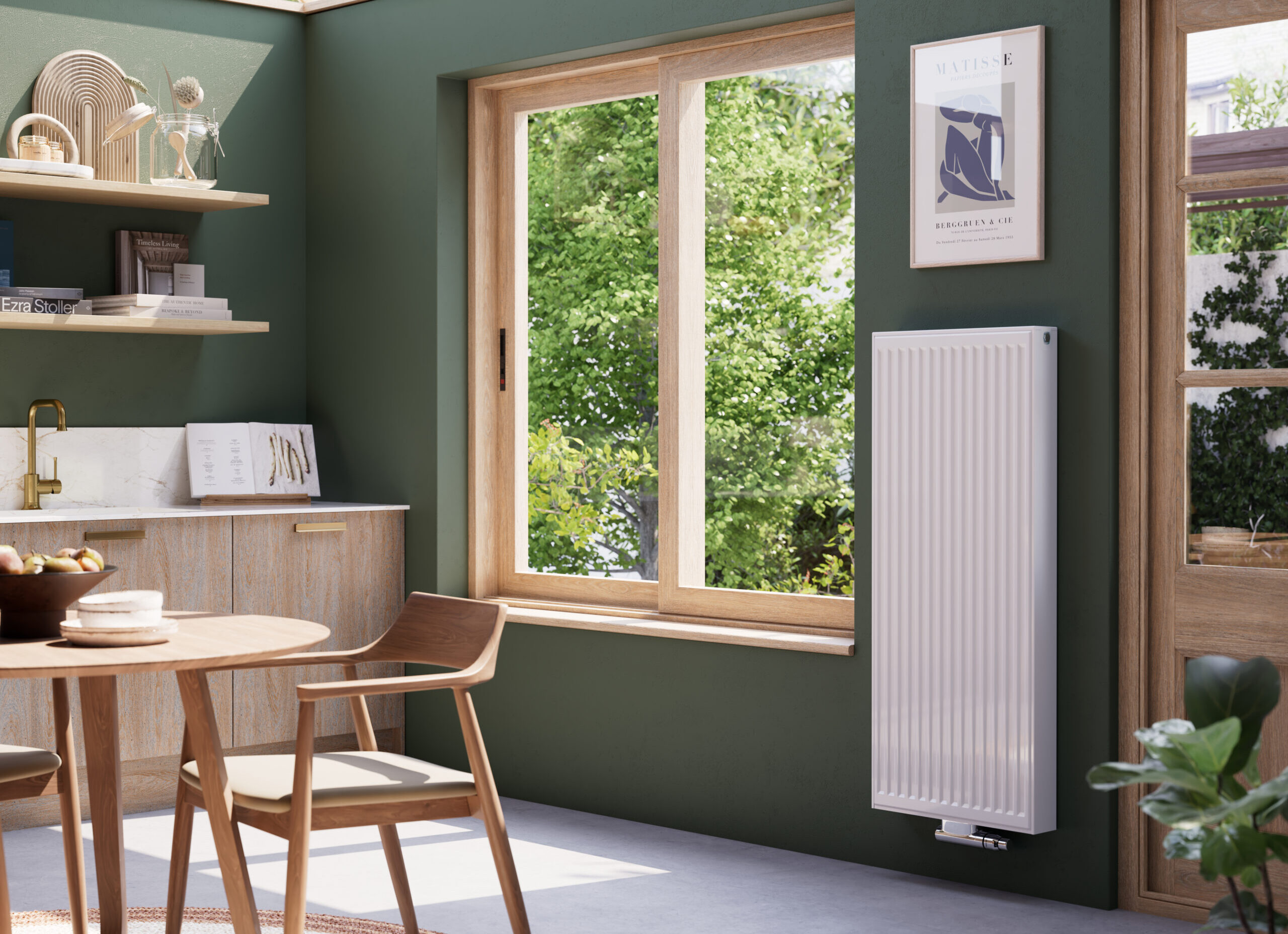
The upfront cost of radiators in the UK varies depending on size, output, materials, style, radiator types, and design. Standard steel panel radiators are typically the most accessible option and suit most homes. Designer radiators often cost more initially, but that price difference does not automatically mean higher running costs.
What matters just as much as price is performance. Choosing different radiator types and styles can impact both the upfront and long-term costs, as some materials and designs may be more efficient or durable than others.
A lower-cost radiator that struggles to heat a room efficiently can increase radiator running costs year after year. In contrast, a well-sized, higher-output radiator may cost more upfront but deliver better value through lower energy use and improved comfort.
What Really Drives Radiator Running Costs?
Radiator running costs are influenced by several interconnected factors. Understanding these helps explain why similar homes can experience very different heating bills.
When comparing heating methods, it’s important to note that gas central heating is generally cheaper for heating an entire home, while electric radiators can be a more affordable option for short-term or room-specific heating, but costs can add up if used extensively throughout the house.
Radiator Efficiency and Heat Output
Radiator efficiency cost plays a major role in long-term ownership. Radiator efficiency and heat output are typically measured in watts for electric radiators and both Watts & BTUs for hot water radiators, helping you compare different models. Energy consumption is often calculated in kWh (kilowatt-hours), which allows homeowners to estimate running costs based on their electricity rates. Efficient radiators release more heat into the room using less energy, allowing your heating system to work smarter rather than harder.
Room Size, Layout, and Insulation
A radiator can only perform as well as the room allows. Larger spaces or poorly insulated rooms require higher output to maintain comfort. When heat escapes quickly, radiators must run longer, increasing energy use and running costs. Poorly insulated windows can also lead to significant heat loss, requiring radiators to work harder and increasing overall energy costs.
Matching radiator output to room size and improving insulation where possible ensures heat is retained, reducing unnecessary energy demand.
Heating Controls and TRVs
Modern heating controls are one of the simplest ways to manage radiator efficiency costs. Thermostatic valves allow rooms to regulate their own temperature, preventing overheating and wasted energy. Lowering the thermostat temperature in unused rooms can further reduce heating costs, as it avoids unnecessary heating and leads to additional savings.
Installing TRV valves helps homeowners fine-tune comfort while keeping heating bills under control, especially in homes with varied room usage.
Radiator Type and Energy Source
The type of radiator you choose also affects efficiency. Wet systems connected to boilers often provide consistent, cost-effective heat across the home. Electric radiators offer precise control but depend heavily on electricity tariffs and usage habits.
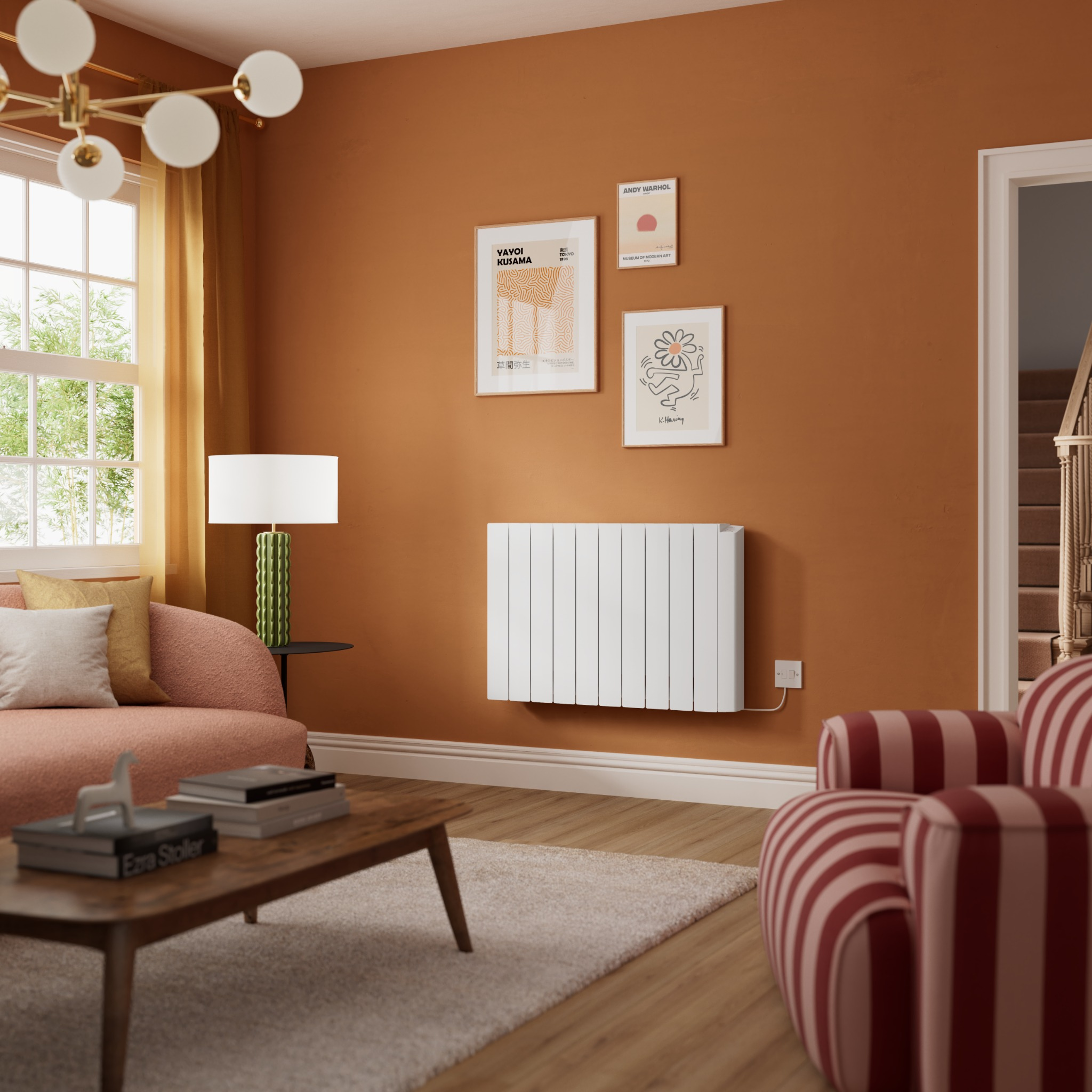
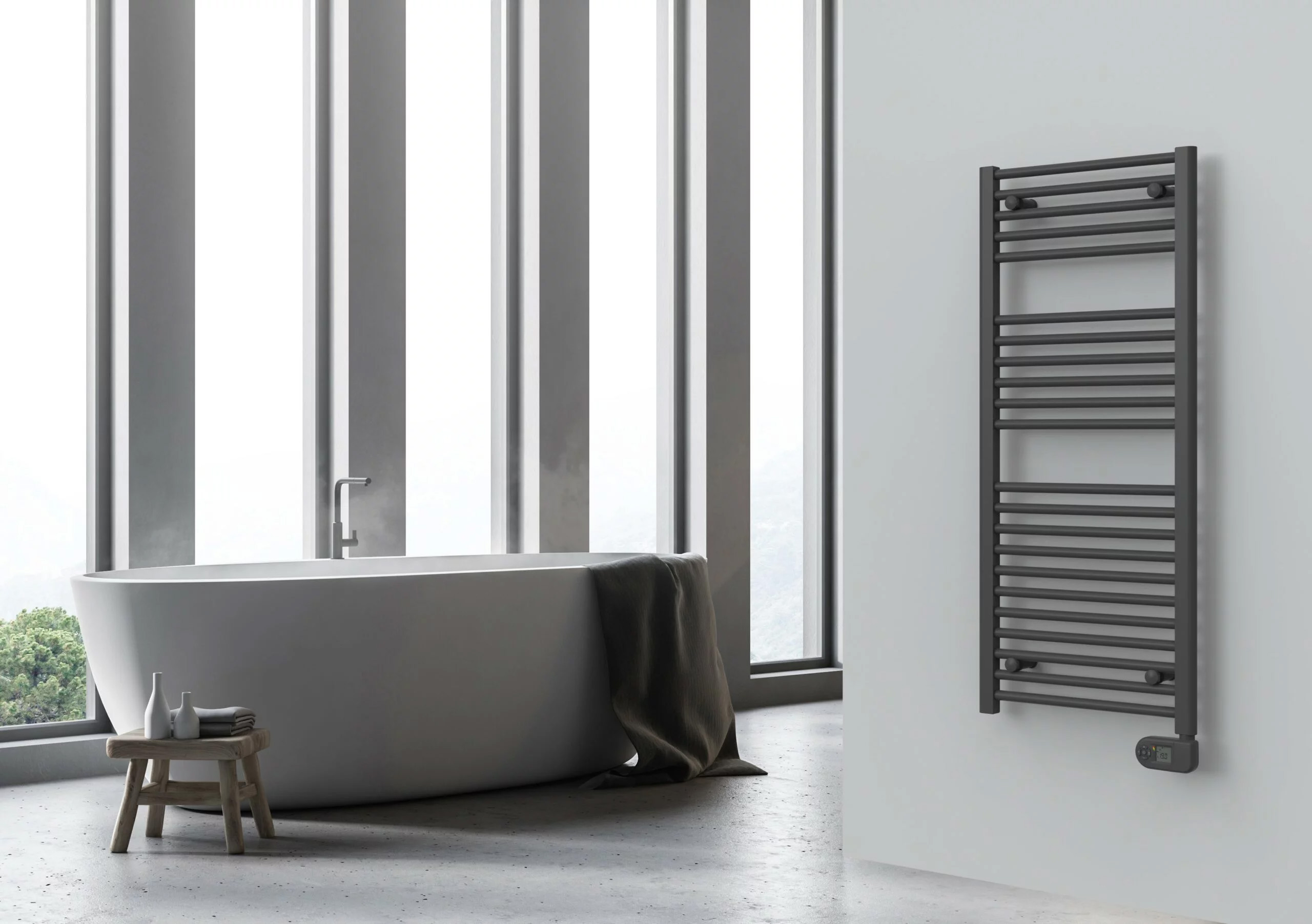
For targeted spaces or flexible heating, energy-efficient electric radiators can deliver controlled warmth without unnecessary energy waste when used correctly.
The total cost will depend on how many hours the heater is used and the electricity rate per unit. Electric heaters are nearly 100% efficient at the point of use, converting almost all electricity into heat where it is needed.
Installation Costs and Home Disruption
Installation costs are often underestimated when assessing the true cost of radiator ownership. Labour charges also vary based on accessibility, pipework changes, and the number of radiators being replaced. If you are installing or upgrading electric radiators, hiring a qualified electrician is essential to ensure safety and compliance with UK regulations.
Labour Costs Explained
Straight replacements usually cost less because they require minimal system changes. Relocating radiators or upgrading pipework increases labour time and cost, especially in older properties.
Downtime and Practical Impact
Installation downtime also has a real cost. Extended projects can leave rooms without heating, disrupting daily routines. Choosing radiators that integrate easily with existing systems helps reduce installation time and inconvenience.
Keeping Radiator Installation Costs Down
Planning is key to controlling installation costs. Replacing radiators like-for-like where possible reduces labour complexity and speeds up fitting. It also limits the need for pipework alterations.
Reliable standard radiators for homes offer consistent performance, broad compatibility, and straightforward installation, helping keep both upfront and long-term costs predictable.
Are Expensive Radiators Worth It?
This question comes up time and again. Are expensive radiators worth it compared to budget alternatives? The answer often lies in efficiency, lifespan, and reliability rather than appearance alone.
Higher quality radiators tend to maintain performance for longer, reducing radiator running costs and avoiding premature replacement. Over ten to fifteen years, the total cost of ownership often favours radiators designed for output and durability rather than the lowest initial price.
How Does Radiator Efficiency Affect Bills Over Time?
Efficiency doesn’t just matter in theory. Over years of daily use, even small improvements in heat output and responsiveness add up.
Efficient radiators warm rooms faster, cycle less often, and maintain stable temperatures. This reduces overall energy demand and shows clearly how radiator efficiency affects bills, especially during colder months when heating usage peaks.
Lifespan, Maintenance, and Long-Term Value
Durability is a major cost factor that’s easy to overlook. Well-made radiators resist corrosion, leaks, and efficiency loss, reducing maintenance needs and unexpected repair costs.
Radiators designed with sustainability in mind, such as eco-friendly radiators, support lower energy consumption while delivering dependable heat throughout their lifespan. This combination of efficiency and longevity adds real long-term value.
Making a Smarter Long-Term Heating Choice
The true cost of radiators in the UK goes far beyond the price tag. Radiator running costs, buying in bulk, efficiency, installation, and lifespan all influence what you ultimately pay.
At Stelrad, we focus on delivering radiators that balance performance, efficiency, and long-term reliability. Choosing the right radiator today means better comfort, lower energy use, and greater peace of mind for years to come.
Cost of Radiators in The UK FAQs
Are Expensive Radiators Worth Buying Long Term?
Expensive radiators can offer better long-term value when higher efficiency and durable construction reduce radiator running costs. Improved heat output, longer lifespan, and lower maintenance needs often offset the higher purchase price over many years of regular use.
Will New Radiators Work With Older Heating Systems?
Most modern radiators are designed to integrate with existing boilers and pipework. Selecting the correct size and output allows homeowners to upgrade efficiency without major system changes, keeping installation costs manageable while improving overall heating performance.
How Durable Are Modern Steel Radiators?
Modern steel radiators are built for strength and longevity. With correct installation and system care, they deliver consistent heat for decades, maintaining efficiency and helping keep radiator efficiency costs stable throughout their lifespan.
Are Energy-Efficient Electric Radiators Easy to Use?
Energy-efficient electric radiators are designed for simple, intuitive control. Programmable timers and responsive thermostats allow users to manage heat precisely, helping reduce unnecessary energy use while maintaining comfort in specific rooms.
Do Radiators Come With Guarantees or Warranties?
Quality radiators typically include manufacturer warranties that reflect expected lifespan and build quality. These guarantees provide reassurance, protect against defects, and help homeowners plan confidently for long-term radiator ownership.
Can New Radiators Reduce Heating Bills Straight Away?
Upgrading to efficient, properly sized radiators can reduce heating bills quickly. Faster warm-up times and improved heat distribution mean less energy is required to maintain comfort, directly influencing how radiator efficiency affects bills from the first heating season.

 Next Working Day Delivery£18 For Next Working Day Delivery On All Products*When ordered before 2pm.*T&Cs apply