Heating is one of the biggest contributors to household carbon emissions in the UK. As energy costs rise and environmental standards tighten, homeowners are increasingly looking for smarter ways to heat their homes without sacrificing comfort. This shift has brought low-temperature heating firmly into focus.
Understanding how low-temperature radiators reduce carbon helps homeowners make informed decisions that lower emissions, improve efficiency, and prepare properties for modern heating technologies. At Stelrad, we design radiators to perform efficiently at lower flow-temperatures, supporting long term sustainability alongside reliable everyday warmth.
Understanding Low-Temperature Radiators
Low-temperature radiators are designed to deliver effective heat using lower water temperatures than traditional systems. Instead of relying on very hot water, typically around seventy degrees, these radiators operate efficiently at temperatures closer to 35 to 55 degrees.
The result is a system that uses less energy to achieve the same level of comfort. Improved radiator design, increased surface area, and enhanced heat transfer all contribute to reducing home carbon footprint heating while maintaining consistent room temperatures.
Modern Panel Radiators
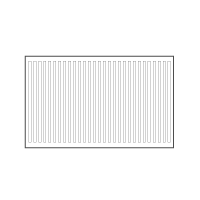
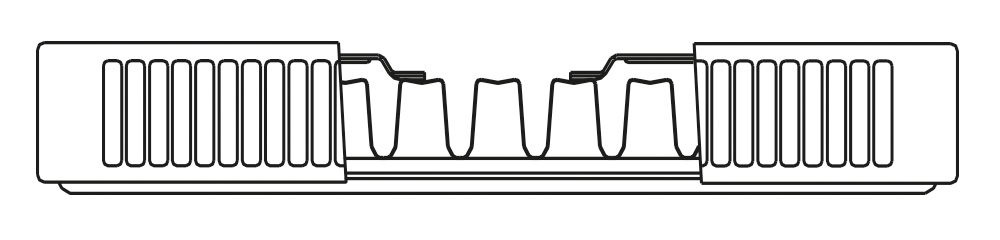
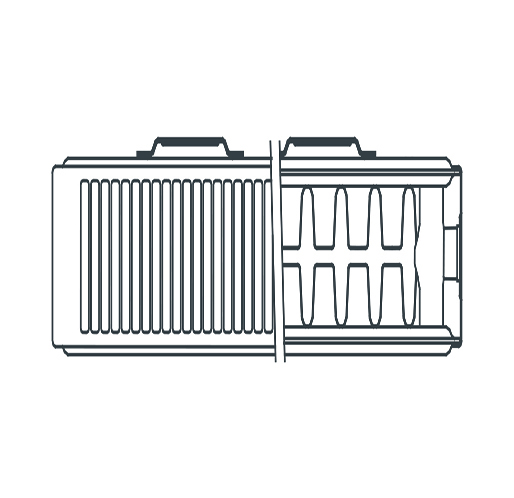
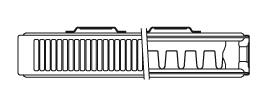
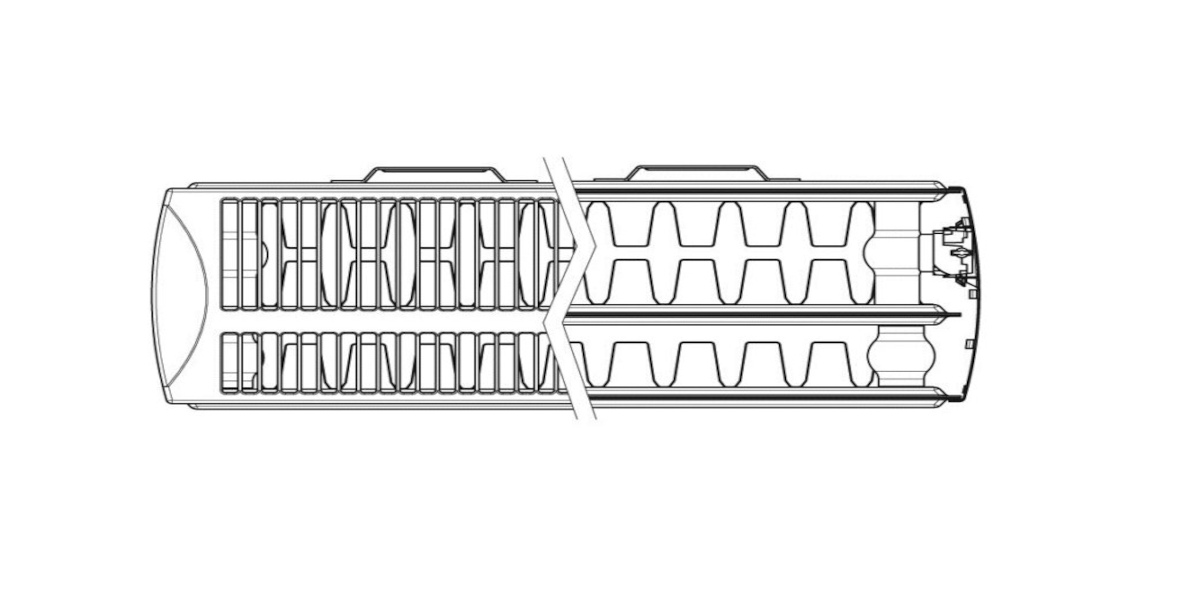
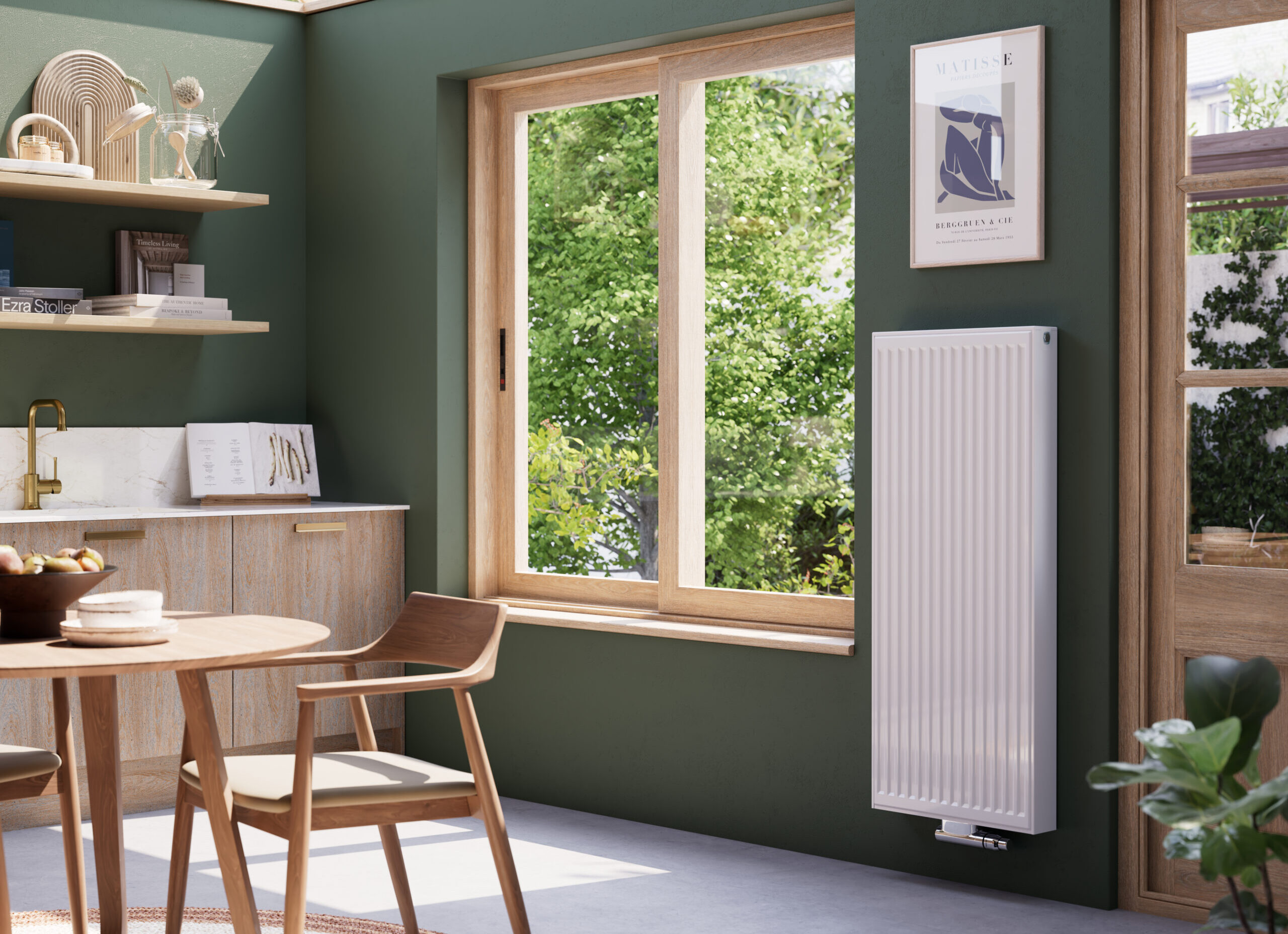
Modern panel radiators are engineered to deliver high output at lower temperatures. Advanced internal fins and improved steel construction allow heat to be released more efficiently into the room.
When combined with high-output radiators, modern panels offer one of the most practical ways to benefit from low-temperature heating without changing room layouts or aesthetics.
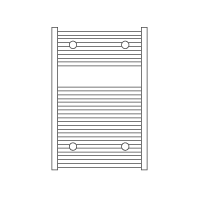
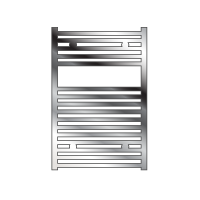
Designer Radiators
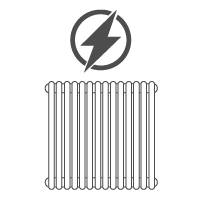
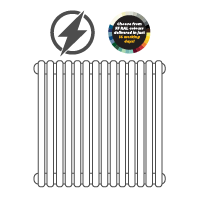
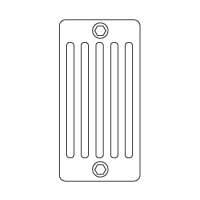
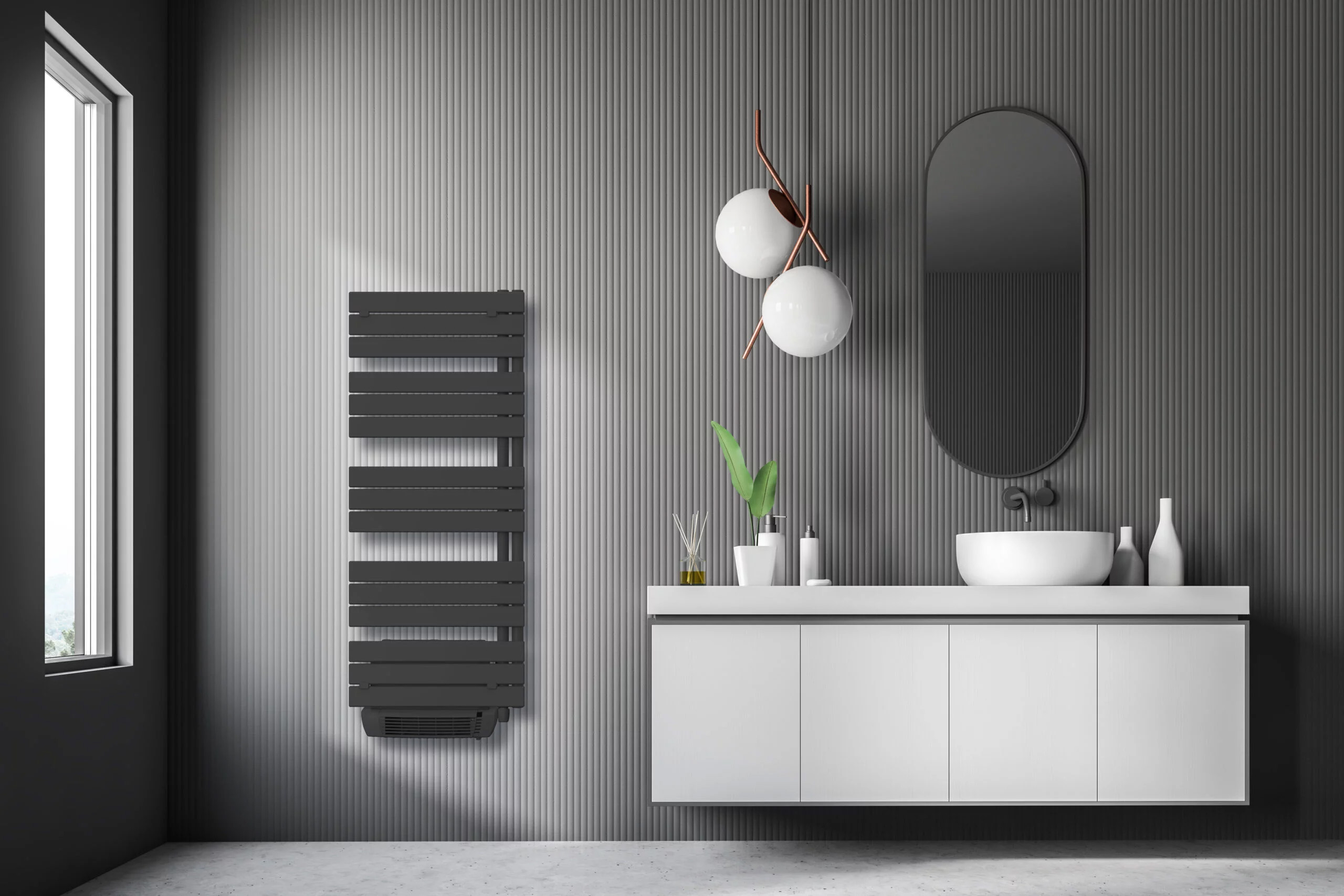
Designer radiators balance visual appeal with performance. Many contemporary designs feature wider surfaces and optimised heat distribution, making them well-suited to lower flow-temperatures.
They are particularly effective in open-plan living areas, proving that the benefits of low-temperature radiators extend beyond efficiency to include flexibility in interior design.
Fan-Assisted Radiators
Fan-assisted radiators use low-energy fans to circulate warm air more evenly around a space. This improves heat distribution and responsiveness even when operating at reduced temperatures.
They are especially effective as low-temperature radiators for heat pumps, where steady airflow supports efficient operation and consistent comfort.
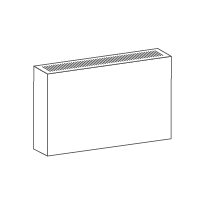
Fan Convector Radiators
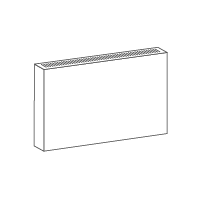
Fan convector radiators draw air across a heated element and distribute warmth quickly. Compact and efficient, they are ideal for spaces where rapid heat delivery is required or where wall space is limited.
Their ability to perform well at lower temperatures makes them a valuable option for reducing home carbon footprint heating in both homes and larger buildings.
Why Lower Flow Temperatures Reduce Carbon
Heating water to high temperatures requires more energy, which directly increases fuel consumption and carbon emissions. Lowering flow-temperatures allows heating systems to operate more efficiently and with less environmental impact.
Gas boilers condense more effectively at lower temperatures, extracting more usable heat from exhaust gases. Electric systems and renewable technologies also consume less energy when delivering steady warmth rather than short bursts of high heat. This efficiency gain is central to how low-temperature radiators reduce carbon across UK homes.
Low-Temperature Radiators in Modern Heating Systems
Low-temperature radiators play a vital role in modern heating systems by allowing heat sources to operate within their most efficient range. As the UK moves towards lower-carbon heating solutions, radiator performance becomes just as important as the heat source itself.
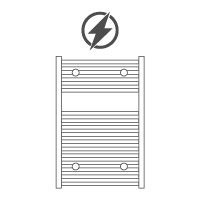
Electric solutions such as energy-efficient electric radiators benefit from controlled output and consistent temperatures, helping homeowners manage energy use more effectively while supporting future-proof heating systems in the UK.
Low-Temperature Radiators for Heat Pumps
Heat pumps perform best when delivering heat gradually at lower temperatures. High flow-temperature demands reduce efficiency and increase running costs.
Low-temperature radiators for heat pumps allow systems to operate as intended, improving performance, reducing electricity use, and maximising the carbon-saving benefits of renewable heating.
Electric and Hybrid Heating Systems
Electric and hybrid systems also benefit from low-temperature operation. By maintaining steady heat output, these systems reduce energy spikes and improve overall efficiency.
This approach supports reducing home carbon footprint heating while offering homeowners greater control over comfort and running costs.
Key Benefits of Low-Temperature Radiators
Lower Carbon Emissions
One of the primary benefits of low-temperature radiators is their ability to reduce household carbon emissions. Lower energy demand results in fewer emissions, helping homeowners contribute to national sustainability targets.
Reduced Energy Bills
More efficient operation means less energy is wasted. Over time, this can lead to noticeable reductions in heating bills, particularly when paired with modern controls and insulation improvements.
Consistent Home Comfort
Low-temperature radiators deliver steady, even warmth rather than fluctuating temperatures. This improves comfort and reduces the need for constant thermostat adjustments.
Future Ready Heating
Homes fitted with low-temperature radiators are better prepared for future upgrades, including renewable technologies. This makes them a key component of future-proof heating systems in the UK.
How Stelrad Radiators Support Low-Temperature Heating
At Stelrad, our radiators are designed to deliver reliable performance at lower flow-temperatures without compromising output or durability. We focus on quality materials, tested designs, and efficiency-driven engineering.
Our ranges include solutions such as eco-friendly radiators that align with low-carbon heating goals. When paired with accurate controls like TRV valves, homeowners gain precise room-by-room temperature management and improved efficiency.
Are Low-Temperature Radiators Right for Your Home?
Low-temperature radiators are suitable for most UK homes, whether new build or renovation. Factors such as insulation levels, room size, and heat source should be considered, but upgrading radiator performance is one of the most effective ways to reduce heating emissions.
As awareness grows around reducing home carbon footprint heating, radiators are increasingly recognised as a key driver of efficiency rather than a passive element.
Building a Lower Carbon Heating Future
Low-temperature radiators are no longer a niche solution. They are a practical and proven way to reduce emissions, control energy costs, and prepare homes for modern heating systems.
By choosing radiators designed for lower temperature operation, homeowners can take a confident step towards sustainable comfort. With Stelrad, that future is efficient, reliable, and built to last.
How Low-Temperature Radiators Reduce Carbon FAQs
Are Low-Temperature Radiators Worth Buying?
Low-temperature radiators are worth buying for most UK homes because they reduce energy use, lower carbon emissions, and improve system efficiency. When correctly sized, they provide the same comfort as traditional radiators while supporting long-term savings and future heating upgrades.
Will Low-Temperature Radiators Work with My Current System?
Low-temperature radiators often work with existing condensing boilers and modern electric systems. Many homeowners upgrade radiators first, improving efficiency without replacing the entire heating system, making this a practical step towards reducing home carbon footprint heating.
How Durable Are Low-Temperature Radiators?
Low-temperature radiators are highly durable because they operate at lower thermal stress. Reduced flow-temperatures place less strain on materials and joints, helping radiators maintain performance, efficiency, and appearance over many years with minimal maintenance.
Are Low-Temperature Radiators Easy to Control?
Low-temperature radiators are easy to control and often more comfortable than traditional systems. They work effectively with thermostatic controls, allowing homeowners to manage room temperatures accurately while maintaining steady, energy-efficient heat output.
Do Low-Temperature Radiators Come with Guarantees?
Most quality low-temperature radiators come with manufacturer warranties covering materials and performance. Stelrad radiators are built to high standards and supported by guarantees that provide reassurance on durability, efficiency, and long-term reliability.
Are Low-Temperature Radiators Suitable for Heat Pumps?
Low-temperature radiators are ideal for heat pumps because they operate efficiently at lower flow-temperatures. This allows heat pumps to run more efficiently, reducing electricity use and maximising the carbon saving benefits of low-temperature heating systems.

 Next Working Day Delivery£18 For Next Working Day Delivery On All Products*When ordered before 2pm.*T&Cs apply