If you are planning home improvements, selling a property, or thinking about future rental compliance, your EPC rating matters more than ever. One question we hear is whether radiators actually affect EPC scores or are simply a comfort upgrade.
The reality sits somewhere in between. Radiators do not create energy, but they play a vital role in how efficiently your heating system operates. In this guide, we explain how radiators and EPC rating outcomes are connected, when upgrades make sense, and how modern heating choices can support stronger EPC results.
What Is An EPC Rating and When Should It Be Updated?
An Energy Performance Certificate (EPC) is a legal document that measures the overall energy efficiency of a property, graded from A for highly efficient homes to G for the least efficient. The EPC assesses the energy performance of a building by estimating running costs, energy usage, and environmental impact based on the building fabric and installed systems, which together determine the overall EPC rating.
EPCs are valid for ten years, but updating one earlier can be beneficial if you have made meaningful EPC rating heating improvements. Upgrading heating systems, changing radiators, or improving controls can all influence how your property performs on paper. For landlords, updating an EPC after improvements can also help demonstrate compliance with minimum efficiency standards.
How EPC Ratings Are Calculated and What They Cover
EPC ratings are calculated using a standard assessment methodology that models how a typical household would use energy in the property. Importantly, this is not based on your actual bills but on the efficiency of what is installed.
The EPC rating heating system assessment looks at boiler efficiency, fuel type, heating controls, and how heat is distributed. This is where radiators come into play. If heat distribution is inefficient, the system must work harder to maintain comfort, which negatively affects the EPC score.
Understanding how heating affects EPC rating outcomes helps homeowners see why radiators are more than just visual features.
Why EPC Ratings Matter For Property Value
EPC ratings are now a key decision factor for buyers and tenants, as a property’s EPC rating provides a clear indication of its energy efficiency. EPC helps potential buyers assess the energy performance of a home and identify areas for improvement, which can influence their purchasing decision.
For landlords, EPC ratings are directly linked to letting eligibility. For homeowners, a better rating can influence marketability and buyer confidence. Properties with higher EPC ratings (A or B) are often more attractive to buyers and can command higher prices. Improving your EPC rating can help reduce energy bills without affecting comfort levels in your home.
How Heating Systems Influence EPC Ratings
Heating typically accounts for the largest portion of household energy use. EPC assessments place heavy emphasis on how efficiently heat is generated and controlled, considering different heating methods such as convection, radiant heat, electric radiators, and storage heaters.
While boilers and heat sources attract the most attention, the EPC rating heating system score also reflects how well heat is delivered around the home. Gas boilers and electric heating systems are both assessed, but gas central heating systems achieve higher EPC ratings than electric systems due to the cost of energy. Electric heating systems often face a significant cost disadvantage compared to gas heating, leading to higher running costs and lower EPC ratings. Inefficient radiators can undermine even the most modern boiler, forcing higher flow temperatures and longer run times.
This is why heating upgrades should be viewed as a system, not a single component.
Do Radiators Affect EPC Rating Directly Or Indirectly?
Radiators do not receive an individual EPC score, but they influence several factors that feed into the final result. So when people ask do radiators affect EPC rating, the answer is “indirectly but meaningfully”.
Older radiators are often undersized or designed for high-temperature systems. Modern heating systems operate more efficiently at lower temperatures, but outdated radiators may struggle to deliver enough heat unless the system works harder than necessary.
Upgrading radiators helps heat reach rooms more efficiently, supporting better system performance and improved EPC modelling.
Does Replacing Radiators Improve EPC Rating?
Does replacing radiators improve EPC rating on its own? Usually not dramatically. However, as part of a wider heating upgrade, it can make a noticeable difference.
New radiators allow modern boilers to operate as designed, improve warm-up times, and support more precise temperature control. When EPC assessors evaluate the system, these improvements help demonstrate efficient heat distribution and effective control.
Radiator replacement is therefore best viewed as a supporting upgrade that enhances the impact of other efficiency improvements.
Electric Radiators and EPC Rating Performance
Electric heating has historically been linked to weaker EPC scores due to higher running costs and the way electricity is treated within EPC calculations. Electric radiators tend to perform poorly in EPC assessments because electricity is usually more expensive than gas or oil, which lowers the calculated energy efficiency of the property.
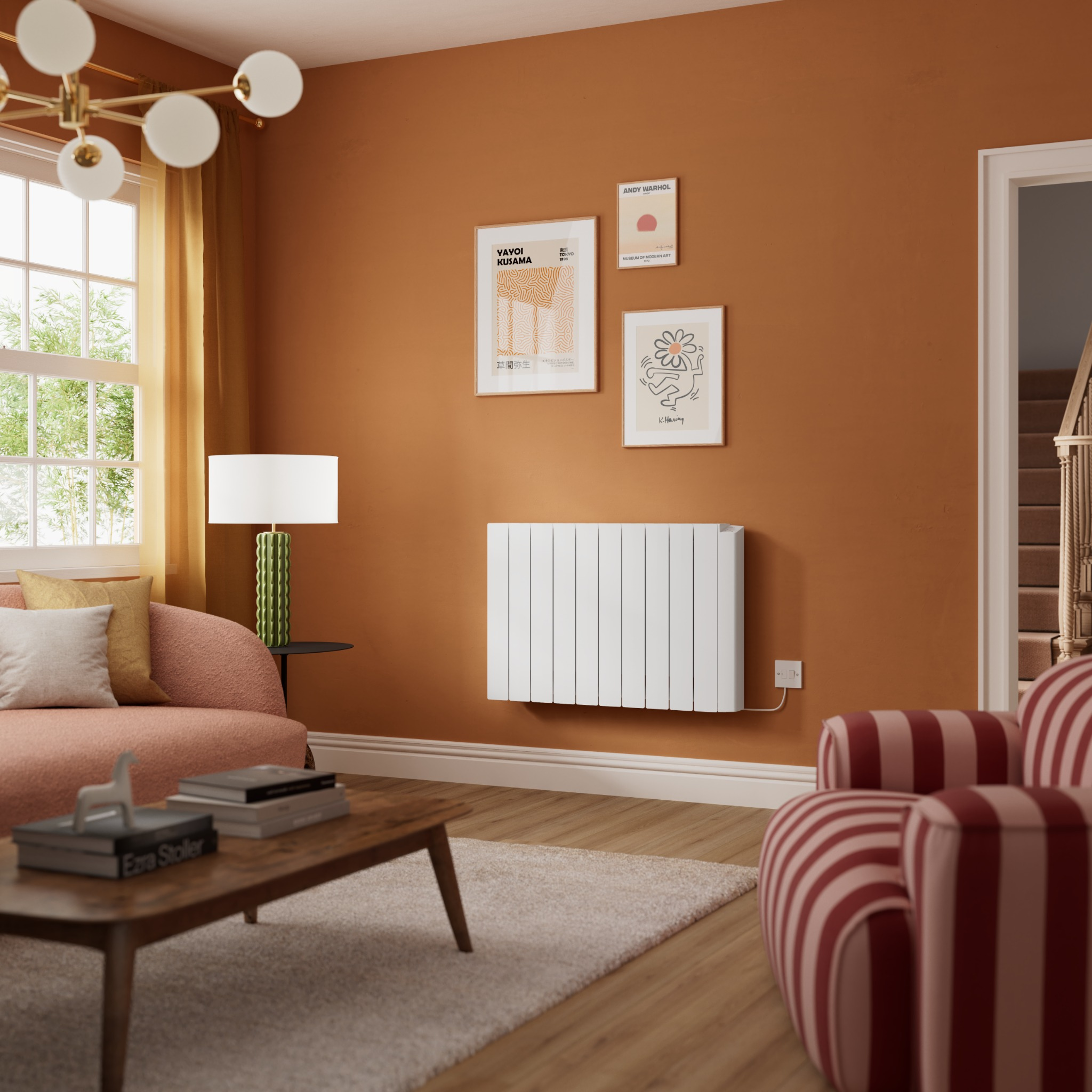
Electric panel heaters are particularly unfavourable from an EPC perspective. As fixed electric systems that typically operate on peak rate electricity, they increase estimated running costs and reduce EPC scores. Although electric radiators are technically 100% efficient at the point of use, EPC ratings focus on overall cost effectiveness and carbon impact rather than efficiency alone.
Some modern electric radiators incorporate heat-storing materials to reduce electricity demand, but storage-based systems deliver stronger EPC outcomes. High-heat-retention storage heaters perform better because they store heat during off-peak hours and release it gradually throughout the day. Replacing standard electric panel heaters with High-heat-retention storage heaters can improve an EPC score by around 16 points.
Ultimately, electric heating performance within EPC ratings depends on system design rather than fuel type alone. Storage capability, control efficiency, and tariff use all influence how electric heating is assessed, making modern energy-efficient electric radiators far more EPC-friendly than traditional electric radiators.
Energy-Efficient Radiators and EPC Rating Improvements
Energy-efficient radiators are designed to deliver strong heat output while allowing systems to run at lower flow temperatures. This aligns perfectly with modern condensing boiler operation and future low-carbon heating strategies.
High-output radiators warm spaces more quickly and evenly, reducing the time a boiler needs to run. This supports efficiency modelling and helps strengthen EPC outcomes when assessed as part of a complete heating system.
Heating Controls and Supporting Technologies
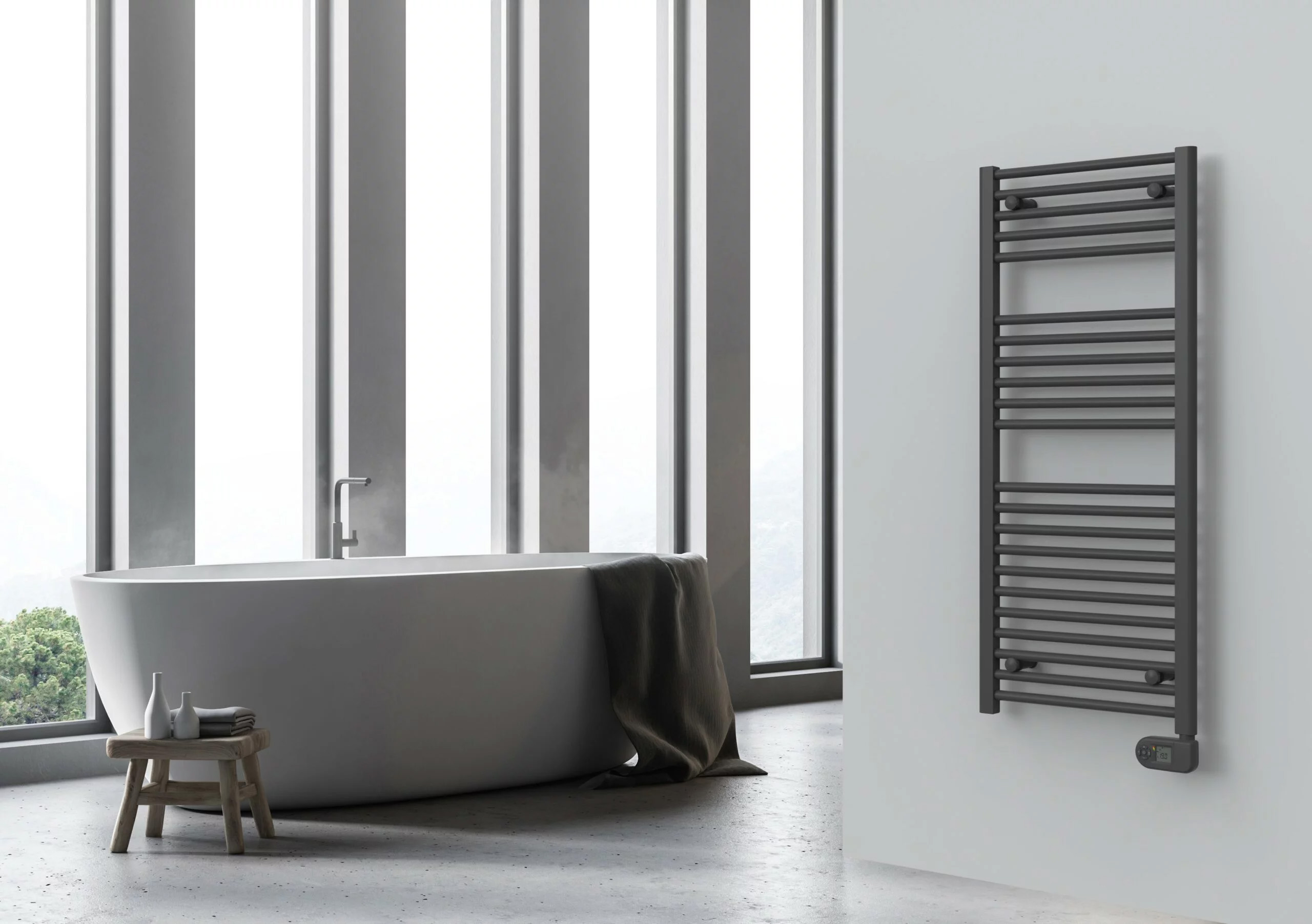
Radiators perform best when paired with effective controls. EPC assessments reward systems that prevent overheating and allow heat to be delivered only where needed. In addition to the main heating system, EPC assessments also consider secondary heating, which refers to fixed, alternative heating sources in a property that supplement the main system. Secondary heating devices, such as fixed electric log burners or electric towel rails, are recorded in EPC assessments and can influence the calculation of heating costs and the overall EPC rating.
Thermostatic radiator valves enable room-by-room temperature control, reducing wasted energy and improving comfort. Zoning, timers, and smart thermostats all support better energy management and positively influence EPC modelling.
For property owners wanting to know how to improve EPC rating in the UK, upgrading controls alongside radiators delivers far greater results than either upgrade alone.
Practical EPC Advice For Homeowners and Landlords
If your goal is improving EPC ratings, especially for rental properties, start by assessing whether your current radiators are correctly sized and compatible with modern heating systems. For each individual property, upgrades are assessed based on how they improve overall energy performance.
EPC ratings are crucial for landlords, as the UK Government announced that landlords are required to make their properties a minimum rating of ‘E’ by 2018. In 2021, it was announced that the minimum EPC rating for rental properties would change from E to C by 2028. The Domestic Minimum Energy Efficiency Standard (MEES) regulations set the minimum energy efficiency level for domestic private rented properties.
Combine radiator upgrades with efficient boilers, modern controls, and good insulation. This creates a heating system that EPC assessors recognise as efficient, well-balanced, and future-ready. Many properties have diverse heating systems and occupancy patterns, so understanding the specific needs of your property type is key to achieving the best EPC score.
Small improvements work together. Radiators that distribute heat efficiently help every other upgrade perform better.
Are Radiator Upgrades Worth It For EPC Scores?
Radiator upgrades are rarely a quick fix, but they are a smart long-term investment. While they may not always make a huge difference on their own, upgrading to better heating systems can improve your EPC rating and reduce energy bills. Improving insulation is also crucial for enhancing energy efficiency and can significantly impact your EPC rating. Together, these upgrades can lead to substantial improvements in both comfort and energy performance.
When paired with modern heating technologies, quality radiators, such as designer radiators, help future-proof EPC performance, support regulatory compliance, and protect property value. For homeowners and landlords planning ahead and wondering how heating affects EPC rating, it is a practical and worthwhile consideration.
Do Radiators Affect EPC Rating FAQs
Are Modern Radiators Worth Purchasing?
Modern radiators are worth purchasing as part of an EPC improvement strategy. While they do not change EPC scores alone, they improve heat distribution, support lower flow temperatures, and help heating systems operate more efficiently within EPC assessments.
Are New Radiators Compatible With Existing Heating Systems?
Most modern radiators are designed to work with most existing heating systems. Correct sizing and professional installation ensure compatibility with current boilers, pipework, and controls while improving efficiency and overall heating performance.
How Durable Are Modern Radiators?
Modern radiators are built using high-quality materials and tested manufacturing processes. When installed correctly, they offer long-term durability and consistent heat output, making them a reliable component of an energy-efficient heating system.
Are Modern Radiators Easy To Use and Control?
Modern radiators are easy to manage, especially when paired with TRV valves that allow precise room-by-room temperature control. This improves comfort while helping reduce unnecessary energy use.
Do Radiators Come With Guarantees Or Warranties?
Quality radiator ranges typically include manufacturer guarantees that reflect confidence in performance and durability. These warranties provide reassurance that your investment supports long-term heating efficiency and reliability.

 Next Working Day Delivery£18 For Next Working Day Delivery On All Products*When ordered before 2pm.*T&Cs apply