Heating costs remain one of the biggest household expenses, and with the year ahead bringing continued focus on energy efficiency, many homeowners are now searching for the best practical steps to keep bills under control. Understanding how to reduce heating costs isn’t just about turning the thermostat down, it’s about creating a home that uses energy more intelligently and efficiently.
With new technology, better heating habits, and thoughtful upgrades, you can comfortably navigate 2026 with more control over your energy use and your monthly outgoings. As the UK’s #1 radiator manufacturer, we will guide you through the best ways to reduce heating bills without sacrificing comfort.
Why Are My Heating Bills So Expensive?
Before you can reduce anything, you need to understand what’s driving your usage. Many homeowners still find themselves asking: Why are my heating bills so expensive? The reality is that costs rise for a variety of reasons, outdated radiators, cold draughts, poor insulation, inefficient boilers, or heating rooms that simply don’t need the warmth. Professional energy audits can help identify specific inefficiencies and areas for improvement, allowing for targeted upgrades that reduce energy consumption and costs.
Even small inefficiencies add up across winter. That’s why reducing heating bills in homes requires a layered approach: improve the fabric of the building, use modern heating solutions, and adjust daily habits in a way that doesn’t feel restrictive. Lowering your heating bill is a key goal, and combining multiple strategies is the most effective way to achieve lasting savings.
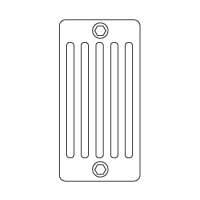
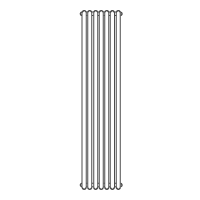
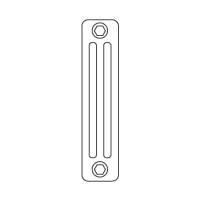
Our wide range of energy-efficient radiators at Stelrad is designed to maximise heat output while reducing wasted energy, making them a strong foundation for any cost-saving plan. Many utility companies also offer resources or programs to help customers manage heating costs and improve efficiency.
Can I Upgrade Your Radiators to Improve Efficiency?
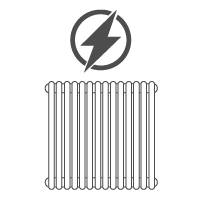
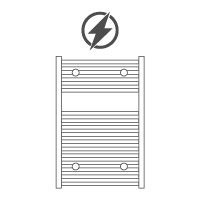
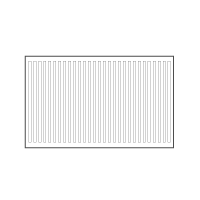
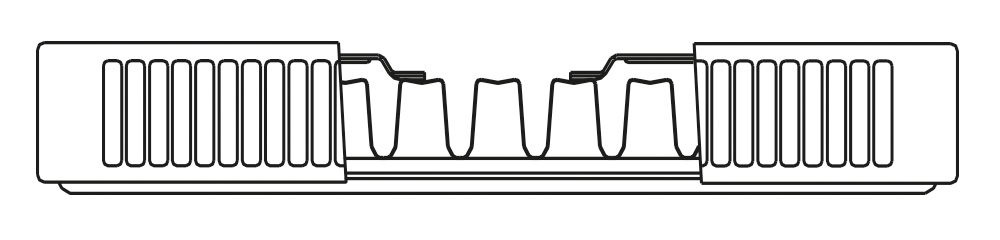
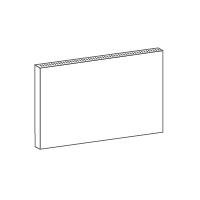
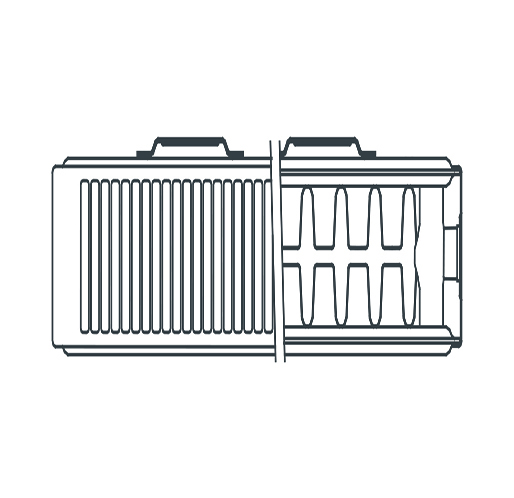
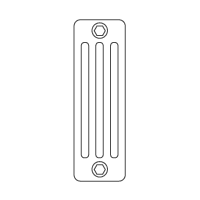
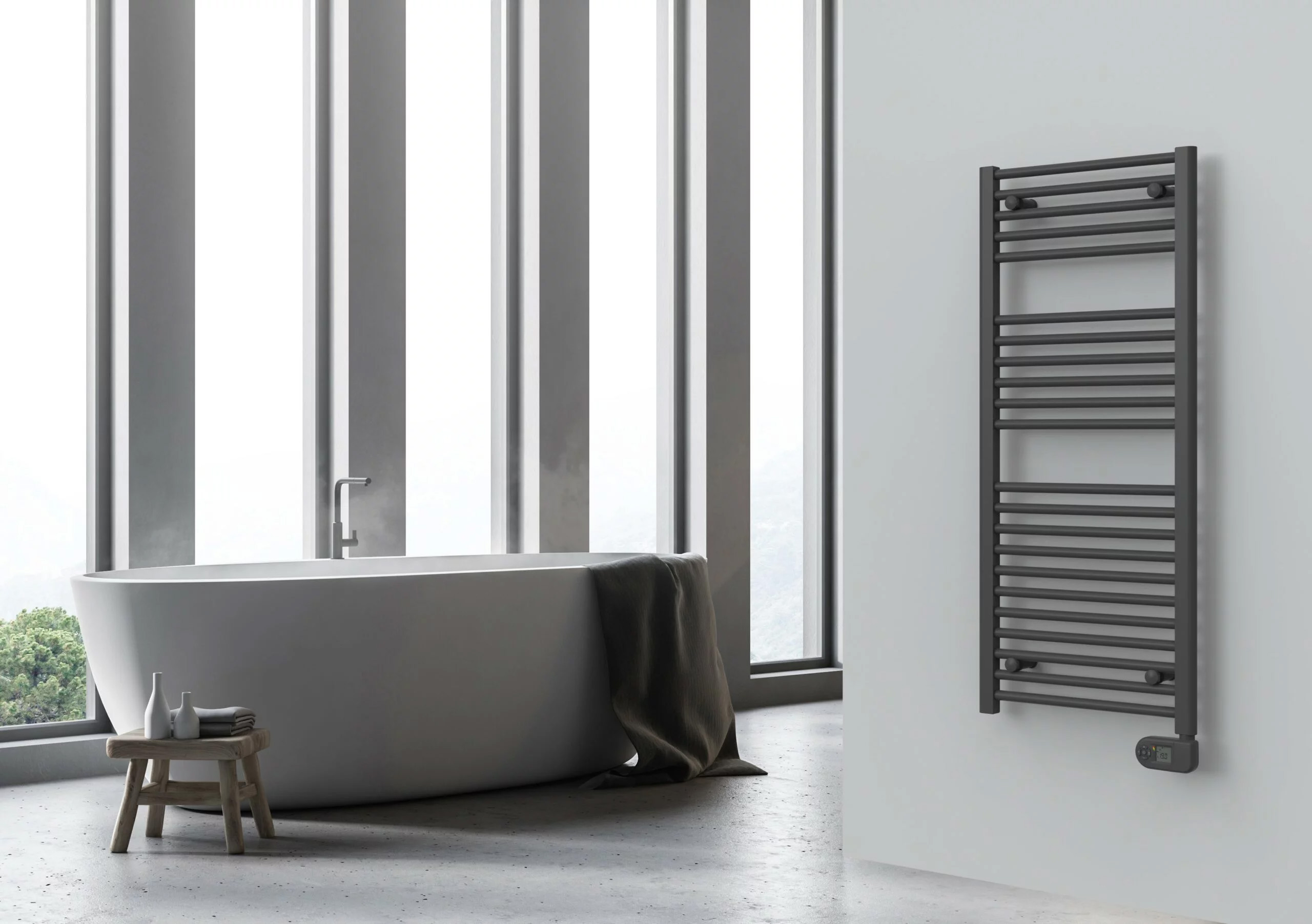
Your radiators play a major role in overall energy use. Modern, high-output radiators heat faster, distribute warmth more evenly, and require less boiler work to reach the temperature you want. If you use electric radiators and heating systems, upgrading to more efficient radiators can also help reduce electricity consumption, leading to further energy savings.
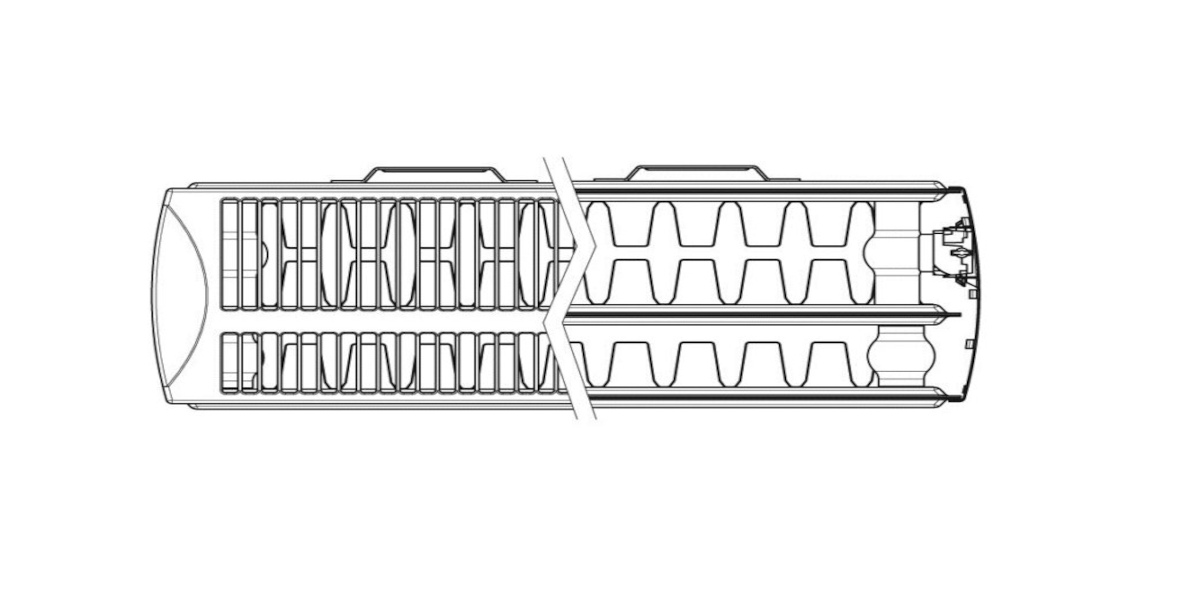
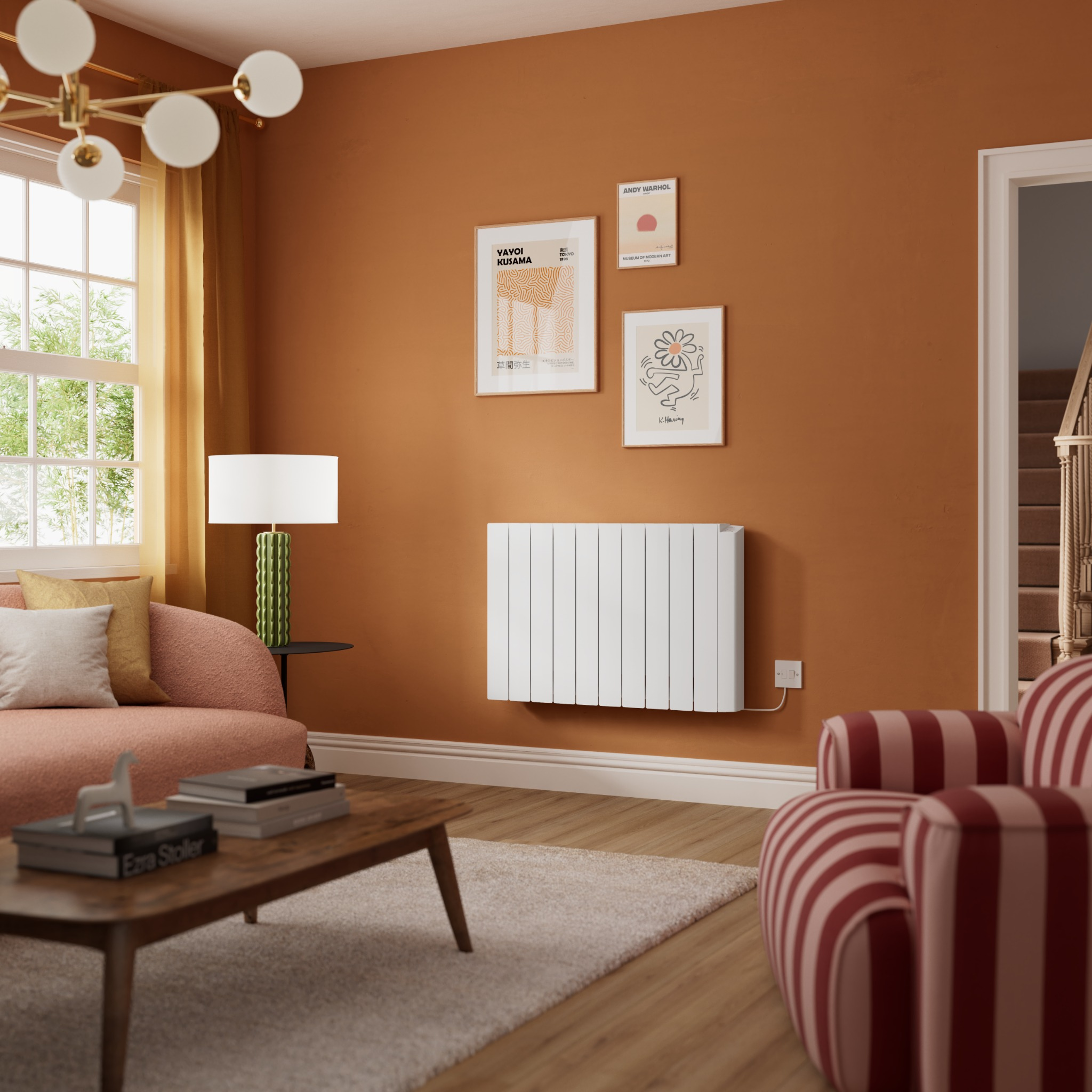
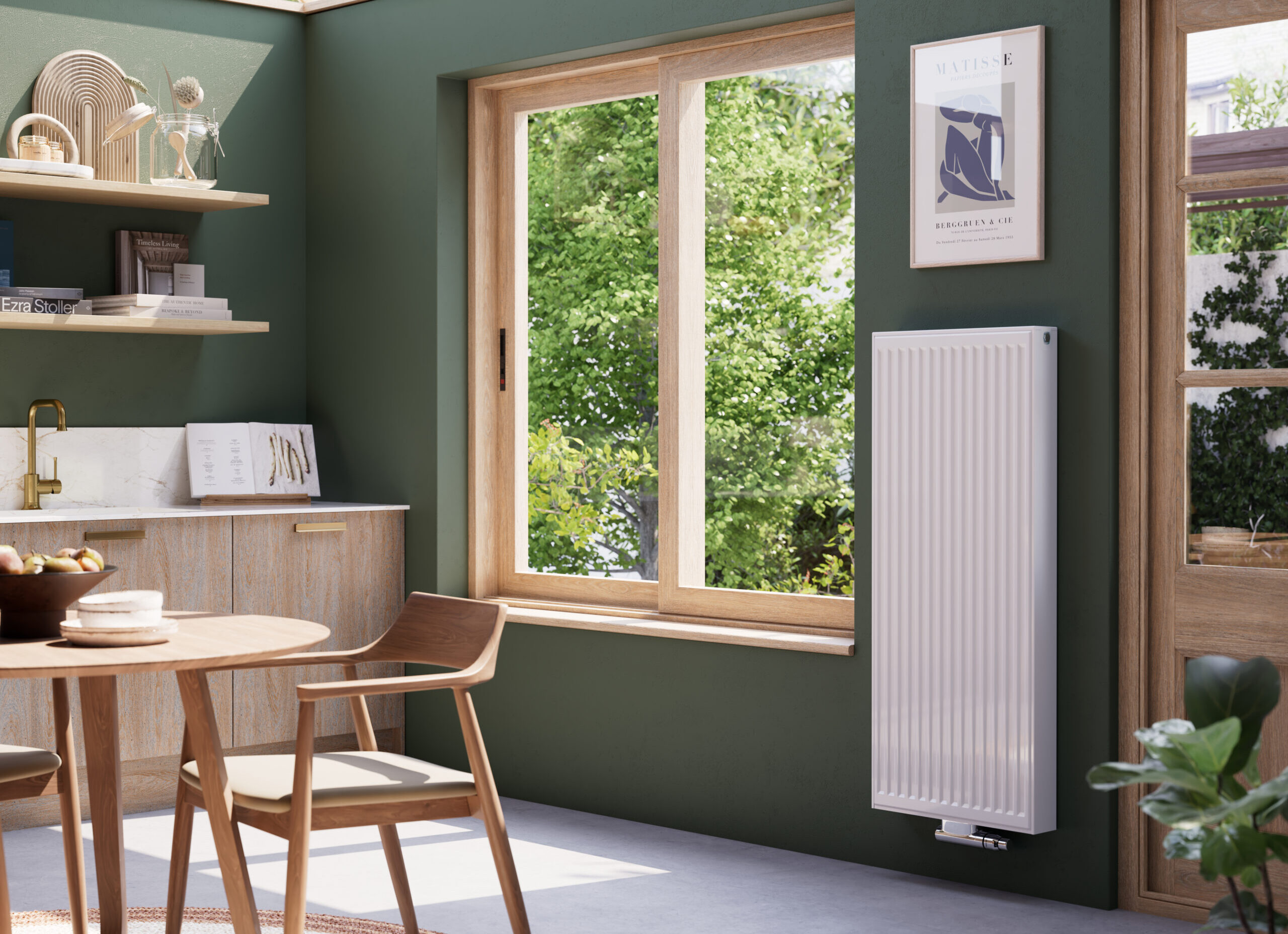
If your current radiators are old, undersized, or unreliable, upgrading is one of the best ways to reduce heating bills quickly. Our modern radiator ranges use advanced design and materials to push heat into the room more effectively, which can help you warm your home without cranking up the boiler.
For 2026, many homeowners are choosing models that support better heat retention, faster heat-up times and more consistent comfort, all of which help reduce heating costs 2026 without compromising warmth.
How To Reduce Heating Costs Around the Home
Heat loss is one of the most overlooked contributors to expensive bills. Even the most efficient radiators can’t overcome cold draughts or poor insulation. Simple changes like sealing doors and windows, insulating loft spaces, checking and upgrading loft insulation to prevent heat loss through the top of the house, inspecting and sealing loft hatches to stop warm air from escaping, insulating the ceiling, upgrading windows, or addressing drafty windows by sealing or replacing them, and adding thermal blinds can make a substantial difference.
Addressing heat loss means your heating system doesn’t have to work as hard, helping you naturally lower heating bills 2026. When you combine improved insulation with efficient radiators, the savings multiply. These steps not only reduce heat loss but also improve your
Fireplaces and Ventilation: Hidden Heat Losses and Gains
Fireplaces can add charm and warmth to a home, but if not managed carefully, they can also be a major source of heat loss. A wood burning fireplace, for example, can actually pull warm air from your living space and send it straight up the chimney, increasing your home heating costs. To prevent this, always make sure the fireplace flue damper is closed tightly when the fireplace isn’t in use, this simple step helps keep warm air inside and cold air out.
Regular maintenance is also key. Cleaning the chimney flue not only improves safety but also enhances the energy efficiency of your fireplace, ensuring it works for you, not against you. Don’t forget about ventilation: while it’s important to have fresh air, gaps and leaks around the fireplace or chimney can let valuable heat escape. Sealing these areas and improving insulation around your fireplace can help you save money on heating bills and reduce the need for more energy to keep your house warm.
By taking advantage of these energy saving tips, you’ll not only lower your heating costs but also contribute to environmental protection by using less energy overall. A well-maintained, properly sealed fireplace can be a cosy asset rather than a hidden drain on your energy bills.
Optimise How You Use Your Heating System
One of the easiest ways to learn how to reduce heating costs is to make smarter use of your heating schedule. Instead of heating the entire house all the time, think about when you’re actually in each room.
If you’re out during the day, set timers so heating only comes on when you return. If you work from home, heat your workspace rather than the whole house. Lowering the thermostat at night is also an effective solution for how to reduce heating costs, as less energy is needed to maintain comfortable temperatures while you sleep. Thermostatic radiator valves (TVRs) make this easier than ever by allowing you to maintain optimal indoor temperatures without overheating your home.
These subtle changes add up, making a noticeable difference by the time your winter bills arrive.
Tips to Reduce Heating Bills: Improve Room-by-Room Heating Control
One of the simplest tips to reduce heating bills is to avoid heating rooms unnecessarily. Bedrooms, spare rooms, hallways and storage areas often don’t need as much warmth as living spaces. Some of these adjustments, like closing doors to unused rooms, are no cost ways to improve efficiency.
Room-by-room control gives you the flexibility to heat selectively and reduce wasted energy. This approach fits perfectly with the way many modern homeowners now live, heating the living room in the evening, keeping the bedroom slightly cooler, and letting the rest of the house sit at a comfortable baseline temperature.
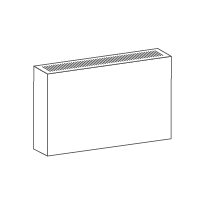
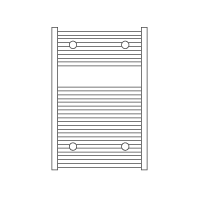
At Stelrad we offer a variety of radiators designed for specific room types, helping homeowners fine-tune heat output where it’s needed most. Room-by-room control can also help reduce cooling costs in the summer, making it a year-round energy-saving strategy.
Furnace and Boiler Maintenance: Keeping Your System Efficient
Keeping your furnace or boiler in top condition is one of the smartest ways to save money on your energy bills. Scheduling a regular furnace tune up can catch issues like a dirty filter or worn parts before they lead to bigger problems or higher heating bills. A well-maintained heating system runs more efficiently, uses less energy, and provides more consistent warmth.
Don’t overlook the importance of air sealing and insulation around your heating system, these steps help reduce heat loss and keep the warm air you’re paying for inside your home. It’s also wise to check your thermostat setting and adjust it to match your daily routine, avoiding unnecessary energy use when you’re away or asleep.
For those looking for long-term savings, upgrading to a modern heat pump can offer significant improvements in efficiency and lower your heating costs for years to come. By staying proactive with maintenance and considering smart upgrades, you’ll enjoy greater comfort, lower bills, and a more energy-efficient home.
Water Heating: Don’t Overlook This Hidden Cost
While it’s easy to focus on keeping your rooms warm, water heating is another major contributor to your home heating costs. Simple changes can make a big impact: lowering your water heater temperature to a safe but efficient setting, choosing an energy-efficient water heater, or even switching to a tankless model can all help reduce your energy bill.
Regular maintenance is just as important for your water heater as it is for your furnace. Check for leaks, insulate exposed pipes, and flush the tank periodically to keep everything running efficiently. Adopting energy saving tips like taking shorter showers and fixing dripping taps can further cut down on hot water use and lower your heating bills.
By paying attention to your water heating habits and equipment, you’ll save money, use less energy, and boost your home’s overall energy efficiency, making a real difference to your monthly bills and your environmental footprint.
Pair Your Radiators with Good Heating Habits
Technology alone won’t solve everything. Habits play a huge role in reducing heating bills in homes. Small behavioural shifts can help massively:
- Keep radiators uncovered so warm air can circulate
- Bleed radiators when needed so they run efficiently
- Avoid opening windows while heating is on
- Dress warmly at home to avoid over-heating rooms
- Open curtains on south facing windows during the day to let the sun warm your home
These practical adjustments fit naturally into daily life and help maintain a balance of comfort and cost-control.
Make 2026 the Year You Take Control of Your Heating Costs
Whether your home is brand new or decades old, learning how to reduce heating costs in a practical way gives you more financial stability, more comfort, and more energy efficiency throughout the year. From improving insulation to choosing modern radiators and adjusting heating habits, the steps above are among the best ways to reduce heating bills in 2026 and beyond.
Thoughtful upgrades from brands like Stelrad enhance efficiency, maximise heat output, and support a more economical home environment. By combining smart heating choices with everyday adjustments, you can successfully lower heating bills 2026 and enjoy a warmer, more cost-effective home without compromise.

 Next Working Day Delivery£18 For Next Working Day Delivery On All Products*When ordered before 2pm.*T&Cs apply