





Understanding How Radiator Efficiency Is Impacted by Room Insulation is essential for homeowners looking to balance comfort with energy efficiency. While radiators are often the first thing people look to upgrade, insulation plays an equally critical role in how effectively heat is generated, retained, and distributed throughout a room. The importance of home insulation cannot be overstated, as it directly impacts energy efficiency, comfort, and cost savings.
In practice, how insulation affects heating efficiency comes down to how much heat is lost versus how much is retained. High energy bills are often a sign that there is not enough insulation in the home, indicating that heat is escaping and energy is being wasted. Even the most advanced radiator will struggle to maintain comfortable temperatures if warmth is constantly escaping through poorly insulated areas. This is why room insulation and heating must always be considered together rather than as separate improvements.
Proper insulation is one of the most effective ways to reduce energy bills while increasing comfort and energy efficiency.
What Is Insulation and How Does It Work?
Insulation is designed to slow the movement of heat between the inside of a property and the outside environment. Heat moves through conduction, convection, and radiation, and insulation works by slowing these processes. It works by trapping warm air and reducing heat transfer through walls, ceilings, floors, and openings. This process directly influences how radiator efficiency is impacted by room insulation, as retained heat allows radiators to reach target temperatures faster and maintain them for longer.
When insulation is effective, radiators operate under less strain, which improves comfort levels and reduces energy consumption. Insulating materials act as thermal barriers, reducing thermal transfer and helping to maintain indoor temperature. This connection clearly demonstrates the insulation impact on heating performance and long term system efficiency. Insulation is rated in terms of its thermal resistance or R-value, with higher R-values indicating greater insulating effectiveness.
Proper insulation helps maintain a consistent temperature year-round and improves your home’s energy performance and carbon footprint.
How Insulation Affects Heating Efficiency and Why Is It Needed?
Insulation is essential because heat naturally seeks cooler areas. Without adequate insulation, warmth produced by radiators escapes quickly, forcing the system to run more frequently. Insufficient insulation causes heating and cooling systems to use more energy, resulting in higher energy consumption and increased heating and cooling costs. Over time, this reduces efficiency and increases heating costs.
Homeowners often ask “does room insulation affect radiators performances when rooms feel cold despite upgrading heating systems?” In most cases, the issue is not the radiator itself but heat loss through poorly insulated structural elements. Many older homes have less insulation than newer homes, which results in higher energy costs. Improving insulation helps radiators perform as intended rather than compensating for constant temperature drops.
What Types of Insulation Affect Radiator Performance Most?
Loft and Roof Insulation
Loft and roof insulation have a major influence on how radiator efficiency is impacted by room insulation. Warm air rises naturally, and without effective insulation in the roof space, heat escapes before it can circulate around the room. If you notice cold walls or ceilings during winter, this is a clear sign that there is not enough insulation in the roof space, allowing heat to escape and making the interior surfaces feel cold to the touch. Improving insulation can lead to energy savings of up to 45% on heating and cooling costs.
Wall Insulation
Wall insulation plays a significant role in room insulation and heating, particularly in homes with external walls exposed to cold temperatures. Cold walls, floors, and ceilings during winter suggest that overall insulation is insufficient, leading to uneven temperatures and energy inefficiency. Poorly insulated walls allow heat to transfer outside rapidly, making it harder for radiators to maintain a stable indoor climate. Effective wall insulation dramatically reduces this heat loss and supports consistent heating performance.
Floor Insulation
Floor insulation contributes directly to insulation impact on heating, especially in ground floor rooms or properties with suspended floors. Without it, heat generated by radiators is lost downward into colder spaces. Insulating floors helps retain warmth within the living area, allowing radiators to work more efficiently. Improved floor insulation can also lead to lower maintenance costs for HVAC and plumbing systems, as it reduces strain and potential issues caused by temperature fluctuations. Regular home inspections are crucial to maintaining the energy efficiency and comfort of your home.
Windows and Doors
Windows and doors are common sources of heat loss and draughts, affecting how insulation affects heating efficiency across the home. During summer, windows and doors can also contribute to heat gain, as sunlight and external temperatures increase indoor warmth and energy consumption. Single glazing, worn seals, or gaps around frames allow warm air to escape and cold air to enter, while also enabling hot air outside to transfer energy into the home through poorly insulated windows and doors. Improving glazing and draught proofing supports radiator performance by keeping heat contained within the room.
How Does Insulation Influence Radiator BTU Requirements?
BTU requirements are directly linked to insulation levels. In a well insulated home, less heat escapes, so fewer BTUs are needed to reach and maintain comfortable temperatures. With less heat escaping, radiators can operate at lower flow temperatures, improving energy efficiency and reducing energy consumption. High insulation levels also allow radiators to work at lower inlet and return temperatures while still achieving desired comfort, which is especially beneficial for modern heating systems. Conversely, poorly insulated rooms need larger radiators to compensate for rapid heat loss, which decreases overall system efficiency. This relationship highlights the insulation impact on heating calculations and radiator selection.
In spaces where insulation improvements are limited, choosing from high output radiators can help maintain comfort without excessive system strain. However, improving insulation often reduces BTU demand, allowing radiators to operate more efficiently and economically.
Are Certain Radiators Better for Poorly Insulated Rooms?
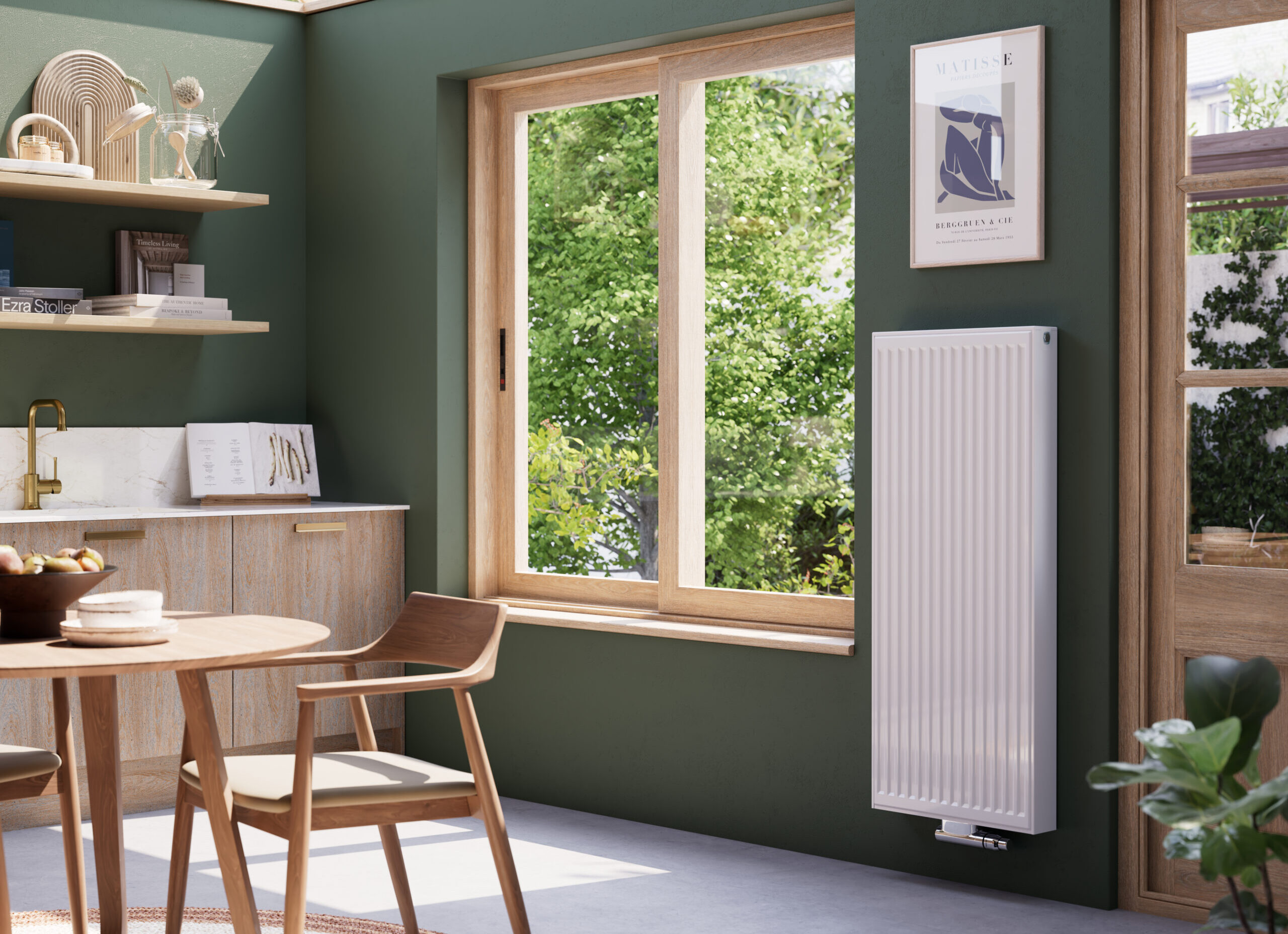
Radiators for rooms with less insulation are designed to deliver stronger heat output while maintaining consistent performance. Insufficient insulation causes radiators to use more energy to maintain comfort, leading to higher energy bills and increased energy consumption. Poorly insulated rooms also need larger radiators to compensate for rapid heat loss, which decreases overall system efficiency. Radiators with larger surface areas and efficient panel designs distribute warmth more effectively in challenging conditions.
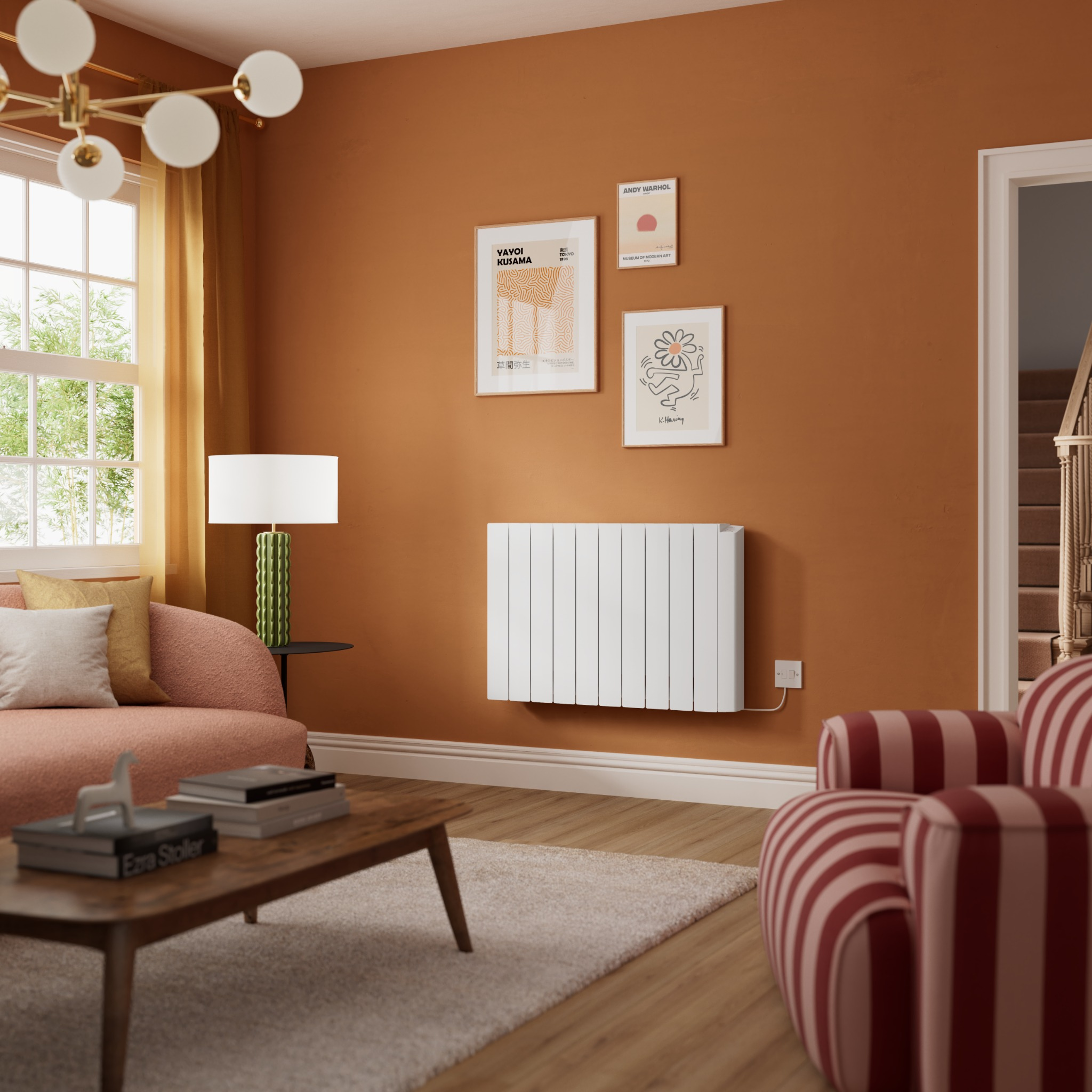
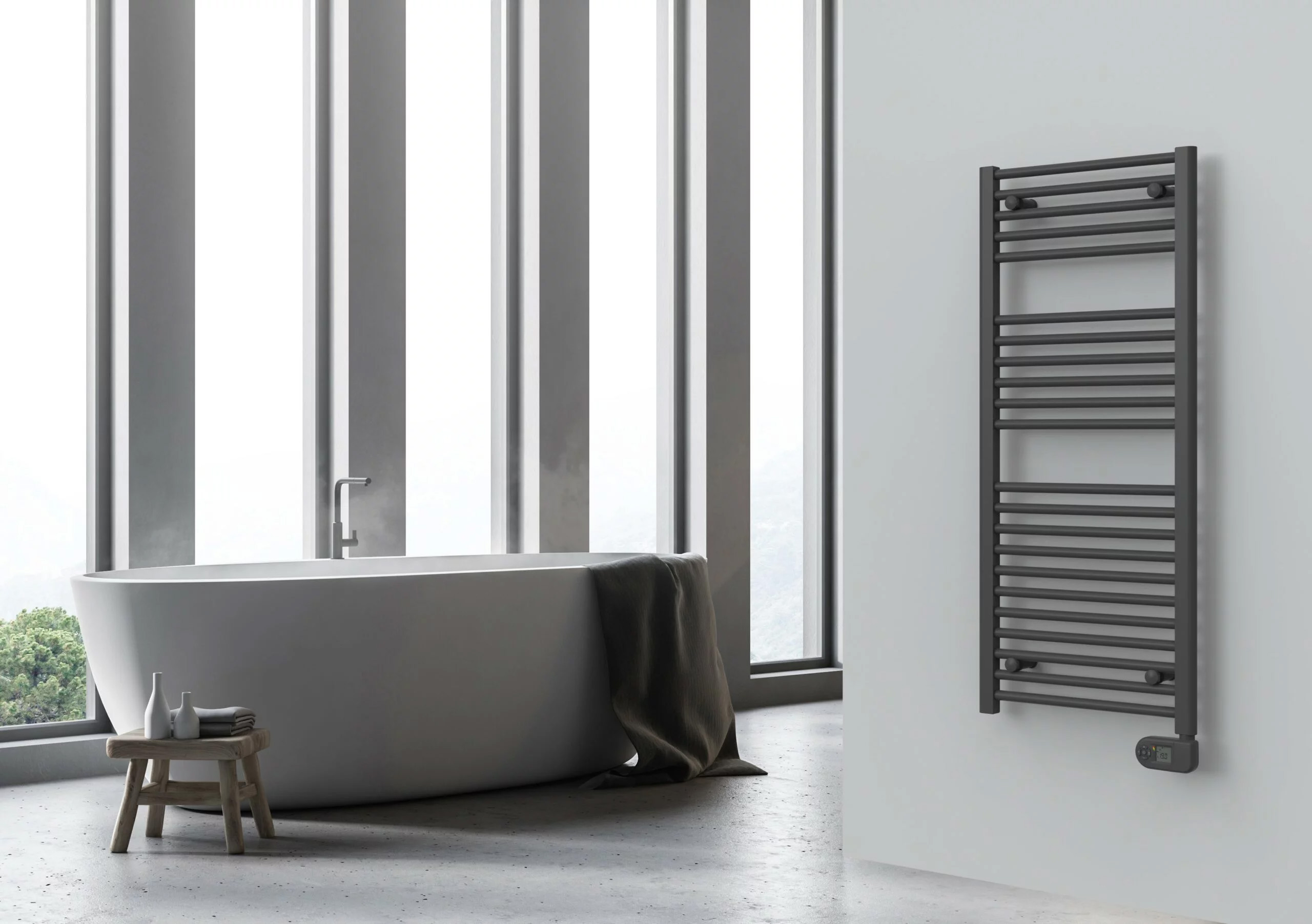
For rooms where aesthetics matter as much as performance, designer radiators offer both visual appeal and reliable heat output. In homes using electric heating, energy efficient electric radiators provide precise temperature control, making them suitable for rooms with varying insulation levels.
Balancing Insulation Improvements with Radiator Choice
The best heating results come from combining appropriate insulation with well matched radiators. While insulation upgrades improve heat retention, radiator quality determines how evenly and effectively that heat is delivered.
By considering how radiator efficiency is impacted by room insulation at the planning stage, homeowners can avoid over-sizing radiators and reduce long term energy use. This balanced approach ensures consistent comfort across all rooms.
Why Radiator Quality Still Matters
Even in well insulated homes, radiator build quality affects performance. Well engineered radiators provide faster warm up times, even heat distribution, and long term reliability. When insulation supports heat retention, quality radiators can operate at peak efficiency without unnecessary strain.
This reinforces why how insulation affects heating efficiency should always be viewed as part of a complete system rather than a single upgrade. For homeowners looking to improve comfort and efficiency, exploring our full range of radiators available at Stelrad makes it easier to find the right solution for every room and insulation level.
How Radiator Efficiency Is Impacted by Room Insulation FAQs
Is it worth upgrading insulation before replacing radiators?
Upgrading insulation is often worthwhile because it improves how insulation affects heating efficiency throughout the home. Better insulation reduces heat loss, allowing existing radiators to perform more effectively and potentially delaying the need for replacement.
Are modern radiators compatible with homes that have limited insulation?
Modern radiators are compatible with properties that have limited insulation. Good radiators for rooms with less insulation are designed to deliver higher outputs where needed, helping maintain comfort while insulation improvements are planned or phased in.
How durable are high output radiators in poorly insulated rooms?
High output radiators are built for durability and consistent performance. Where insulation impact on heating is higher, these radiators are designed to handle increased workloads while maintaining reliability over time.
Are electric radiators easy to manage in rooms with mixed insulation levels?
Electric radiators are easy to use and offer precise temperature control, making them suitable for rooms with varying insulation quality. This flexibility supports efficient room insulation and heating without unnecessary energy use.
Do radiators typically come with guarantees or warranties?
Most quality radiators include manufacturer warranties that reflect confidence in performance and durability. When combined with proper insulation, radiators operate under less strain, supporting longevity and giving homeowners added peace of mind.