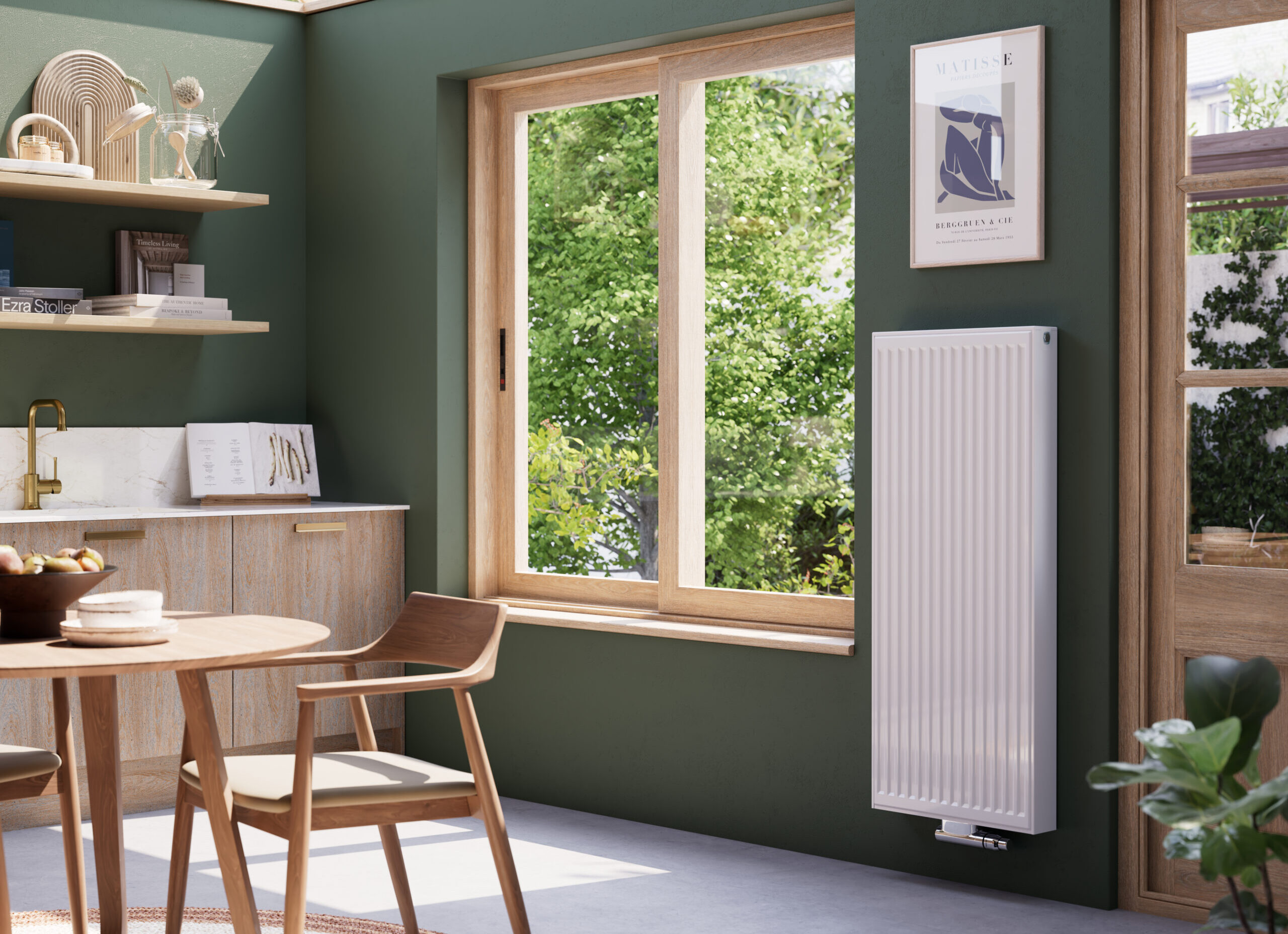
Home heating has changed dramatically over the last few years, and 2026 marks a clear turning point. Homeowners are no longer choosing heating systems based on fuel type alone. Control, flexibility, and long-term running costs now matter just as much as headline energy prices.
So, can electric radiators save money in 2026? The short answer is yes, when they are used in the right way and matched to modern living patterns. The longer answer depends on how homes are heated today, how energy is priced, and how efficiently heat is delivered to the spaces that actually need it.
At Stelrad, we see growing interest in electric heating because it aligns with how people live now, not how homes were heated twenty years ago. This guide breaks down why electric radiators are being reconsidered, are electric radiators cheaper to run in 2020, and where the savings really come from.
The Real Cost of Home Heating in 2026
Energy costs in 2026 are shaped by more than unit prices. Smart meters, time-of-use tariffs, improved insulation standards, and renewable energy generation all influence what households actually pay to stay warm.
Traditional heating comparisons often assume entire homes are heated continuously. In reality, most households only use a few rooms at any one time. Spare bedrooms, home offices, extensions, and converted lofts rarely need full-day heating, yet central heating systems are not designed for selective use.
This is where the question: “Are electric radiators cheaper to run in 2026?” becomes more nuanced. Electric radiators allow homeowners to heat individual rooms only when required, eliminating wasted heat across unused spaces. As insulation improves and heat retention increases, shorter and more targeted heating cycles become both practical and cost-effective.
Rather than chasing the cheapest fuel, modern heating decisions focus on reducing total energy use. Electric radiators support that shift.
How Modern Electric Radiators Work
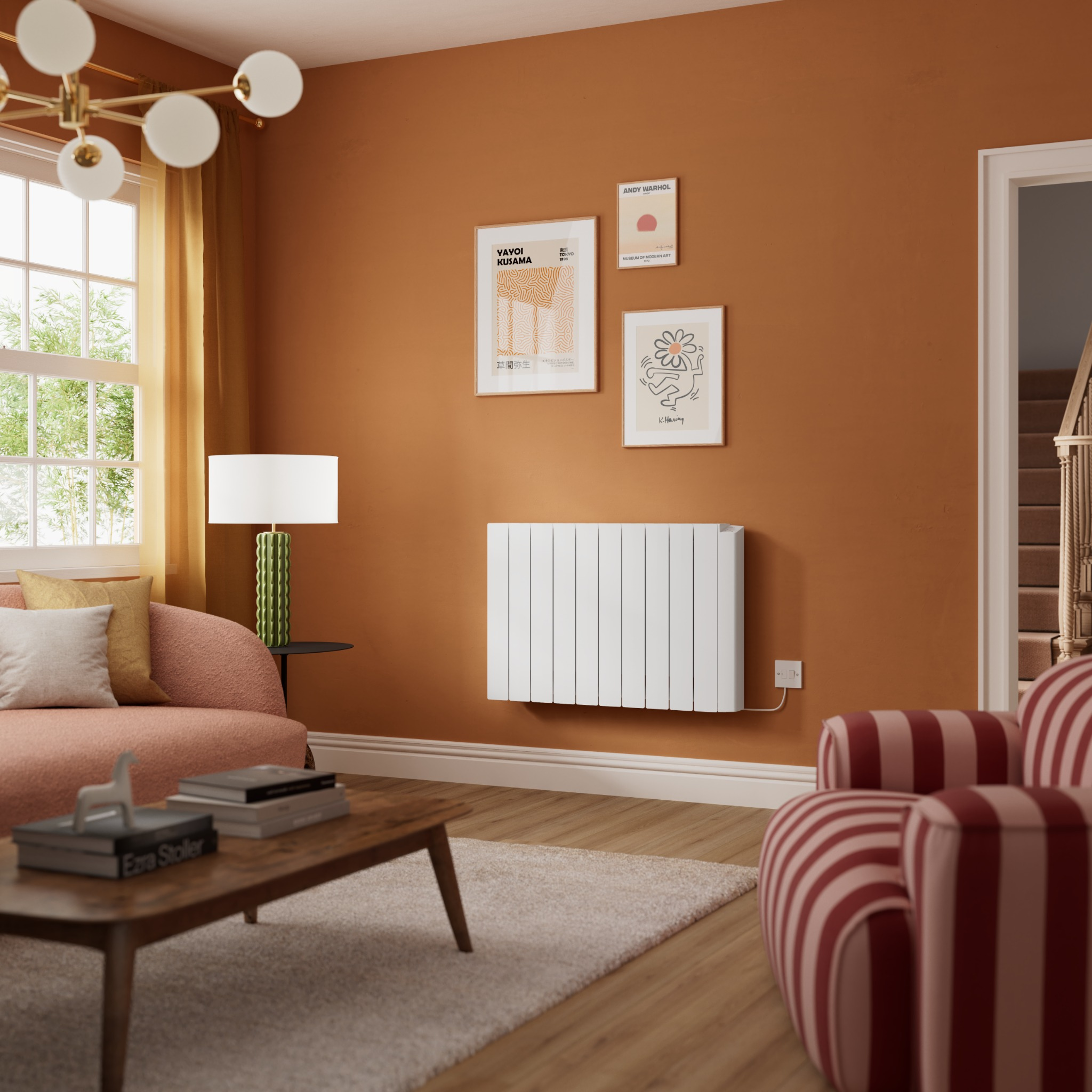
Modern electric radiators bear little resemblance to older plug-in heaters. Today’s designs are engineered for controlled, consistent warmth rather than rapid heat bursts followed by cooling periods.
Electric radiators convert electricity into heat at the point of use with virtually no loss. Internal elements warm a thermal core or fluid, which then releases heat gradually into the room. Built-in thermostats monitor temperature continuously, adjusting output to maintain comfort without overshooting.
Because heat is generated directly within the radiator, there are no losses through pipework, flues, or shared systems. Heat is delivered exactly where it is needed, exactly when it is needed.
When paired with programmable controls, electric radiators respond to daily routines automatically. This level of responsiveness is a key reason why people asking can electric radiators save money are now finding the answer increasingly positive.
Why Electric Radiators Can Reduce Heating Bills
Electric radiators reduce heating bills by changing how energy is consumed rather than relying on cheaper fuel alone. The biggest saving comes from zoned heating.
Instead of running a full central system to warm one occupied room, electric radiators heat only the spaces in use. The moment a target temperature is reached, energy draw stops. There is no background heat loss to other rooms and no need to keep a system running unnecessarily.
Electric radiators also avoid inefficiencies common in traditional systems. There is no warm-up delay for pipework and no ongoing heat loss after the radiator has switched off. This efficiency becomes especially noticeable in homes with variable occupancy patterns.
For many households, this targeted approach answers the question: “Can electric radiators save money far more effectively than comparing electricity and gas prices alone?”
Electric Radiators vs Traditional Heating Systems
| Heating System |
Control Level |
Heat Loss |
Maintenance |
Real-World Cost Efficiency |
| Electric Radiators |
Room-by-room control |
Minimal |
Very Low |
High |
| Gas Central Heating |
Whole-home system |
Moderate |
Ongoing |
Variable |
| Storage Heaters |
Limited |
Low |
Low |
Moderate |
| Electric Underfloor Heating |
Zoned |
Very Low |
Low |
High but slower response |
Traditional systems are effective when an entire property needs constant heat. Modern living rarely fits that model. Electric radiators perform best in homes where flexibility, speed, and selective heating matter.
When homeowners ask, “Are electric radiators cheaper to run in 2026?”, this comparison highlights why usage patterns are more important than fuel type.
Electric Radiators and Renewable Energy Integration
One of the strongest arguments for electric heating in 2026 is compatibility with renewable energy. Electric radiators integrate seamlessly with solar panels, battery storage, and green tariffs.
Electricity generated on-site can be used directly for heating without conversion losses. Surplus solar energy can be stored as heat rather than exported back to the grid at lower rates. With smart controls, heating schedules can align with periods of renewable availability or off-peak pricing.
This integration significantly improves long-term cost stability. As renewable electricity continues to grow, electric heating becomes increasingly future-proof, strengthening the case when asking can electric radiators save money over the lifespan of a home.
Why Radiator Quality and Heat Output Matter
Not all electric radiators deliver the same performance. Heat output, thermal mass, and control accuracy all influence running costs.
High-quality designs reach target temperatures faster and maintain comfort using less energy overall. Poorly sized or low-output radiators often work harder than necessary, increasing consumption and reducing efficiency.
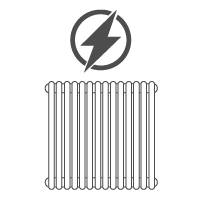
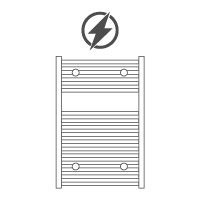
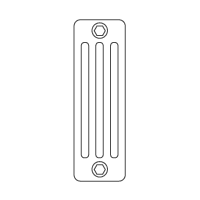
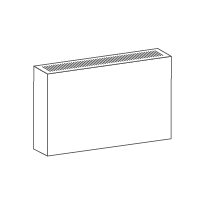
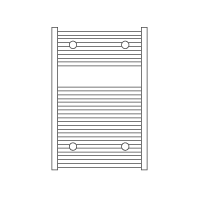
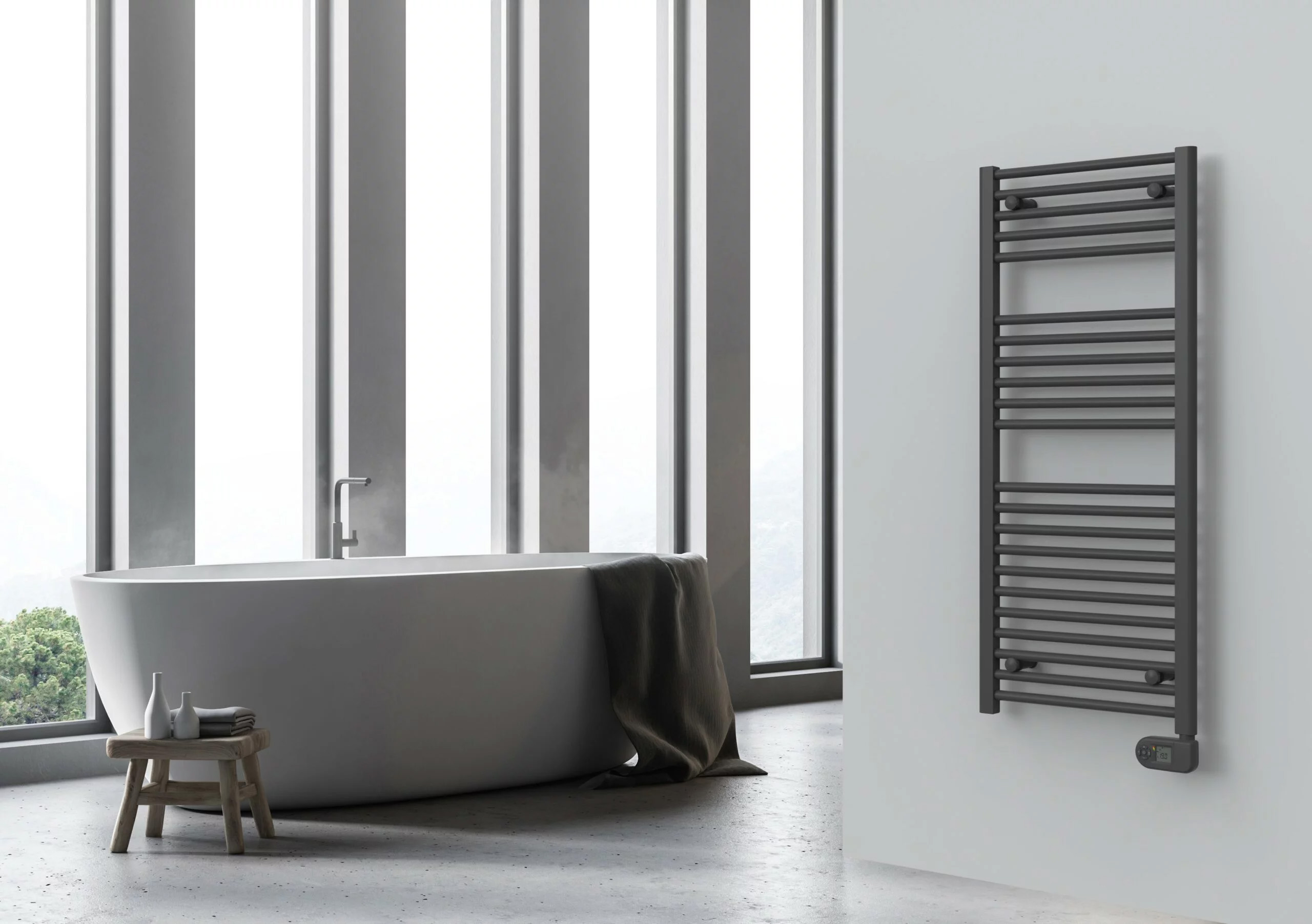
Choosing well-designed options such as energy-efficient electric radiators ensures heat is distributed evenly and retained effectively. In taller spaces or modern interiors, vertical electric radiators provide strong output while maximising wall space and airflow.
Radiator quality directly affects whether electric heating delivers genuine savings or simply shifts costs elsewhere.
Is Electric Heating the Right Choice for Your Home
Electric heating works best when matched to the right property and usage style. It is particularly effective in well-insulated homes, apartments, extensions, and properties where heating demand varies throughout the day.
For hybrid setups, electric radiators can complement existing systems by providing efficient heat in specific rooms without running the entire system. This approach allows households to gradually reduce energy use while maintaining comfort.
For homeowners considering a move to electric heating, exploring modern electric radiators designed for high output and intelligent control is a practical next step. The goal is not just lower bills today, but predictable, controllable heating costs for years to come.
Can Electric Radiators Save Money FAQs
Are Electric Radiators Worth Purchasing
Electric radiators are worth purchasing when flexibility and efficiency matter. Their ability to heat rooms independently, avoid distribution losses, and integrate with smart tariffs often leads to lower overall energy use. In modern, well-insulated homes, this targeted approach can reduce heating costs significantly.
Can Electric Radiators Work with Existing Heating Systems
Electric radiators work well alongside existing heating systems. Many homeowners install them in extensions, lofts, or home offices while retaining central heating elsewhere. This hybrid setup improves control, reduces wasted heat, and avoids the need for major system changes.
How Durable Are Modern Electric Radiators
Modern electric radiators are highly durable due to their simple design. With no combustion, pumps, or moving mechanical parts, wear is minimal. High-quality manufacturing ensures consistent performance over many years, making them a reliable long-term heating solution.
Are Electric Radiators Easy to Use Daily
Electric radiators are easy to use thanks to intuitive controls and programmable thermostats. Once set, they manage temperatures automatically and respond instantly to changes. This simplicity encourages efficient heating habits and reduces the risk of unnecessary energy consumption.
Do Electric Radiators Come with Guarantees or Warranties
Most premium electric radiators are supplied with manufacturer warranties that reflect their build quality. These guarantees provide reassurance on performance and durability, protecting homeowners against defects and supporting confidence in long-term ownership.
Will Electric Radiators Remain Cost-Effective Long Term
Electric radiators are well-positioned for long-term cost effectiveness. As renewable electricity expands and smart tariffs become more common, their compatibility with flexible pricing improves. This makes electric heating a future-ready choice rather than a short-term solution.

 Next Working Day Delivery£18 For Next Working Day Delivery On All Products*When ordered before 2pm.*T&Cs apply