If you are planning to replace your radiators, it is natural to wonder whether you should also upgrade pipes when changing radiators. Pipework is hidden from view, difficult to access, and often associated with extra cost, so homeowners understandably want to know if replacing it is really necessary.
At Stelrad, we regularly help homeowners improve heating performance without unnecessary disruption. In many cases, modern radiator upgrades can be completed using existing pipework. In others, targeted pipe replacement makes sense for long-term efficiency and reliability.
This guide explains when radiator pipe replacement is worth considering, when existing pipes are usually fine, and what to check before making a decision.
Do You Need New Pipes When Replacing Radiators?
The simple answer is not always. Whether you should replace pipes when installing new radiators depends on the condition of your current system and the scale of your upgrade.
If your heating system already delivers consistent warmth, maintains pressure, and responds well to controls, existing pipework may still be doing its job effectively. In these situations, the benefits of upgrading central heating pipes are scarce and upgrading radiators alone can deliver noticeable improvements in comfort and efficiency.
However, there are scenarios where when to upgrade radiator pipework becomes an important consideration, particularly in older properties or systems showing signs of wear.
When tackling a complex multi-room project, one question that often arises is whether the existing pipework is compatible with new radiator specifications.
When Does Radiator Pipe Replacement Make Sense?
There are clear circumstances where it is sensible to upgrade pipes when changing radiators rather than leaving potential issues unresolved.
Older homes may still have narrow or ageing pipework that restricts water flow. Over time, internal corrosion and sludge build-up can reduce efficiency, preventing radiators from heating evenly. In these cases, radiator pipe replacement helps restore proper circulation and protects new radiators from premature wear.
Persistent problems such as leaks, frequent blockages, or noisy pipes can also indicate internal deterioration. If flushing and maintenance have not resolved these issues, upgrading central heating pipes may be the most practical long-term solution.
Pipe replacement is also worth considering when making major system changes. If you are moving from small, outdated radiators to larger or higher-output models, existing pipework may struggle to deliver sufficient flow. Upgrading pipes ensures your new radiators perform as intended.
When Is Existing Pipework Usually Fine & Shouldn’t Need Replacing?
Just as important is knowing when pipe replacement is unnecessary. Many homes built in the last few decades use copper pipework that remains perfectly capable of supporting modern radiators.
If your system heats rooms evenly and your boiler operates efficiently, there is often no need to upgrade pipes when changing radiators. A qualified installer can usually adapt connections to suit new radiator dimensions without altering the wider system.
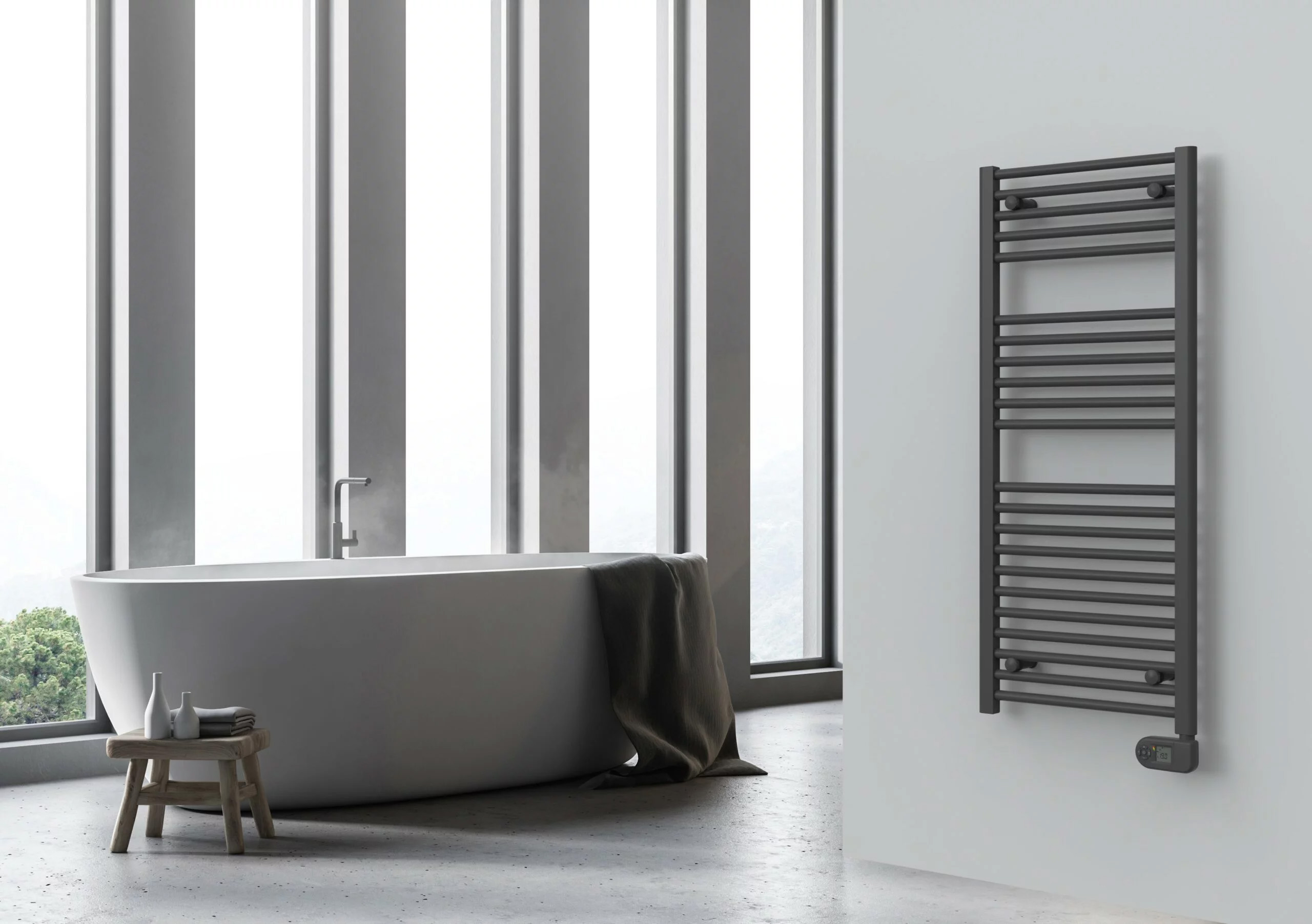
Modern radiator engineering also plays a key role. High-performance designs are built to deliver strong heat output efficiently, meaning homeowners can often achieve better results without full radiator pipe replacement. Choosing the right radiators for your space can be a more effective investment than replacing pipework that is already working well.
What To Check Before Deciding
Before committing to pipe replacement, it is worth assessing a few practical factors that influence whether upgrading central heating pipes will deliver real benefits.
Age and Condition of Pipework
Age alone does not determine performance. A well-maintained system can last decades, while neglected pipework may fail much sooner. Cold spots, frequent bleeding, or dirty system water can indicate internal issues that justify replacement.
Heat Demand and System Size
Extensions, open-plan layouts, and loft conversions increase heat demand. If your original pipework was not sized for these changes, upgrading pipes may be necessary to support larger or higher-output radiators.
Boiler Compatibility and Flowhttps://www.stelrad.com/news-events/blog/what-to-consider-when-installing-radiators-as-a-new-homeowner/what
Modern boilers rely on stable flow rates. Restrictive or deteriorating pipework can reduce efficiency and cause cycling issues. In some cases, selective pipe upgrades improve system performance without full replacement.
Cost and Disruption
Pipe replacement adds labour, materials, and disruption. Understanding the cost of installing a radiator with and without pipework changes helps determine whether upgrades are worthwhile or if radiator replacement alone offers better value.
Do New Radiators Work Without New Pipes?
Modern radiators are designed to deliver efficient heat output using standard pipework, making them well-suited to existing systems. Performance also depends on correct placement. Installing radiators in optimal locations improves heat circulation and reduces strain on pipework, often removing the perceived need for upgrades.
By focusing on radiator size, output, and where to install a radiator, homeowners can often achieve better comfort without needing to replace pipes when installing new radiators.
So, Should I Replace Pipes When Installing New Radiators?
Still wondering, “Should I replace pipes when installing radiators?” For most homeowners, the answer depends on condition rather than age.
If pipework is sound and your system performs well, upgrading radiators alone is usually sufficient. If there are clear signs of restriction or deterioration, selective radiator pipe replacement can improve efficiency and protect your investment.
Understanding what to consider when installing a radiator will help you make the right decision for your home and heating goals.
Upgrade Pipes When Changing Radiators FAQs
Is It Worth Upgrading Pipes When Changing Radiators?
Upgrading pipes when changing radiators is worth considering if existing pipework restricts flow or shows signs of corrosion. If pipes are in good condition, modern high-output radiators often provide excellent performance without replacement, reducing cost and disruption.
Are New Radiators Compatible with Older Pipework?
Most new radiators are compatible with older copper pipework. Compatibility depends on pipe diameter, pressure, and condition. In many cases, installers can adapt fittings safely without requiring full radiator pipe replacement.
How Long Do Central Heating Pipes Last?
Copper central heating pipes can last 40 to 50 years or more when properly maintained. Regular servicing and system flushing help extend the lifespan and reduce the need to upgrade central heating pipes during routine radiator upgrades.
Will New Pipes Improve Heating Efficiency?
New pipes can improve efficiency if existing pipework restricts water flow or loses heat. However, many efficiency gains come from installing modern radiators designed for even heat distribution and lower operating temperatures.
Do Stelrad Radiators Come with Guarantees?
Stelrad radiators are built for durability and long-term performance and come with manufacturer warranties that reflect their quality, giving homeowners confidence whether upgrading pipes or retaining existing pipework.

 Next Working Day Delivery£18 For Next Working Day Delivery On All Products*When ordered before 2pm.*T&Cs apply