When homeowners compare radiators vs underfloor heating, the decision often comes down to cost, comfort, efficiency, and practicality. Both systems heat your home effectively, but they behave very differently in real homes with real budgets. In this guide, we compare underfloor heating vs radiators across all house types, with a clear focus on why modern radiators remain the more flexible and cost effective solution for most UK properties.
We will look at how each system works, where underfloor heating performs best, and whether it can realistically replace radiators. We will also explain how today’s high output radiator technology delivers excellent performance without the disruption or cost of underfloor systems.
What Is Underfloor Heating & How Does It Work?
Underfloor heating is a system that distributes heat beneath your flooring rather than through wall mounted emitters. It typically works in two ways: water based pipes connected to a boiler or heat pump, or electric heating mats installed under the floor surface. Water-based underfloor heating is often called a ‘wet system’ or ‘wet underfloor heating system’, while electric mats are referred to as ‘electric underfloor heating’.
Because the heat rises gently from the floor, underfloor heating is often described as delivering an even temperature. However, when comparing underfloor heating vs radiators, it is important to remember that underfloor systems operate at lower surface temperatures and take much longer to warm a room fully. The installation process for both wet and electric underfloor heating systems involves removing existing flooring and laying pipes or cables, which can be more complex and time-consuming than installing radiators, especially in existing homes.
Best Underfloor Heating Applications
Underfloor heating tends to work best in new build homes or full renovation projects. Properties with open plan layouts, high insulation levels, and modern flooring such as tiles or polished concrete can benefit most.
In older homes, apartments, or properties with mixed floor finishes, underfloor heating or radiators becomes a more complex choice. Retrofitting underfloor systems often requires lifting floors, altering doors, and raising floor heights, which increases the installation cost and complexity, especially if you want to ensure even heating across the entire room.
Underfloor heating can sometimes be installed alongside an existing radiator system, but this integration may further add to the installation cost and disruption. In many renovation scenarios, existing radiators can often be retained or upgraded, making radiators a more practical and flexible choice for heating solutions.
Is Underfloor Heating Better Than Traditional Radiators?
This is where the radiator vs underfloor heating comparison becomes particularly important. Radiator systems are the traditional choice for most UK homes and are typically part of a central heating system, distributing heat throughout the property. Traditional radiators have been used for decades and are well understood by homeowners and installers. While underfloor heating has advantages, modern radiators outperform it in several key areas that matter most to homeowners.
Energy Efficiency
Underfloor heating operates at lower temperatures, which sounds efficient on paper. In fact, underfloor heating systems are often praised for their energy efficiency because they operate at lower flow temperatures and lower operating temperatures than most radiators. This means underfloor heating can use less energy overall, potentially resulting in lower energy bills, especially in well-insulated homes. However, radiators have evolved significantly. High output radiators heat rooms faster and may require more energy to heat up quickly, but their responsiveness can help reduce wasted energy during warm up periods. The choice between these systems can have a significant impact on household energy bills over time.
When assessing radiators vs underfloor heating, responsiveness is a major factor. Radiators deliver heat exactly when and where it is needed, making them one of the most adaptable energy efficient heating systems available.
Comfort & Temperature Control
Underfloor heating provides gentle warmth, but it lacks flexibility. Rooms can take hours to reach the desired temperature and just as long to cool down. However, underfloor heating allows users to set their preferred temperature for each room, and it delivers even heat distribution across the space, reducing the risk of hot or cold spots. Radiators allow precise room by room control, which is especially important in UK homes where heating needs vary daily. Radiators can also be fitted with thermostatic radiator valves to help regulate the temperature of individual radiators and achieve the desired temperature in each room.
This level of control often answers the question which is better: radiators or underfloor heating for families and working households who want heat on demand.
Lower Running Costs
While underfloor heating can be efficient in ideal conditions, radiators typically cost less to run in mixed use homes. Faster heat delivery means boilers or electric systems run for shorter periods.
This is why many homeowners comparing underfloor heating vs radiators find that radiators offer better long term value, particularly when paired with modern condensing boilers or smart controls.
Home Design Without Limitations
Underfloor heating is often marketed as freeing up wall space, but this benefit comes with trade offs. Because underfloor heating covers the entire floor area, it acts as a large radiant heat source beneath your feet, providing even warmth throughout the room. However, furniture placement can be restricted by heat distribution, and some floor coverings reduce efficiency.
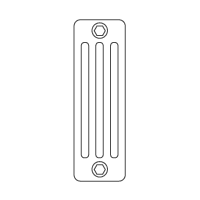
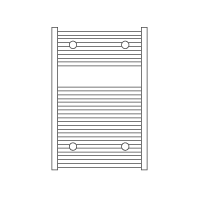
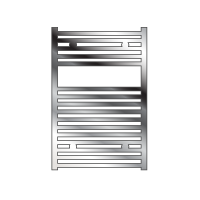
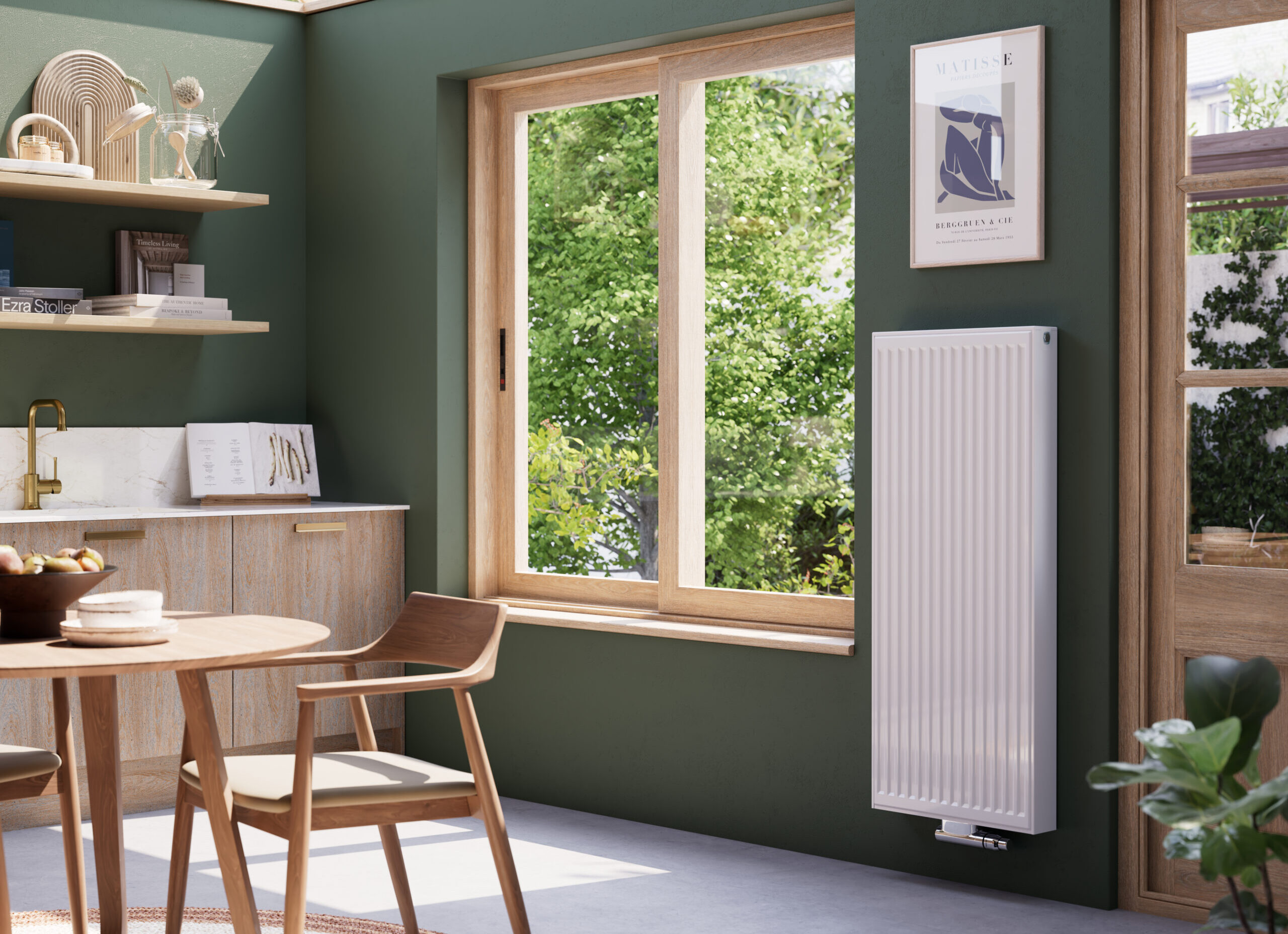
Radiators now come in slimline, vertical, and designer styles that complement interiors without compromising performance. Options like high output radiators deliver powerful heating while fitting seamlessly into modern layouts. Wall mounted radiators can also be used in combination with underfloor heating for a flexible and efficient hybrid heating solution.
Minimal Maintenance & Simple Repairs
Underfloor heating systems are difficult and expensive to access if something goes wrong. Repairs often involve lifting floors and replacing sections of pipe or wiring.
Radiators are far easier to maintain, bleed, or replace. This practical advantage is often overlooked when debating radiators vs underfloor heating, but it has a major impact on long term ownership costs.
Installation Costs: Underfloor Heating vs Radiators
Installation is one of the biggest deciding factors. Underfloor heating installation costs can range from several thousand pounds for a small area to tens of thousands for whole house systems, especially in retrofits. The higher installation cost is due to the more involved installation process, which often includes removing floors and installing new pipework or cables. Installing underfloor heating is typically more complex and time-consuming than upgrading radiators, and is often best left to professionals.
Radiators are significantly cheaper to install. Existing pipework can usually be reused, and upgrades can be completed room by room. For most homes, this makes radiators the more accessible option when weighing up underfloor heating or radiators. When planning a new system, it’s important to ensure the heat output of the chosen system matches the needs of the space.
Running Costs: Which System Is Cheaper Long Term?
Running costs depend on insulation, controls, and energy prices. However, radiators generally win due to faster heat up times and targeted heating.
Underfloor systems often need to run continuously to maintain comfort, which can increase energy usage. This reality often answers which is better: radiators or underfloor heating for households focused on cost control.
Can Unfloor Heating Replace Radiators Entirely?
In theory, yes. In practice, not always. Before replacing radiators with underfloor heating, it’s important to assess the heating requirement of each room. A heat loss calculation should be performed to determine if the maximum heat output of the underfloor system can effectively heat the space and compensate for any heat loss. Many homes use hybrid systems, relying on radiators for upstairs rooms and underfloor heating downstairs.
Radiators remain essential in properties with limited insulation, varied room usage, or upper floors where underfloor systems are impractical. This reinforces why radiators vs underfloor heating is rarely a one size fits all decision.
Why Modern Radiators Remain The Smart Choice Overall
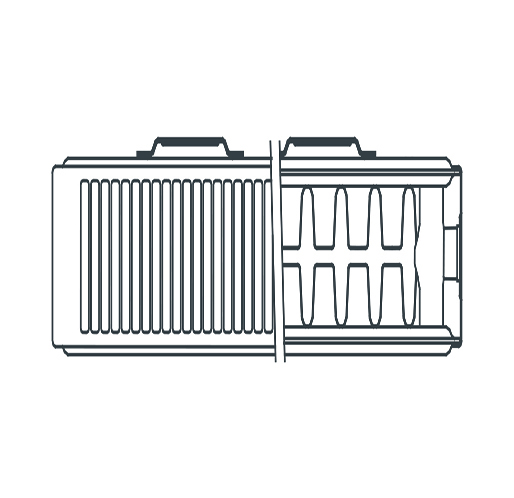
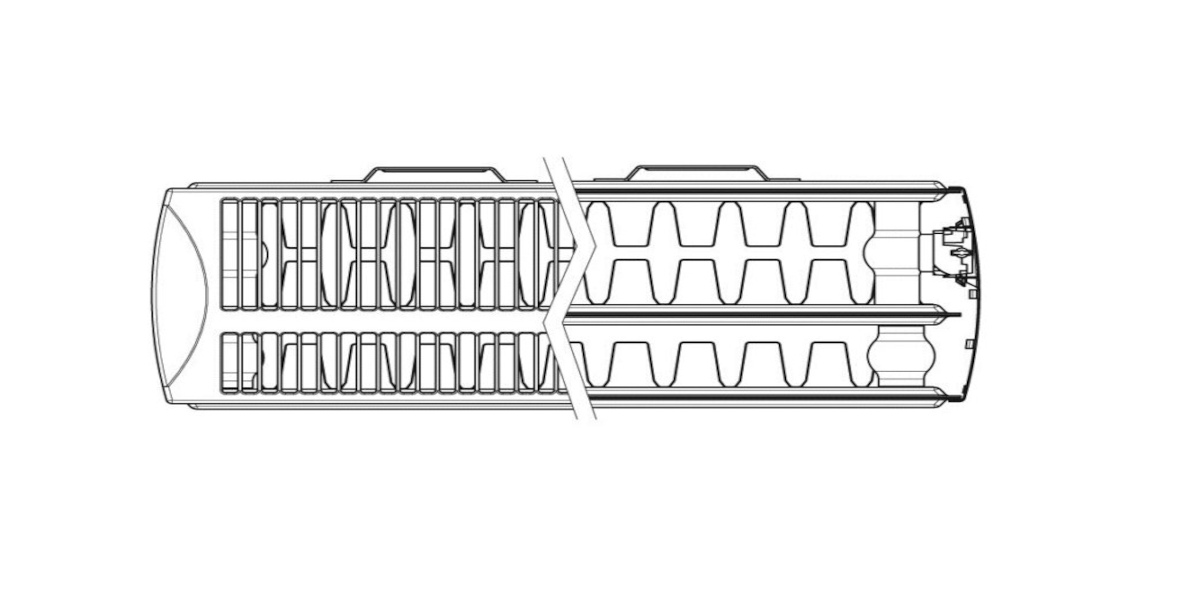
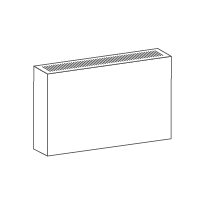
Modern radiator ranges offer flexibility that underfloor systems cannot match. From space saving compact radiators to statement designer radiators, homeowners can tailor heating to every room.
Most radiators are designed to work efficiently with hot water supplied by a central heating system, making them compatible with a wide range of boilers and heat pumps.
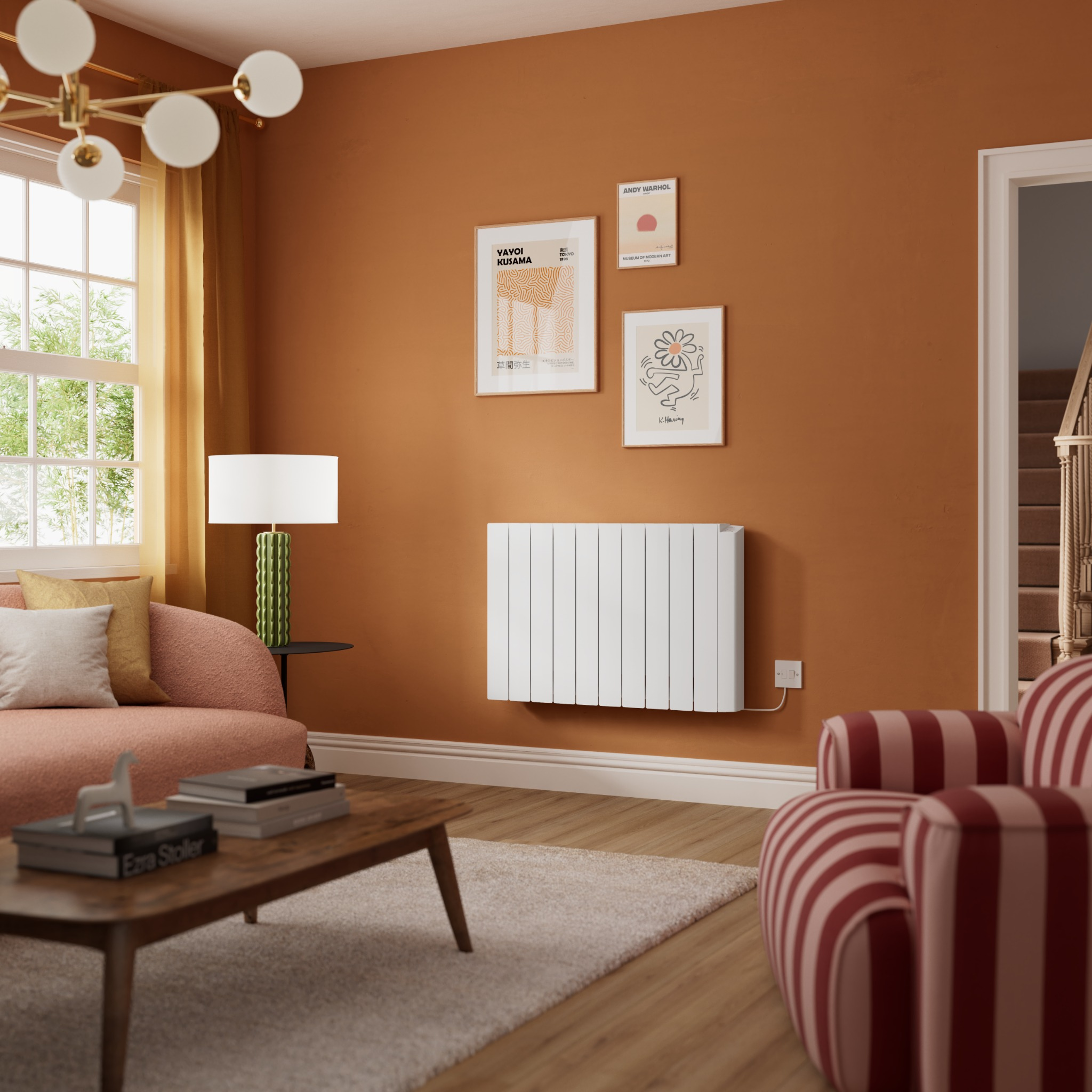
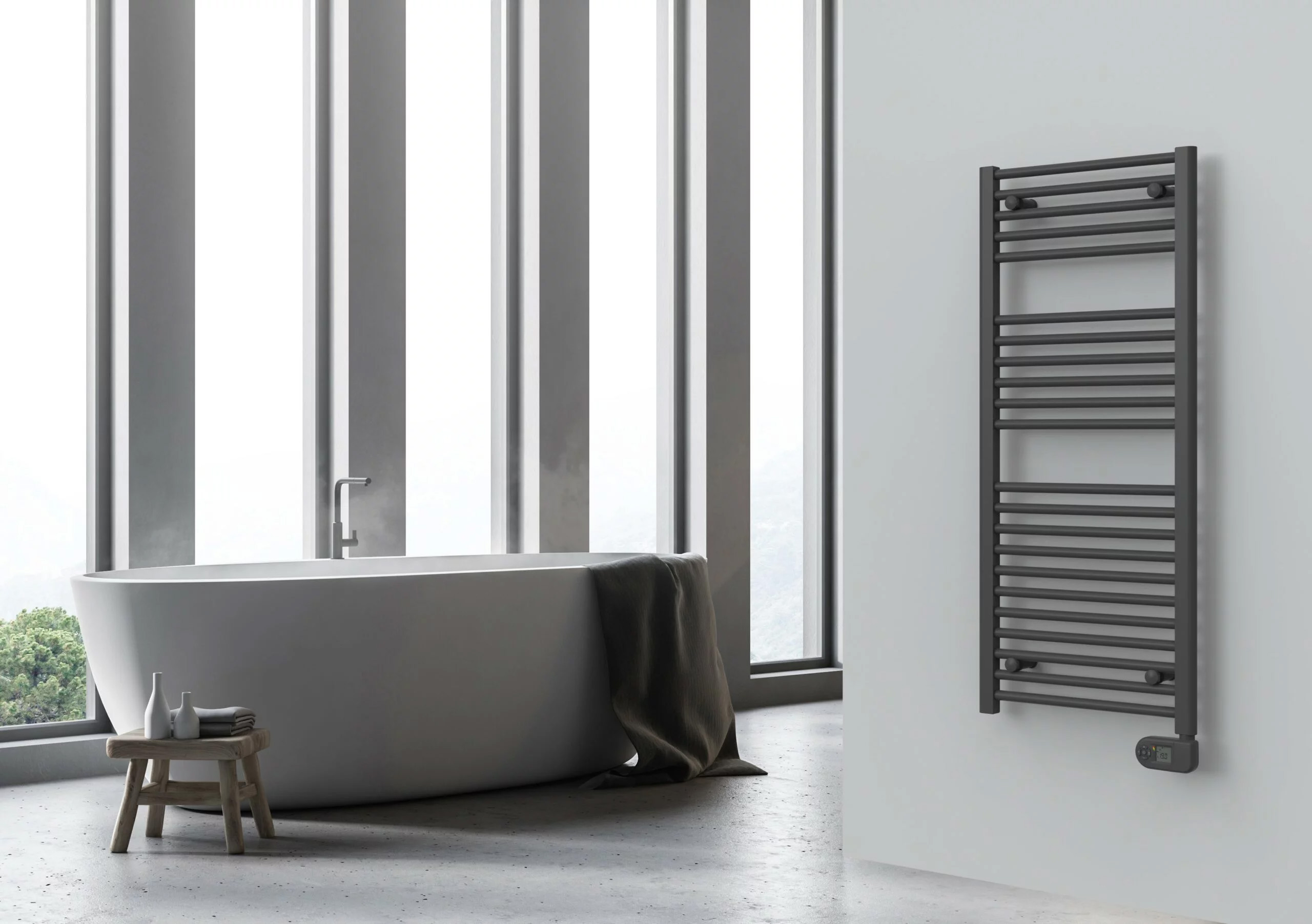
For homes needing electric solutions, energy efficient electric radiators provide responsive, controllable heating without complex installation. This adaptability is why radiators continue to outperform underfloor systems across most house types.
As a trusted UK manufacturer, Stelrad focuses on high output, reliability, and efficiency, ensuring radiators meet modern heating demands without unnecessary complexity. If you are upgrading or replacing your heating system, explore our full range of radiators to find efficient, high performance options designed for every home and lifestyle.
Radiators vs Underfloor Heating FAQs
Are radiators worth purchasing over underfloor heating?
Radiators are worth purchasing for most homes because they cost less to install, heat rooms faster, and are easier to maintain. However, radiators heat a room by circulating warm air, which rises and can create cold air pockets and cold spots, leading to uneven heat distribution.
In contrast, underfloor heating eliminates cold spots by providing even warmth across the entire room and can also improve air quality. When comparing radiators vs underfloor heating, radiators offer better flexibility and value, especially in existing properties.
Can radiators work alongside underfloor heating?
Many homes use both systems together. Radiators often support upstairs rooms while underfloor heating is used downstairs. UFH systems can also be integrated with radiators for a flexible, hybrid heating solution. This hybrid approach suits homeowners unsure whether underfloor heating vs radiators alone will meet all heating needs.
How durable are modern radiators?
Modern radiators are built for long term use, often lasting decades with minimal maintenance. Compared to underfloor systems, radiators are easier to repair or replace, making them a more durable and practical heating solution overall.
Are radiators easy to control and use?
Radiators are very easy to use, offering instant heat and precise control. Thermostatic valves and smart controls allow room by room adjustments, which is a key advantage when assessing energy efficient heating systems.
In contrast, underfloor heating not only provides even warmth but also helps maintain natural humidity levels in the home, contributing to a more comfortable indoor environment.
Which system suits older UK homes better?
Radiators suit older homes far better than underfloor heating. Retrofitting underfloor systems can be disruptive and costly, while radiators integrate easily with existing pipework and varied room layouts.

 Next Working Day Delivery£18 For Next Working Day Delivery On All Products*When ordered before 2pm.*T&Cs apply