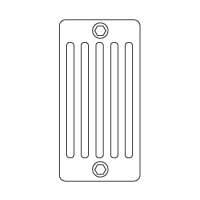
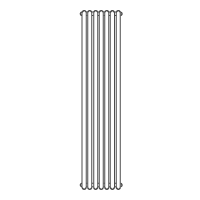
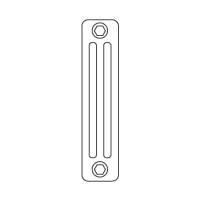
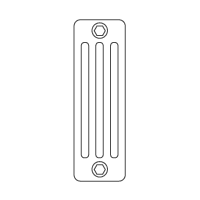
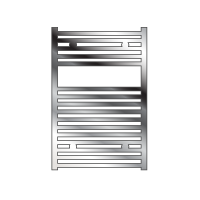
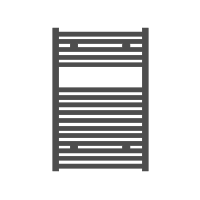
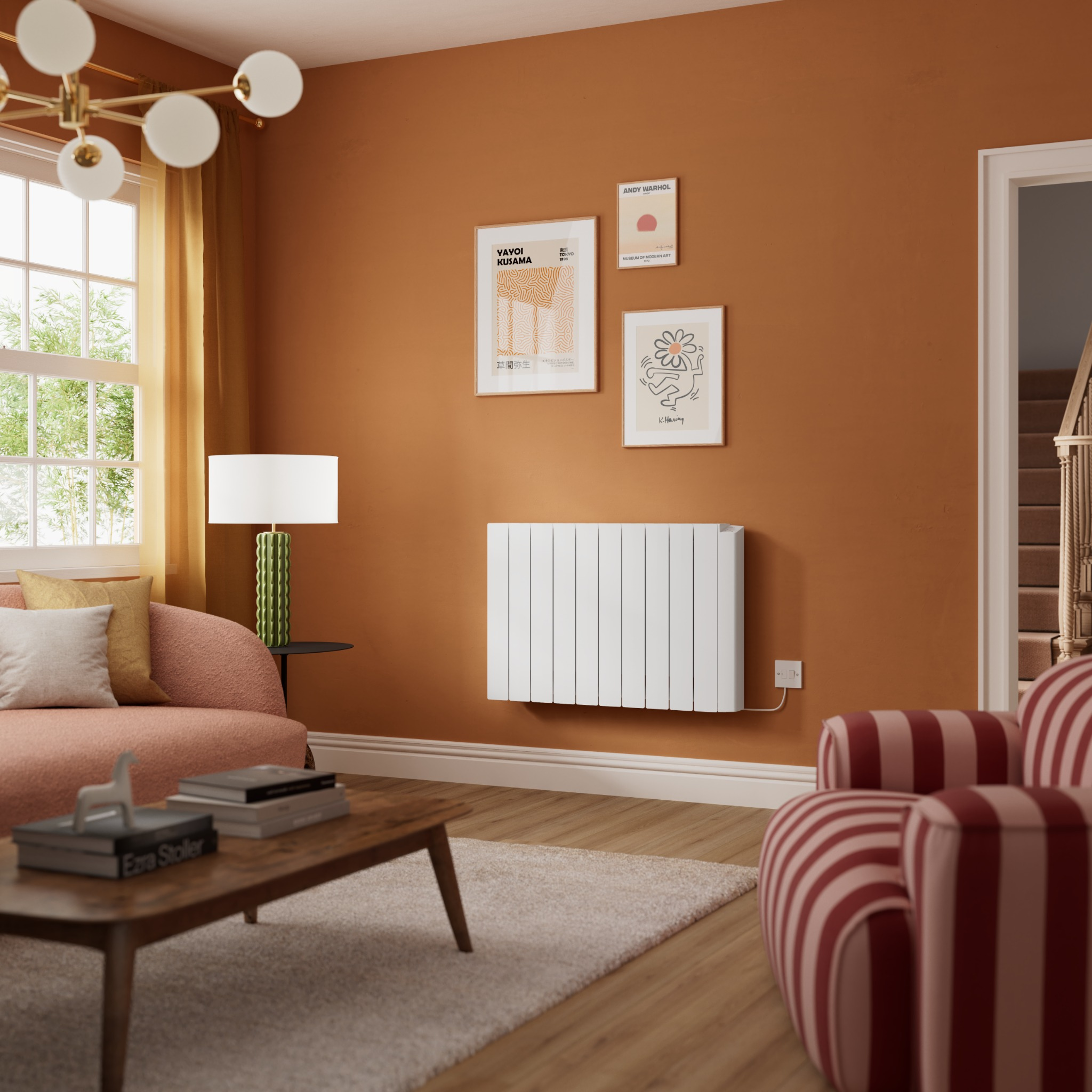
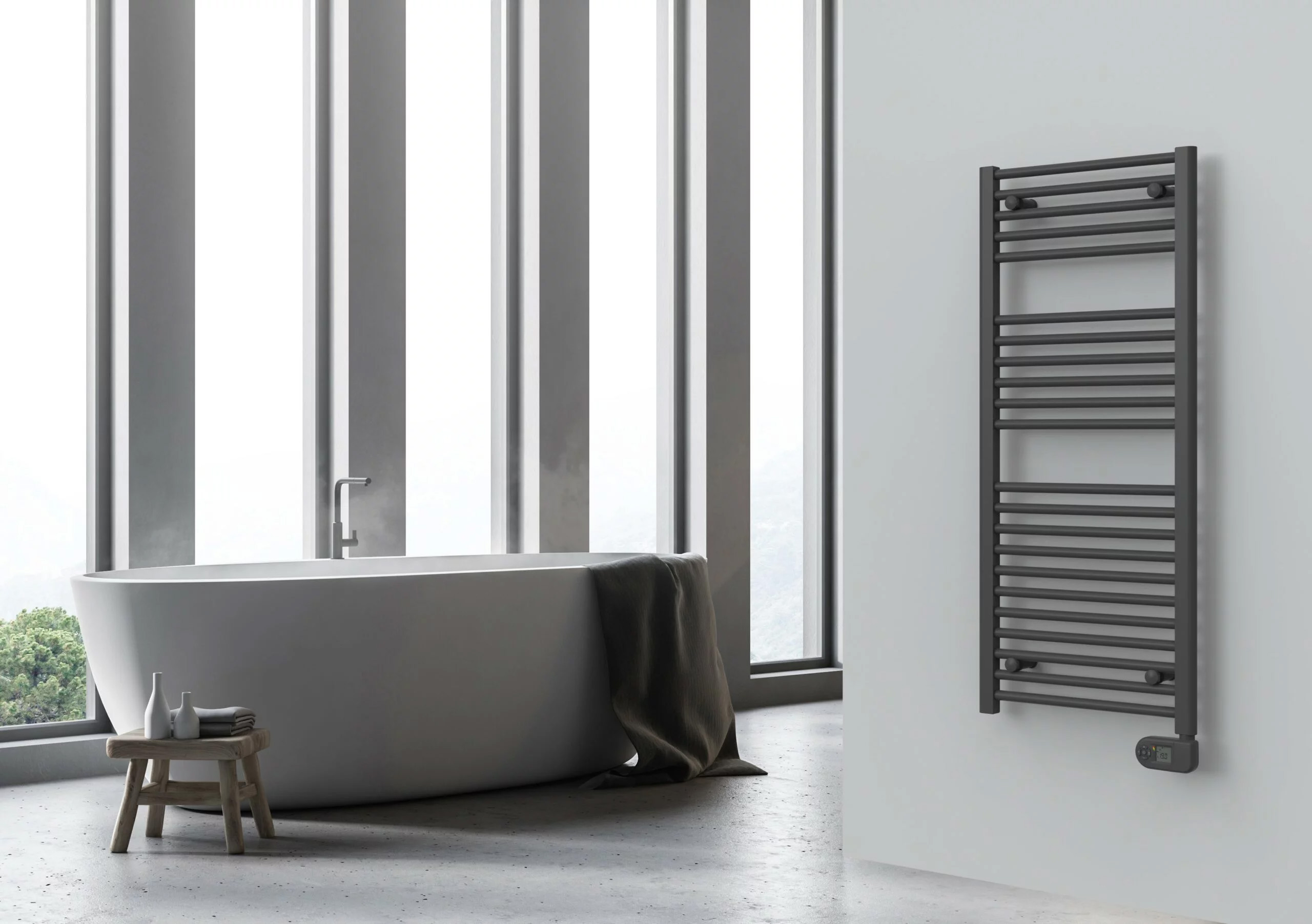
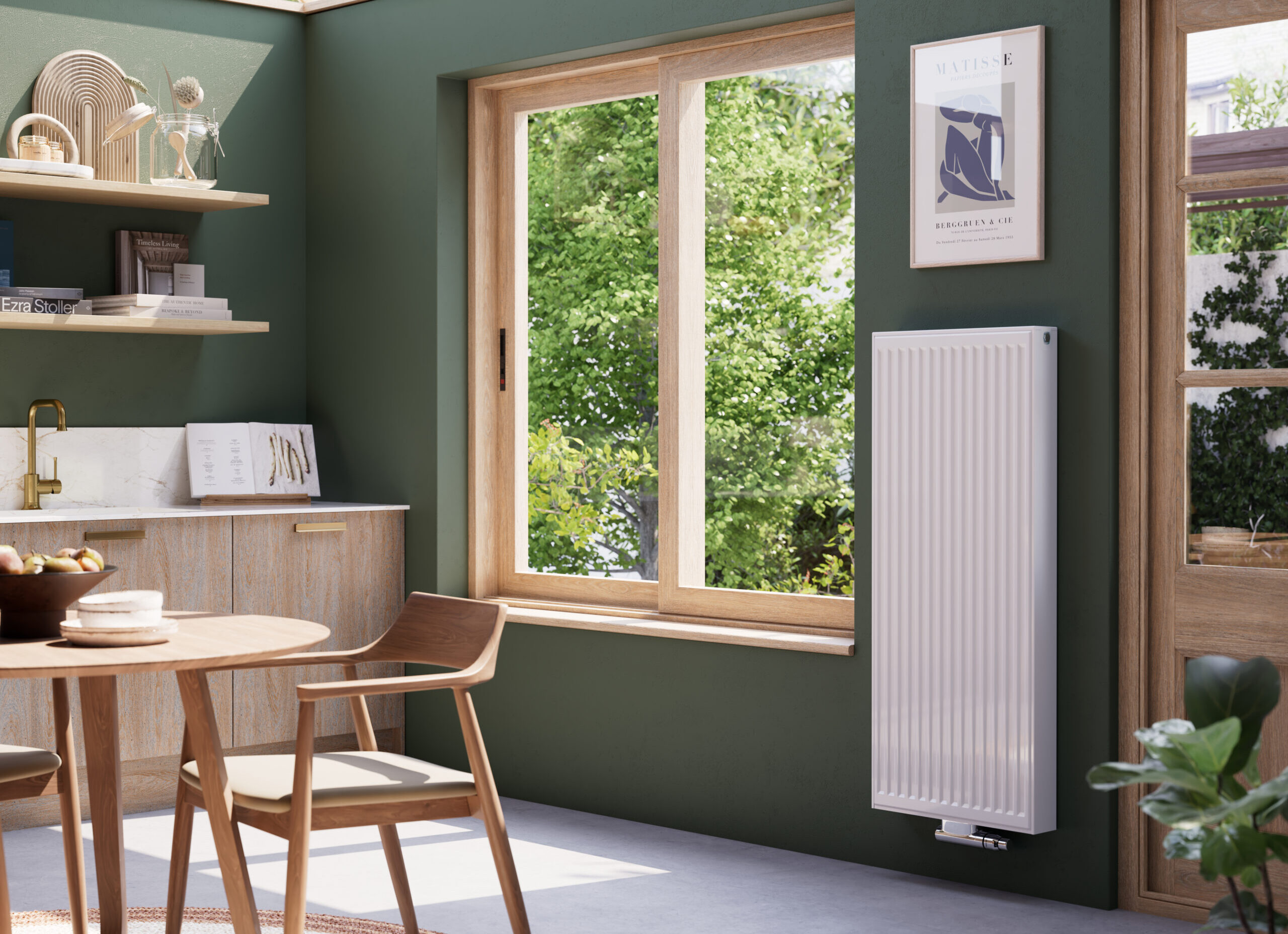
The costs of installing a radiator from a designer collection typically ranges between £300 and £700, depending on its size, style, and installation complexity. There are several factors that influence installation costs, including the type of radiator, its size, and the complexity of the installation process.
By contrast, a standard panel radiator usually costs around £150 to £250 to fit. When comparing designer radiator vs standard radiator installation costs, it’s important to consider the price ranges for both designer radiators and standard radiators, as well as how costing can vary based on material and design choices, which impact overall expenses. The different costs of installing a radiator comes down to labour time, radiator weight, and whether pipework needs to be adjusted.
Understanding Radiator Installation Costs
Radiator installation costs can vary greatly depending on the type of radiator you choose. Key cost factors include the radiator type, size, material, installation style, and labour involved. The cost to replace a radiator can also differ from the cost of a new installation, as replacement may involve additional work such as removing the old unit and ensuring compatibility with existing pipework. A straightforward replacement of a like-for-like standard radiator is usually a quick job for a professional installer, keeping costs on the lower end. However, designer radiators often require more careful handling, additional fittings, or repositioning, which can add to the price.
Designer radiators are not only heating units, they are often statement pieces that elevate a room’s aesthetic. But what are the installation costs for a designer radiator, how much does it cost to replace a radiator, and what should you budget for? Their shapes, finishes, and materials can make them more challenging to install, particularly if the design differs from the radiator you’re replacing. When you replace a radiator, consider compatibility with your existing system and any specific installation requirements to avoid unexpected expenses.
Average Costs of Installing a Radiator
Standard Radiators
For a basic installation or replacement of a standard radiator:
- Labour typically costs around £150–£250 per radiator if an old radiator is being replaced with a new standard model.
- If you’re installing several radiators in one go, you may get a slightly lower rate per unit.
- Jobs involving simple swaps with existing pipework tend to be completed within a few hours.
Designer Radiators
For a designer radiator installation:
- Expect to pay around £300–£700, including labour, fittings, adjustments, and accessories such as decorative valves.
- Larger vertical radiators, feature radiators, or those requiring pipework changes can increase the overall cost.
- Designer finishes, such as textured panels or unique colours, can take extra care to handle and mount correctly.
Why Do Designer Radiator vs Standard Radiator Installation Costs Vary?
Complex Designs and Sizes
Designer radiators often have unique dimensions, unusual shapes, or decorative finishes that make them heavier or more delicate. The radiator size can significantly impact installation requirements and costs, as larger or more complex units may need extra support and careful planning. Installers may need additional brackets or fixings to ensure secure wall mounting, particularly for tall or multi-panel models.
Pipework Adjustments
A new designer radiator might not align with existing pipework, especially if it’s a vertical model or wider than your previous radiator. Connecting the radiator to a plumbed system can further increase installation complexity and cost, as it often requires professional expertise to adjust or extend the existing plumbing. Moving pipework, adjusting valves, or re-routing pipes adds time and cost to the job.
Additional Components
You may need premium valves, matching accessories, or decorative pipe covers to complement the designer look. While these add to the visual appeal, they also add to the total radiator installation costs.
Time and Expertise
Designer radiator installations can take longer due to their weight, size, or bespoke features. A skilled heating engineer will ensure the radiator is installed safely and functions efficiently, but this additional expertise can influence the final cost. Labour costs may also be higher for more complex designer radiator installations, as they often require extra time and specialised skills.
Key Factors That Influence Radiator Installation Costs
Labour Rates
Radiator installation costs can vary across the UK. Labour rates are often higher in London and the South East, while they may be slightly lower in other regions. Always request a full quote before installation to avoid surprises.
Radiator Location
If your new radiator will be installed in a different spot to the old one, the installer may need to drain part of the system, extend or replace pipework, and sometimes even replace the radiator itself if it is not compatible with the new location. This can add a few hours to the project and increase the cost.
Wall Type and Fixings
Heavy designer radiators, especially wall mounted and vertical models, need strong support and secure fixings. If your wall is made of plasterboard or needs reinforcement, the installer may use specialist fittings or supports to keep it secure.
System Flushing and Balancing
When fitting a new radiator, it’s good practice to flush the system to remove debris and rebalance the heating network, don’t forget to check the condition of boilers during this process, as they are a key component of central heating systems and can impact overall costs. This helps the new radiator perform efficiently and extends its lifespan.
Heat Source and Energy Efficiency
When planning a radiator replacement, it’s crucial to consider both your heat source and the energy efficiency of your new radiator. The type of radiator you choose can have a significant impact on your home radiator replacement cost and long-term energy bills.
Electric radiators are often easier and less expensive to install, especially in smaller spaces or rooms without existing pipework. However, electric units typically have higher running costs compared to hot water radiators, making them less cost effective for whole house heating. Hot water radiators, which are connected to a central heating system, tend to be more energy efficient and can deliver more heat output for lower ongoing costs, especially when paired with a modern, energy efficient boiler.
Cast iron radiators are a popular choice for those looking to maximise energy savings. Thanks to their excellent heat retention, cast iron models continue to emit warmth long after the heating is turned off, helping to reduce overall energy consumption. Double panel radiators and flat panel radiators are also designed to provide more heat output while using less energy, making them ideal for those seeking to save money on their heating bills.
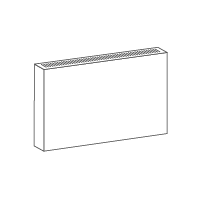
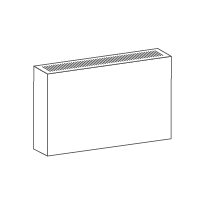
Low level radiators such as the Concord Lo-Line Coloured radiator, are also worth exploring, as they can be more energy efficient and space-saving, especially in smaller rooms or where wall space is limited.
Choosing the right radiator size is essential to avoid cold spots or wasted energy. A replacement radiator that’s too small won’t heat your room effectively, while one that’s too large can lead to unnecessary energy use and higher costs. Consulting with an HVAC specialist can help you determine the ideal radiator type and size for your space, ensuring optimal heat output and energy efficiency.
By carefully considering your heat source, radiator type, and energy efficiency, you can make a smart investment in your home’s comfort and long-term energy savings. The right choice will help you save money on your heating bills while ensuring your home stays warm and welcoming all year round.
How to Keep Installation Costs Manageable
Even if you have your heart set on a designer radiator, there are ways to manage installation expenses without compromising quality.
- Choose standard sizes: Opt for a designer radiator that matches your existing pipe centres to avoid costly adjustments.
- Keep the same location: Installing the radiator where the old one was will save time and labour.
- Book in off-peak seasons: Heating engineers are often busier during colder months. Installing in spring or summer can sometimes reduce costs.
- Get multiple quotes: Ask for itemised quotes that separate labour, parts, and additional tasks like system flushing.
- Work with reputable installers: Always use experienced professionals familiar with modern radiator systems, especially for designer models.
- Consider older models: Looking at older models, such as cast iron radiators, can be a budget-friendly option compared to newer materials.
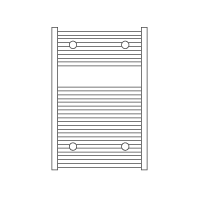
- Specialised options for bathrooms: Towel radiators are ideal for bathrooms, providing a dedicated solution for warming and drying towels.
- Match heat output to room size: For small rooms, choose radiators with less heat output to avoid overheating and unnecessary costs.
Why Choose a Designer Radiator from Stelrad
At Stelrad we offer a wide range of designer radiators that combine stunning aesthetics with exceptional heating performance. Our collection of radiators is designed to suit various home heating needs, offering both style and practicality.
Explore our designer radiator collection to discover vertical, column, and feature radiators available in a variety of finishes and colours. You’ll also find information about British Thermal Units (BTU) output, which is crucial for determining the right size and heating capacity for your space, as well as size options and compatible valves, making it easy to find a model that fits your home and heating needs.
Understanding What Are The Installation Costs for A Designer Radiator
When weighing up designer radiator vs standard radiator installation costs, consider both the upfront price and the long-term value. Be sure to evaluate your current system to determine if it is compatible with the new radiator or if additional upgrades are needed. While a designer radiator might cost more to fit, it adds character, efficiency, and resale appeal to your home.
Also, consider the cost to replace an old radiator compared to installing a new designer model, as this can impact your overall budget. Having an old radiator replaced can significantly improve heating efficiency and comfort in your home.
Budget around £150–£250 for standard radiator installations and £300–£700 or more for designer models. Always request clear, written quotes and confirm that your chosen installer has experience with the type of radiator you’re purchasing. Need further advice? Contact our experts at Stelrad today and we’ll be happy to provide more information on what are the installation costs for a designer radiator, as well as help with your search for your ideal radiator solution.

 Next Working Day Delivery£18 For Next Working Day Delivery On All Products*When ordered before 2pm.*T&Cs apply