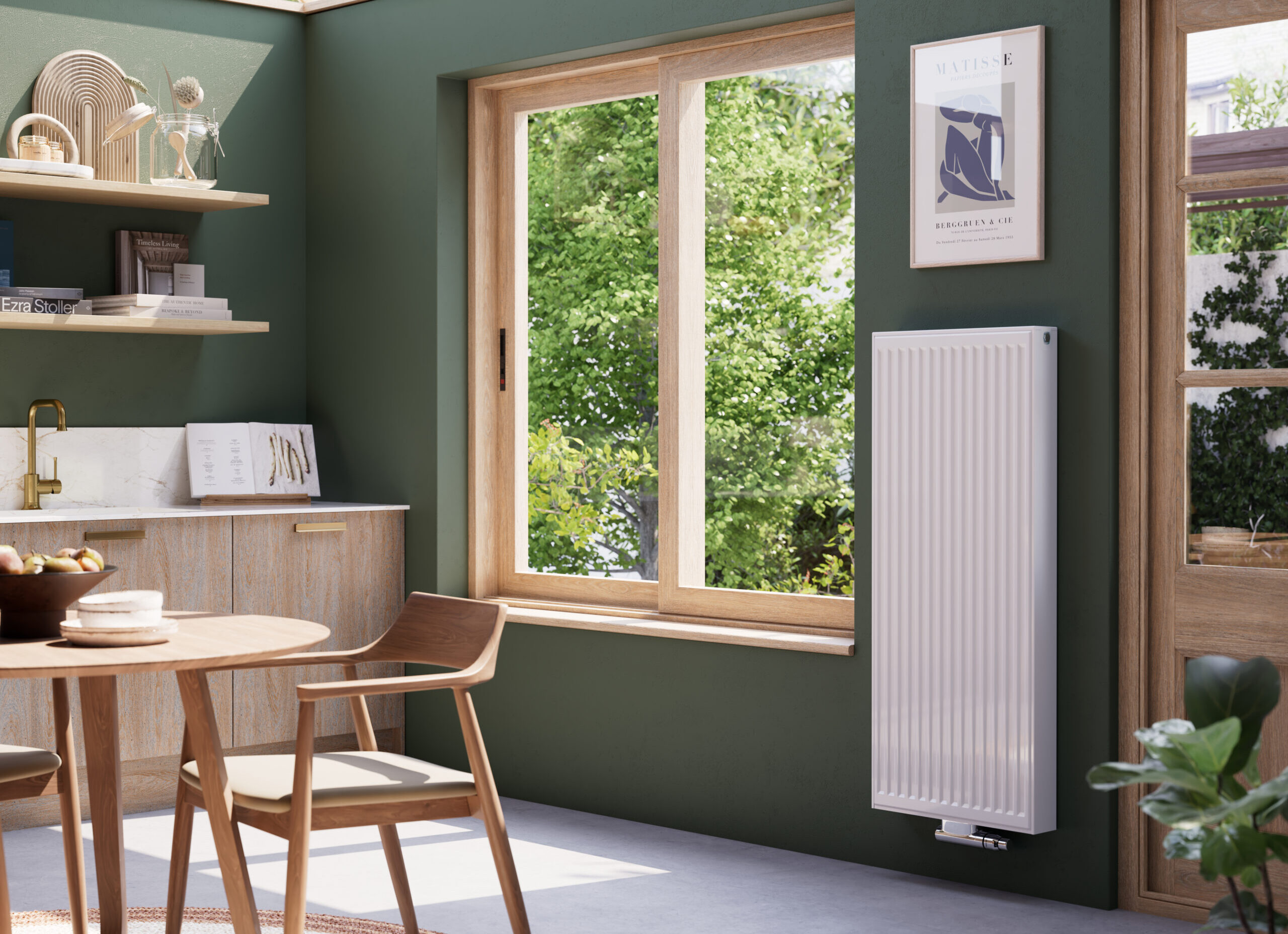
With the summer approaching and warmer weather on the way, it makes sense for your home to be cooler at this time of year. This means ensuring your heating is turned down and your radiators are kept on a low setting. Many may even consider turning off their boilers during this time, but should you do so?
While boilers are essential for heating during the colder days and months, their necessity in the summer can be less clear. Turning off your boiler on the one hand can save energy and reduce usage, but it may also lead to a lack of hot water for showers and cleaning – so what can you do instead? Below we’ll look at the pros and cons of turning off your boiler in the summer, provide tips on how to manage your boiler efficiently, and offer alternative strategies to keep your home comfortable and your energy bills low.
Seasonal Boiler Usage
How often you need to use your boiler will vary significantly between Winter and Summer. During the Winter months, it’s essential for your boiler to be working hard to keep your home warm and comfortable, working overtime to ensure a steady supply of heat. In contrast, the Summer season typically requires less heating, and the primary function of a boiler shifts to providing hot water for household needs like a bath or shower.
Turning off your boiler completely during the summer will reduce energy consumption and lower your utility bills, as well as decrease wear and tear on the boiler system. However, this approach also has its downsides, including the potential inconvenience of not having immediate access to hot water. Additionally, turning the boiler off for too long can lead to issues such as component seizing or reduced efficiency when it is turned back on.
To avoid this, there are some better strategies to consider before you turn your boiler off completely.
Combi Boiler Summer Setting
For homeowners with combi boilers, the decision to turn off the boiler during summer needs careful consideration. Combi boilers are designed to provide hot water on demand, meaning if you switch off the boiler, you won’t have hot water for showers, washing dishes, or other household tasks.
Instead of turning off your combi boiler completely, it’s advisable to switch it to a summer setting. This mode keeps the hot water function active while disabling the central heating, ensuring you still have hot water without wasting energy on heating your home.
Modern combi boilers often come equipped with an eco-mode or summer setting specifically designed for this purpose. By making the most of the combi boiler summer setting, you can enjoy energy savings without sacrificing the convenience of hot water. Regularly checking and maintaining your boiler, even during the summer months, ensures it operates efficiently and reduces the likelihood of any issues arising when you need it again in the colder months.
Pros and Cons of Turning Off Your Boiler
Deciding whether to turn off your boiler in the summer comes with its own set of pros and cons.
Pros:
- Energy Savings – Turning off your boiler can significantly reduce your energy consumption, leading to lower utility bills.
- Reduced Wear and Tear – By giving your boiler a break, you can potentially extend its lifespan and reduce the need for costly repairs.
- Environmental Benefits – Using less energy is better for the environment, helping reduce your carbon footprint.
Cons:
- No Hot Water – If your boiler is off, you won’t have access to hot water for showers, cleaning, or other household needs unless you have an alternative source.
- Potential System Issues – Boilers that are not used for extended periods may experience issues like component seizing or reduced efficiency when turned back on.
- Inconvenience – Restarting the boiler after a long period of inactivity might require professional servicing, adding to the inconvenience and potential cost.
Weighing up these factors can help you determine what the best approach is for managing your boiler during the summer months. You could instead try some different options first so that your radiators aren’t heating your home when you don’t need them to.
Alternative Strategies for Summer Boiler Management
If turning off your boiler completely in the Summer doesn’t seem practical, here are some alternative strategies to consider for efficient boiler management:
- Lower the Temperature – Adjust the thermostat to a lower setting to reduce energy consumption while still maintaining hot water for washing etc. Use thermostatic radiator valves (TRVs) to effortlessly adjust your radiators, turning them off in rooms where you don’t need the heat.
- Use Summer or Eco Mode – As mentioned, be sure to make use of your combi boiler summer setting or eco-mode that focuses solely on providing hot water without heating the entire home. This can significantly reduce your energy usage.
- Use a Timer – Use a timer to control when the boiler operates, ensuring it only runs when hot water is typically needed. This avoids unnecessary energy usage without sacrificing comfort.
- Adjust the water temperature – Having a lower water temperature on your boiler can help to save money during the warmer months.
- Schedule Regular Maintenance – Ensure your boiler remains in good working condition by scheduling regular maintenance checks. This helps prevent issues caused by inactivity and ensures the boiler is ready for use when needed during Winter.
Tips To Turn Boiler Off
If you do decide to turn off your boiler for the Summer, it is safe to turn your boiler off at the mains, just be sure not to have it turned off for long periods to prevent issues when you do need it to work.
It can be a good idea to turn it on now and again over the Summer to ensure it is working properly. If you have a combi boiler, change the setting to hot water only or the Summer setting instead of turning it off.
Make The Best Choice For Your Needs
In summary, whether to turn off your boiler in the Summer depends on your specific needs and boiler type. While turning it off can save energy and reduce wear, it might not be practical if you need hot water regularly. Alternatives like lowering the temperature or using summer mode can offer energy savings without compromising comfort.
Regular maintenance is crucial to ensure your boiler operates efficiently when needed. Consider your household’s hot water needs, the boiler’s capabilities, and potential energy savings to make the best decision.
For more information or to explore our range of radiators, browse our website and feel free to contact us. You can also learn more about how efficient radiator positioning can improve your home heating.

 Next Working Day Delivery£18 For Next Working Day Delivery On All Products*When ordered before 2pm.*T&Cs apply