Quick Answer
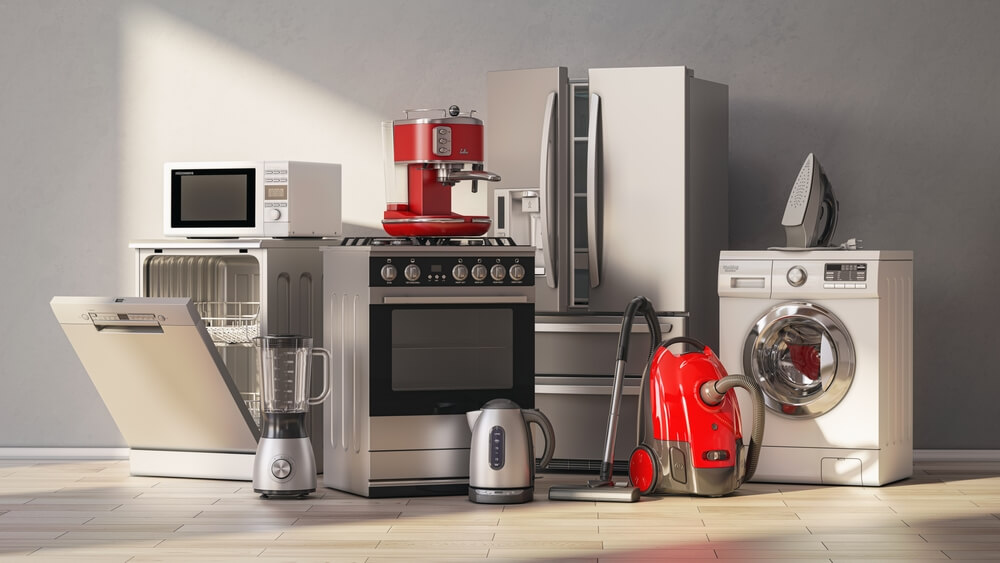
Central heating accounts for around 55-60% of the average UK household energy bill, making it the single biggest consumer by a significant margin. After that, the highest energy users are tumble dryers, electric showers, washing machines, dishwashers, fridges and freezers, ovens, microwaves, lighting, and televisions. Tumble dryers are the most energy-intensive appliance on a per-use basis. For most households, the biggest gains come from addressing the heating system. Reducing boiler flow temperature, bleeding radiators annually, and using TRVs to avoid heating unoccupied rooms are the three adjustments that tend to have the most impact on bills.
What appliances use the most electricity?
| Appliance |
Daily Active Cost |
Daily Standby Cost |
Annual Standby Cost |
| Tumble Dryer |
£30.56 |
£0.02 |
£6.45 |
| Kettle |
£20.38 |
£0.0001 |
£0.74 |
| Washing Machine |
£14.26 |
£0.02 |
£6.45 |
| Microwave |
£10.19 |
£0.02 |
£5.95 |
| Dishwasher |
£8.66 |
£0.02 |
£7.44 |
| Desktop Computer |
£3.06 |
£0.04 |
£13.39 |
| Game Console |
£1.36 |
£0.08 |
£27.52 |
| Television |
£1.22 |
£0.02 |
£5.70 |
| Laptop |
£0.68 |
£0.03 |
£10.41 |
| Printer |
£0.20 |
£0.0003 |
£1.24 |
| Fridge |
£0.16 |
£0.16 |
£56.89 |
| Modem |
£0.07 |
£0.05 |
£19.09 |
| Smart Speakers |
£0.03 |
£0.02 |
£7.44 |
| Phone Charger |
£0.03 |
£0 |
£0.64 |
Appliances that use the most electricity
1. Tumble Dryer
Tumble dryers have the highest energy-consumption of any household appliance. You could be paying an average of £30.56 each day to dry your clothes and a yearly average of £6.45 to keep the machine on standby.
Luckily, tumble dryers are one appliance that aren’t always essential to use. Where possible, try to dry your clothes outside. This is a free alternative and will leave your clothes with a great, fresh smell.
2. Kettle
Kettles are a quick and easy way to heat water. However, the appliance also consumes the second-highest electricity of any household appliance. The average daily active cost to heat a kettle is £20.38. So how much electricity does a kettle use on standby? You could be facing costs that average £0.74 each year.
A great way to save energy (and money) is to only boil the water you need. You don’t have to fill the kettle entirely; just make sure it has the minimum amount of water required and enough to fill your mug or pan. Turn the power off at the socket after you have finished using the kettle so that it isn’t using electricity on standby.
3. Washing Machine
With an average daily cost of £14.26, washing machines are the third highest energy consumer in most households. Your appliance could be costing you an extra £6.45 per year just by being left on standby.
Using cold water can reduce energy consumption, as can running your washing machine on full loads to maximise efficiency. You could also try to use eco modes and shorter cycles where possible.
4. Microwave
Microwaves are used to quickly and efficiently heat food. Throughout an average day, your microwave could be costing you an incredible £10.19 and an additional £5.95 on average to keep them on standby throughout the year.
You can try to reduce the running costs by adjusting the power setting to match the cooking task as not every item requires the highest setting. You can also replace your old microwave with a newer model that has energy-saving features.
5. Dishwasher
Dishwashers certainly make life easier, but they’re also big energy guzzlers. Your dishwasher could be costing you an average of £8.66 per day through general use and a daily cost of £0.02 to stay on standby. You could also be forking out an average of £7.44 each year to keep your dishwasher on standby.
You can maximise your dishwasher’s efficiency by running full loads. Most dishwashers also have energy-saving options such as ‘eco mode’ and ‘airdry mode’. Use shorter or express wash cycles for lightly soiled dishes too.
6. Video Game Console
Game consoles are one of the cheapest appliances to use in a house, costing around £1.36 per hour. However, they have a high standby cost of £0.08 per hour, which can cost £27.52 annually.
One of the best ways to save energy is to enable the automatic shutoff feature to turn off the console after a period of inactivity. You can also turn down screen brightness and use energy-efficient chargers.
7. Television
Televisions use a lot of energy thanks to their screens. However, different displays (LCD, LED, OLED, plasma) have varying energy requirements. Choosing a smaller TV will save you money as there will be less pixels to illuminate. You can also adjust the screen brightness to save energy; most smart televisions use energy-saving mode that automatically adjusts brightness.
8. Refrigerator
Fridges are essential household appliances that keep food cold and fresh. Unfortunately, keeping them constantly running makes them significant consumers of electricity. Unlike some other household appliances, you can’t turn your fridge off or leave it on standby. Fridges must be kept on 24/7 to regulate their temperature and preserve the food inside them. You could be paying an average of £0.16 per day to keep your fridge on and £56.89 each year.
Although you can’t turn your refrigerator off, there are ways you can reduce their energy consumption. Make sure the fridge is kept in a cool, shaded area away from heat sources, so it doesn’t have to work harder to keep cold. You should also regularly clean the coils, ensure door seals are intact, and defrost the appliance as and when necessary.
Shower
One of the main reasons for the high energy consumption of showers is the energy required to heat the water. High flow rate will also increase consumption as more water is pumped through and heated.
You can reduce the shower’s energy consumption by taking shorter showers, installing low-flow showerheads and taking cooler showers where possible.
Lightbulb
They may be small, but lightbulbs can use a lot of energy. In fact, lighting is one of the biggest uses of electricity in your home. Your best bet to save energy and money is to select energy-efficient bulbs. For example, compact fluorescent lamps use around 70-80% less electricity than the equivalent traditional bulbs.
Radiator
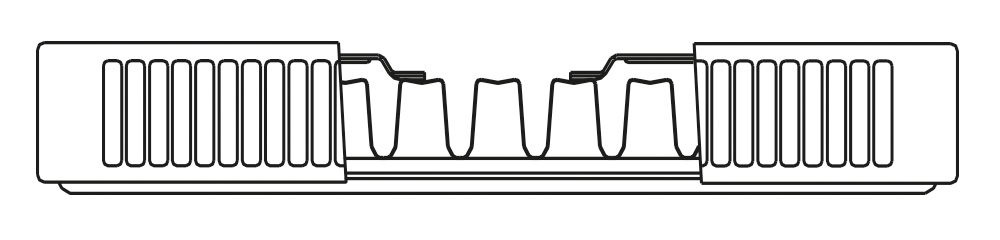
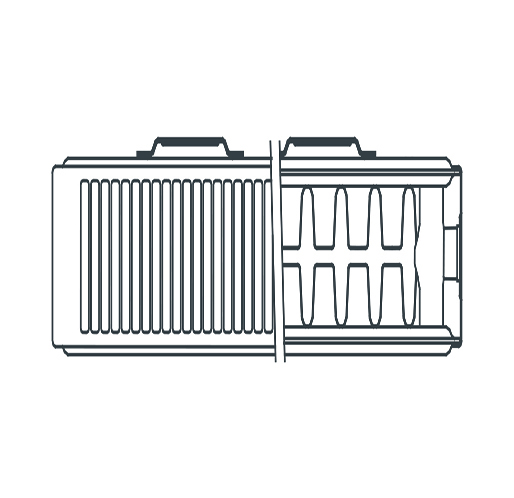
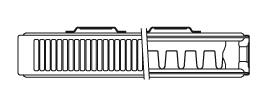
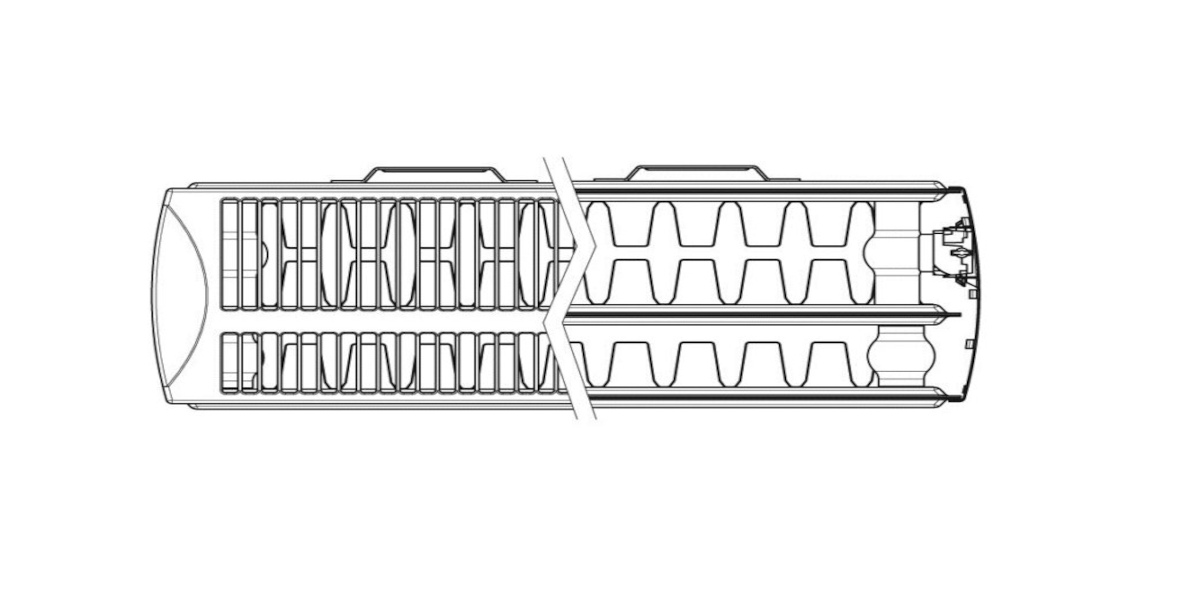
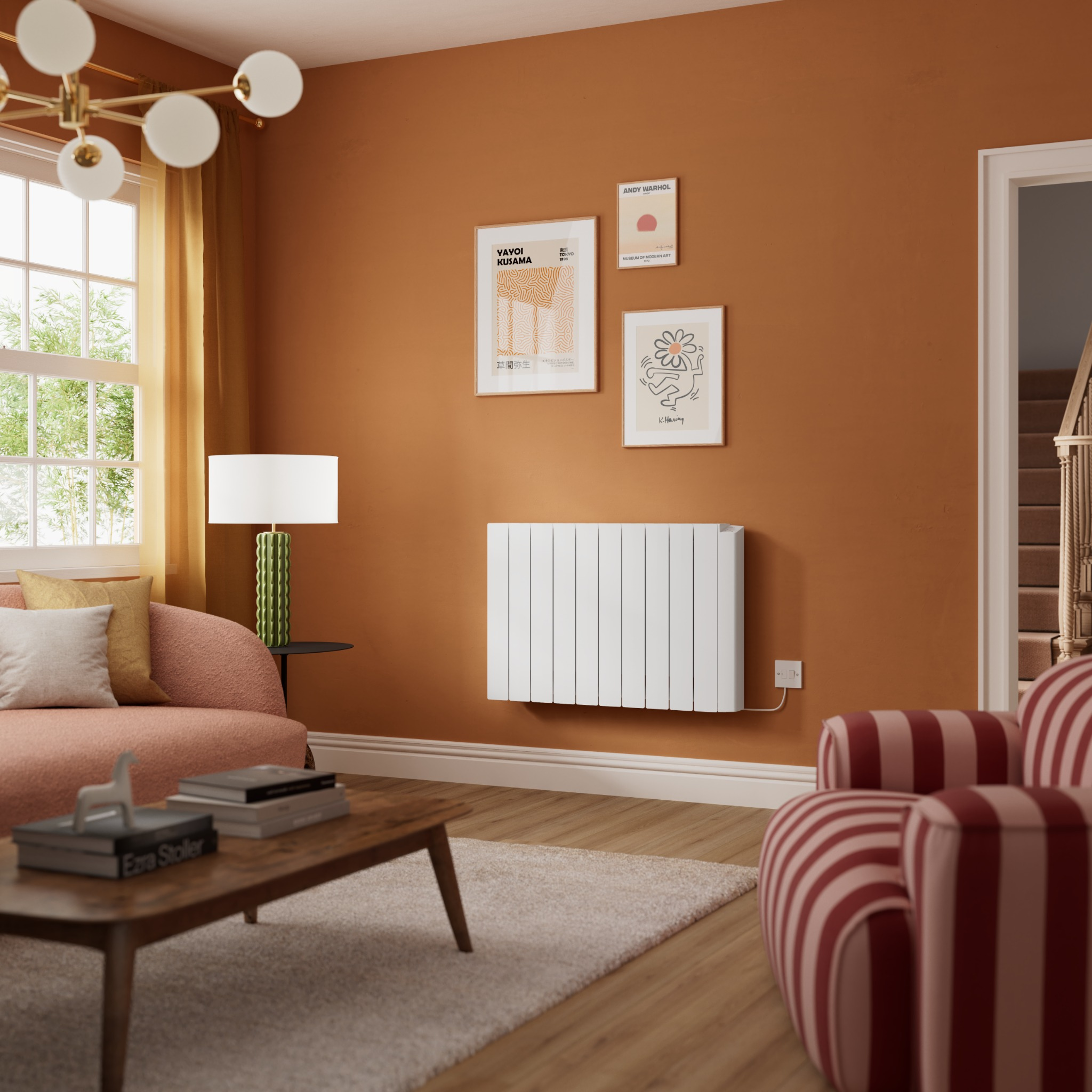
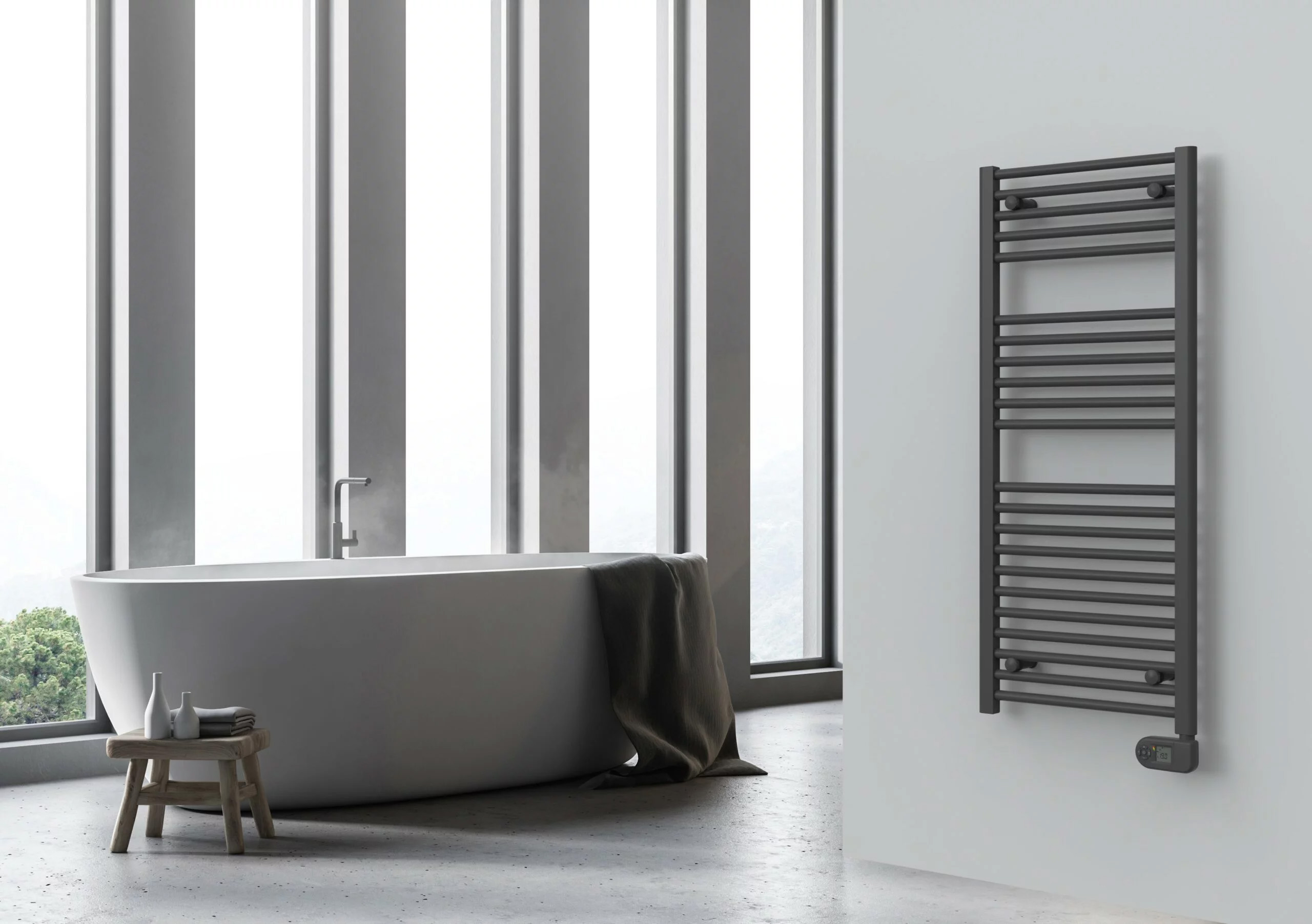
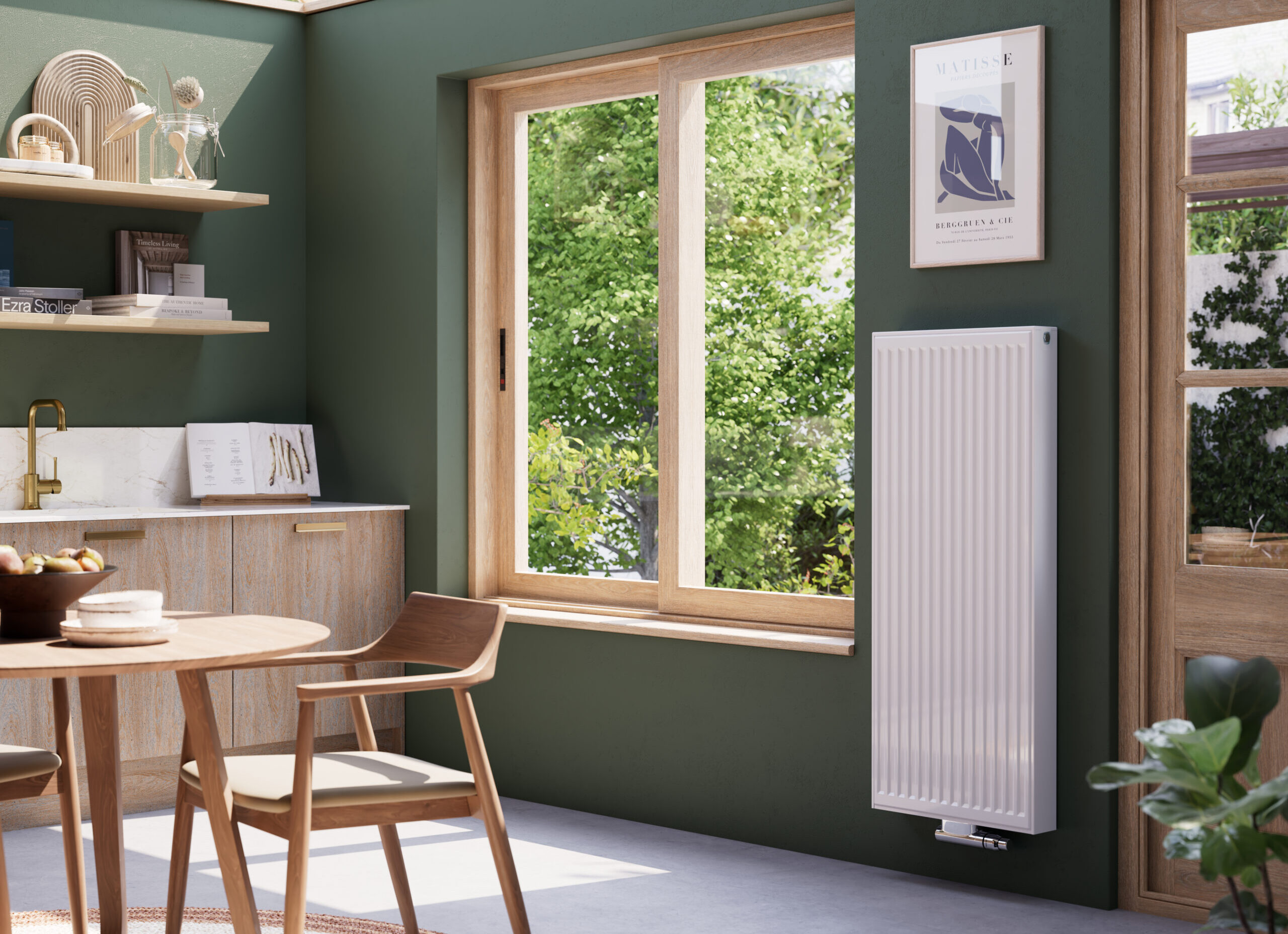
Radiators are essential in colder months to heat our homes. However, they can use a lot of energy unless you opt for an energy-efficient radiator. These radiators are designed to maximise heat output with minimal energy input. They provide even heat distribution throughout the room and typically heat up faster than traditional models, giving you warmth when needed.
| Type of heater |
Typical Heat Output |
Running cost per hour
(standard meter) |
Running cost per hour
(Economy 7, night) |
Running cost per hour (Economy 7,
day) |
| Radiant bar fire |
2 kW |
68p |
35p |
79p |
| Halogen heater |
1.2 kW |
42p |
21p |
47p |
| Convector heater |
2 kW |
68p |
35p |
79p |
| Fan heater |
2kW |
68p |
42p |
£1 |
| Oil-filled radiator |
1.5 kW |
51p |
26p |
61p |
The table above shows the most cost-effective heating options available. Halogen heaters are the most affordable option, with a running cost of just £0.42 per hour on a standard meter. However, these heaters also have the lowest heat output with around 1.2kW. Radiant bar fire, convector and fan heaters were the joint most expensive options, each costing £0.68 per hour on a standard meter. To help save more money , it’s a good idea to choose a green radiator. Not only will they save energy but also help your wallet.

 Next Working Day Delivery£18 For Next Working Day Delivery On All Products*When ordered before 2pm.*T&Cs apply