The simple answer and the quick one, is not really – even now in 2019. And the same is true of any other metal they can be made of – it’s not really an issue. At the lowest point of commonality, when 1000 BTUs of heat go into a radiator – whatever metal it’s manufactured from – mild steel, stainless steel, aluminium, brass, copper or cast iron – you can only get a maximum of 1000 BTUs out. Nothing more and nothing less.
What are radiators made of in the UK?
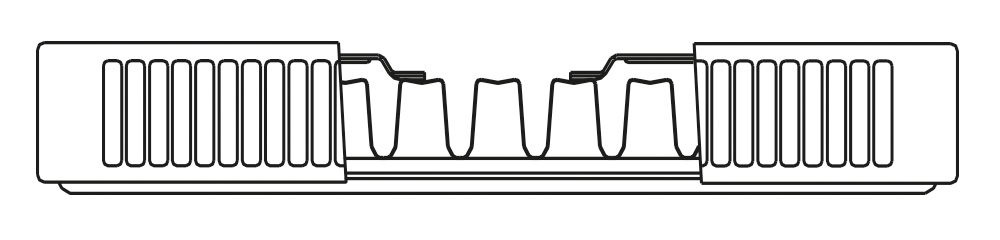
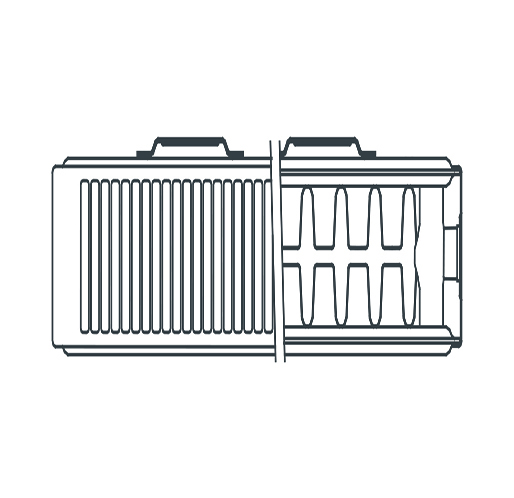
The vast majority of radiators manufactured for the UK and Ireland marketplace are made from mild steel – well in excess of 99% of them in fact, and as is the case with much of current manufacturing industry, the cost of starting a brand new manufacturing plant to produce a sufficient quantity of radiators using alternative metals to have any impact on what is a very established sector, would be hugely expensive to the point of not being a viable or credible option. There will always be smaller manufacturers who attempt to develop a niche market for themselves providing products made from alternative materials, and that is certainly the case in the radiator marketplace. But the sheer volume of mild steel panel radiators being produced, and actively required by the mainstream new build and replacement marketplaces will ensure that mild steel will remain the dominant – and by far the most dominant – material for radiators for the foreseeable future. The requirements of architects and building designers for the occasional alternative for ‘one off’, even if for a high profile building, where the budget exists to allow for alternative material based products to be specified, will never match the huge day to day demand for mild steel radiators.
Key features of steel radiators
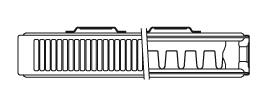
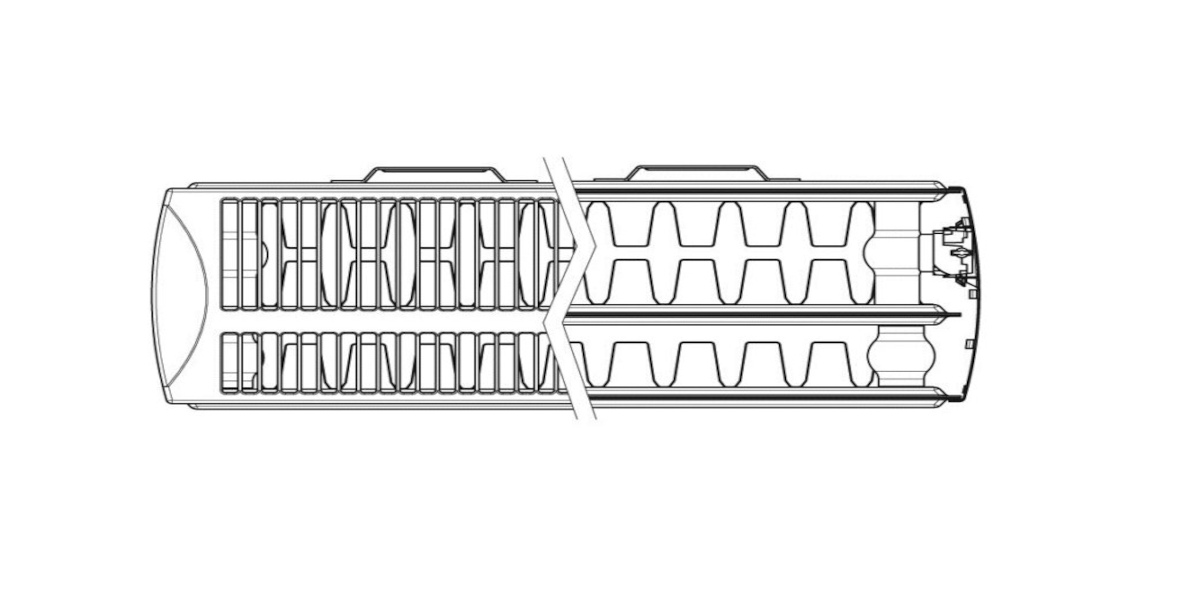
- Steel panel radiators heat up is slower, but the heat capacity of mild steel is better – the so called ‘stove effect’
- Cooling occurs more slowly which allows for residual heat to remain in the property and the rooms being heated, for longer, with a more gradual reduction in heat.
- Steel panel radiators have proven performance, aesthetics and rapid availability as part of their constant appeal.
Key features of aluminium radiators
- Whilst heat up time for aluminium radiators is certainly quicker than for mild steel radiators, cooling also happens more rapidly.
- On the manufacturing front, aluminium radiators manufacturing process is by a die casting method and or extrusion, which is simple enough. However as suggested already, the production scale is small currently so capacity for production is low.
- The manufacturing process of aluminium radiators is necessarily manual, which increases the risk of quality issues when installed and the manufacturing process requires sanding to remove blemishes on the face of radiators – something not required by steel panel radiator manufacturing process.
Are aluminium radiators better than steel?
Even if you assume the demand for alternative products existed at a high level of demand, there are benefits and issues with using each alternative metal. It’s too simplistic to ask if one type of radiator is better than the other – what for exactly? We have already established that most aluminium radiator manufacture is small scale and the cost of ramping that up to the level that steel radiators currently are made in, is financially difficult and probably impossible.
Steel v Aluminium? What’s the verdict?
It’s not an irrelevant question, but the reality of the market place makes it less important than it might at first seem. There are many realities of mass manufacture that need to be addressed and accepted and the decision that has been made over the years for mild steel to be the metal of choice, seems here to stay. With so many options to suit your requirements, browse the range at Stelrad or speak to a member of our expert team to find the radiator material which best suits you.

 Next Working Day Delivery£18 For Next Working Day Delivery On All Products*When ordered before 2pm.*T&Cs apply