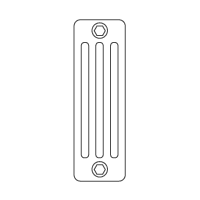
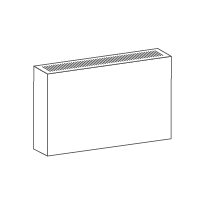
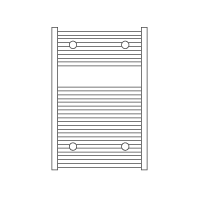
Whether you have standard radiators, traditional column radiators or heated towel rails, you can generally expect them to operate reasonably quietly. However, you may notice your radiator clicking which can lead you to start worrying and wondering ‘why does my radiator click?’. With boiler repairs and plumbing work always seeming to be so expensive, you want peace of mind that your central heating system is in tip-top condition. Although radiators making clicking noises is generally nothing to worry about, if the clicking is persistent you may want to conduct some maintenance to ensure everything is working properly. Here, we will discuss how to stop radiators clicking, and what exactly it might mean.
Why Does My Radiator Click?
Radiator clicking noises can be very irritating. You might find yourself being woken up in the middle of the night by clicking, banging, and knocking or throughout the day when you’re trying to get on with work. It’s normal for radiators to make some strange noises if they haven’t been used for a while or if they’re warming up in cold weather. While it’s common for your radiators to be making some sort of noise, it’s best to keep on top of them.
Air Bubbles Causing Radiator Clicking
The most common cause of radiator clicking noises is simply air bubbles, however central heating systems are built to cater for it, so it’s usually nothing to worry about. Warm water flowing through the pipes will inevitably leave air bubbles behind, causing them to get bigger and smaller in your pipes resulting in your radiator clicking. The clicking is caused when there is movement inside your radiator’s piping. The water inside your pipes leaves air behind which will expand and collapse your piping. These air bubbles may cause heating problems with your radiator system and so will need to be dealt with if the clicking persists.
Radiators Making Clicking Noise Due to Pipe Warping
Another cause of noisy radiators is pipe warping. The radiator pipes expand and contract due to the heat that they are exposed to. Even though this is a very slight expansion, it can still cause a radiator clicking noise that can be heard throughout the home. Sometimes, the structural rigidity of the pipes is compromised and can lead to loud creaks, groans and clicks. In more serious cases, if your piping has been run through wooden joints, the wood and metal can be broken. If this happens, you must hire a plumber to remove the wooden joints – however, this is rare.
Limescale Build-Up Causing Radiator Clicking
The limescale build-up is another cause of radiators making clicking noises as it stops the water from flowing through the pipes causing a backlog of pressure. This can inevitably cause catastrophic and expensive problems down the line. Just like limescale can be seen around your bathroom taps and kettle, it can also affect your central heating system. This means that limescale has the potential to build up and affect the efficiency of your heating system. Limescale is caused by a build-up of calcium carbonate that is present in hard water, and this limescale builds up faster on hot water appliances due to the hot water evaporating off a surface much quicker than cold water would.
If you notice your boiler is noisier than usual or your taps have started building up limescale, this could mean you may have a build-up of limescale elsewhere. You can prevent limescale build-up in your heating system by investing in water softeners that hold onto the minerals that cause the limescale, or scale reducers that collects the minerals before they enter your system.
How to Stop Radiators Clicking
Depending on your problem, there are a few solutions that you could try to stop your radiators from making clicking noises.
Power Flush
A power flush is a mix of chemicals and water put through your heating system at high pressure. The solution can remove any limescale deposits as they break away and are flushed out and is also a great way of expelling any rust or debris that may be causing the clicking noise in your radiator. Although you can carry out a power flush yourself, we recommend enlisting the help of a plumber to do this for you to make sure it is correct. A power flush is also a good way to help if you have cold spots in your radiator, if you have cloudy tap water, or if your metal radiators take a long time to heat up.
Bleeding Your Radiator
To help get rid of air bubbles in your system, you may need to bleed your radiator. To do this, make sure your heating has been turned off so that you won’t expose yourself to any burns. Then, use a radiator bleed key to unlock the bleed valve on the side of your radiator and make sure you have a bucket or a radiator nearby to let out the excess water until you hear a hissing sound. Make sure the pressure settings on the system is correct before closing the bleed valve and turning your heating back on once you’ve done all the radiators in the house. Bleeding your radiators frequently can also save you money on bills and help you do your bit for the environment.
Cushion Your Piping
If your expanding radiator pipes are to blame for the radiator clicking noise, then cushioning your piping may be the best solution. To do this, you can either use expanding foam insulation or move the furniture your piping is expanding against and you’ll find that your radiators making clicking noise will stop.

 Next Working Day Delivery£18 For Next Working Day Delivery On All Products*When ordered before 2pm.*T&Cs apply