Room temperature is a term you will often hear but can mean different things to many people. To some, room temperature might be super warm and toasty because that’s what they find comfortable. To others, they may prefer the room to be slightly cooler with just a gentle warmth. You might even look at adding different radiators to different rooms so you can get the best warmth for each one. But what should room temperature be ideally? If you want a consistent room temperature throughout the year, here’s a quick guide on how to achieve it.
What Should The Actual Temperature Be?
When researching, you’ll find that the optimal temperature of a room should be somewhere between 20°C – 22°C. This temperature should keep you comfortable and stop any overheating. However, this temperature normally relates to standard size living room areas. Other rooms of the house may need to be heated completely differently for varying reasons, so that means you need to pay close attention to the temperature you’re setting your radiators at.
Different Rooms Require Different Temperatures
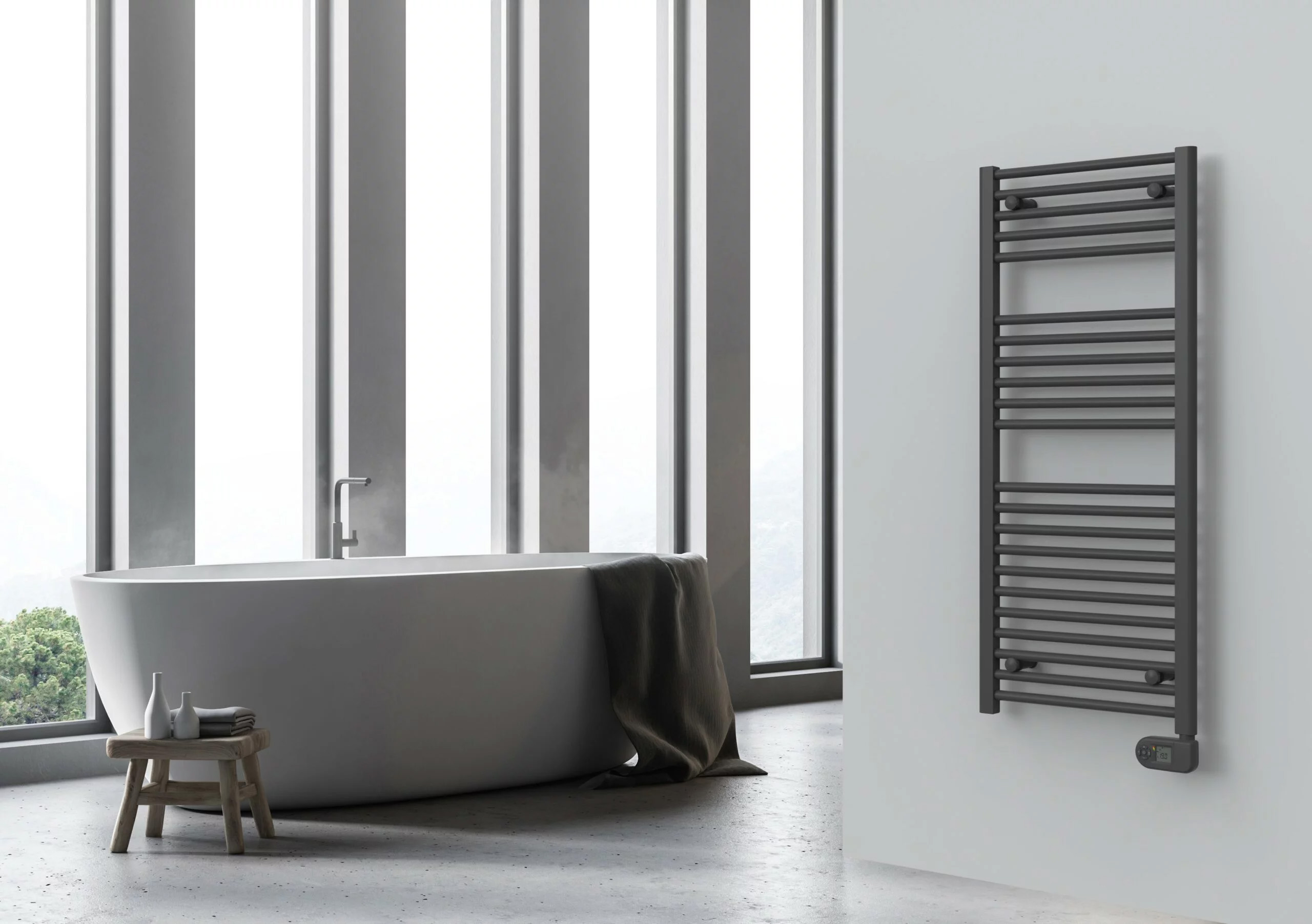
Keeping every room in the house at a sensible 20°C – 22°C might not be the best way to heat your home. You might need to increase the temperature ever so slightly with bathroom radiators so that you don’t emerge from a hot shower into a cold room. By adding a room specific solution such as a towel rail radiator, this will help to keep the room slightly warmer than the others whilst providing a practical solution for drying towels too. Experts also suggest that sleeping in a cooler bedroom is better for you as you’ll find it easier to sleep, helping to regulate your internal body temperature. Bedroom radiators should keep the room between 16°C – 19°C so that you can experience the best night’s sleep you can.
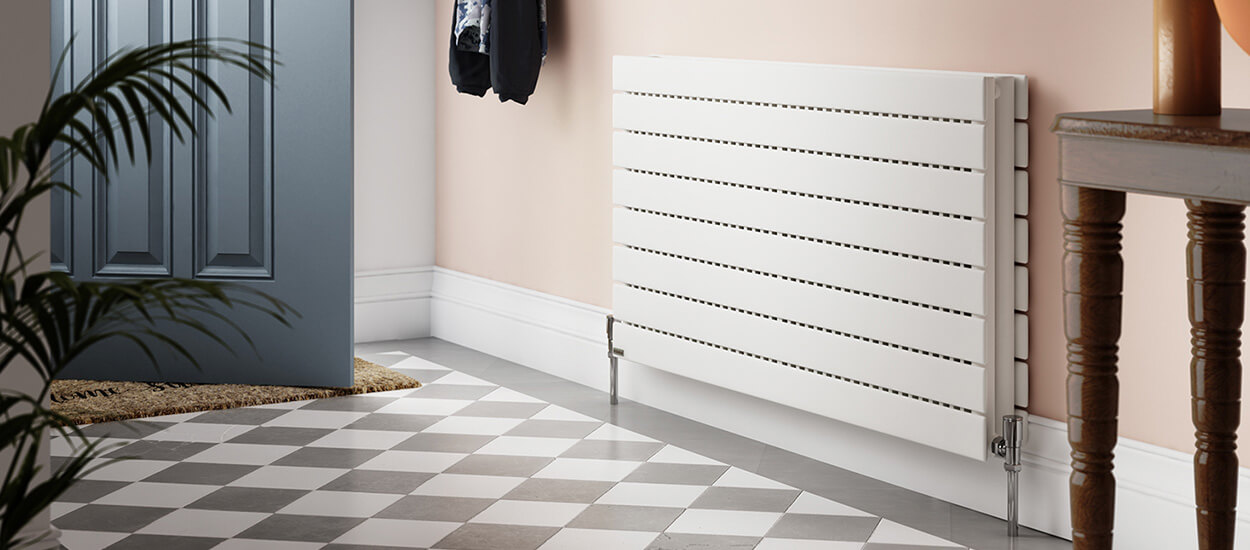
Kitchens can also be a little cooler than a living room as there are many appliances that give off heat in the room already. If you kept the kitchen radiators at 22°C and then have the oven going at the same time, you’ll quickly notice how hot the room gets. Instead, try bringing it down a notch to 18°C – 20°C for a comfortable temperature. For the rest of your home, if there are rooms you don’t use as much, you can probably keep these as low as 15°C. Keeping them at anything more than 18°C can waste heat on an empty room, so take note of which rooms in your house are used the most.
Different Seasons Dictate Room Temperature
As well as different rooms needing to be heated differently, you’ll also want to pay attention to the seasons. In the Summer, 20°C may be too warm, but in the Winter, it might not be warm enough! Monitoring your thermostat is a good way to ensure that your home is comfortable and warm enough each day, as it’s easy to set it at what’s normally the optimal temperature and forget to reduce it.
Deciding Factors Of Room Temperature
You also need to consider who else is going to be in the room too when working out what should room temperature be. For instance, some people tend to feel a lot warmer during pregnancy. Similarly, babies aren’t very good at regulating their body temperature, so you need to be mindful that it doesn’t get too warm or cold in the room for them. Elderly people tend to need rooms to be a little hotter as they can be less mobile and it’s harder for them to keep warm. If you have pets in the room as well, you’ll want to ensure that the temperature is comfortable for them too. Certain animals will feel the cold more than others, and even different breeds of the same animal may react to temperature differently.
In reality, there isn’t one room temperature that fits all as it can be affected by so many different factors. Although 20°C – 22°C may seem comfortable to you, to other people it could be enough to make them overheat or develop a chill. The weather also plays a big role in why room temperature can fluctuate too. Even in the Spring, there can be colder days and 20°C may still not be warm enough. If you’ve recently got a new pet, it’s also a good time to reconsider how warm you keep the house as it might need adjusting for them. Making sure that you’re considerate of everyone using the room will allow you to find the perfect room temperature every day.
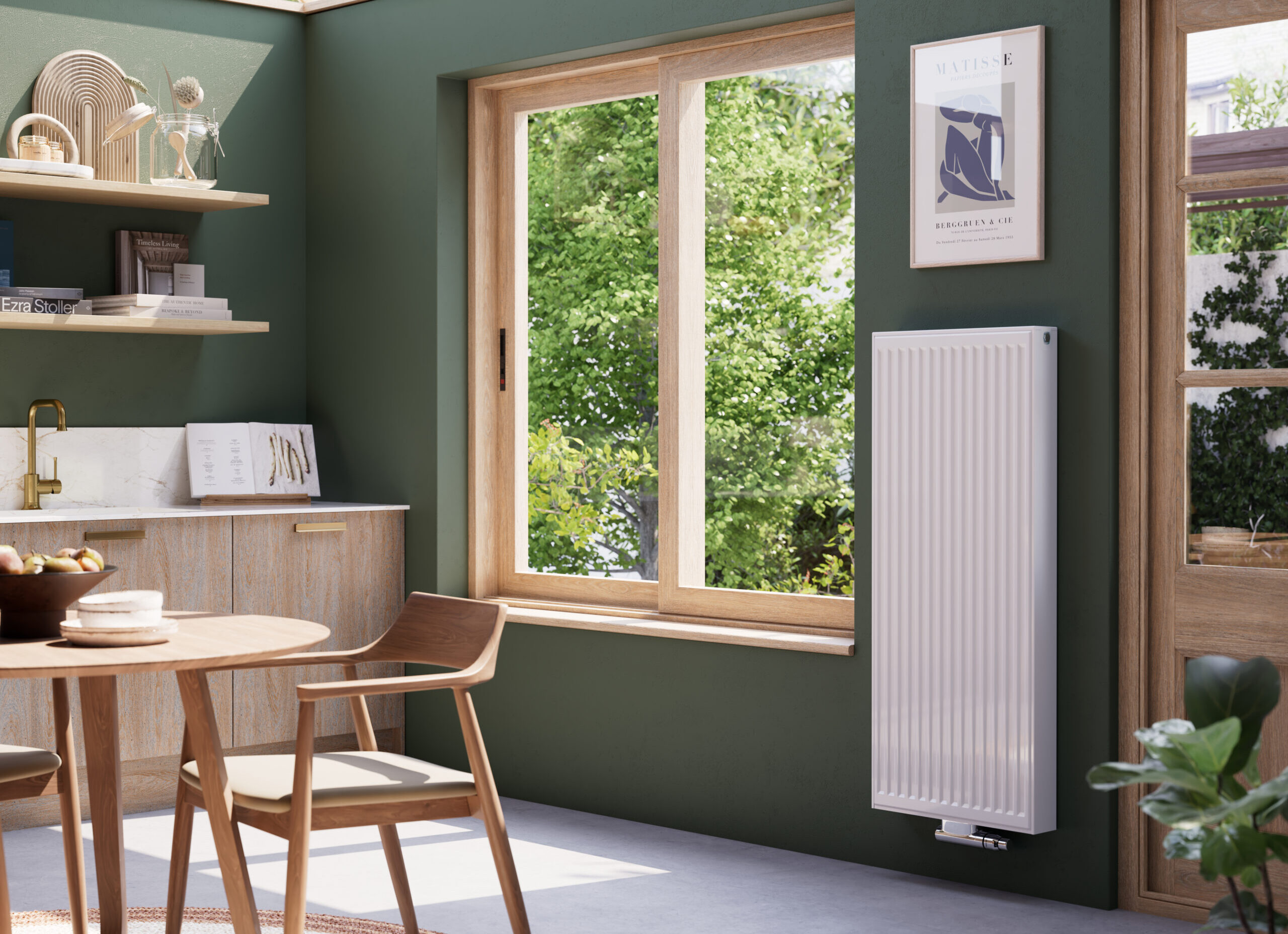
If you have any queries about what should room temperature be for each room of your home, or to find out more about our radiator options including vertical radiators, please get in touch today.

 Next Working Day Delivery£18 For Next Working Day Delivery On All Products*When ordered before 2pm.*T&Cs apply